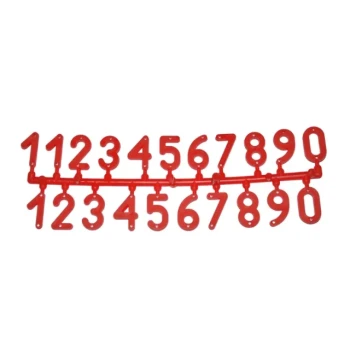
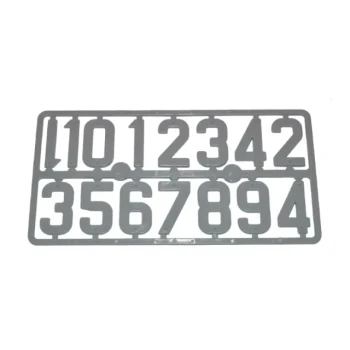
The dual-marking system combines precision with rapid visual sorting. Plastic numbered tags adhered to the thorax assign a unique identifier to every bee, while colored paint marks on the abdomen broadly categorize them by experimental group or genetic strain. This approach allows researchers to maintain individual-level granularity while simultaneously tracking broad cohort trends within the complex, often dimly lit environment of a hive.
By decoupling individual identity from group identity, this method transforms a chaotic colony of thousands into a quantifiable dataset, enabling the precise correlation of age and genetics with specific behavioral performance.
The Anatomy of the Dual-Marking System
The Thorax Tag: Unique Identity
Plastic numbered tags are the foundation of high-resolution data collection. Adhered directly to the thorax, these tags provide a permanent, unique ID for individual honeybees.
This unique numbering allows observers to record specific metrics for a single bee, such as guard duration or foraging frequency. It enables the deconstruction of complex colony-level actions into quantifiable individual contribution data.
The Abdomen Mark: Group Context
While the tag identifies the individual, a colored paint mark applied to the abdomen identifies the context. This mark is used to distinguish between different genetic strains, experimental groups, or treatment conditions.
This visual cue allows for rapid sorting and identification of cohorts without needing to read a tiny number first. It effectively highlights which sub-group a bee belongs to, facilitating quicker observation in large populations.
Facilitating Long-Term Behavioral Analysis
Tracking Task Transitions
The combination of tags and paint enables the monitoring of a bee's career over several weeks. Researchers can track the precise timing of task transitions, such as the shift from nest cleaning to foraging.
By having a unique ID, these developmental rates can be analyzed on a case-by-case basis rather than just as an average. This reveals variability in how different bees mature and take on new roles within the social network.
Monitoring Survival and Performance
This system is critical for non-destructive sampling and survival analysis. Because the bees are uniquely identified, they can be sampled, released, and monitored over time to see how they recover or perform.
It allows for the precise tracking of age and behavioral performance simultaneously. Researchers can determine if specific genetic strains (indicated by paint) act differently at specific ages (verified by the tag).
Understanding the Operational Trade-offs
Specificity vs. Visibility
The core trade-off this system resolves is the conflict between data specificity and visual accessibility. Numbered tags offer high specificity but are difficult to read quickly in dim lighting conditions.
Conversely, paint marks offer high visibility but lack individual granularity. Relying on paint alone prevents the tracking of individual life histories; relying on tags alone makes finding specific treatment groups in a swarm inefficient.
Application Complexity
Implementing this dual system requires precision during the application phase. The tags must be adhered to the thorax and paint to the abdomen without hindering the bee's movement or flight.
However, this initial investment in labor is necessary to navigate the complexity of a colony environment. It is the only reliable way to distinguish between sampling groups and control groups without removing the bees from the hive.
Making the Right Choice for Your Goal
When designing a study or monitoring plan, the level of marking detail should match your data requirements.
- If your primary focus is distinct behavioral phenotypes: Use numbered thorax tags to record granular metrics like guarding tendency or foraging intervals for specific individuals.
- If your primary focus is cohort survival or genetic comparison: Use abdomen paint marks to allow for rapid visual differentiation between treatment groups and genetic strains.
The most robust datasets emerge when you use both markers to bridge the gap between individual performance and group dynamics.
Summary Table:
| Marking Method | Placement | Primary Function | Advantage | | :--- | :--- | :--- | :--- | | Plastic Numbered Tag | Thorax | Individual Unique ID | High-resolution data on specific bee behavior (e.g., foraging frequency) | | Colored Paint Mark | Abdomen | Group/Cohort Identifier | Rapid visual sorting of genetic strains or experimental treatments | | Dual System | Both | Comprehensive Tracking | Bridges the gap between individual performance and broad colony trends |
Maximize Your Colony Insights with HONESTBEE
At HONESTBEE, we understand that precision is the backbone of successful commercial beekeeping and research. Whether you are a distributor looking for high-quality supplies or a commercial apiary managing large-scale operations, our comprehensive wholesale offering has you covered.
From specialized honey-filling and hive-making machinery to a full spectrum of beekeeping tools and essential consumables, we provide the hardware you need to turn complex colony data into a productive reality. Our portfolio even includes unique honey-themed cultural merchandise to help you build your brand.
Ready to elevate your apiary equipment? Contact HONESTBEE today to explore our wholesale solutions and discover how our expertise can drive your business efficiency.
References
- Adam J. Siegel, Robert E. Page. In-hive patterns of temporal polyethism in strains of honey bees (Apis mellifera) with distinct genetic backgrounds. DOI: 10.1007/s00265-013-1573-y
This article is also based on technical information from HonestBee Knowledge Base .
Related Products
- Professional Engraved Round Hive Number Tags for Beekeeping
- Professional Large-Format Hive Number Set for Beekeeping
- Durable Plastic Hive Number Set for Beekeeping
- Modern Flat-Mount Hive Number Set for Beekeeping
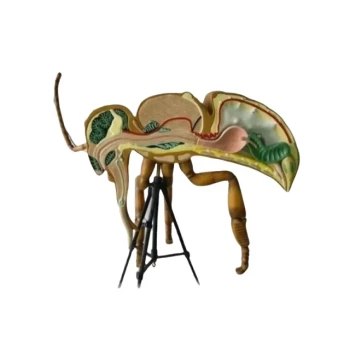
- HONESTBEE Anatomy Bee Model Detailed Anatomical Display for Education and Study
People Also Ask
- What role do numbered tags and specialized adhesives play in honey bee genetic research? Linking Genotype to Behavior
- What function do hive identification tags serve in long-term monitoring? Secure Precise Data & Outlier Detection
- What is the role of record-keeping tools like manuals and hive markers in professional queen bee breeding? Master Data.
- What are the advantages of numbered plastic tags? Achieve Precise Individual Honeybee Identification
- What protective functions does hive portability provide? Adapt to Seasonal Climates with Ease