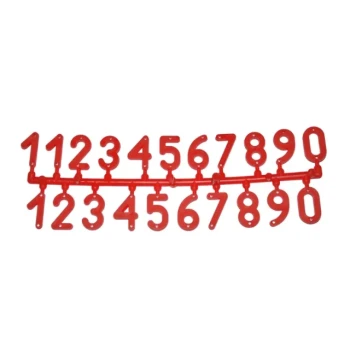
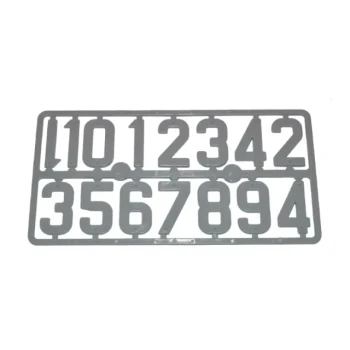
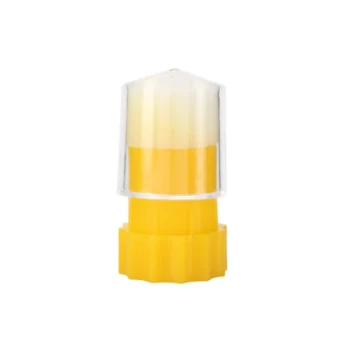
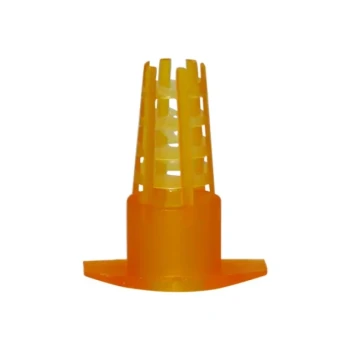
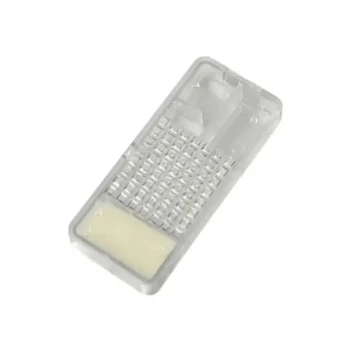
Colored and numbered queen tags serve as the fundamental mechanism for individual recognition and data integrity in advanced apiculture. These consumables provide a unique visual code that allows breeders and researchers to precisely record a queen’s origin, mating date, and survival status across her lifespan.
By transforming a queen from a generic insect into a distinct data point, these tags enable the establishment of reliable pedigree chains and accurate performance testing without disrupting the colony's natural operations.
Establishing Precise Identity and Lineage
The Unique Visual Code
In studies involving multiple colony comparisons or mating frequency analysis, distinguishing one queen from another is impossible without artificial aid. Numbered disks attached to the thorax provide a specific ID for every individual. This allows technicians to track specific metrics—such as egg-laying contributions or survival rates—back to a single, verified source.
Building Reliable Pedigrees
Long-term genetic improvement requires more than just knowing who the queen is today; it requires knowing her history. By using specific colors to represent birth years and numbers for individuals, breeders can establish a reliable pedigree chain. This connects the queen, the worker bees, and her offspring into a coherent genetic map over several years.
Enhancing Operational Efficiency
Rapid Localization and Safety
In a busy hive, finding the queen can be time-consuming and disruptive. Marking discs allow for rapid localization, significantly reducing the time the hive is open during inspections. This visibility facilitates the safe transfer of resources to other hives and minimizes the risk of accidental harm to the queen during routine handling.
Verifying Queen Continuity
A critical aspect of population tracking is confirming that the queen currently in the hive is the same one originally introduced. Colonies often replace (supersede) failing queens naturally. A tagged queen allows the beekeeper to immediately confirm her status; if the queen is untagged, she has been replaced, and the genetic line has changed.
Comparative Research Precision
For scientific study, accuracy is paramount. Numbered tags allow researchers to distinguish between specific categories, such as treatment groups versus control groups. This enables precise monitoring of individual behavior and survival rates following non-destructive sampling procedures.
Critical Technical Considerations
The Adhesive Challenge
The success of this system relies entirely on the bonding agent. The tags must use specialized adhesives capable of resisting the hive's complex chemical environment. If the adhesive fails, the data is lost immediately.
Preserving Pheromone Communication
The chemical composition of the adhesive must be carefully selected to avoid disrupting the colony. It is vital that the glue does not interfere with the queen's pheromone communication, which dictates the behavior and cohesion of the entire colony.
Making the Right Choice for Your Goal
To maximize the value of your breeding or tracking program, apply these tags based on your specific objectives:
- If your primary focus is genetic improvement: Prioritize a strict color-coding system by year to maintain an error-free pedigree chain across generations.
- If your primary focus is behavioral research: Utilize numbered disks to differentiate between treatment and control groups to ensure accurate data on survival and mating frequency.
- If your primary focus is hive management: Use high-visibility marking paints or tags to reduce inspection times and verify queen continuity after swarming seasons.
Reliable data begins with the certain identification of the individual.
Summary Table:
| Feature | Purpose | Impact on Management |
|---|---|---|
| Color Coding | Yearly identification (Birth Year) | Establishes reliable pedigree chains and age tracking. |
| Numbered IDs | Unique individual recognition | Enables precise recording of egg-laying and survival data. |
| High Visibility | Rapid localization | Reduces hive inspection time and minimizes queen injury risk. |
| Adhesive Quality | Durability in hive environment | Prevents data loss and ensures long-term study integrity. |
Elevate Your Bee Breeding Precision with HONESTBEE
At HONESTBEE, we understand that advanced apiculture and commercial success rely on precise data and high-quality equipment. As a leading partner for commercial apiaries and global distributors, we provide a complete spectrum of beekeeping solutions—from specialized consumables like numbered queen tags to industrial honey-filling machines and hive-making hardware.
Whether you are scaling up your breeding program or expanding your distribution inventory, our comprehensive wholesale portfolio is designed to enhance your operational efficiency and genetic integrity.
Ready to professionalize your apiary operations?
Contact HONESTBEE Today to explore our wholesale offerings and discover how our expertise can drive your business forward.
References
- Michael Simone-Finstrom, Judy Wu‐Smart. Proceedings of the 2019 American Bee Research Conference. DOI: 10.3390/insects11020088
This article is also based on technical information from HonestBee Knowledge Base .
Related Products
- Professional Engraved Round Hive Number Tags for Beekeeping
- One Hand Yellow Queen Marking Catcher Tube Cage Beekeeper Tool Accessory for Queen Bee
- Queen Bee Marking Pen POSCA Queen Marking Pens for Beekeeping Bee Markers
- Queen Bee Marking Pen UNI Medium Point for Queen and Bee Marking
- Plastic Long Marker Device for Catching and Marking Bees Queen Bee Marking Tube and Cage
People Also Ask
- What role do numbered tags and specialized adhesives play in honey bee genetic research? Linking Genotype to Behavior
- What function do hive identification tags serve in long-term monitoring? Secure Precise Data & Outlier Detection
- What is the role of record-keeping tools like manuals and hive markers in professional queen bee breeding? Master Data.
- What are the advantages of numbered plastic tags? Achieve Precise Individual Honeybee Identification
- What is the most common cause of hives? Unmasking the Viral Trigger, Not Allergy