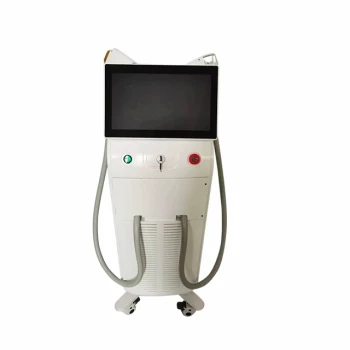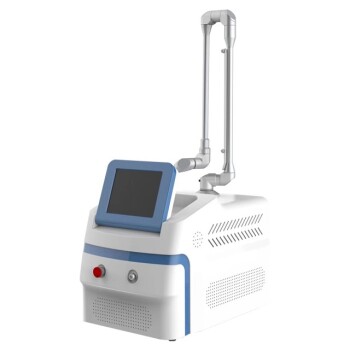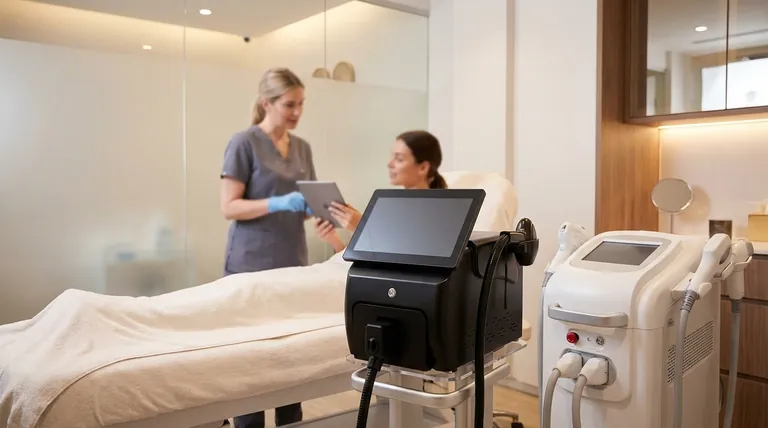
Clinics investing in hair removal and skin rejuvenation technologies face a critical decision: diode lasers or intense pulsed light (IPL)? Each system offers distinct advantages, but the right choice depends on your practice’s specialization, client demographics, and long-term profitability. This evidence-based guide compares diode and IPL across safety, efficacy, and ROI—helping you align your investment with real-world clinical outcomes.
Diode vs. IPL: Decoding Efficacy Across Skin Types
Melanin Absorption Science: Why Wavelengths Define Safety and Results
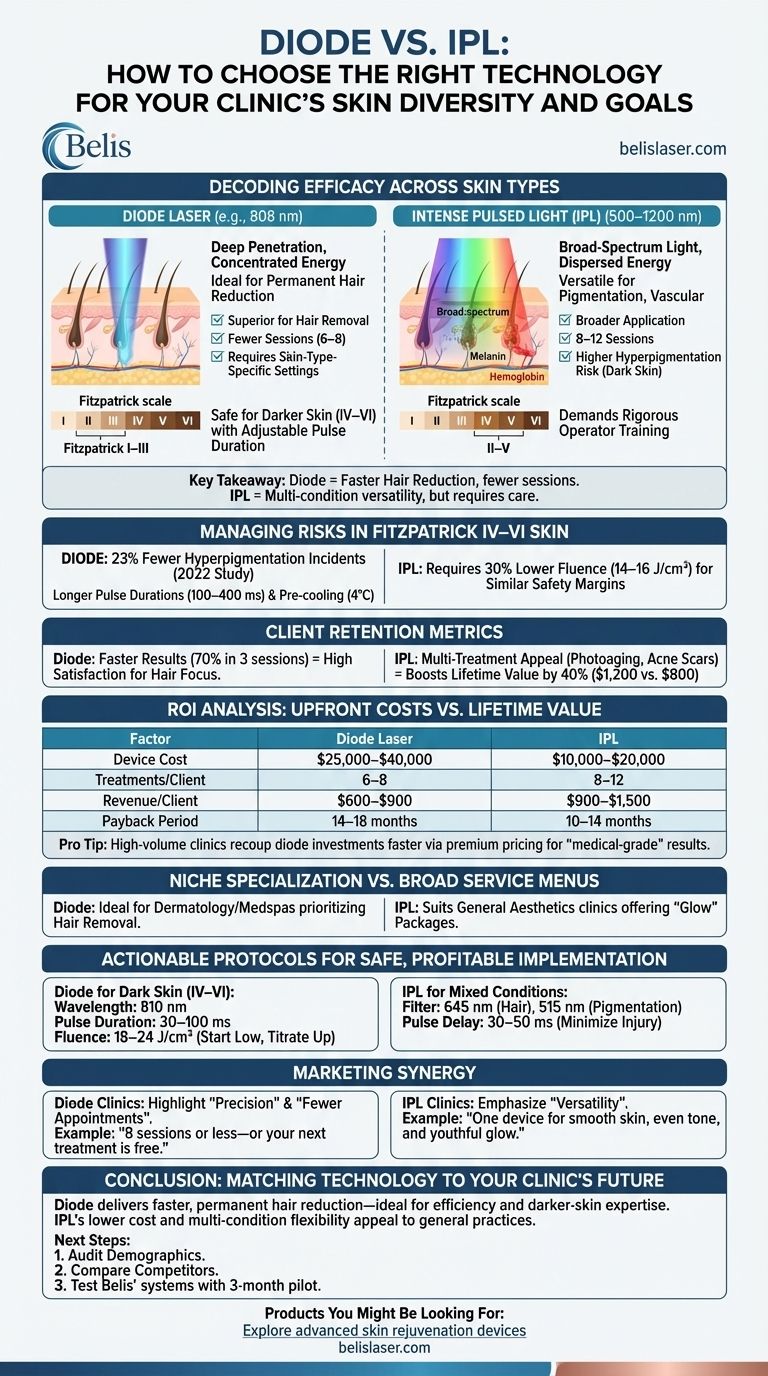
Diode lasers (e.g., 808 nm wavelength) penetrate deeper with concentrated energy, targeting melanin in hair follicles while minimizing scatter. This makes them ideal for permanent hair reduction, especially for Fitzpatrick I–III skin tones. However, newer diode systems with adjustable pulse durations can safely treat darker skin (Fitzpatrick IV–VI) by reducing melanin competition.
IPL’s broad-spectrum light (500–1200 nm) disperses energy across multiple chromophores (melanin, hemoglobin). While versatile for treating pigmentation or vascular lesions, its scattered energy increases hyperpigmentation risks for darker skin unless carefully calibrated.
Key Takeaway:
- Diode: Superior for hair removal with fewer sessions (6–8 vs. IPL’s 8–12) but requires skin-type-specific settings.
- IPL: Broader application for multi-condition treatments but demands rigorous operator training to avoid adverse effects.
Ever wondered why some clients need more sessions despite similar hair density? The answer lies in wavelength precision.
Case Study: Managing Hyperpigmentation Risks in Fitzpatrick IV–VI Skin
A 2022 Dermatologic Surgery study found diode lasers caused 23% fewer hyperpigmentation incidents than IPL in darker skin when using:
- Longer pulse durations (e.g., 100–400 ms) to reduce thermal damage
- Pre-cooling protocols (e.g., contact cooling at 4°C)
IPL required 30% lower fluence (14–16 J/cm² vs. diode’s 18–22 J/cm²) to achieve similar safety margins.
Client Retention Metrics: Fewer Sessions vs. Multi-Treatment Appeal
Diode’s faster results (70% hair reduction in 3 sessions) improve client satisfaction for hair-focused clinics. However, IPL’s ability to address photoaging or acne scars may attract clients seeking bundled services—boosting lifetime value by 40% (average $1,200/client vs. diode’s $800).
Cost and Clinic Positioning Strategies
ROI Analysis: Upfront Costs vs. Lifetime Value per Client
| Factor | Diode Laser | IPL |
|---|---|---|
| Device Cost | $25,000–$40,000 | $10,000–$20,000 |
| Treatments/Client | 6–8 | 8–12 |
| Revenue/Client | $600–$900 | $900–$1,500 |
| Payback Period | 14–18 months | 10–14 months |
Pro Tip: High-volume clinics (>200 treatments/month) recoup diode investments faster via premium pricing for “medical-grade” results.
Niche Specialization vs. Broad Service Menus
- Diode: Ideal for dermatology or medspas emphasizing hair removal, especially for lighter skin or specialized dark-skin protocols.
- IPL: Suits general aesthetics clinics offering “glow” packages (e.g., hair removal + pigment correction).
Actionable Protocols for Safe, Profitable Implementation
Skin Tone-Specific Settings: Diode/IPL Calibration Guidelines
Diode for Dark Skin (Fitzpatrick IV–VI):
- Wavelength: 810 nm
- Pulse Duration: 30–100 ms
- Fluence: 18–24 J/cm² (start low, titrate up)
IPL for Mixed Conditions:
- Filter: 645 nm for hair removal, 515 nm for pigmentation
- Pulse Delay: 30–50 ms to minimize epidermal injury
Marketing Synergy: Aligning Technology with Target Client Needs
- Diode Clinics: Highlight “precision” and “fewer appointments” in campaigns. Example: “8 sessions or less—or your next treatment is free.”
- IPL Clinics: Emphasize versatility: “One device for smooth skin, even tone, and youthful glow.”
Conclusion: Matching Technology to Your Clinic’s Future
Diode lasers deliver faster, more permanent hair reduction—ideal for clinics prioritizing efficiency and darker-skin expertise. IPL’s lower upfront cost and multi-condition flexibility appeal to general aesthetics practices.
Next Steps:
- Audit your client demographics (Fitzpatrick distribution, primary concerns).
- Compare local competitors’ service menus to identify gaps.
- Test Belis’ diode and IPL systems with a 3-month pilot program, tracking retention and adverse event rates.
By aligning technology with clinical and business realities, you turn equipment investments into long-term practice growth.
Products You Might Be Looking For:
Explore advanced skin rejuvenation devices
Visual Guide
Related Products
- Trilaser Diode Hair Removal Machine for Beauty Clinic Use
- Diode Tri Laser Hair Removal Machine for Clinic Use
- Clinic Diode Laser Hair Removal Machine with SHR and Trilaser Technology
- Diode Laser SHR Trilaser Hair Removal Machine for Clinic Use
- IPL SHR Hair Removal Machine for Permanent Hair Removal
Related Articles
- Diode Laser Hair Removal: A Personalized Guide for Your Skin & Hair Type
- How Trilaser Hair Removal Works Better for All Skin & Hair Types
- IPL vs. Diode Lasers: Which Delivers Safer, More Profitable Results for Diverse Skin?
- Diode Lasers vs. IPL for Dark Skin: Is the Higher Cost Justified by Safety?
- How SHR's Multi-Wavelength Technology Works for Every Skin and Hair Type