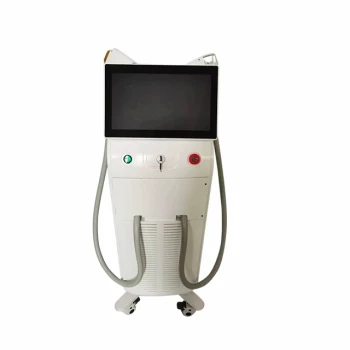
For anyone frustrated with traditional laser hair removal’s limitations—especially for darker skin tones or fine hair—SHR (Super Hair Removal) offers a scientifically validated solution. By combining three precise wavelengths, this technology adapts to melanin levels, hair thickness, and follicle depth, making it universally effective. Here’s how the physics and biology converge to deliver consistent results.
The Physics of Laser-Hair Interaction
Melanin Absorption Rates Across Skin Tones
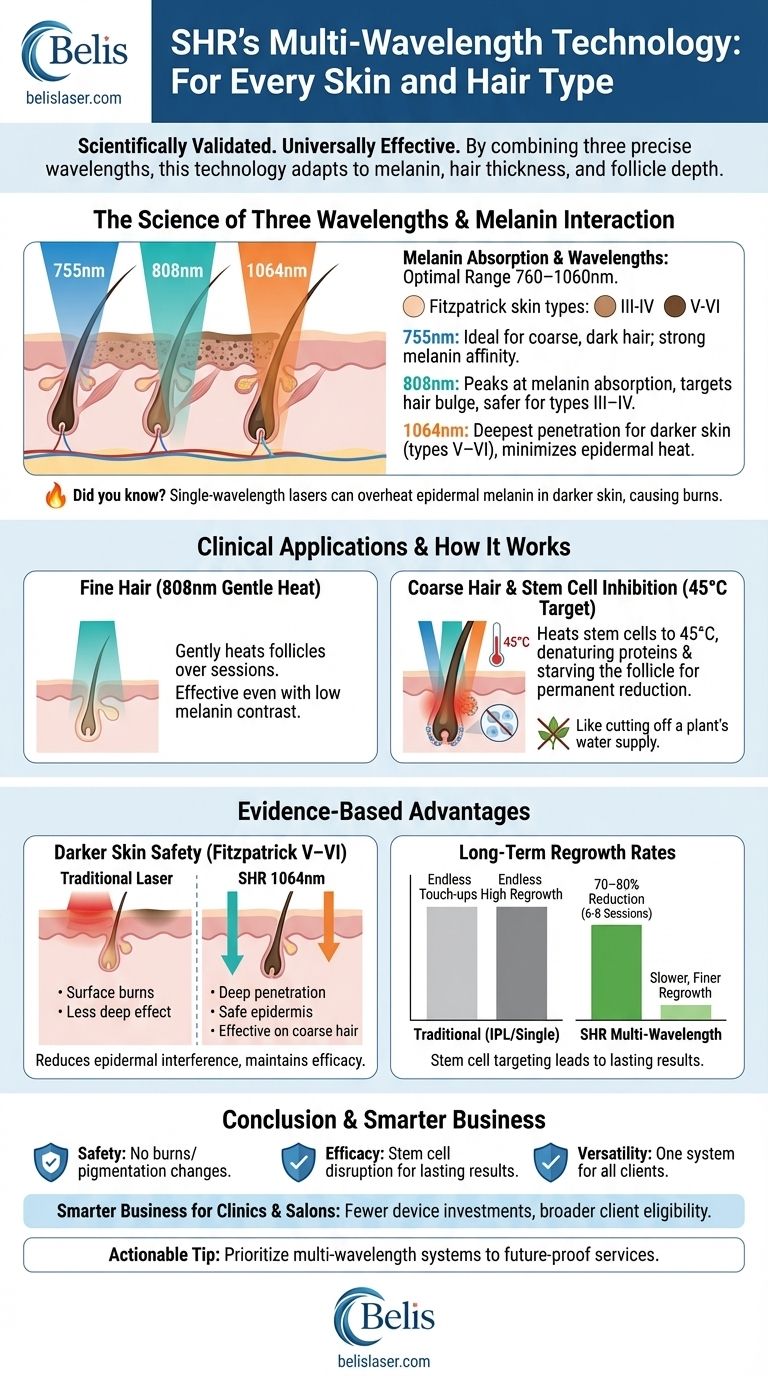
Melanin, the pigment governing hair and skin color, absorbs laser energy differently depending on wavelength. Research shows melanin’s optimal absorption range spans 760–1060 nanometers—a key reason SHR integrates 755nm, 808nm, and 1064nm lasers.
- 808nm: Aligns with melanin’s peak absorption, ensuring efficient energy transfer to the follicle while bypassing epidermal melanin. This reduces burn risks for Fitzpatrick skin types III–IV.
- 1064nm: Penetrates deeper to safely treat darker skin (types V–VI) by minimizing surface-level heat buildup.
Ever wondered why some lasers cause burns on darker skin? It’s often due to single-wavelength systems overheating epidermal melanin.
Wavelength-Specific Targeting of Hair Structures
Each wavelength serves a distinct purpose:
- 755nm: Ideal for coarse, dark hair due to strong melanin affinity.
- 808nm: Balances follicle destruction and skin safety, reaching the critical hair bulge (where regenerative stem cells reside).
- 1064nm: Deep penetration for coarse hair on darker skin, avoiding collateral damage.
Think of these wavelengths as a surgical team: each member targets a specific "layer" of the problem.
Clinical Applications for Diverse Demographics
Fine Hair Removal Without Skin Damage
Traditional lasers struggle with fine or light hair because they rely on melanin contrast. SHR’s 808nm wavelength gently heats follicles over multiple sessions, disabling growth without relying on pigment density.
Coarse Hair and Stem Cell Inhibition
Permanent reduction requires disabling the hair bulge’s stem cells, which supply nutrients for regrowth. SHR heats these cells to 45°C, denaturing their proteins and starving the follicle—like cutting off a plant’s water supply.
Did you know? Even thick hair can regrow if stem cells survive. That’s why many lasers fail long-term.
Evidence-Based Advantages
Case Study: SHR on Fitzpatrick Skin Types V–VI
Clinical trials show SHR’s 1064nm wavelength safely treats darker skin by:
- Reducing epidermal melanin interference.
- Maintaining efficacy on coarse hair.
Long-Term Regrowth Rates vs. Traditional Lasers
While IPL and single-wavelength lasers require endless touch-ups, SHR’s stem cell targeting leads to:
- 70–80% reduction after 6–8 sessions.
- Slower, finer regrowth when it occurs.
Conclusion: A Future-Proof Approach to Hair Removal
SHR’s multi-wavelength design mirrors the diversity of human biology. Whether you’re treating fine blonde hair or coarse curls on deep skin tones, the science ensures:
- Safety: No burns or pigmentation changes.
- Efficacy: Stem cell disruption for lasting results.
- Versatility: One system for all clients.
For clinics and salons, this means fewer device investments and broader client eligibility. It’s not just better technology—it’s smarter business.
Actionable Tip: When choosing equipment, prioritize multi-wavelength systems like those branded under Belis to future-proof your services against evolving consumer needs.
Products You Might Be Looking For:
Explore advanced hair removal systems
Visual Guide
Related Products
- Trilaser Diode Hair Removal Machine for Beauty Clinic Use
- Diode Tri Laser Hair Removal Machine for Clinic Use
- Clinic Diode Laser Hair Removal Machine with SHR and Trilaser Technology
- Diode Laser SHR Trilaser Hair Removal Machine for Clinic Use
- Clinic Use IPL and SHR Hair Removal Machine with Nd Yag Laser Tattoo Removal
Related Articles
- How Diode Lasers Outperform IPL for Safe Hair Removal on Darker Skin
- Diode Lasers vs. IPL for Dark Skin: Is the Higher Cost Justified by Safety?
- The Science Behind Multiple Laser Hair Removal Sessions: How Hair Growth Cycles Dictate Treatment Success
- Diode vs. IPL: How to Choose the Right Technology for Your Clinic’s Skin Diversity and Goals
- How to Choose Between IPL and Diode Lasers for Different Skin Types