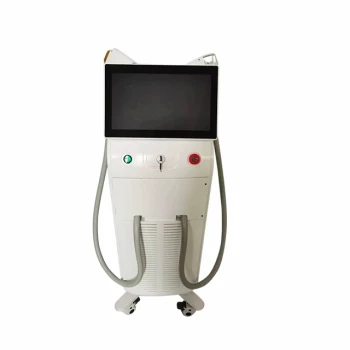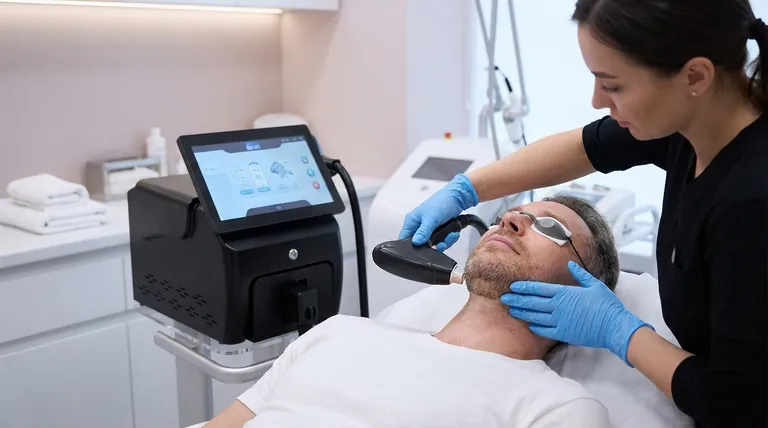
For those struggling with persistent ingrown hairs, beard folliculitis, or pseudofolliculitis, traditional hair removal methods often exacerbate irritation. Trilaser hair removal offers a targeted solution by combining three laser wavelengths to eliminate hair at the root while reducing inflammation—delivering clearer skin with long-term results.
How Trilaser Addresses Common Hair-Related Skin Conditions
Understanding Ingrown Hairs and Folliculitis
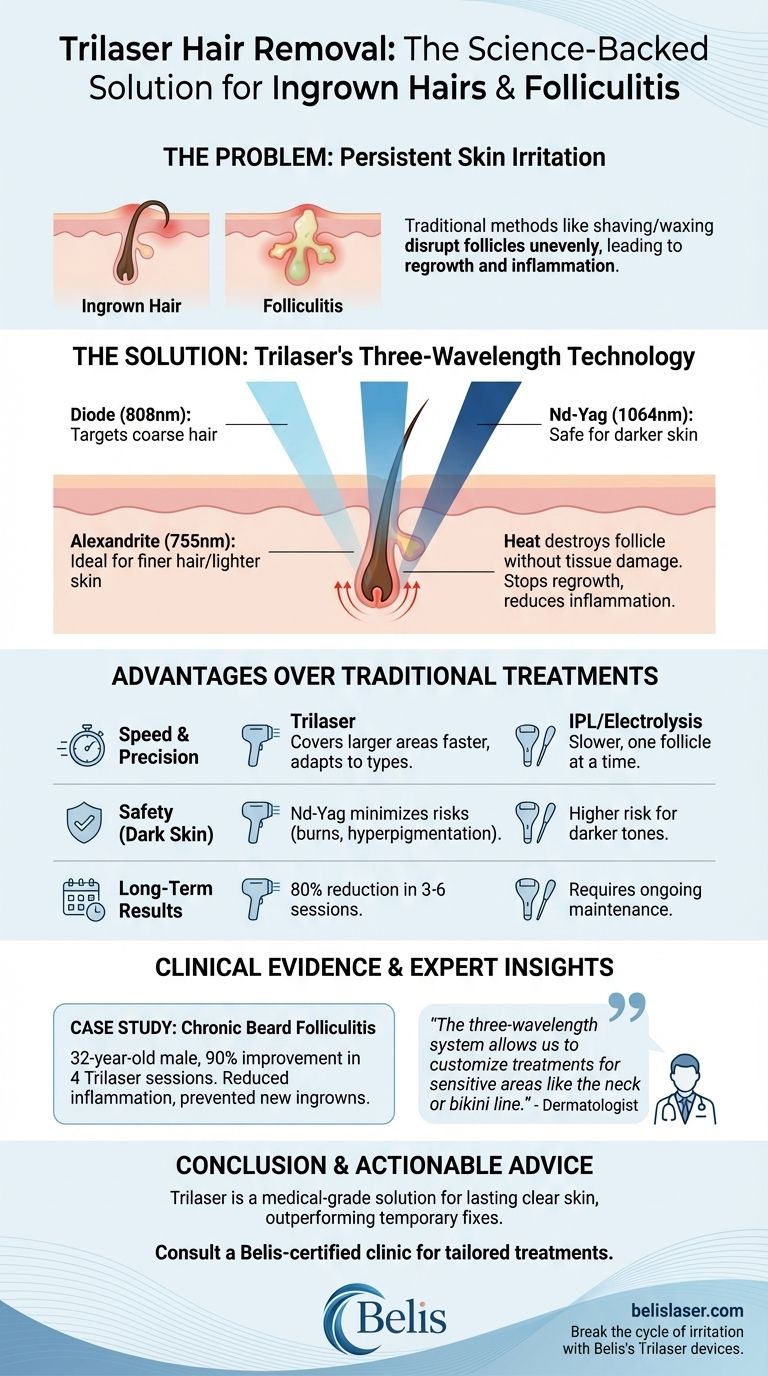
Ingrown hairs occur when shaved or waxed hairs curl back into the skin, causing redness, bumps, and even infection (folliculitis). Pseudofolliculitis, common in curly-haired individuals, worsens with repeated shaving.
Ever wondered why tweezing or waxing often makes these conditions worse? These methods disrupt the hair follicle unevenly, leaving fragments that regrow sideways.
The Science Behind Trilaser’s Effectiveness
Trilaser’s three-wavelength technology (Diode, Alexandrite, and Nd-Yag) targets melanin in hair follicles with precision:
- Diode laser (808 nm): Penetrates deep to treat coarse hair.
- Alexandrite laser (755 nm): Ideal for finer hair and lighter skin.
- Nd-Yag laser (1064 nm): Safely treats darker skin tones.
The absorbed light energy converts to heat, destroying the follicle without damaging surrounding tissue. This stops regrowth and reduces inflammation—key for healing folliculitis.
Comparative Advantages of Trilaser Over Traditional Treatments
Speed, Precision, and Long-Term Results
- vs. IPL: While IPL reduces ingrown hairs over time, Trilaser’s multi-wavelength approach adapts to different hair and skin types in fewer sessions.
- vs. Electrolysis: Electrolysis treats one follicle at a time; Trilaser covers larger areas faster.
Safety and Suitability for Different Skin Types
Trilaser’s Nd-Yag wavelength minimizes risks for darker skin (hyperpigmentation, burns), unlike IPL or traditional lasers.
Think about it: Would you choose a method that requires monthly upkeep or one that offers 80% reduction in 3–6 sessions?
Patient Success Stories and Clinical Evidence
Case Study: Resolving Chronic Beard Folliculitis
A 32-year-old male with recurrent beard folliculitis saw a 90% improvement after four Trilaser sessions. The Nd-Yag laser reduced inflammation while preventing new ingrown hairs.
Dermatologist Insights on Trilaser
Dermatologists highlight Trilaser’s versatility:
"The three-wavelength system allows us to customize treatments for sensitive areas like the neck or bikini line, where folliculitis is common."
Conclusion: Why Trilaser Stands Out
Trilaser hair removal isn’t just about smooth skin—it’s a medical-grade solution for chronic ingrown hairs and folliculitis. By combining precision, safety, and lasting results, it outperforms temporary fixes.
Actionable Advice: Consult a Belis-certified clinic to assess your skin and hair type. Treatments are tailored for your needs, ensuring optimal results.
Ready to break the cycle of irritation? Explore Belis’s Trilaser devices for your practice or salon to offer clients a science-backed solution.
Products You Might Be Looking For:
Explore advanced hair removal solutions
Visual Guide
Related Products
- Trilaser Diode Hair Removal Machine for Beauty Clinic Use
- Diode Tri Laser Hair Removal Machine for Clinic Use
- Clinic Diode Laser Hair Removal Machine with SHR and Trilaser Technology
- Diode Laser SHR Trilaser Hair Removal Machine for Clinic Use
- Multifunctional Laser Hair Growth Machine Device for Hair Growth
Related Articles
- How SHR's Multi-Wavelength Technology Works for Every Skin and Hair Type
- The Science Behind Multiple Laser Hair Removal Sessions: How Hair Growth Cycles Dictate Treatment Success
- Diode vs. IPL: How to Choose the Right Technology for Your Clinic’s Skin Diversity and Goals
- IPL vs. Diode Lasers: Which Delivers Safer, More Profitable Results for Diverse Skin?
- Multilaser vs. Alexandrite Hair Removal: Which Offers Better Safety, Comfort & Skin Benefits?