Within 8 hours on working days, 24 hours on holidays
Propolis Tools & Equipment
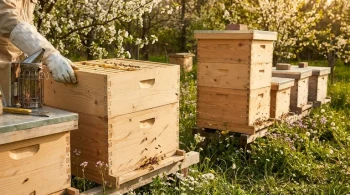
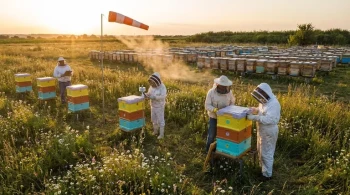
Propolis is a vital biological resin used by bees to seal and protect the hive, and with HONESTBEE’s specialized collection tools, commercial apiaries can harness this high-value resource efficiently. Our equipment is designed to facilitate the harvesting of clean propolis, rich in antibacterial and antiviral compounds suitable for medical dressings and food preservation coatings.
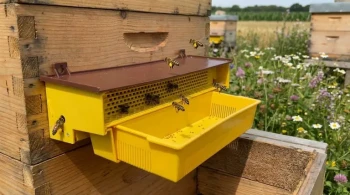
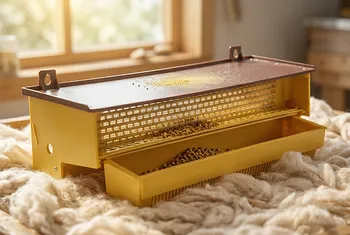
In this category, we offer high-performance 8-Frame and 10-Frame Propolis Trap Collector Screens. These screens are engineered to utilize the natural behavior of bees to fill gaps, ensuring a high-yield harvest without compromising hive health. Whether you are scaling a commercial operation or supplying professional beekeepers, our tools provide the precision needed to extract the complex compounds found in raw propolis, transforming your apiary from a honey-focused business into a diversified producer of premium bee-derived bio-materials. Our collector screens are durable, reusable, and designed for seamless integration into standard hive setups.
Professional Propolis Harvesting: Engineering, Sustainability, and Commercial Growth
In the competitive landscape of modern beekeeping, diversification is the key to long-term sustainability and profitability. HONESTBEE’s Propolis Tools & Equipment are designed to help commercial beekeepers move beyond simple honey production into the lucrative market of bioactive bee products. Propolis, often referred to as "bee glue," is a complex mixture of resins, waxes, and essential oils that honeybees collect from tree buds. In the hive, it serves as a high-performance biological adhesive and protective layer, maintaining the colony's social immunity. When extracted using our specialized professional-grade tools, this propolis retains over 149 complex compounds, making it a sought-after raw material for the pharmaceutical, cosmetic, and food-preservation industries.
The Science and Principle of Propolis Collection
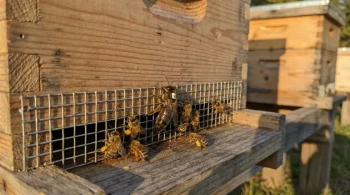
The fundamental principle behind our propolis collection equipment is the exploitation of the honeybee’s natural instinct to seal small gaps and cracks within the hive to prevent drafts and the entry of pests. Standard propolis traps, such as our 8-frame and 10-frame collector screens, are designed with specific slot dimensions that are too small for a bee to pass through but large enough to be perceived as a structural flaw that needs sealing.
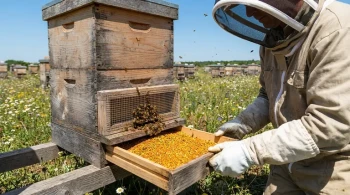
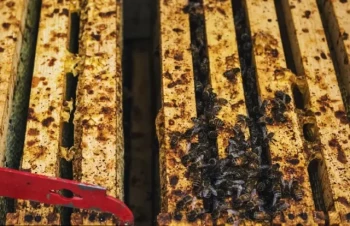
By replacing the inner cover with a HONESTBEE collector screen, beekeepers encourage the colony to fill these gaps with high-purity propolis rather than beeswax. This method ensures that the harvested material is free from wood chips, paint flakes, and other hive debris typically found in "scraped" propolis. Furthermore, our tools support ethical and sustainable harvesting. The principle involves assessing the strength of each colony; we recommend harvesting only from hives that demonstrate an abundance of resin collection. Our guidelines emphasize stopping collection in the late fall to ensure the bees can use their own propolis to waterproof and insulate the hive for the winter months, safeguarding the colony's health for the following season.
Key Characteristics of HONESTBEE Propolis Tools
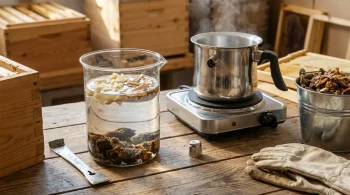
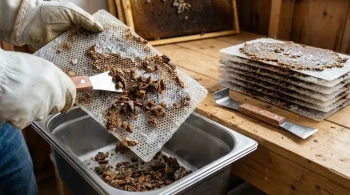
High-Grade Material Composition: Our collector screens are manufactured from food-grade, flexible plastics. This flexibility is crucial for the harvesting process. Once the trap is full, it can be removed and placed in a freezer. The cold makes the propolis brittle, allowing it to be easily flexed and popped off the screen without damaging the equipment or contaminating the product.
Precision Engineering: The spacing in our 8-frame and 10-frame traps is calibrated to maximize propolis deposition while maintaining proper hive ventilation. This precision ensures that the bees focus on propolis production rather than burr comb construction.
Durability for Commercial Use: Designed for the rigors of commercial apiaries, our tools withstand repeated freezing and cleaning cycles, providing a low cost-per-use and high return on investment.
Optimized Airflow Management: Unlike DIY methods, our professional screens ensure that while gaps are filled, the overall environmental equilibrium of the hive is not dangerously disrupted, preventing heat stress during summer months.
Strategic Advantages for Distributors and Commercial Apiaries
Integrating HONESTBEE propolis equipment into your supply chain offers a significant competitive edge.
Economic Diversification: Honey prices can fluctuate based on global harvests and climate conditions. Propolis, however, commands a high market price due to its pharmaceutical applications. By equipping your hives with traps, you create a secondary, high-margin revenue stream that strengthens your business against market volatility.
Enhanced Bio-Security: Because our traps encourage the bees to build up a fresh layer of propolis, they effectively stimulate the hive's natural antimicrobial defenses. Propolis is the foundation of social immunity, and a well-propolized hive is often a healthier, more resilient hive.
Purity and Compliance: For distributors selling to the medical or health-supplement sector, purity is everything. Harvesting via screens rather than scraping hive bodies ensures the final product meets the stringent requirements for medical dressings and antimicrobial coatings.
Customization and Wholesale Support
At HONESTBEE, we understand that every commercial operation has unique requirements. We offer extensive customization services for our wholesale partners. Whether you require specific dimensions for non-standard hive bodies, customized branding for retail distribution, or specialized material formulations to suit specific climatic conditions, our engineering team is ready to assist.
We pride ourselves on being more than just a supplier; we are a partner in your apiary’s growth. Our deep expertise in hive-making and honey-processing machinery allows us to provide comprehensive advice on how to integrate propolis collection into your existing workflow for maximum efficiency.
Start Your Diversification Journey Today
Are you ready to unlock the full economic potential of your apiary? HONESTBEE is committed to providing the highest quality machinery and consumables to the global beekeeping industry. Our professional propolis tools are the first step toward a more robust and profitable beekeeping enterprise.
Whether you are a large-scale distributor or a commercial apiary manager, we invite you to consult with our experts. We can provide detailed technical specifications, wholesale pricing structures, and customized manufacturing solutions tailored to your specific market needs.
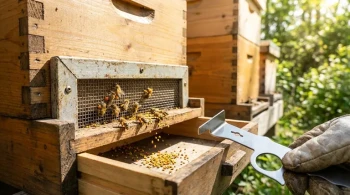
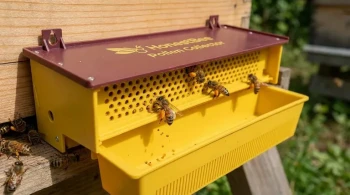
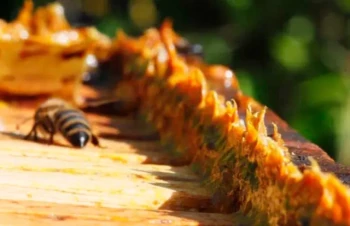
A propolis trap is a reusable piece of equipment that resembles a queen excluder but has smaller holes. Worker bees seal these holes with propolis, which is collected for various uses. The trap is typically placed in the hive in place of the inner cover.
What Are The Applications Of A Propolis Trap?
A propolis trap is used in beekeeping to collect propolis, a resinous substance that bees produce from tree sap. The trap is placed in the hive, and bees fill it with propolis to block the holes, allowing beekeepers to harvest it for use in health products, cosmetics, and other applications.
What Are The Features Of A Propolis Trap?
Propolis traps are designed to be low-cost and reusable. They are made with smaller holes compared to a queen excluder, which encourages bees to fill them with propolis. The collected propolis can vary in color from yellow to dark brown and has different physical properties depending on temperature.
What Are The Advantages Of Using A Propolis Trap?
The advantages of using a propolis trap include its low cost, reusability, and efficiency in collecting clean propolis. It maximizes apiary productivity by providing an eco-friendly tool for propolis harvesting without disturbing the bees significantly.
How Does A Propolis Trap Work?
A propolis trap works by mimicking the structure of a queen excluder but with smaller holes. When placed in the hive, bees naturally seal these holes with propolis to block them. Beekeepers can then remove the trap and harvest the propolis for various uses.
This website uses cookies to enhance your browsing experience,
analyze site traffic, and serve better user experiences. By continuing to use this site, you consent to our use of
cookies. Learn more in our cookie policy.