Toggle Categories
Get Instant Support
Choose your preferred way to connect with our team
-
Get Free Quote Fill out form for detailed pricing
-
Send Email Detailed inquiry support
-
WhatsApp Quick mobile chat
Response Time
Within 8 hours on working days, 24 hours on holidays






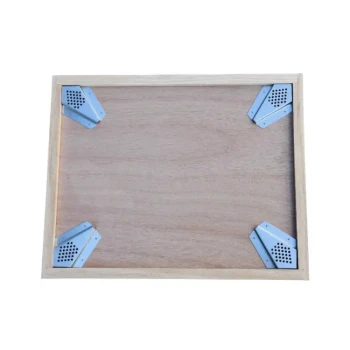
Honey Harvesting Equipment

2 Frame Stainless Steel Manual Honey Spinner Extractor for Beekeeping
Item Number: HE-2M


Manual Hand Crank 4 Frame Honey Extractor Centrifuge for Beekeeping
Item Number: HE-4M

Stainless Steel Manual 8 Frame Radial Honey Extractor Machine for Beehives
Item Number: HE-8M

Plastic Hand Crank 2 Frame Honey Extractor Low Price
Item Number: HE-2MP

HONESTBEE 3-Frame Manual Acrylic Honey Extractor
Item Number: HE-3MT


Electric 4 Frame Tangential Honey Extractor
Item Number: HE-4E

Electric 8 Frame Honey Spinner Extractor Equipment for Beekeeping
Item Number: HE-8E

Commercial Electric 12 Frame Honey Extractor Spinner Motorized Honey Extractor
Item Number: HE-12E

24 Frame Honey Extractor Commercial Radial Honey Frame Extraction Machine
Item Number: HE-24E

Commercial 48-Frame Stainless Steel Honey Extractor
Item Number: HE-48E
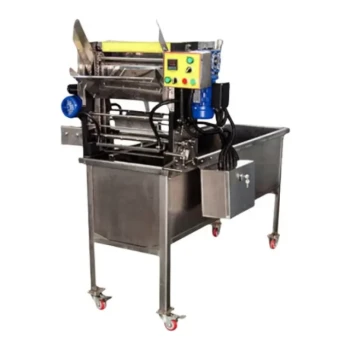
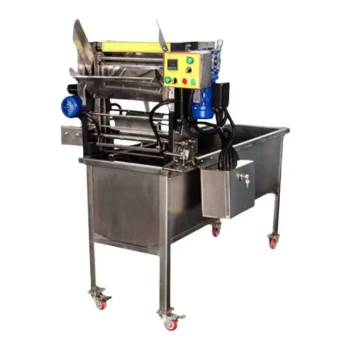
Automatic Honey Frame Uncapper Machine for Beekeeping
Item Number: HUM-1
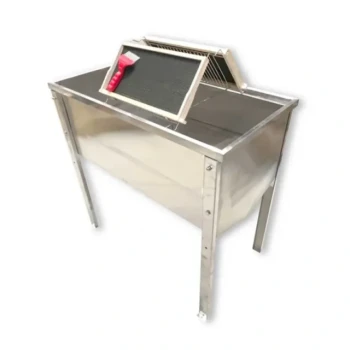
Stainless Steel Uncapping Tank with Stand and Strainer
Item Number: UCT-1

Plastic Honey Uncapping Tub Tank for Beekeeping
Item Number: UCT-2

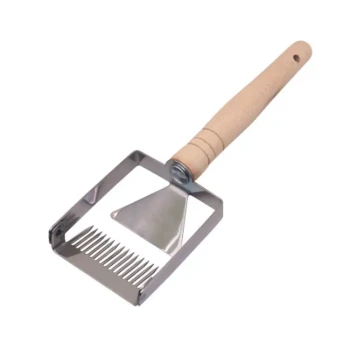
Large Size Honey Uncapping Knife and Scraper for Beekeeping
Item Number: UCK-1

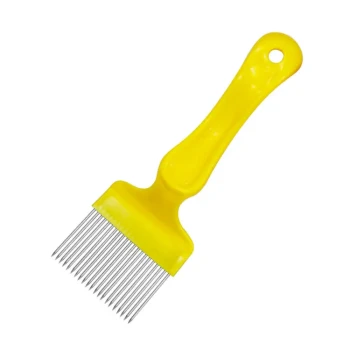
Serrated Honey Uncapping Knife for Beekeeping and Bee Hive Maintenance
Item Number: UCK-2
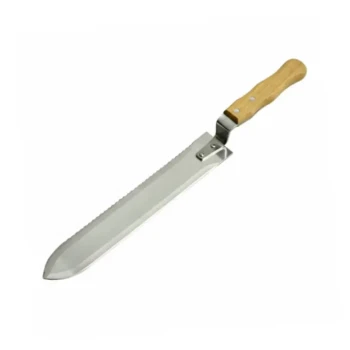
Honeycomb Uncapping Knife for Apiculture
Item Number: UCK-3

Electric Heated Honey Uncapping Knife for Beekeeping
Item Number: UEK-1

Electric Hot Honey Uncapping Knife with Thermostat
Item Number: UEK-3
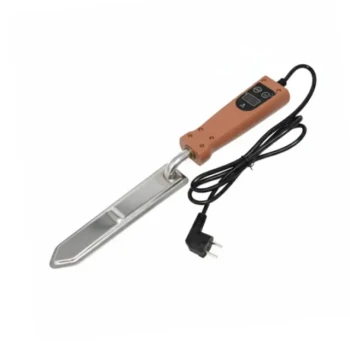
Digital Display Electric Honey Uncapping Knife for Beekeeping and Decapping
Item Number: UEK-2

Stainless Steel Double Layer Honey Strainer Sieve Filters
Item Number: HS-1

Nylon Honey Strainer Square Filter Cloth for Honey Filters
Item Number: HS-2


Stainless Steel Triangle Support Honey Strainer and Filters
Item Number: HS-4

Stainless Steel Heated Honey Tank Warming Heating Tank
Item Number: HHT-1

Honey Tank Heater Drum Heating Blanket for Honey Barrel
Item Number: HHT-2

Silicone Rubber Honey Drum Heating Belt
Item Number: HHT-3

Heart-Shaped Comb Honey Frame and Honeycomb Cassette
Item Number: CHC-1

Plastic Honey Comb Frames Cassette Box for Honey
Item Number: CHC-5
Edit This Page
REQUEST A QUOTE
Our professional team will reply to you within one business day. Please feel free to contact us!
Related Articles
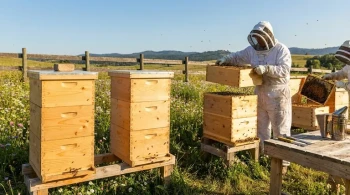
How to Choose Langstroth Hive Box Sizes for Ergonomics, Efficiency, and Bee Health
Learn how to choose Langstroth hive box sizes for ergonomics, efficiency, and bee health. Compare deep, medium, and shallow boxes for optimal beekeeping.
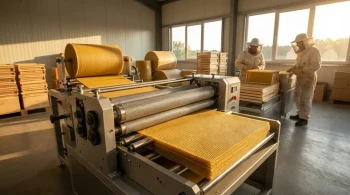
How Fully Automatic Wax Foundation Machines Cut Beekeeping Costs by 40%
Fully automatic wax foundation machines cut beekeeping costs by 40%—reducing labor, energy use, and waste while boosting productivity.
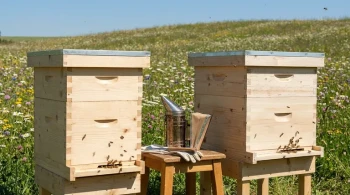
How to Choose Between 8-Frame and 10-Frame Langstroth Boxes for Optimal Beekeeping
Compare 8-frame vs. 10-frame Langstroth boxes for beekeeping: weight, yield, and urban vs. commercial needs. Optimize your hive setup.
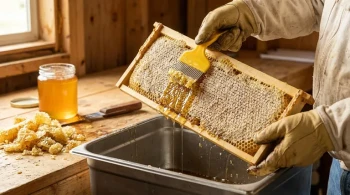
How to Choose and Master Decapping Knives for Optimal Honey Yield
Learn how to choose and use decapping knives for optimal honey yield, comb preservation, and beekeeping efficiency.
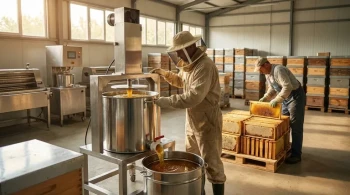
Scaling Honey Production: Industrial Pressing vs Traditional Extraction for Commercial Apiaries
Compare industrial honey presses vs traditional extraction for commercial apiaries. Boost efficiency, reduce labor costs, and maintain quality at scale.
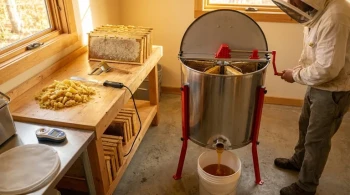
How to Optimize Honey Extraction Without Compromising Quality
Learn field-tested honey extraction methods to maximize yield while preserving quality, from uncapping tools to filtration and bottling.
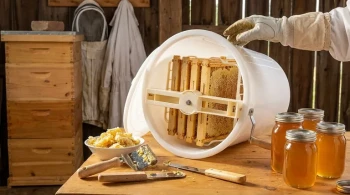
How to Extract Honey Safely Without Damaging Equipment or Hives
Professional honey extraction techniques to maximize yield while protecting combs and hive health. Learn damage-free harvesting and sustainable hive management.
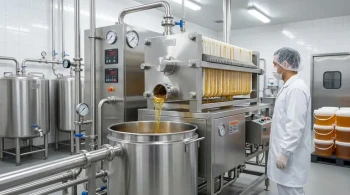
How Professional Honey Filtration Preserves Quality While Meeting Food Safety Standards
Learn professional honey filtration techniques that preserve quality while meeting food safety standards for commercial beekeepers.
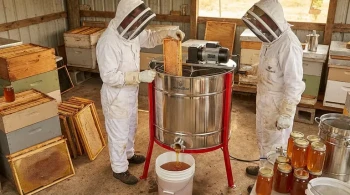
How to Choose the Right Honey Processing Method for Your Apiary
Learn how to choose the best honey processing method for your apiary—balancing quality, efficiency, and budget for small to large-scale operations.
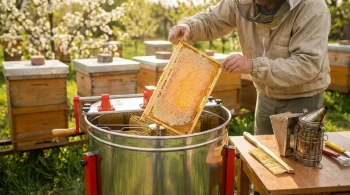
How to Harvest Honey Ethically: Bee-Friendly Techniques for Healthy Colonies
Learn ethical honey harvesting techniques to protect bee colonies while maximizing yield. Discover comb readiness tests, bee-friendly removal methods, and post-harvest care.
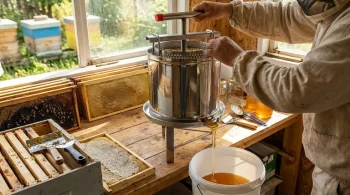
How Honey Screw Presses Solve Hygiene, Durability, and Efficiency Challenges for Small Beekeepers
Modern honey screw presses enhance hygiene, durability & efficiency for small beekeepers with stainless steel designs and space-saving features.
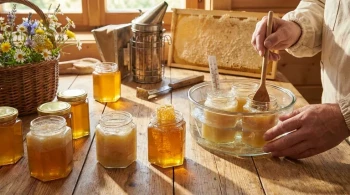
How to Manage Honey Crystallization Without Compromising Quality
Learn how to manage honey crystallization naturally while preserving quality. Discover safe decrystallization methods and storage tips for beekeepers.
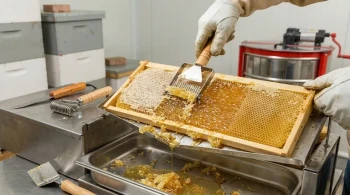
How to Master Wax Cap Removal: Advanced Techniques for Higher Honey Yields
Master wax cap removal techniques to maximize honey yields, preserve comb integrity, and streamline your beekeeping workflow with professional-grade methods.
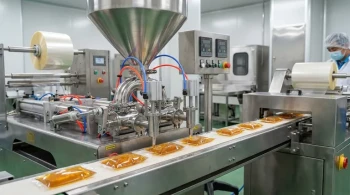
How Small Bag Honey Packaging Machines Solve Industry-Specific Challenges
Specialized small bag honey packaging machines ensure quality, efficiency, and scalability for modern honey producers. Learn how they solve industry challenges.
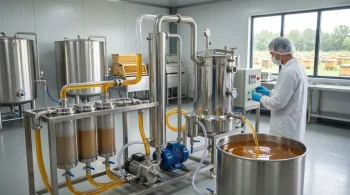
How Honey Filtration Technology Impacts Compliance and Market Value
Learn how modern honey filtration technology ensures compliance, preserves quality, and boosts market value for commercial producers.
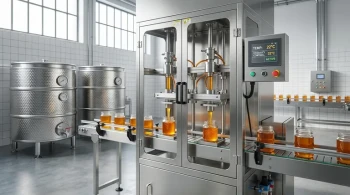
How Advanced Honey Packaging Preserves Quality & Maximizes Profits for Beekeepers
Discover how advanced honey packaging preserves quality, prevents waste, and boosts profits for beekeepers with insulated barrels and precision tech.
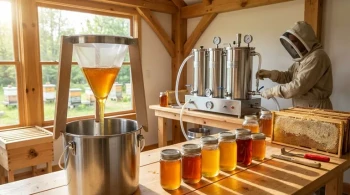
How to Choose the Right Honey Filter for Your Beekeeping Operation
Learn how to choose the right honey filter for beekeeping—compare mesh vs. multi-stage filters for purity, efficiency, and cost.
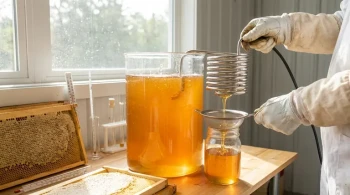
How Honey Filtration Machines Preserve Natural Quality and Boost Beekeeper Profits
Learn how honey filtration machines preserve enzymes and boost profits by maintaining raw honey's natural quality without heat damage.
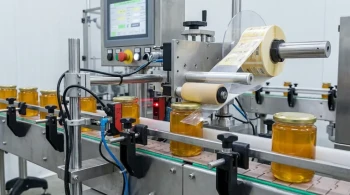
Beyond the Conveyor: The Hidden Physics of a Flawless Honey Label
Discover the intricate system behind automatic labeling—a balance of mechanics, timing, and psychology crucial for high-speed product presentation.
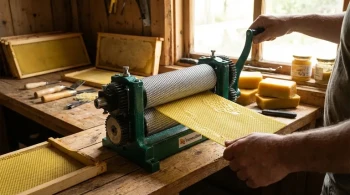
Beyond the Crank: The Strategic Control of Manual Honeycomb Embossing
Explore how manual honeycomb embossers give commercial beekeepers strategic control over wax purity, cell size, and hive biosecurity.