Products Hives & Components Hive kits
Toggle Categories

Get Instant Support

Choose your preferred way to connect with our team

Response Time

Within 8 hours on working days, 24 hours on holidays

Hive kits

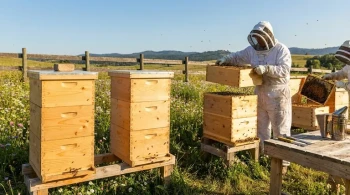
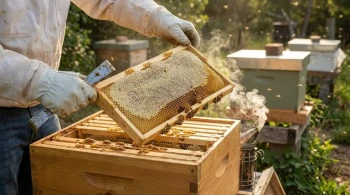
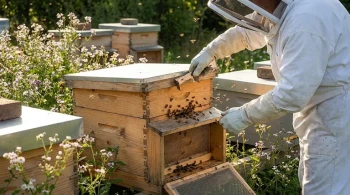
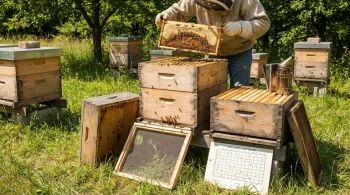
Our Hive Kits category offers a comprehensive selection of housing solutions tailored for both commercial beekeeping operations and specialized distributors. We provide the industry-standard Langstroth Beehives (including Australian and horizontal styles) for maximum efficiency, and the traditional Dadant Bee Hives preferred in European markets. For those prioritizing natural colony management, our Kenya Top Bar Hives and Long Langstroth Style Hives offer sustainable alternatives. We also feature cutting-edge technology like the Automatic Honey Flow Beehives for simplified extraction and Insulated Plastic Bee Hives made from food-grade HDPE for superior thermal regulation. Whether you are supplying beginners or managing thousands of colonies, our kits are designed for durability, ease of assembly, and peak productivity.


Engineering Excellence in Modern Apiculture: A Deep Dive into HONESTBEE Hive Kits

At HONESTBEE, we understand that a beehive is more than just a box; it is a sophisticated biological housing unit that must balance thermal regulation, structural integrity, and ease of management. Our comprehensive range of hive kits is engineered to meet the rigorous demands of commercial beekeeping while providing distributors with high-quality, marketable solutions for their local regions. By combining traditional woodworking craftsmanship with modern material science, we offer hives that maximize colony health and honey yield.

The Versatility of Langstroth Systems

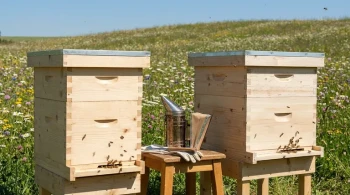
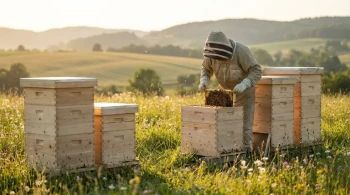
The Langstroth hive remains the backbone of the global beekeeping industry. Our Australian Langstroth Beehive Boxes are a testament to this legacy, specifically refined for the needs of high-production apiaries. Constructed from premium New Zealand Pine with a standard 20mm thickness, these hives provide the structural rigidity required for stacking multiple supers during a heavy nectar flow. The precision of our manufacturing ensures that the 'bee space' is maintained perfectly, preventing the excessive buildup of propolis and burr comb that can hinder inspections.

For those serving the beginner market or expanding commercial operations, our Langstroth Bee Keeping Boxes offer a customizable entry point. These kits can be treated with wax dipping or high-grade paints to extend their lifespan in the field. The modular nature of the Langstroth system allows beekeepers to scale their operations seamlessly, adding honey supers as the colony grows.

Traditional and Specialized Hive Designs

While the Langstroth system dominates, regional preferences and specific management styles necessitate variety.

  1. Dadant Bee Hives: Widely popular in Europe, the Dadant hive features a larger brood chamber than the standard Langstroth. Our wholesale Dadant kits are crafted from durable Fir wood, chosen for its natural breathability and excellent insulation properties. The larger frame size of the Dadant hive allows for a more significant winter food reserve and a larger uninterrupted brood nest, which is often preferred by breeders and honey producers in colder climates.
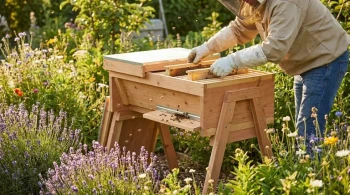
  2. Kenya Top Bar Hives (KTBH): For beekeepers focused on sustainable and low-intervention practices, the Top Bar Hive is an ideal solution. Unlike tiered systems, the KTBH allows bees to build natural comb hanging from simple top bars. This mimics the bees' natural environment in hollow trees and eliminates the need for plastic foundation. Our Top Bar Hives are favored for their ergonomic design, as they require no heavy lifting of boxes.
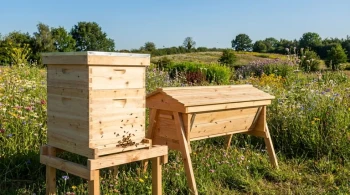
  3. Long Langstroth Horizontal Hives: This design combines the standardized frame dimensions of the Langstroth with the horizontal management style of the Top Bar hive. It is an excellent option for commercial apiaries looking to reduce physical strain on workers while maintaining compatibility with standard extraction equipment.

Innovation: Automatic Flow and Insulated Plastic Solutions

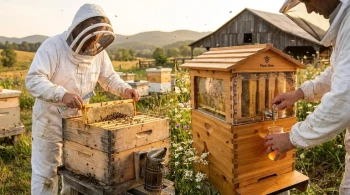
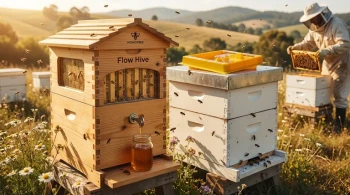
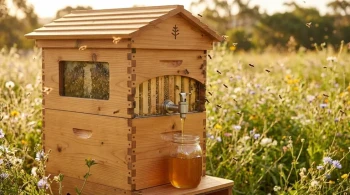
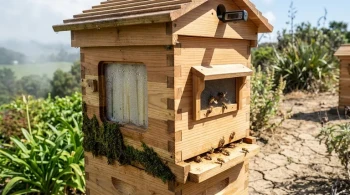
HONESTBEE is at the forefront of beekeeping technology. Our Automatic Honey Flow Beehives revolutionize the extraction process. Utilizing a unique frame design where the bees complete the honeycomb with wax, beekeepers can simply turn a 'Flow Key' to split the cells vertically, allowing the honey to flow directly into jars without opening the hive or disturbing the bees. This technology drastically reduces the labor associated with honey harvesting and is a high-demand product for hobbyists and garden beekeepers.

Furthermore, our Professional Insulated Plastic Bee Hives address the challenges of extreme weather. Manufactured from food-grade HDPE (High-Density Polyethylene) with a double-walled, insulated core, these hives provide a stable internal microclimate. They prevent heat stress in summer and reduce metabolic consumption of winter stores, leading to higher survival rates and faster spring buildup. Plastic hives are also lightweight, rot-proof, and easy to sanitize, making them a favorite for commercial pollination services where hives are frequently moved.

The HONESTBEE Advantage: Customization and Quality Assurance

As a dedicated wholesale partner, we go beyond simply providing equipment. We offer extensive customization services to help distributors stand out in their markets. This includes custom branding, specialized dimensions, and tailored material selections (such as switching between Pine, Fir, or Cedar).

Every kit we produce undergoes strict quality control. From the moisture content of the wood—crucial for preventing warping—to the precision of the dovetail joints, we ensure that every component fits perfectly. We recognize that in a commercial setting, time is money. Hives that assemble quickly and last for decades represent a significant return on investment.

Why Partner with HONESTBEE?

Our portfolio is designed to be a one-stop-shop for distributors and large-scale apiaries. We don't just sell hives; we provide the infrastructure for success. Whether you need the aesthetic appeal of traditional wooden hives or the high-tech efficiency of insulated plastic and automatic flow systems, HONESTBEE has the manufacturing capacity to fulfill your needs.

Our deep industry knowledge allows us to advise on the best products for your specific climate and market demographic. We are committed to supporting the global bee population by providing the tools beekeepers need to keep their colonies thriving and productive.

Ready to upgrade your inventory or expand your commercial apiary? Our team of experts is standing by to provide technical specifications, bulk pricing, and customization options tailored to your business goals. Contact us today via our inquiry form to discuss how HONESTBEE can support your growth in the beekeeping industry.

FAQ

What Are The Applications Of A Langstroth Hive?

Langstroth hives are primarily used for honey production and colony management. Their standardized dimensions and modular design make them ideal for both novice and commercial beekeepers. They promote healthy bee behavior and comb construction through the use of movable frames and proper bee space.

What Are The Main Applications Of Wooden Bee Hives?

Wooden bee hives are widely used in beekeeping for their natural and renewable properties. They provide a familiar and comfortable environment for bees, enhance the flavor and aroma of honey, and are easy to disassemble for storage and maintenance. Additionally, they are environmentally friendly and generally more affordable and lighter than plastic hives.

What Are The Main Types Of Honey Bee Boxes?

The main types of honey bee boxes include 5 Frame Wooden Nuc Box, Langstroth Honey Bee Box, 5 Frame Langstroth Poly Nuc Box, 10 Frame Australian Langstroth Beehive Box, Plastic Insulated Bee Hive Box, Twin Queen Styrofoam Honey Bee Nuc, and Dadant Size Wooden Bee Hive.

What Is The Principle Of Bee Hive Supply In Mild Climates?

In mild climates, the condensing principle involves heavily insulating the tops of hives while leaving the walls non-insulated and providing openings at the bottom. Moist air condenses on the cooler hive walls, runs down these walls, and drips out through the bottom openings, effectively managing moisture within the hive.

What Are The Common Uses Of A Hive Box?

A hive box is commonly used for scraping propolis and burr comb off the hive, prying apart boxes (supers) joined by wax or propolis, scraping debris off the hive’s floorboards, cleaning honey and beeswax off frames during extraction, levering open covers glued shut with propolis, banging loose nails into wood, loosening frames that are attached, opening bee packages and nucs, scraping out bee stingers without releasing venom, opening a bee smoker that’s jammed shut, and separating vertical hive components.

What Is A Hive Tool Used For In Beekeeping?

A hive tool is a specialized pry bar used by beekeepers to separate hive parts glued together with propolis by honeybees. It is also used to scrape off unwanted propolis and burr comb. It is essential for inspecting and maintaining the hive.

What Is The Principle Of A Top Bar Hive?

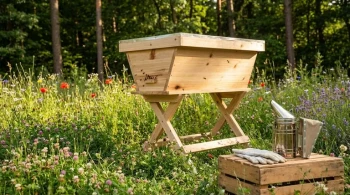
A top bar hive typically consists of four legs, a box, and a top. The top protects the hive from rain and wind, while the box contains bars of comb suspended from a frame. Each bar can be removed individually for inspection. The hive is elevated to waist height, and many designs include a starter strip to help bees build their comb from the top down, similar to how they would in the wild. In the top-bar hive system, simple box hives are built with wooden slats (bars) laid across the top. Bees attach their wax comb to these bars.

What Are The Applications Of A Flow Beehive?

A flow beehive is primarily used for sustainable beekeeping and easy honey extraction. It is designed to be beginner-friendly and eco-friendly, making it ideal for those starting their beekeeping journey or managing backyard beekeeping.

What Are The Main Applications Of An Automatic Beehive?

Automatic beehives are primarily used for backyard beekeeping, making honey extraction easier and more efficient. They are ideal for beginners and sustainable beekeeping practices, offering a bee-friendly and stress-free experience.

What Are The Main Applications Of Plastic Bee Hives?

Plastic bee hives are widely used in beekeeping for their durability and ease of management. They are ideal for enhancing hive productivity, efficient temperature regulation, and are particularly suited for queen rearing, garden beekeeping, and improving pollination efficiency.

What Are The Main Applications Of Polystyrene Bee Hives?

Polystyrene bee hives are primarily used for beekeeping due to their excellent insulation properties, durability, and lightweight nature. They are ideal for maintaining optimal hive temperatures, improving honey production, and ensuring bee health. They are also suitable for various beekeeping activities such as queen rearing, garden beekeeping, and hive management.

What Are The Main Applications Of Small Bee Hives?

Small bee hives are primarily used in beekeeping to house bee colonies, facilitate honey production, and support the natural progression of brood development. They are ideal for backyard beekeepers and are designed to prevent swarming or absconding due to insufficient space.

What Are The Key Features Of A Langstroth Hive?

A Langstroth hive features movable frames that hang vertically in the boxes, stacked boxes of various sizes (with bottom boxes for bees and their brood), an inner cover board, and a bottom board with an entrance. It is designed to house the colony’s brood, honey, and other food supplies, with deep boxes at the bottom for brood and supers on top for honeycomb.

What Are The Key Features Of Wooden Bee Hives?

Wooden bee hives offer a safe and insulated space for bees, protecting them from extreme temperatures and reducing stress, which is crucial for honey production. They are made from natural materials, provide proper ventilation, and are highly durable, often lasting for decades.

What Are The Advantages Of Using Honey Bee Boxes?

The advantages of using honey bee boxes include widespread availability, reduced risk of disease and pests, cost-effectiveness, and ease of handling for new beekeepers. They also provide natural insulation, breathability, and efficient temperature regulation.

What Are The Advantages Of Using A Bee Hive Stand?

Using a bee hive stand has several advantages: it raises the hive off the ground, which prevents rainwater and moisture from seeping into the hive, keeps the hive entrance further from grass to reduce pest intrusion, and makes the hive easier to access, reducing strain on the beekeeper's back and shoulders during maintenance. Additionally, it saves your back by reducing the need to bend and lift heavy hive boxes, makes a comfortable home for the bees by keeping the hive dry and safe from moisture issues, and protects the hive from predators and pests by elevating it off the ground.

What Are The Features Of A Hive Box?

A regular hive tool is essentially a smaller, flatter version of a crowbar. It has a long end for leverage and a smaller curved edge for prying in tight spaces. It typically costs between $8-15. A hive tool focuses on the essentials and has everything you need to do a complete hive inspection.

What Are The Main Features Of A Hive Tool?

A hive tool is a multi-tool used in beekeeping for opening the hive, lifting and shifting frames or other hive parts, scraping away wax and propolis, and prying out or re-setting loose nails or staples. It is made of tempered steel and is typically 20 to 25 cm long, with a flattened end and a bent end for prying frames.

What Are The Advantages Of A Top Bar Hive?

The advantages of a top bar hive include no heavy lifting, as the hive does not grow taller or shorter, and it can be placed at a comfortable height. It is also less invasive for the bees, as inspections involve removing only a few bars at a time, leaving most of the 'roof' intact. This design also promotes natural beekeeping practices, as it does not use foundations, queen excluders, or drone frames. Top bar hives are easier to manage and typically cost less than vertical modular hives, which require more parts and are more expensive.

What Are The Key Features Of An Automatic Beehive?

An automatic beehive typically includes components like a bottom board, deep hive box (brood box) with frames and foundation, an inner cover, and a top cover. As the bee colony grows, additional boxes can be added for more space and honey harvesting.

What Types Of Plastic Bee Hives Are Available?

There are several types of plastic bee hives available, including insulated plastic bee hive boxes made from food-grade HDPE for better temperature regulation and 4-frame plastic nuc boxes that are lightweight, durable, and stackable, perfect for various beekeeping activities.

What Are The Key Features Of Polystyrene Bee Hives?

Polystyrene bee hives are known for their high R-value, indicating superior insulation properties. They are durable, require no painting, and are practically maintenance-free. These hives are designed to be strong and efficient, making them a reliable choice for beekeepers.

What Are The Key Features Of Small Bee Hives?

Small bee hives are designed to provide sufficient space for the brood nest and honey storage. They are typically compact, with dimensions as small as 22 inches long, 16 inches wide, and 10 inches tall. They also support the use of small cell bees, which are healthier and more productive.

What Is The Principle Behind The Langstroth Hive?

The Langstroth hive supports a healthy, thriving hive of pollinators, which benefits nature by promoting pollination and biodiversity. It is designed to hold removable frames, typically made of wood or plastic, which allow for easy inspection and manipulation of the hive. The frames contain a foundation on which the bees build their comb.

What Are The Advantages Of Using A Wooden Bee Hive Cover?

A wooden bee hive cover helps prevent condensation that can harm bees, reduces heat loss to keep the hive warm, absorbs and retains heat from the sun, and increases the winter survival rate of the colony. This leads to larger bee populations and more abundant hive products in the spring.

What Materials Are Used To Make Honey Bee Boxes?

Honey bee boxes are made from various materials such as durable China fir, Fir/Pine wood, corrugated plastic (PP), NZ Pine wood, food-grade HDPE, and Styrofoam.

What Types Of Bee Hives Are Available In The Bee Hive Supply Category?

The bee hive supply category includes various types of hives such as Wholesales Dadant Size Wooden Bee Hives, Top Bar Beehives, Langstroth Honey Bee Box Hive Boxes, and Long Langstroth Style Horizontal Top Bar Hives. Each type is designed to meet different beekeeping needs and preferences.

What Types Of Hive Boxes Are Available?

There are several types of hive boxes available, including Plastic Insulated Bee Hive Boxes, Honey Flow Garden Bee Hive, Langstroth Bee Hives, and Langstroth Honey Bee Box Hive Boxes. Each type is designed for specific beekeeping needs and offers unique features such as temperature regulation, easy honey extraction, and customizable options.

What Is The Principle Behind Using A Hive Tool?

The principle behind using a hive tool is its multipurpose functionality. It is used for scraping unwanted burr comb, prying hive boxes apart, picking up frames, and removing nails. It is considered an essential tool for beekeepers to maintain and inspect hives effectively.

What Are The Applications Of A Top Bar Hive?

Early uses of top bar hives include the Greeks using them in terra cotta pots before the invention of fixed frames. Top bar hives lack full framing of comb and have top bars that fit tightly within a protective cover. The frames have a leading edge on their interior side to encourage bees to build parallel combs aligned with the top bar orientation. However, cross combing can occur, making inspection difficult without extensive cutting of comb. This hive is a longitudinal design and is popular among backyard beekeepers who prefer minimal interaction with their bees.

What Are The Advantages Of Using A Flow Beehive?

The advantages of using a flow beehive include easy and bee-friendly honey extraction, reduced strain on the beekeeper’s back and shoulders during maintenance, and improved hive protection from moisture, pests, and predators by elevating the hive off the ground.

How Does An Automatic Beehive Work?

An automatic beehive uses innovative technology like the Flow Key for honey extraction. It allows bees to walk out of the honey super but prevents them from returning, effectively clearing the super of bees over a few days, making honey collection easier and less intrusive.

What Are The Principles Behind Choosing Plastic Bee Hives Over Wooden Ones?

When choosing between plastic and wooden bee hives, consider factors like environmental impact, durability, ease of maintenance, and cost. Plastic hives are durable, easy to clean, and impervious to wax moths, but they are more expensive and non-renewable compared to wooden hives, which are natural and renewable but can split, warp, and are vulnerable to wax moth damage.

What Are The Advantages Of Using Polystyrene Bee Hives?

Polystyrene bee hives offer several advantages: 1. Better insulation: They regulate hive temperature effectively, improving honey production and bee health. 2. Durability: They are long-lasting and withstand environmental damage better than wood. 3. Lightweight: Easier to handle and transport. 4. Low maintenance: Less prone to rot and mold, and do not require painting or chemical treatments. 5. Cost-effective: Lower total cost of ownership over time compared to wooden hives. 6. Environmental impact: Polystyrene hives are 100% recyclable.

What Is The Principle Behind Small Bee Hives?

The principle behind small bee hives is to create an environment that supports the natural growth and development of bee colonies. This includes ensuring adequate space for brood and honey storage, maintaining the natural progression of brood development, and preventing issues like swarming or absconding.

What Are The Advantages Of Using A Langstroth Hive?

The advantages of using a Langstroth hive include the ability to quickly expand or downsize the hive by adding a super, the availability of plenty of guides and resources, its popularity in many countries, the ease of mixing and matching equipment, its stable four-sided design, affordability, and the ease of transferring brood and food stores between hives. Additionally, using a beehive stand raises the hive off the ground, preventing moisture and pest intrusion, and making the hive easier to access.

Why Is A Hive Tool Essential For Beekeepers?

A hive tool is essential for beekeepers as it simplifies tasks like cracking the crownboard off, handling propolis, and prising frames apart. Without it, inspections become inefficient and potentially harmful to the bees.

What Are The Applications Of Honey Bee Boxes?

Honey bee boxes are used for beekeeping to house bee colonies, store honey and pollen, and manage brood. They are essential for both hobbyists and professional beekeepers, aiding in honey production and colony management.

What Are Some Essential Tools Included In The Bee Hive Supply Category?

Essential tools in the bee hive supply category include Stainless Steel J Hook Hive Tools, Plastic Handle Single Row Bee Brushes, Frame Grip Frame Lifters, and Stainless Steel Beekeeping Racks. These tools are crucial for hive maintenance, inspections, and honey harvesting.

What Are The Advantages Of Using A Hive Box?

The advantages of using a hive box include enhanced hive productivity through efficient temperature regulation, easy management, durable design, and eco-friendly materials. Hive boxes are ideal for both novice and professional beekeepers, offering features that simplify beekeeping tasks and improve overall hive health.

What Are The Advantages Of Using A Hive Tool?

The advantages of using a hive tool include its ability to separate brood and super chambers, loosen frames, scrape hive parts, and remove debris. Made of tempered steel, it is durable and typically 20 to 25 cm long, with a flattened end and a bent end for prying frames, making it an indispensable tool for beekeepers.

What Are The Main Features Of A Top Bar Hive?

Top bar hives are a type of horizontal hive that uses wooden bars instead of frames. Bees build naturally shaped comb that hangs from the top bars. Beekeepers must manage the comb to prevent cross-comb building, which can make it difficult to lift the comb out of the hive. Top bar hives have sloped sides to prevent bees from attaching comb to the bottom, though they may attach to the sides. The lids can be flat or gabled for ventilation, and a well-designed TBH allows the lid to be lifted without complete removal.

What Are The Advantages Of Using An Automatic Beehive?

Automatic beehives offer several advantages, including easier and bee-friendly honey extraction, reduced strain on the beekeeper, and a durable, eco-friendly design. They also help in keeping the hive off the ground, preventing moisture and pests, and making maintenance more accessible.

What Are The Advantages Of Using Plastic Bee Hives?

Plastic bee hives offer several advantages: they come pre-assembled and require no additional assembly; they are impervious to wax moths; they hold up well in extractors and are easy to clean; black plastic frames make it easier to spot queen eggs; and they are very durable, resisting splitting and warping. Additionally, they can reduce the need for winter wraps, decrease labor, and promote faster colony buildup in the spring, enhancing honey production and overall hive productivity.

How Do Polystyrene Bee Hives Compare To Wooden Hives?

Polystyrene bee hives offer better insulation, which helps bees maintain optimal temperatures during extreme weather conditions. They are also lighter in weight and can reduce the need for additional winter wrapping. Additionally, they are more durable, require less maintenance, and are cost-effective over time compared to wooden hives. They are also environmentally friendly as they are 100% recyclable.

What Are The Advantages Of Using Small Bee Hives?

Small bee hives offer several advantages, including better control of mites. Trachea mites cannot fit into the trachea of small cell bees, and varroa mites have less time to multiply because small cell bees emerge 2 days sooner than larger cell bees. This natural size and emergence time often eliminate the need for chemical treatments, making the bees healthier and more productive.

What Types Of Wooden Bee Hives Are Available?

There are several types of wooden bee hives, including the Honey Flow Garden Bee Hive, Langstroth Style Horizontal Top Bar Hive, Kenya Top Bar Hive, Dadant Size Wooden Bee Hives, and Australian Langstroth Beehive Boxes. Each type is designed to meet specific beekeeping needs, from beginner-friendly options to commercial-grade solutions.

What Is The Principle Behind Honey Bee Boxes?

Honey bee boxes are designed to provide a structured environment for bees to build wax combs, store honey, and raise brood. They often include features like modular designs, insulation, and customizable options to optimize bee growth and productivity.

How Do Bee Hive Frames Contribute To Hive Productivity?

Bee hive frames, such as Wooden Bee Hive Frames and Plastic Bee Frame Beekeeping Hive Frames, enhance hive productivity by providing a structured environment for bees to build comb and store honey. They are designed to be durable, customizable, and bee-friendly, which helps in maintaining healthy and productive hives.

Are Polystyrene Bee Hives Environmentally Friendly?

Yes, polystyrene bee hives are environmentally friendly. They are made from high-density EPS (Expanded Polystyrene) which is 100% recyclable. This makes them a sustainable choice for beekeepers who are conscious about their environmental impact.

What Types Of Small Bee Hives Are Available?

There are several types of small bee hives available, including automatic honey flow beehives, wooden nuc boxes, poly nuc boxes, and styrofoam mini mating nuc boxes. Each type is designed to meet specific beekeeping needs, such as honey extraction, bee growth, and queen rearing.

Why Are Honey Bee Boxes Important For Beekeeping?

Honey bee boxes are important for beekeeping as they provide a controlled environment for bees to thrive, making it easier to manage colonies, harvest honey, and ensure the health and productivity of the bee population.

REQUEST A QUOTE

Our professional team will reply to you within one business day. Please feel free to contact us!


Related Articles
The Beekeeper's Trade-Off: Engineering Efficiency vs. Honoring Instinct

The Beekeeper's Trade-Off: Engineering Efficiency vs. Honoring Instinct

Choosing between plastic and wood frames is a critical decision balancing operational efficiency, durability, and the bees' natural preferences.

Read more
How a Modified Hive Tool Transforms Queen Management and Hive Efficiency

How a Modified Hive Tool Transforms Queen Management and Hive Efficiency

Discover how modified hive tools enhance queen safety, comb preservation, and operational efficiency in modern beekeeping.

Read more
How to Choose and Maintain Slip-Resistant Footwear for Safe Beekeeping

How to Choose and Maintain Slip-Resistant Footwear for Safe Beekeeping

Learn how to choose and maintain slip-resistant footwear for safe beekeeping, with expert tips on tread patterns, materials, and maintenance.

Read more
Beyond the Frame Count: The Seasonal Rhythm of a Healthy Brood Nest

Beyond the Frame Count: The Seasonal Rhythm of a Healthy Brood Nest

Stop chasing a fixed number. Learn why the quantity and quality of brood frames are dynamic signals of your hive's health across the seasons.

Read more
How to Optimize Beehive Insulation: A Data-Driven Guide for Beekeepers

How to Optimize Beehive Insulation: A Data-Driven Guide for Beekeepers

Learn data-driven beehive insulation strategies to reduce winter losses while preventing moisture damage. Tailor insulation to colony strength and climate.

Read more
How Flow Hive Technology Transforms Beekeeping: From Labor-Intensive to Sustainable Simplicity

How Flow Hive Technology Transforms Beekeeping: From Labor-Intensive to Sustainable Simplicity

Flow Hive technology simplifies beekeeping with stress-free honey harvesting, reduced labor, and improved bee health. Ideal for hobbyists & commercial beekeepers.

Read more
Engineering for Instinct: The Critical Role of Wax on Plastic Beehive Foundation

Engineering for Instinct: The Critical Role of Wax on Plastic Beehive Foundation

Bees reject bare plastic foundation. A heavy wax coating is essential to provide the biological cues they need, bridging engineering and instinct.

Read more
How to Choose Beekeeping Footwear That Prevents Stings Without Sacrificing Comfort

How to Choose Beekeeping Footwear That Prevents Stings Without Sacrificing Comfort

Learn how to choose beekeeping footwear that prevents stings while keeping you comfortable during long hive sessions. Expert tips included.

Read more
The Gentle Acceleration: Why Honey Extractor Speed Isn't a Number, But a Process

The Gentle Acceleration: Why Honey Extractor Speed Isn't a Number, But a Process

Honey extractor speed isn't a fixed RPM. It's a gradual process, starting slow to manage centrifugal force and prevent catastrophic comb damage.

Read more
How Beekeepers Can Optimize Hive Insulation for Healthier Winter Colonies

How Beekeepers Can Optimize Hive Insulation for Healthier Winter Colonies

Learn science-backed hive insulation techniques for winter beekeeping, balancing warmth, moisture control, and energy efficiency for healthier colonies.

Read more
How to Choose Beekeeping Footwear: Safety, Comfort, and Cost Considerations

How to Choose Beekeeping Footwear: Safety, Comfort, and Cost Considerations

Learn how to choose the best beekeeping footwear for safety, comfort, and cost. Essential tips for protection, durability, and environment adaptability.

Read more
The Simple Blueprint: How Hive Foundation Prevents System Collapse

The Simple Blueprint: How Hive Foundation Prevents System Collapse

Hive foundation is more than a starter sheet; it's a strategic tool that channels bee instinct to prevent costly cross comb and enable apiary management.

Read more
How Beekeepers Can Diagnose Queen Issues and Prevent Colony Collapse

How Beekeepers Can Diagnose Queen Issues and Prevent Colony Collapse

Learn how beekeepers diagnose queen issues, prevent colony collapse, and maintain hive health with actionable tips and interventions.

Read more
The Physics of Persuasion: Why the Spur Hive Tool is Non-Negotiable

The Physics of Persuasion: Why the Spur Hive Tool is Non-Negotiable

The spur hive tool isn't just a pry bar; it's the key interface for managing the tension between a bee colony's engineering and a beekeeper's need to inspect.

Read more
How to Choose the Right Beehive: Matching Hive Types to Your Beekeeping Goals

How to Choose the Right Beehive: Matching Hive Types to Your Beekeeping Goals

Compare Langstroth, Top Bar & Warre beehives—choose the right hive for honey production, natural beekeeping, or urban/rural settings.

Read more
Force and Finesse: The Hive Tool as the Beekeeper's Critical Interface

Force and Finesse: The Hive Tool as the Beekeeper's Critical Interface

A hive tool is more than a pry bar. Discover the psychology and technique behind using this essential instrument for professional beekeeping.

Read more
More Than a Number: Why the 8-Frame vs. 10-Frame Hive Debate Is About Psychology, Not Just Production

More Than a Number: Why the 8-Frame vs. 10-Frame Hive Debate Is About Psychology, Not Just Production

The choice between 8-frame and 10-frame hives isn't about max yield, but about aligning equipment with the beekeeper's physical limits.

Read more
The Art of Leverage: A Hive Tool Is More Than Steel

The Art of Leverage: A Hive Tool Is More Than Steel

A hive tool isn't just a pry bar; it's the interface to a colony. Mastering it separates efficient beekeeping from chaos and colony stress.

Read more
How to Choose Beekeeping Footwear That Stops Stings Without Sacrificing Comfort

How to Choose Beekeeping Footwear That Stops Stings Without Sacrificing Comfort

Learn how to choose beekeeping footwear that stops stings without sacrificing comfort. Key features, materials, and real-world case studies.

Read more
The Hive Tool's Invisible Burden: A Systems Approach to Apiary Biosecurity

The Hive Tool's Invisible Burden: A Systems Approach to Apiary Biosecurity

Effective hive tool sanitization is more than cleaning; it's a behavioral discipline crucial for preventing catastrophic disease transfer between colonies.

Read more