Within 8 hours on working days, 24 hours on holidays
Hive Accessories
Elevate your apiary management with HONESTBEE’s comprehensive range of professional hive accessories. Designed specifically for commercial beekeepers and distributors, our products focus on durability, structural stability, and organizational efficiency. Whether you are managing hundreds of colonies or transporting hives across long distances, our accessories provide the reliability needed for modern beekeeping operations.
Our category includes:
Hive Identification: UV-resistant flat-mount, round, and large-format number sets for precise tracking and organization.
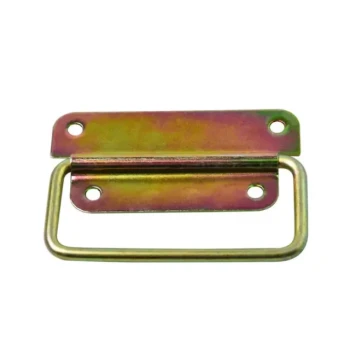
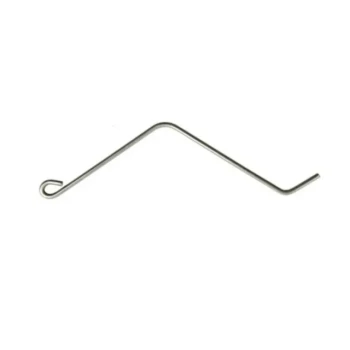
Hive Hardware: Heavy-duty drop-style, spring-loaded, and foldable handles, along with galvanized frame rests for easy inspections.
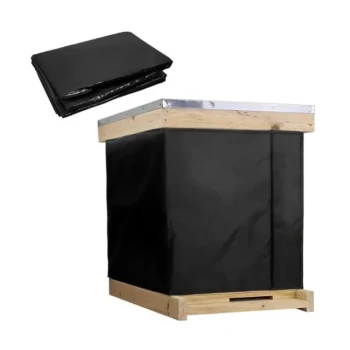
Ventilation & Climate: Stainless steel air vents and insulated winter wraps to ensure optimal colony health and survival rates.
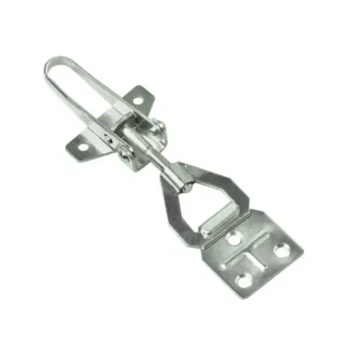
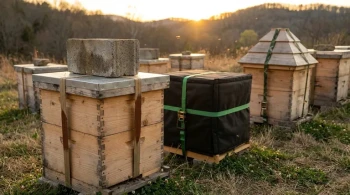
Security & Transport: Interlocking, adjustable, and V-shaped spring hive connectors for maximum stability during transit.
The Science of Hive Integrity: Professional Accessories for High-Yield Apiaries
In the competitive world of commercial beekeeping, the difference between a profitable season and a significant loss often lies in the details. At HONESTBEE, we understand that hive accessories are not just add-ons; they are essential components that ensure the structural integrity, mobility, and longevity of your most valuable assets—your honeybee colonies. Our specialized range of hive accessories is engineered to meet the rigorous demands of industrial-scale apiaries and international distributors who require reliability without compromise.
Organizational Excellence with Advanced Identification Systems
Efficient apiary management begins with precise record-keeping. For commercial operations, tracking the lineage, health, and productivity of hundreds or thousands of hives is impossible without a durable numbering system.
Material Principles: Our hive number sets are manufactured from high-grade, UV-resistant ABS and polypropylene. Unlike traditional paint or cheap stickers that peel and fade under intense sunlight, our engraved and flat-mount numbers are designed to withstand years of exposure.
Visibility and High-Contrast Design: We utilize high-visibility color palettes—such as vibrant reds and blacks on white backgrounds—to ensure that identifiers are legible from a distance. This reduces the time workers spend searching for specific hives during inspections or treatments.
Customization for Scaling: We recognize that every apiary has its own internal logic. Whether you prefer round tags for discrete numbering or large-format sets for quick identification across a field, our wholesale offerings can be tailored to match your organizational workflow.
Ergonomic Hardware and Mechanical Advantages
Beekeeping is a labor-intensive industry. The physical toll on workers can lead to decreased efficiency and increased risk of injury. HONESTBEE addresses this through scientifically designed hive handles and frame rests.
The Principle of Ergonomics: Our range of drop-style, spring-loaded, and foldable handles are built with heavy-duty galvanized and stainless steel. By providing a secure, comfortable grip, these handles allow for more natural lifting postures, reducing strain on the lower back during the frequent relocation of supers.
Frame Rests for Inspection Efficiency: The professional galvanized steel frame rest is a game-changer for hive inspections. By providing a stable platform outside the hive body, it prevents damage to the bees and the frames while giving the beekeeper a clear workspace. This small addition can reduce inspection time per hive by up to 15%, which translates into massive labor savings across a commercial operation.
Structural Stability and Transport Security
For migratory beekeepers who provide pollination services, the stability of a hive during transport is non-negotiable. Shifting hive bodies can crush bees, agitate the colony, or even lead to dangerous spills on the road.
Advanced Connector Systems: We provide a variety of solutions, from V-shaped spring connectors to heavy-duty adjustable steel connectors. These tools utilize the principle of constant tension to lock the hive bodies together as a single, rigid unit.
Interlocking Technology: Our durable plastic interlocking connectors prevent lateral shifting. This is particularly vital when stacking hives on pallets for long-distance transport. By securing the alignment of the boxes, we ensure that the internal atmosphere of the hive remains controlled and the structural joints remain sealed.
Environmental Regulation and Colony Survival
Climate control is the most critical factor in colony survival during extreme weather. Our accessories are designed to help you manage the internal microclimate of the hive with precision.
Ventilation and Pest Control: Our stainless steel round air vents are engineered to allow for maximum airflow while remaining completely pest-proof. Proper ventilation prevents the buildup of excess moisture, which is the primary cause of hive mold and various bee diseases.
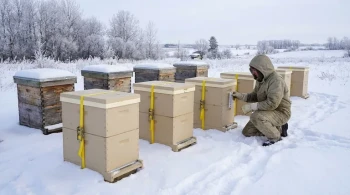
Thermal Efficiency: The HONESTBEE professional insulated winter hive wrap is a specialized tool for beekeepers in colder climates. These wraps improve the thermal efficiency of the hive, allowing the cluster to maintain their core temperature with less honey consumption. This significantly increases the survival rate of colonies during the winter months, ensuring you start the spring with a strong, healthy population.
Why Choose HONESTBEE for Wholesale Hive Accessories?
HONESTBEE is more than just a supplier; we are a partner in your beekeeping success. Our focus on wholesale and commercial-grade equipment means we understand the scale at which you operate.
Customizable Services: Many of our products can be customized to meet specific dimensions or branding requirements. If you represent a large distributor or a commercial apiary with unique needs, our engineering team is ready to assist.
Material Integrity: We use only the highest quality materials, including 304 stainless steel, galvanized steel, and UV-stabilized plastics, to ensure that our accessories outlast the competition in the harshest environments.
Global Logistics: We are equipped to handle large-volume orders and provide efficient shipping solutions to keep your operations running smoothly, regardless of where your apiaries are located.
Ready to upgrade your apiary with professional-grade accessories?
Our team of experts is standing by to provide you with tailored quotes and technical specifications for our entire range. Whether you need a bulk order of hive connectors or customized numbering sets for your distribution network, we have the capacity and expertise to deliver.
A hive tool is a specialized pry bar used by beekeepers to separate hive parts glued together with propolis by honeybees. It is also used to scrape off unwanted propolis and burr comb. It is essential for inspecting and maintaining the hive.
What Is The Principle Of Bee Hive Supply In Mild Climates?
In mild climates, the condensing principle involves heavily insulating the tops of hives while leaving the walls non-insulated and providing openings at the bottom. Moist air condenses on the cooler hive walls, runs down these walls, and drips out through the bottom openings, effectively managing moisture within the hive.
What Are The Applications Of A Flow Beehive?
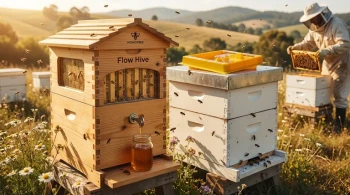
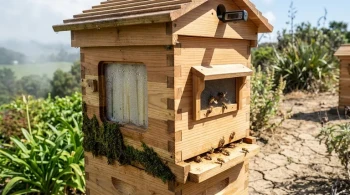
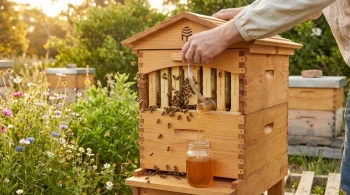
A flow beehive is primarily used for sustainable beekeeping and easy honey extraction. It is designed to be beginner-friendly and eco-friendly, making it ideal for those starting their beekeeping journey or managing backyard beekeeping.
What Is The Purpose Of A Beekeeper Suit?
A beekeeper suit is designed to protect the wearer from bee stings during activities such as honey harvesting and brood control. It covers most parts of the body except the head, hands, and feet, providing full protection and peace of mind, especially for beginners.
What Is The Application Of A Bee Keeper Suit?
A bee keeper suit is designed to cover all parts of the body except the head, hands, and feet. It is primarily worn during activities such as honey harvesting and brood control to protect the beekeeper from bee stings.
What Is The Purpose Of A Hive Stand?
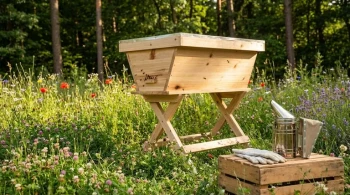
A hive stand is used to raise the beehive off the ground, protecting the colony from pests like ants and termites, and preventing moisture buildup. It also improves ventilation and makes hive management easier for beekeepers.
What Are The Common Uses Of A Hive Box?
A hive box is commonly used for scraping propolis and burr comb off the hive, prying apart boxes (supers) joined by wax or propolis, scraping debris off the hive’s floorboards, cleaning honey and beeswax off frames during extraction, levering open covers glued shut with propolis, banging loose nails into wood, loosening frames that are attached, opening bee packages and nucs, scraping out bee stingers without releasing venom, opening a bee smoker that’s jammed shut, and separating vertical hive components.
What Are Queen Rearing Kits Used For?
Queen rearing kits are used to efficiently raise queen bees, which is essential for maintaining and increasing hive productivity. These kits simplify the process of queen rearing, allowing beekeepers to produce multiple queens without the need for complex grafting techniques.
What Are The Main Types Of Honey Bee Boxes?
The main types of honey bee boxes include 5 Frame Wooden Nuc Box, Langstroth Honey Bee Box, 5 Frame Langstroth Poly Nuc Box, 10 Frame Australian Langstroth Beehive Box, Plastic Insulated Bee Hive Box, Twin Queen Styrofoam Honey Bee Nuc, and Dadant Size Wooden Bee Hive.
What Are The Main Features Of A Hive Tool?
A hive tool is a multi-tool used in beekeeping for opening the hive, lifting and shifting frames or other hive parts, scraping away wax and propolis, and prying out or re-setting loose nails or staples. It is made of tempered steel and is typically 20 to 25 cm long, with a flattened end and a bent end for prying frames.
What Are The Advantages Of Using A Bee Hive Stand?
Using a bee hive stand has several advantages: it raises the hive off the ground, which prevents rainwater and moisture from seeping into the hive, keeps the hive entrance further from grass to reduce pest intrusion, and makes the hive easier to access, reducing strain on the beekeeper's back and shoulders during maintenance. Additionally, it saves your back by reducing the need to bend and lift heavy hive boxes, makes a comfortable home for the bees by keeping the hive dry and safe from moisture issues, and protects the hive from predators and pests by elevating it off the ground.
What Are The Main Features Of A Beekeeper Suit?
A good beekeeper suit includes features such as thumb ties to help insert into gloves, a strong front zipper, an integrated veil, and elasticated ankles to ensure a snug fit around shoes or boots. It is also machine washable for convenience and has elasticated wrists and waist to accommodate a range of body sizes.
What Are The Key Features Of A Bee Keeper Suit?
A high-quality bee keeper suit typically includes thumb ties to secure gloves, a robust front zipper, an integrated veil, and elasticated ankles to ensure a snug fit around shoes or boots. These features provide comprehensive protection for the majority of the body.
What Are The Main Types Of Hive Stands?
The main types of hive stands include metal hive stands and plastic hive stands. Metal stands are durable and provide strong protection, while plastic stands are lightweight and designed for specific hive types like Langstroth hives.
What Are The Features Of A Hive Box?
A regular hive tool is essentially a smaller, flatter version of a crowbar. It has a long end for leverage and a smaller curved edge for prying in tight spaces. It typically costs between $8-15. A hive tool focuses on the essentials and has everything you need to do a complete hive inspection.
What Are The Main Types Of Queen Rearing Kits Available?
The main types of queen rearing kits include the Nicot Queen Rearing Kit, Jenter Queen Rearing Kit, and various grafting tools and mating hive boxes. Each type offers unique features such as no-grafting systems, reusable cell cups, and precision tools for handling larvae.
What Are The Advantages Of Using Honey Bee Boxes?
The advantages of using honey bee boxes include widespread availability, reduced risk of disease and pests, cost-effectiveness, and ease of handling for new beekeepers. They also provide natural insulation, breathability, and efficient temperature regulation.
What Is The Principle Behind Using A Hive Tool?
The principle behind using a hive tool is its multipurpose functionality. It is used for scraping unwanted burr comb, prying hive boxes apart, picking up frames, and removing nails. It is considered an essential tool for beekeepers to maintain and inspect hives effectively.
What Types Of Bee Hives Are Available In The Bee Hive Supply Category?
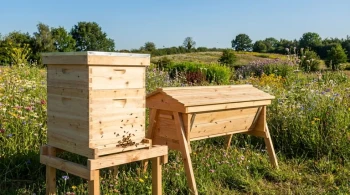
The bee hive supply category includes various types of hives such as Wholesales Dadant Size Wooden Bee Hives, Top Bar Beehives, Langstroth Honey Bee Box Hive Boxes, and Long Langstroth Style Horizontal Top Bar Hives. Each type is designed to meet different beekeeping needs and preferences.
What Are The Advantages Of Using A Flow Beehive?
The advantages of using a flow beehive include easy and bee-friendly honey extraction, reduced strain on the beekeeper’s back and shoulders during maintenance, and improved hive protection from moisture, pests, and predators by elevating the hive off the ground.
What Are The Advantages Of Wearing A Beekeeper Suit?
The advantages of wearing a beekeeper suit include full protection against bee stings, which allows for more relaxed and efficient hive inspections. While it doesn't offer 100% protection, a high-quality suit significantly reduces the risk of stings. It also provides peace of mind, minimizes distractions, and is suitable for heavy-duty use, such as long beekeeping sessions or handling larger colonies.
What Is The Principle Behind Using A Bee Keeper Suit?
The principle of using a bee keeper suit correctly involves ensuring the suit fits snugly without being too tight, properly securing all zippers, elastic bands, and Velcro closures, and always wearing gloves and boots for full-body protection.
How Does A Hive Stand Protect Against Pests?
A hive stand elevates the hive, making it harder for pests like ants and termites to access. Adding slippery substances like Vaseline to the legs can further deter pests from climbing up.
What Types Of Hive Boxes Are Available?
There are several types of hive boxes available, including Plastic Insulated Bee Hive Boxes, Honey Flow Garden Bee Hive, Langstroth Bee Hives, and Langstroth Honey Bee Box Hive Boxes. Each type is designed for specific beekeeping needs and offers unique features such as temperature regulation, easy honey extraction, and customizable options.
How Do Queen Rearing Kits Work?
Queen rearing kits work by providing the necessary tools and equipment to create optimal conditions for queen bee development. This includes cell cups for larvae, grafting tools for transferring larvae, and mating hive boxes for queen bee mating. Some kits, like the Jenter system, eliminate the need for grafting, making the process simpler and more efficient.
What Materials Are Used To Make Honey Bee Boxes?
Honey bee boxes are made from various materials such as durable China fir, Fir/Pine wood, corrugated plastic (PP), NZ Pine wood, food-grade HDPE, and Styrofoam.
What Are The Advantages Of Using A Hive Tool?
The advantages of using a hive tool include its ability to separate brood and super chambers, loosen frames, scrape hive parts, and remove debris. Made of tempered steel, it is durable and typically 20 to 25 cm long, with a flattened end and a bent end for prying frames, making it an indispensable tool for beekeepers.
What Are Some Essential Tools Included In The Bee Hive Supply Category?
Essential tools in the bee hive supply category include Stainless Steel J Hook Hive Tools, Plastic Handle Single Row Bee Brushes, Frame Grip Frame Lifters, and Stainless Steel Beekeeping Racks. These tools are crucial for hive maintenance, inspections, and honey harvesting.
Are There Different Types Of Beekeeper Suits Available?
Yes, there are various types of beekeeper suits available, including ventilated suits for hot climates, heavy-duty suits for professional use, and lightweight suits for casual beekeepers. There are also specialized suits for children, ensuring young beekeepers are fully protected.
What Are The Advantages Of Wearing A Bee Keeper Suit?
The advantages of wearing a bee keeper suit include full protection from bee stings, which reduces the chance of stings; peace of mind, especially for beginners; increased efficiency by minimizing distractions from worrying about stings; an integrated design with an attached veil to prevent accidental exposure; and suitability for heavy-duty use, such as long, intense beekeeping sessions or handling larger colonies.
What Are The Advantages Of Using A Hive Stand?
Using a hive stand provides several advantages, including improved ventilation, protection from pests and moisture, reduced strain on the beekeeper's back during inspections, and enhanced hive stability.
What Are The Advantages Of Using A Hive Box?
The advantages of using a hive box include enhanced hive productivity through efficient temperature regulation, easy management, durable design, and eco-friendly materials. Hive boxes are ideal for both novice and professional beekeepers, offering features that simplify beekeeping tasks and improve overall hive health.
What Are The Advantages Of Using Queen Rearing Kits?
The advantages of using queen rearing kits include increased efficiency in queen production, simplified processes that do not require grafting, and the ability to produce a large number of queens (up to 110 in some kits). These kits also help maintain hive health and productivity by ensuring a steady supply of high-quality queens.
What Are The Applications Of Honey Bee Boxes?
Honey bee boxes are used for beekeeping to house bee colonies, store honey and pollen, and manage brood. They are essential for both hobbyists and professional beekeepers, aiding in honey production and colony management.
Why Is A Hive Tool Essential For Beekeepers?
A hive tool is essential for beekeepers because it allows them to effectively separate hive parts, scrape off propolis and burr comb, and perform routine maintenance tasks. Its multifunctional design makes it a crucial tool for ensuring the health and productivity of the hive.
How Do Bee Hive Frames Contribute To Hive Productivity?
Bee hive frames, such as Wooden Bee Hive Frames and Plastic Bee Frame Beekeeping Hive Frames, enhance hive productivity by providing a structured environment for bees to build comb and store honey. They are designed to be durable, customizable, and bee-friendly, which helps in maintaining healthy and productive hives.
Can Beekeeper Suits Be Washed?
Yes, most beekeeper suits are machine washable, making them easy to clean and maintain after use in the field.
Why Is Ventilation Important In A Hive Stand?
Ventilation is crucial for maintaining a healthy bee colony. A hive stand allows air to circulate beneath the hive, preventing moisture buildup and reducing the risk of diseases that thrive in damp conditions.
Are Queen Rearing Kits Suitable For All Beekeepers?
Yes, queen rearing kits are suitable for all beekeepers, from beginners to experienced professionals. They are designed to be user-friendly and come with detailed instructions, making it easy for anyone to rear queens and improve their beekeeping operations.
What Is The Principle Behind Honey Bee Boxes?
Honey bee boxes are designed to provide a structured environment for bees to build wax combs, store honey, and raise brood. They often include features like modular designs, insulation, and customizable options to optimize bee growth and productivity.
Is A Beekeeper Suit Suitable For Beginners?
Absolutely, a beekeeper suit is highly recommended for beginners as it provides essential protection against bee stings, allowing new beekeepers to focus on learning and practicing beekeeping without the constant worry of getting stung.
How Does A Hive Stand Benefit Beekeepers?
A hive stand reduces the need for beekeepers to bend down too far, which can be beneficial for their back. It also makes hive inspections and management more convenient and efficient.
What Additional Tools Are Included In Queen Rearing Kits?
Additional tools included in queen rearing kits may consist of grafting tools, cell cups, marking pens, and mating hive boxes. These tools aid in the precise handling of larvae, the creation of queen cells, and the safe marking and mating of queen bees.
Why Are Honey Bee Boxes Important For Beekeeping?
Honey bee boxes are important for beekeeping as they provide a controlled environment for bees to thrive, making it easier to manage colonies, harvest honey, and ensure the health and productivity of the bee population.
This website uses cookies to enhance your browsing experience,
analyze site traffic, and serve better user experiences. By continuing to use this site, you consent to our use of
cookies. Learn more in our cookie policy.