Toggle Categories
Get Instant Support
Choose your preferred way to connect with our team
-
Get Free Quote Fill out form for detailed pricing
-
Send Email Detailed inquiry support
-
WhatsApp Quick mobile chat
Response Time
Within 8 hours on working days, 24 hours on holidays
Beeswax Processing Equipment


Beeswax Processing Equipment

10L Stainless Steel Honey Wax Press Extractor for Wax Cappings
Item Number: HWP-1

Easy Use Manual Stainless Steel Honey Press for Honey Comb
Item Number: HWP-2

Stainless Steel Manual Honey Press with Guard for Pressing Honey and Wax
Item Number: HWP-3

Stainless Steel Honey Press Wax Press with Tank
Item Number: HWP-4

Stainless Steel Jack Type Honey Comb Press Machine Wax and Honey Separator
Item Number: HWP-5

Honey Wax Separating Wax Press with Metal Screw Wax Separator Machine
Item Number: HWP-7

10L Stainless Steel Electric Honey Press Machine
Item Number: HWP-6

Electric Honey Press Machine for Squeezing Honey Comb Press Equipment
Item Number: HWP-8

Solar Beeswax Melter Easy Solar Wax Melter for Beeswax
Item Number: BWM-1
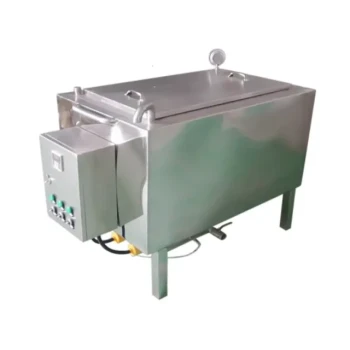
Electric Commercial Beeswax Melter for Factory Use
Item Number: BWM-2
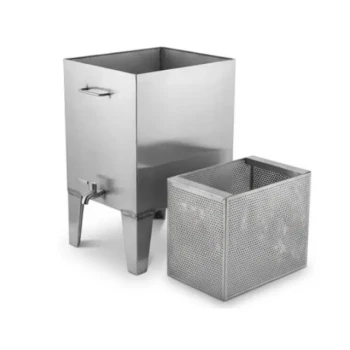
Steam Beeswax Melter Wax Warmer for Wax Processing
Item Number: BWM-3

Beeswax Melter for Candle Making Honey Bee Wax Melter
Item Number: BWM-4

Notebook Style Beeswax Foundation Mould Wax Foundation Mold
Item Number: WFM-8

Colorful Silicone Beeswax Foundation Mold Mould for Beekeeping
Item Number: WFM-9

Fully Automatic Beeswax Embossing Machine Foundation Mill
Item Number: WFM-1

Manual Beeswax Comb Foundation Machine Wax Foundation Mill Embossing Machine
Item Number: WFM-2

Manual Beeswax Flat Sheet Machine for Beeswax Processing
Item Number: WFM-3

Economy Manual Beeswax Embossing Mill Wax Foundation Machine Roller
Item Number: WFM-4


Electric Beeswax Flat Sheet Machine with Operating Tray for Wax Processing
Item Number: WFM-6

Electric Flatting and Embossing Machine with Tray for Beekeeping
Item Number: WFM-7

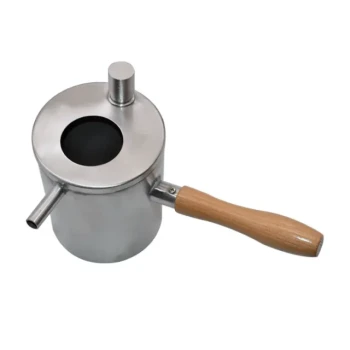
Professional Stainless Steel Wax Melter for Beekeeping and Crafts
Item Number: BWM-5
Edit This Page
REQUEST A QUOTE
Our professional team will reply to you within one business day. Please feel free to contact us!
Related Articles
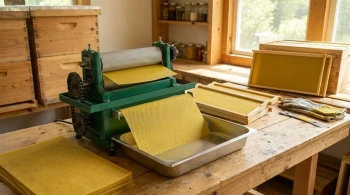
How to Choose the Right Beehive Foundation for Your Beekeeping Goals
Learn how to choose the best beehive foundation for honey yield, sustainability, or cost-efficiency. Compare beeswax, plastic, and hybrid options.
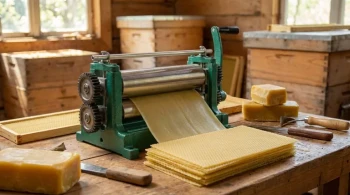
How Manual Tablet Presses Boost Hive Productivity with Pure Beeswax Sheets
Discover how manual tablet presses enhance hive productivity with pure beeswax sheets, boosting honey yield and colony health sustainably.
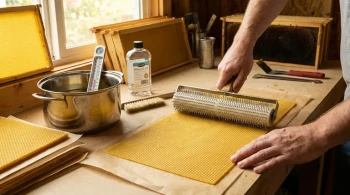
How to Craft Durable Wax Foundations Using Manual Rollers: A Beekeeper's Guide
Learn expert techniques for crafting durable wax foundations using manual rollers—temperature control, rolling best practices, and troubleshooting tips for beekeepers.
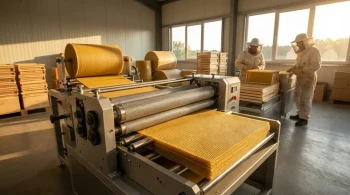
How Fully Automatic Wax Foundation Machines Cut Beekeeping Costs by 40%
Fully automatic wax foundation machines cut beekeeping costs by 40%—reducing labor, energy use, and waste while boosting productivity.
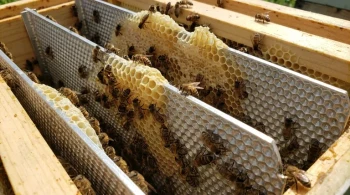
How Precision-Textured Aluminium Castings Boost Hive Productivity by Mimicking Nature
Precision-textured aluminium castings mimic bee cell geometry, boosting hive productivity by 15-25% with durable, energy-efficient foundations.
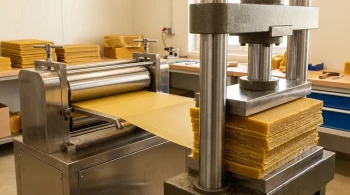
How to Choose Between Roller and Press Systems for Perfect Beeswax Sheets
Compare roller vs. press systems for beeswax sheets—ideal for candle making or cosmetics. Learn speed, cost & quality trade-offs for commercial production.
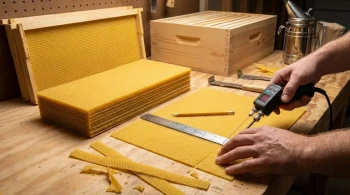
How to Cut Beeswax Foundations for Perfect Hive Compatibility Every Time
Learn professional techniques for cutting beeswax foundations to ensure hive compatibility, prevent warping, and boost colony productivity.
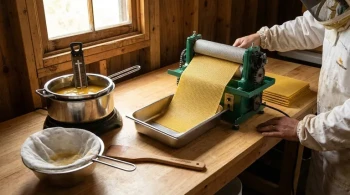
How to Choose and Use Budget-Friendly Tools for Durable Beeswax Foundations
Learn budget-friendly techniques for crafting durable beeswax foundations with essential tools, temperature control, and step-by-step workflows.
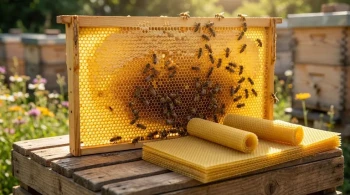
How Wax Foundation Sheets Transform Hive Productivity and Colony Health
Boost hive productivity with wax foundation sheets—reduce bee labor, enhance comb construction, and increase honey yields by 20%. Ideal for commercial beekeepers.
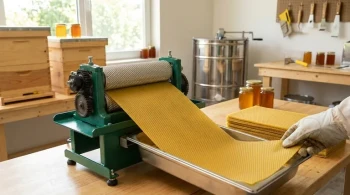
How Beeswax Foundation Machines and Smart Equipment Transform Beekeeping Efficiency
Discover how beeswax foundation machines and smart beekeeping equipment enhance efficiency, colony health, and honey production for commercial apiaries.
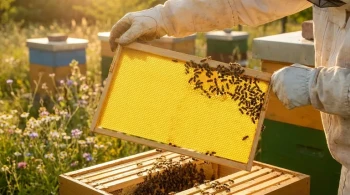
How Precision-Engineered Beeswax Sheets Boost Hive Health and Honey Production
Discover how precision-engineered beeswax sheets enhance hive health, boost honey production, and reduce beekeeping costs with uniform cell depth.
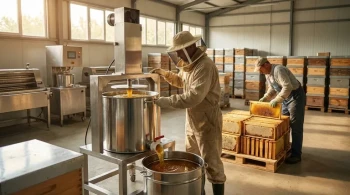
Scaling Honey Production: Industrial Pressing vs Traditional Extraction for Commercial Apiaries
Compare industrial honey presses vs traditional extraction for commercial apiaries. Boost efficiency, reduce labor costs, and maintain quality at scale.
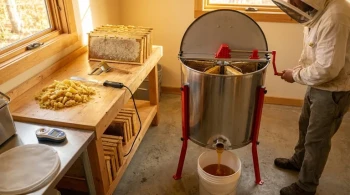
How to Optimize Honey Extraction Without Compromising Quality
Learn field-tested honey extraction methods to maximize yield while preserving quality, from uncapping tools to filtration and bottling.
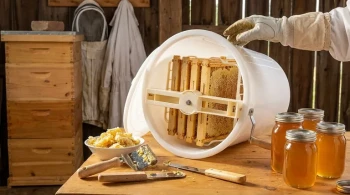
How to Extract Honey Safely Without Damaging Equipment or Hives
Professional honey extraction techniques to maximize yield while protecting combs and hive health. Learn damage-free harvesting and sustainable hive management.
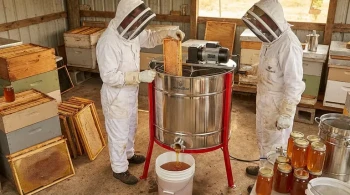
How to Choose the Right Honey Processing Method for Your Apiary
Learn how to choose the best honey processing method for your apiary—balancing quality, efficiency, and budget for small to large-scale operations.
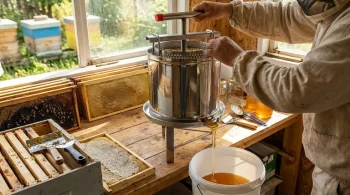
How Honey Screw Presses Solve Hygiene, Durability, and Efficiency Challenges for Small Beekeepers
Modern honey screw presses enhance hygiene, durability & efficiency for small beekeepers with stainless steel designs and space-saving features.
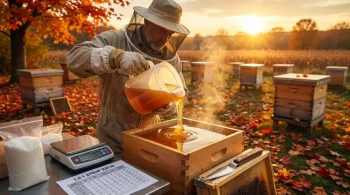
How to Optimize Autumn Syrup for Stronger Hives and Higher Honey Yields
Optimize autumn syrup with 1.6:1 sugar ratio for stronger hives, faster curing, and higher winter survival rates. Essential beekeeping tips inside.
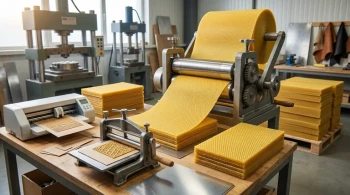
From Paper to Foundation: The Universal Physics of Embossing at Scale
Embossing isn't about the machine, but the material. This principle scales from craft paper to industrial beeswax foundation for apiaries.
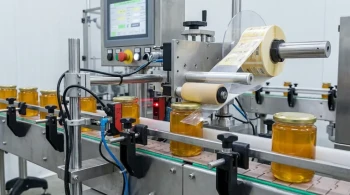
Beyond the Conveyor: The Hidden Physics of a Flawless Honey Label
Discover the intricate system behind automatic labeling—a balance of mechanics, timing, and psychology crucial for high-speed product presentation.
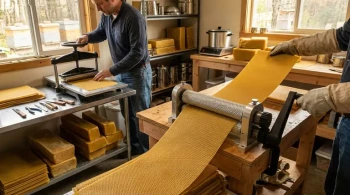
The Embossing Dilemma: Scaling Beeswax Foundation from Craft to Commerce
Choosing between beeswax embossing rolls and plates is a strategic decision about scale, capital, and operational philosophy in beekeeping.