Within 8 hours on working days, 24 hours on holidays
Hive Making Machines
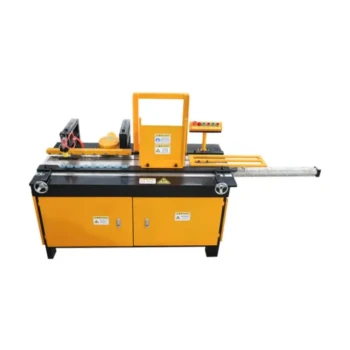
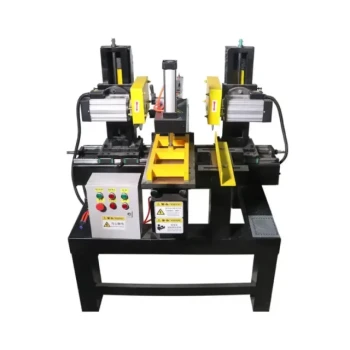
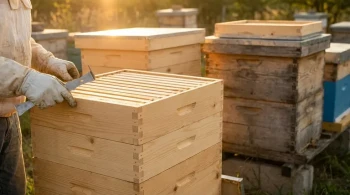
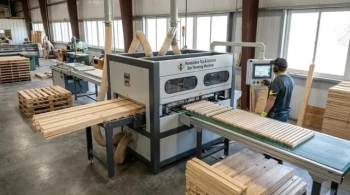
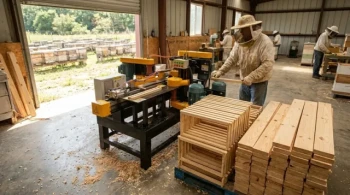
HONESTBEE provides professional-grade Hive Making Machines designed specifically for commercial apiaries and beekeeping equipment distributors. In an industry where precision and standardization are critical, our machinery automates the labor-intensive process of hive construction, ensuring every box and frame meets exact specifications.
Our product range covers the entire manufacturing lifecycle, including:
Automatic Finger Joint Making Machines: For creating high-strength, interlocking corners for hive boxes.
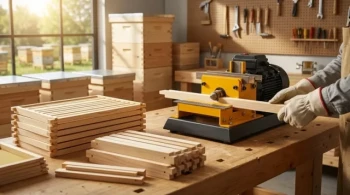
Handle and Frame Rest Cutting Machines: Specialized profiling for ergonomic handles and precise frame seating.
Double End Saws: High-efficiency cutting for uniform hive components.
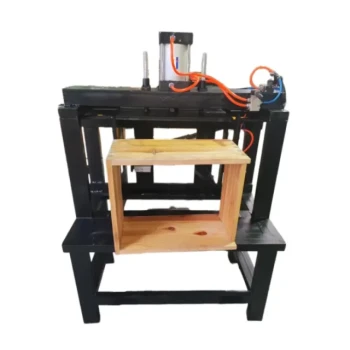
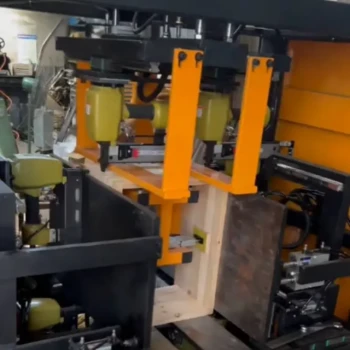
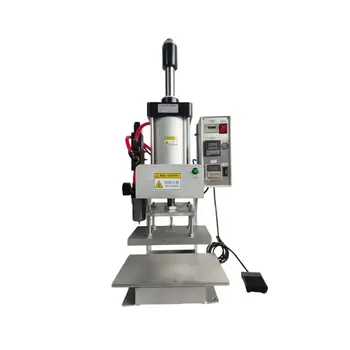
Pneumatic Assembly & Stapling Machines: For rapid, consistent box construction and high-volume output.
Designed for durability and high-speed operation, these machines enable manufacturers to transition from artisanal production to industrial-scale efficiency.
The Core of Modern Apiary Infrastructure: Professional Hive Making Machinery
In the competitive landscape of commercial beekeeping, the quality of the beehive is the foundation of success. HONESTBEE’s suite of Hive Making Machines represents the pinnacle of specialized woodworking technology, engineered to transform raw timber into precision-engineered habitats for honeybees. For distributors and large-scale apiary operators, investing in professional machinery is not just about increasing output; it is about ensuring the structural integrity and geometric consistency required for modern beekeeping practices.
Technical Principles and Precision Engineering
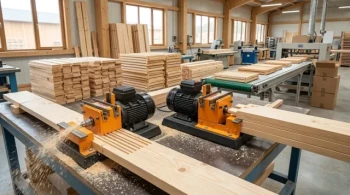
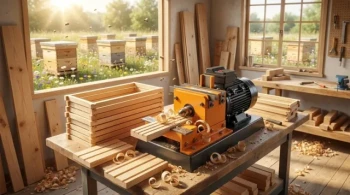
At the heart of our machinery is the principle of high-precision woodworking. Traditional hive construction often suffers from human error, leading to gaps, uneven joints, and inconsistent internal dimensions. Our machines, such as the Automatic Finger Joint Making Machine, utilize advanced profiling technology to create tight-fitting interlocking joints. These joints provide superior structural strength and weather resistance, which are essential for hives that must withstand years of outdoor exposure.
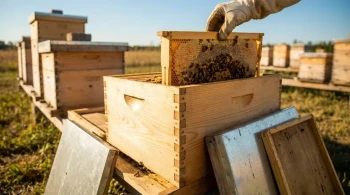
Our cutting and profiling machines, including the Double End Saw and Handle Cutting Machines, utilize high-wattage industrial motors and carbide-tipped blades. This ensures that every cut is clean and every dimension is repeatable. This level of precision is vital for maintaining the "bee space"—the specific 5mm to 9mm gap that bees naturally respect. If a hive-making machine fails to maintain these tolerances, the bees will fill the gaps with propolis or burr comb, making hive management difficult and reducing honey yields.
Advantages of Automated Hive Production
Geometric Standardization: Professional machinery ensures that every hive box produced is identical. This is a prerequisite for Digital Apiary Management. Standardized hives allow for the seamless integration of IoT sensors, electronic scales, and automated honey extraction systems. When every box is perfectly square, specialized machinery used in the honey house can function without interruption.
Increased Production Throughput: Manual hive assembly is a bottleneck. Our Pneumatic Bee Hive Making Machines and High-Speed Stapling Machines can process hundreds of units per hour. This allows distributors to respond rapidly to seasonal demands and large-scale colony expansions without increasing labor costs exponentially.
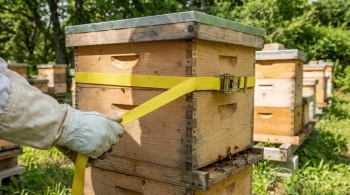
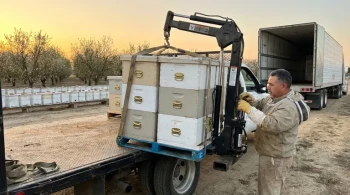
Durability and Longevity: By using machinery designed for heavy-duty industrial use, the hives produced are more robust. Precision-cut joints require less glue and fasteners while providing higher torque resistance, ensuring the hives remain intact during the rigors of migratory beekeeping and transportation.
Customization and Flexibility: We recognize that different regions utilize different hive standards, from Langstroth and Dadant to local variations. Our machines feature adjustable settings and customizable blade configurations to accommodate various wood types and hive dimensions, providing our partners with the versatility they need to serve diverse markets.
Bridging the Gap to Industry 4.0
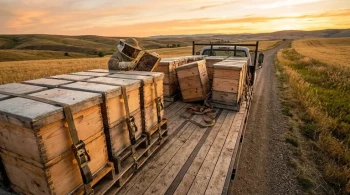
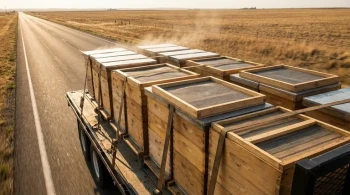
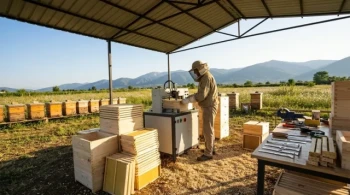
The beekeeping industry is undergoing a digital transformation. The transition toward automated honey processing and precision apiculture requires a hardware foundation that only industrial-grade hive-making machines can provide. By standardizing the physical hive structure, our machinery facilitates the overall upgrading of the entire beekeeping supply chain. Standardized components facilitate efficient palletization for colony transportation and ensure that automated de-capping and extraction lines operate at peak efficiency.
Why Partner with HONESTBEE?
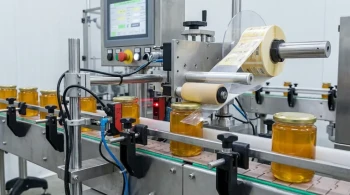
As a comprehensive wholesale provider, HONESTBEE understands the unique challenges faced by commercial apiaries and equipment distributors. We don’t just sell machines; we provide complete manufacturing solutions. Our portfolio spans from the hardware used to build the hives to the machinery used to fill the honey jars. This holistic view of the industry allows us to design hive-making equipment that is perfectly aligned with the needs of the modern beekeeper.
We offer specialized consultation to help you select the right configuration for your production volume. Whether you need a single specialized cutting machine or a fully integrated assembly line, our team of experts is ready to assist. We emphasize heavy-duty construction, using high-grade materials and components that ensure a long service life with minimal maintenance.
Ready to elevate your hive production capabilities? Our team is dedicated to providing customizable machinery that meets your specific operational goals. Whether you are looking to upgrade an existing facility or establish a new manufacturing hub, HONESTBEE is your professional partner in beekeeping excellence.
Contact our technical experts today to receive a detailed quote, discuss custom specifications, or learn more about how our Hive Making Machines can revolutionize your business. Let us help you build the future of the beekeeping industry with precision, efficiency, and professional-grade reliability.
FAQ
What Are The Main Applications Of Beekeepers Tools?
Beekeepers tools are essential for various tasks such as hive inspections, honey extraction, and frame cleaning. They include items like veils and hats for facial protection, hive tools for opening sealed hives, and frame rests for convenience during inspections. Additionally, tools like the BeeConnected app help manage pollination agreements and related activities.
What Are The Applications Of A Flow Beehive?
A flow beehive is primarily used for sustainable beekeeping and easy honey extraction. It is designed to be beginner-friendly and eco-friendly, making it ideal for those starting their beekeeping journey or managing backyard beekeeping.
What Are The Common Uses Of A Hive Box?
A hive box is commonly used for scraping propolis and burr comb off the hive, prying apart boxes (supers) joined by wax or propolis, scraping debris off the hive’s floorboards, cleaning honey and beeswax off frames during extraction, levering open covers glued shut with propolis, banging loose nails into wood, loosening frames that are attached, opening bee packages and nucs, scraping out bee stingers without releasing venom, opening a bee smoker that’s jammed shut, and separating vertical hive components.
What Is The Principle Of Bee Hive Supply In Mild Climates?
In mild climates, the condensing principle involves heavily insulating the tops of hives while leaving the walls non-insulated and providing openings at the bottom. Moist air condenses on the cooler hive walls, runs down these walls, and drips out through the bottom openings, effectively managing moisture within the hive.
What Types Of Tools Are Commonly Used By Beekeepers?
Common tools used by beekeepers include queen marking tubes and catchers for safe queen bee handling, goatskin leather gloves for sting protection, stainless steel hive tools for hive maintenance, and bee brushes for gentle bee removal. Other essential tools include beekeeping suits, hats with veils, and hive scrapers for efficient hive management.
What Are The Advantages Of Using A Bee Frame Making Machine?
The bee frame making machine allows users to quickly and easily form bee frames for bees and honeycombs. Its compact size makes it easy to store and transport.
What Are The Features Of A Hive Box?
A regular hive tool is essentially a smaller, flatter version of a crowbar. It has a long end for leverage and a smaller curved edge for prying in tight spaces. It typically costs between $8-15. A hive tool focuses on the essentials and has everything you need to do a complete hive inspection.
What Are The Advantages Of Using A Bee Hive Stand?
Using a bee hive stand has several advantages: it raises the hive off the ground, which prevents rainwater and moisture from seeping into the hive, keeps the hive entrance further from grass to reduce pest intrusion, and makes the hive easier to access, reducing strain on the beekeeper's back and shoulders during maintenance. Additionally, it saves your back by reducing the need to bend and lift heavy hive boxes, makes a comfortable home for the bees by keeping the hive dry and safe from moisture issues, and protects the hive from predators and pests by elevating it off the ground.
What Are The Advantages Of Using Beekeepers Tools?
Using beekeepers tools offers numerous benefits, including enhanced safety during hive inspections, efficient hive management, and protection against bee stings. These tools also facilitate tasks like honey extraction and frame cleaning, making beekeeping more productive and enjoyable. Additionally, beekeeping contributes to biodiversity, food production, and global ecosystems, while providing economic value and opportunities for family bonding.
What Are The Main Types Of Bee Frame Making Machines?
The main types of bee frame making machines include the Semi-Auto Bee Frame Assembly and Stapling Machine, Mini Desktop Bee Hive Frame Forming Making Machine, Frame Punching Hole Puncher Machine, and Frame Eyelets Assembly Machine.
What Are The Advantages Of Using A Flow Beehive?
The advantages of using a flow beehive include easy and bee-friendly honey extraction, reduced strain on the beekeeper’s back and shoulders during maintenance, and improved hive protection from moisture, pests, and predators by elevating the hive off the ground.
What Types Of Hive Boxes Are Available?
There are several types of hive boxes available, including Plastic Insulated Bee Hive Boxes, Honey Flow Garden Bee Hive, Langstroth Bee Hives, and Langstroth Honey Bee Box Hive Boxes. Each type is designed for specific beekeeping needs and offers unique features such as temperature regulation, easy honey extraction, and customizable options.
What Types Of Bee Hives Are Available In The Bee Hive Supply Category?
The bee hive supply category includes various types of hives such as Wholesales Dadant Size Wooden Bee Hives, Top Bar Beehives, Langstroth Honey Bee Box Hive Boxes, and Long Langstroth Style Horizontal Top Bar Hives. Each type is designed to meet different beekeeping needs and preferences.
What Features Should Good Beekeeping Gloves Have?
Good beekeeping gloves should be made of durable materials like sheepskin leather to protect against bee stings and heat. They should be nimble enough to work between frames, extend up to the elbow, and have a cinched end to keep bees out. This ensures both safety and comfort during hive inspections and other beekeeping activities.
What Are The Applications Of Bee Frame Making Machines?
Bee frame making machines are primarily used in beekeeping and honey production to efficiently create durable and reliable hive frames. They are ideal for beekeeping supply manufacturers and beekeepers looking to streamline frame production.
What Are The Advantages Of Using A Hive Box?
The advantages of using a hive box include enhanced hive productivity through efficient temperature regulation, easy management, durable design, and eco-friendly materials. Hive boxes are ideal for both novice and professional beekeepers, offering features that simplify beekeeping tasks and improve overall hive health.
What Are Some Essential Tools Included In The Bee Hive Supply Category?
Essential tools in the bee hive supply category include Stainless Steel J Hook Hive Tools, Plastic Handle Single Row Bee Brushes, Frame Grip Frame Lifters, and Stainless Steel Beekeeping Racks. These tools are crucial for hive maintenance, inspections, and honey harvesting.
Why Is Beekeeping Considered A Rewarding Practice?
Beekeeping is considered rewarding because it benefits biodiversity, food production, and global ecosystems. It offers economic value through pollination and job creation, supports local gardens, increases food for wildlife, and produces natural products like honey and beeswax. Additionally, beekeeping is an engaging hobby that can be profitable, reduces stress, and provides opportunities for family bonding and making new friends.
How Do Bee Hive Frames Contribute To Hive Productivity?
Bee hive frames, such as Wooden Bee Hive Frames and Plastic Bee Frame Beekeeping Hive Frames, enhance hive productivity by providing a structured environment for bees to build comb and store honey. They are designed to be durable, customizable, and bee-friendly, which helps in maintaining healthy and productive hives.
This website uses cookies to enhance your browsing experience,
analyze site traffic, and serve better user experiences. By continuing to use this site, you consent to our use of
cookies. Learn more in our cookie policy.