Propolis traps are essential tools for beekeepers aiming to harvest propolis efficiently. These traps, resembling queen excluders but with smaller holes, are placed in the hive to encourage bees to fill them with propolis. Our product line includes the 8 Frame and 10 Frame Propolis Trap Collector Screen, designed to maximize apiary productivity. These traps are not only efficient but also reusable and eco-friendly, making them a sustainable choice for clean propolis harvesting.
Toggle Categories
Get Instant Support
Choose your preferred way to connect with our team
-
Get Free Quote Fill out form for detailed pricing
-
Send Email Detailed inquiry support
-
WhatsApp Quick mobile chat
Response Time
Within 8 hours on working days, 24 hours on holidays
propolis trap

8 Frame and 10 Frame Propolis Trap Collector Screen for Propolis Collection
Item Number: BPC-1
Why Choose Our Propolis Traps?
Propolis traps are indispensable for beekeepers who want to harvest propolis in a sustainable and efficient manner. Our 8 Frame and 10 Frame Propolis Trap Collector Screens are designed to meet the needs of both small-scale and large-scale apiaries. Here’s why our propolis traps stand out:
Key Features
-
Efficient Design: Our propolis traps are designed to resemble queen excluders but feature smaller holes. This design encourages worker bees to seal these holes with propolis, making the collection process straightforward and efficient.
-
Reusable and Eco-Friendly: Made from durable materials, our propolis traps can be reused multiple times, reducing waste and making them an eco-friendly choice for sustainable beekeeping practices.
-
Versatile Application: Suitable for both 8-frame and 10-frame hives, our propolis traps are versatile tools that can be easily integrated into your existing beekeeping setup.
How It Works
Propolis traps are typically placed in the hive in place of the inner cover. Worker bees, naturally inclined to seal any gaps in their hive, will fill the smaller holes in the trap with propolis. Once the trap is full, it can be removed, and the propolis can be harvested. This method ensures a clean and efficient collection process, minimizing disruption to the hive.
Advantages of Using Propolis Traps
-
Cost-Effective: Our propolis traps are a low-cost investment that can significantly increase your propolis yield, making them a cost-effective solution for beekeepers.
-
High-Quality Propolis Collection: By using our traps, you can ensure that the propolis collected is clean and free from contaminants, maintaining its high quality for various applications.
-
Enhanced Apiary Productivity: Efficient propolis collection allows beekeepers to focus on other aspects of apiary management, thereby enhancing overall productivity.
Propolis Characteristics
Propolis is a resinous substance collected by bees from tree buds, sap flows, or other botanical sources. It ranges in color from yellow to dark brown, depending on the origin of the resins. Propolis is soft and pliable at temperatures of 25°C to 45°C, hard and brittle at less than 15°C, and becomes increasingly sticky and gummy above 45°C. It typically becomes liquid at 60°C to 70°C, though some samples may have a melting point as high as 100°C. These properties make propolis a versatile substance used in various applications, from health supplements to natural remedies.
Customizable Solutions
We understand that every apiary is unique, which is why we offer customizable solutions to meet your specific needs. Whether you require a specific size, material, or design, our team of experts is here to help you find the perfect propolis trap for your beekeeping operation.
Get Started Today
Ready to enhance your propolis collection process? Contact us today to learn more about our 8 Frame and 10 Frame Propolis Trap Collector Screens and how they can benefit your apiary. Our team is here to provide you with the best solutions tailored to your needs. Leave us a message and let’s get started on maximizing your apiary productivity with our high-quality propolis traps.
FAQ
What Is A Propolis Trap?
A propolis trap is a reusable piece of equipment that resembles a queen excluder but has smaller holes. Worker bees seal these holes with propolis, which is collected for various uses. The trap is typically placed in the hive in place of the inner cover.
What Are The Applications Of A Propolis Trap?
A propolis trap is used in beekeeping to collect propolis, a resinous substance that bees produce from tree sap. The trap is placed in the hive, and bees fill it with propolis to block the holes, allowing beekeepers to harvest it for use in health products, cosmetics, and other applications.
What Are The Features Of A Propolis Trap?
Propolis traps are designed to be low-cost and reusable. They are made with smaller holes compared to a queen excluder, which encourages bees to fill them with propolis. The collected propolis can vary in color from yellow to dark brown and has different physical properties depending on temperature.
What Are The Advantages Of Using A Propolis Trap?
The advantages of using a propolis trap include its low cost, reusability, and efficiency in collecting clean propolis. It maximizes apiary productivity by providing an eco-friendly tool for propolis harvesting without disturbing the bees significantly.
How Does A Propolis Trap Work?
A propolis trap works by mimicking the structure of a queen excluder but with smaller holes. When placed in the hive, bees naturally seal these holes with propolis to block them. Beekeepers can then remove the trap and harvest the propolis for various uses.
REQUEST A QUOTE
Our professional team will reply to you within one business day. Please feel free to contact us!
Related Articles
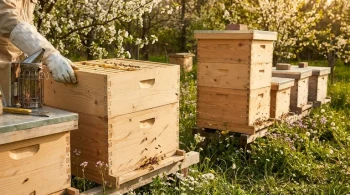
How to Expand Your Beehives in Spring Without Triggering Swarms
Learn how to expand beehives in spring using 8-frame systems to prevent swarming and boost honey production with sustainable hive management.
Read more
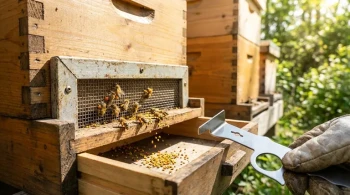
Beyond Honey: The Strategic Calculus of the Pollen Trap
Pollen traps offer a protein reserve for colony growth but introduce risks. Learn the strategic calculus for using this powerful beekeeping tool.
Read more
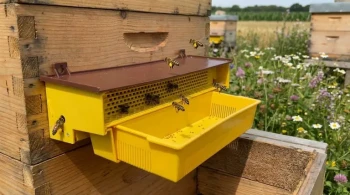
The Art of Gentle Intervention: A Guide to Pollen Trap Mechanics and Bee Psychology
Explore pollen trap design from a systems perspective, balancing harvest efficiency with the psychology and health of your bee colony.
Read more
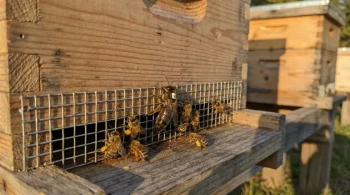
The Queen's Prison: How a Pollen Trap Can Create a Single Point of Failure in Your Apiary
A pollen trap's mesh is too small for a queen, turning a harvesting tool into a fatal barrier during swarming or requeening, risking colony loss.
Read more
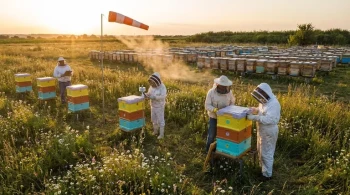
The Scent Plume Protocol: A Strategic Guide to Swarm Capture
Learn how to place bee traps by understanding the scent plume—an invisible trail scout bees follow, optimizing commercial capture rates.
Read more
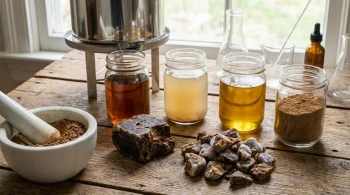
The Alchemist's Choice: Why Your Propolis Extraction Method Defines Its Power
Learn the four propolis extraction methods—alcohol, water, oil, and powder—and how your choice of solvent dictates the final product's potency and use.
Read more
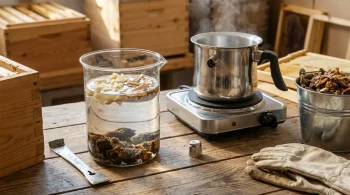
The Alchemist's Dilemma: A Physics-Based Guide to Refining Raw Propolis
Learn to purify raw propolis using cold water or gentle heat. This guide explores the physics of separation to maximize purity and value.
Read more
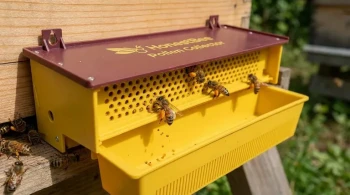
The Interface Problem: How Pollen Trap Design Shapes Colony Behavior and Harvest Quality
Choosing a pollen trap is a systems-design choice, balancing the psychology of your colony's workflow against the efficiency of your harvest.
Read more
The Paradox of the Pollen Trap: Engineering for Harvest and Hive Health
A well-designed pollen trap is a hive management system that balances collection efficiency with the colony's long-term vitality.
Read more
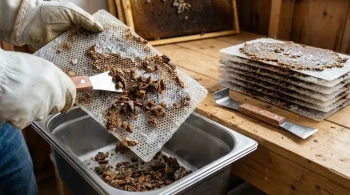
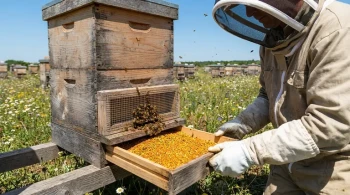
Systematic Agitation: The Engineering of a Propolis Harvest
Learn how beekeepers leverage bee psychology and hive engineering to systematically harvest propolis using specialized traps and tools.
Read more
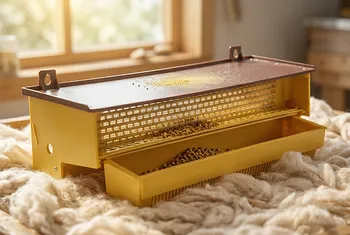
Redirecting the Flow: The Behavioral Science of a Pollen Trap
Installing a pollen trap is less a mechanical task than a behavioral negotiation. Success depends on managing hive stress and re-orienting bee traffic.
Read more
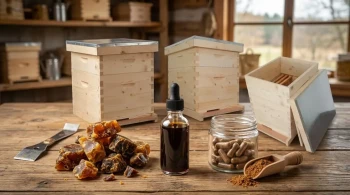
From Raw Resin to Potent Extract: The Engineering Behind Propolis Forms
Propolis form dictates bioavailability and function. This guide breaks down raw, powder, and tincture formats to help distributors stock for every market need.
Read more
A Comprehensive Guide to Using a Bee Venom Collector
Read more
How Propolis Protects Honey Bee Colonies: Antimicrobial Science & Beekeeping Applications
Discover how honey bees use propolis as a natural antimicrobial shield to protect their colonies, and learn beekeeping applications for healthier hives.
Read more
How Propolis Reinvents Hive Entrances: Nature’s Blueprint for Survival
Discover how propolis enhances hive entrances for defense, insulation, and hygiene. Learn to support bees' natural survival strategies in modern beekeeping.
Read more

The Secret Weapon of Hive Survival: How Bees Transform Resin into Propolis
Discover how bees transform resin into propolis—nature's antimicrobial shield for hives. Learn its vital roles in bee survival and human applications.
Read more
How Pollen Traps Transform Beekeeping: From Hive Health to Additional Income
Discover how pollen traps enhance hive health and create income in modern beekeeping. Learn collection science, benefits, and best practices.
Read more
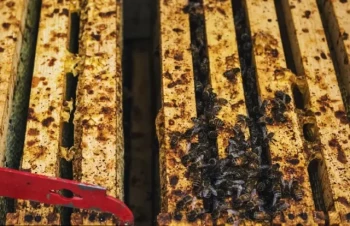
How to Safely Harvest Propolis Without Stressing Your Hive
Learn how to harvest propolis sustainably with expert tips on hive health, trap placement, and seasonal timing for beekeepers.
Read more
How to Install Pollen Traps Without Stressing Your Hive: A Beekeeper’s Guide
Learn how to install pollen traps without stressing your hive. Essential tips for beekeepers to harvest pollen while maintaining colony health.
Read more