Within 8 hours on working days, 24 hours on holidays
Filling & Bottling
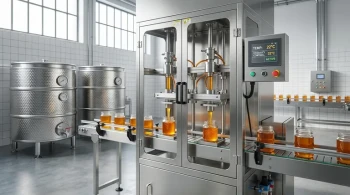
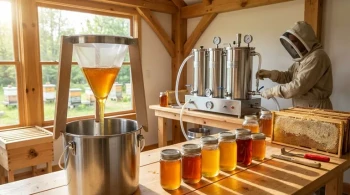
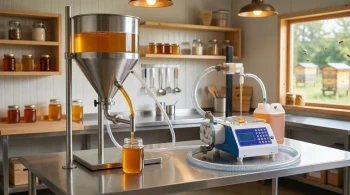
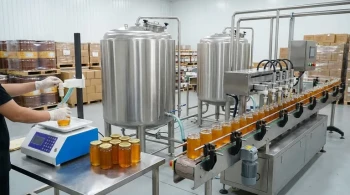
In the competitive honey market, precision and presentation are the keys to scaling your brand. HONESTBEE’s Filling & Bottling category offers a comprehensive suite of machinery designed to handle the unique viscosity of honey with ease. Whether you are a medium-scale producer or a large-scale industrial distributor, our equipment ensures hygienic, efficient, and waste-free packaging.
Our professional range includes:
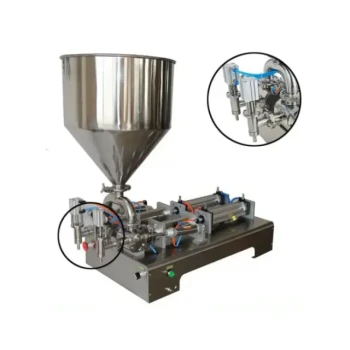
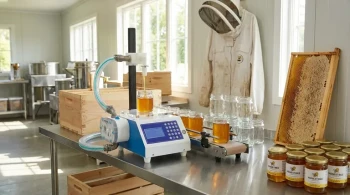
Bottling Solutions: From manual and pneumatic single-nozzle fillers to high-capacity rotary bottling lines.
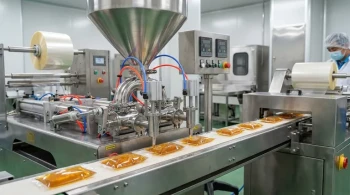
Sachet & Stick Packing: Fully automatic equipment for honey sticks, snap-and-squeeze sachets, and vertical paste packing.
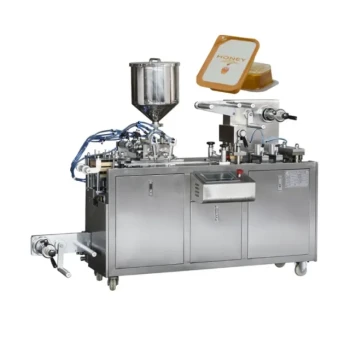
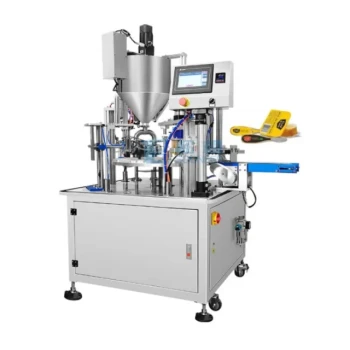
Innovative Specialty Packaging: Advanced turntable machines for honey-filled spoons and custom blister packing solutions.
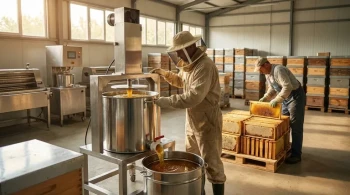
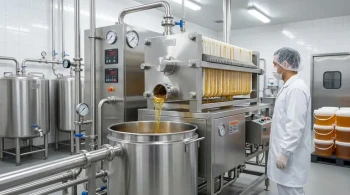
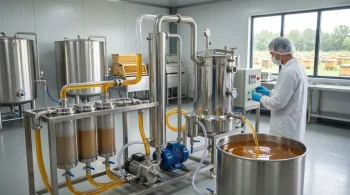
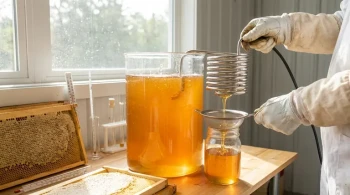
Integrated Systems: Automatic filling and filtering units that bridge the gap between extraction and final retail packaging.
Precision Engineering: The Core Principle of HONESTBEE Filling Systems
At the heart of every HONESTBEE filling machine lies a commitment to mechanical precision. Honey is a unique biological substance; its viscosity changes with temperature and floral source, making it one of the most challenging liquids to package accurately. Our machinery utilizes advanced volumetric and gravity-based filling principles, often controlled by high-end PLC (Programmable Logic Controller) systems, to ensure that every jar, sachet, or spoon is filled to the exact specification.
The most significant advantage of our systems is the reduction of 'overfill.' In the commercial honey industry, many producers overfill jars by 5-10 grams to ensure they meet legal weight requirements. However, with HONESTBEE’s precision technology, which offers an accuracy of ±2 to 3 grams for 500g jars, this 'safety margin' can be significantly reduced. For a commercial apiary producing 50,000 jars a year, saving just 3 grams per jar equates to 150kg of honey—essentially turning wasted product back into pure profit.
Versatile Solutions for Diverse Market Demands
The honey market is shifting toward convenience. While traditional glass and plastic jars remain staples, there is a booming demand for single-dose packaging. HONESTBEE stays ahead of these trends by offering specialized machinery for modern formats:
Honey Sachet & Stick Machines: Our vertical form-fill-seal (VFFS) machines are designed for high-speed production of honey sticks and sachets. These are perfect for the hospitality and travel industries, offering consumers a mess-free way to enjoy honey on the go.
Honey Spoon Filling & Sealing: A premium market entry, our turntable spoon filling machines automate the complex process of filling individual spoons and sealing them with foil, ensuring a high-end finish that commands retail premiums.
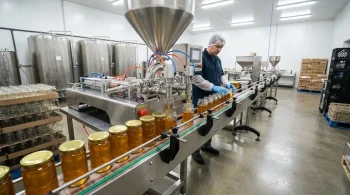
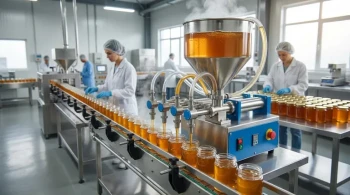
Rotary Filling Lines: For high-volume commercial distributors, our rotary machines provide continuous motion filling, reaching speeds of up to 1200 jars per hour. These machines are built for 24/7 operation with minimal downtime.
Blister Packing: Our customizable blister packing machines allow for creative, hygienic portion control that protects the honey's enzymatic integrity while providing a unique shelf presence.
Material Excellence and Food Safety Standards
When dealing with food products like honey, hygiene is non-negotiable. All HONESTBEE filling and bottling machines are constructed using food-grade 304 or 316 stainless steel. These materials are chosen for their corrosion resistance and ease of sterilization, ensuring that your production line remains GMP (Good Manufacturing Practice) compliant.
Our machines feature 'no-drip' nozzle technology and easy-clean designs. By minimizing drips and spills, we not only keep the production environment cleaner but also prevent the external contamination of the containers, which is vital for maintaining a professional brand image. The internal pathways of our machines are polished to a high degree to prevent honey crystallization from sticking to the walls, ensuring smooth flow and consistent weight across long production runs.
Customizable Automation for Every Scale of Operation
HONESTBEE understands that every apiary has different needs. A family-owned business may require a semi-automatic pneumatic filler that offers a balance between manual control and mechanical speed. Conversely, an international distributor needs a fully automated processing line where the bottles are filtered, filled, capped, and labeled without human intervention.
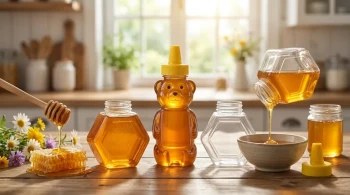
We specialize in customizable solutions. Our engineering team can adapt molds, nozzles, and conveyor systems to fit your specific container shapes—whether they are hexagonal glass jars, squeeze bottles, or innovative blister packs. This flexibility ensures that as your business grows, your equipment can evolve with you.
Why Choose HONESTBEE for Your Bottling Needs?
Choosing HONESTBEE means partnering with an industry leader that understands the nuances of beekeeping and honey processing. We don't just sell machines; we provide a total production solution. Our equipment is tested under rigorous conditions to ensure durability in the demanding environment of a honey packing plant. From the initial consultation to after-sales support, our focus is on maximizing your ROI through efficiency and reliability.
Are you ready to take your honey production to the professional level? Our experts are standing by to help you design the perfect filling and bottling line for your specific needs. Whether you need a quote for a single machine or a complete factory layout, we are here to assist.
Let HONESTBEE help you turn your honey harvest into a world-class retail product with the precision and professionalism your brand deserves.
FAQ
What Are The Main Applications Of Honey Packaging Machines?
Honey packaging machines are widely used in the artisanal honey industry to ensure the quality and purity of honey during the packaging process. They are suitable for both small and medium-scale producers and can handle various types of honey efficiently.
What Are The Main Applications Of A Honey Bottling Machine?
Honey bottling machines are primarily used in the artisanal honey industry by producers who prioritize quality in both honey and its packaging. These machines, whether semi-automatic or fully automatic, ensure accurate filling of each bottle or jar according to the required weight, handling various types of containers without compromising filling accuracy.
What Is The Principle Of A Honey Filtering Machine?
A honey filtering machine removes impurities such as wax, bee parts, and debris by passing honey through a series of progressively finer filters. The honey is heated to liquefy crystals, ensuring smoother filtration. Some machines use pressure systems to enhance speed and efficiency, resulting in clear, pure honey ready for bottling.
What Are The Main Applications Of A Honey Filling Machine?
Honey filling machines are primarily used for accurately filling honey into bottles or jars. They can also be adapted for filling other viscous liquids such as cosmetic products like creams and shampoos, provided the product characteristics are compatible with the machine's features.
What Is A Strainer For Honey Used For?
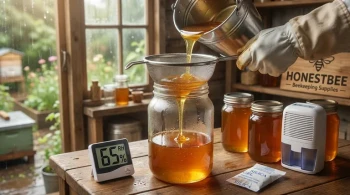
A strainer for honey is used to filter raw honey, removing impurities such as wax particles and debris while retaining beneficial components like pollen. It is essential for ensuring the purity and quality of honey during processing.
What Is A Honey Spinner Used For?
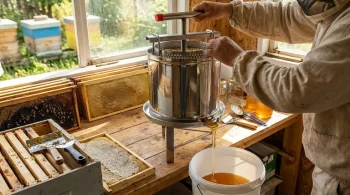
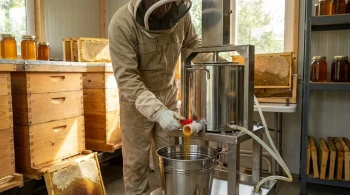
A honey spinner, also known as a honey extractor, is used in the artisanal honey industry to extract honey from honeycombs efficiently. It is ideal for beekeepers who focus on quality honey production and packaging.
What Types Of Honey Packaging Machines Are Available?
Honey packaging machines come in various types, including semi-automatic, fully automatic, manual, and pneumatic models. Each type is designed to meet different production needs and capacities, offering versatility and customization options.
What Are The Key Features Of A Honey Bottling Machine?
Key features of a honey bottling machine include a liquid level control system, an up and down step motor, a hopper, material barrels, a conveyor, an electrical box, a bottle gate and hold device, and an anti-drop pneumatic nozzle. Each component plays a crucial role in ensuring the machine operates accurately and efficiently during the bottling process.
What Are The Advantages Of Using A Honey Filtering Machine?
A honey filtering machine provides several benefits, including the removal of impurities such as wax particles, bee parts, pollen, and debris, which improves the taste, texture, and overall quality of honey. It also ensures consistency in texture and appearance, extends the shelf life by removing contaminants, helps comply with regulatory standards, and enhances marketability by producing visually appealing honey.
What Are The Key Features Of A Honey Filling Machine?
Key features of honey filling machines include stainless steel components that contact the honey to prevent contamination and ensure easy cleaning, seals made of silicone and fluoro rubber for durability against wear, temperature, acids, and corrosion, and a PLC control system for easy adjustment of operations. They are designed to be compact, stable, precise, and easy to operate and maintain.
What Are The Main Types Of Strainers For Honey?
The main types of strainers for honey include nylon honey strainers (e.g., square filter cloths and conical filter bags), stainless steel strainers (e.g., double-layer sieves and triangle support strainers), and integrated systems like honey storage tanks with built-in strainers.
What Are The Main Types Of Honey Spinners?
Honey spinners come in various types, including electric and manual models. Electric honey spinners, such as the 8-frame and 48-frame extractors, are designed for efficiency and durability, while manual honey spinners, like the 3-frame extractor, offer a gentle extraction process.
How Does A Honey Packaging Machine Work?
A honey packaging machine forms sticks or fills bottles with honey using pumps. Sensors detect the presence of containers, and honey is dispensed into them. The containers are then sealed and cut to give them a finished appearance. The machine features a double-layer insulated barrel to maintain honey concentration and purity.
How Does A Honey Bottling Machine Work?
A honey bottling machine operates on the principle of the reciprocating motion of a cylinder, which drives a piston to create negative pressure and thrust in the piston cylinder. This action sucks in the honey and pushes it into the packaging containers. The process involves loading honey into the machine, activating the filling mechanism, placing containers under the nozzle, and then sealing and labeling the filled containers.
What Are The Applications Of A Honey Filtering Machine?
A honey filtering machine is used to remove impurities such as wax particles, bee parts, pollen, and debris, which improves the taste, texture, and overall quality of honey. It ensures consistency in texture and appearance, extends the shelf life by removing contaminants, helps comply with regulatory standards, and enhances marketability by producing visually appealing honey. In the artisanal honey industry, these machines are used by producers who focus on the quality of honey and its packaging, using semi-automatic and fully automatic machines to meet quality requirements without compromising the end product.
How Does A Honey Filling Machine Work?
A honey filling machine operates by drawing honey from a storage tank and dispensing it into packaging containers. The process involves loading the honey into the machine, activating the filling mechanism, placing containers under the nozzle for filling, and then sealing and labeling the filled containers.
How Does A Strainer For Honey Work?
A strainer for honey works by filtering raw honey through a mesh or sieve, which traps impurities like wax and debris while allowing clean honey to pass through. Some systems use centrifugal force to extract honey from wax cells, followed by filtration for purity.
How Does A Honey Spinner Work?
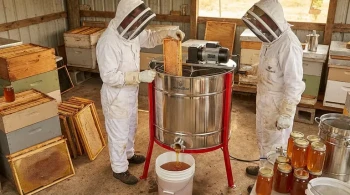
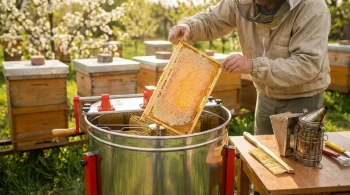
A honey spinner works by using centrifugal force to extract honey from honeycombs. The frames containing honeycomb are placed inside a cylindrical drum and spun gently at first, gradually increasing speed. The honey is flung out of the comb and collected at the bottom or sides of the extractor. After extraction, the honey may be filtered to remove debris or wax particles.
What Are The Advantages Of Using A Honey Packaging Machine?
Honey packaging machines offer several advantages, including fast and stable performance, a double-layer insulated barrel to maintain honey purity, and a suck-back device to prevent leakage. They are also customizable to handle different volumes and types of honey, making them versatile for various production needs.
What Are The Advantages Of Using A Honey Bottling Machine?
Using a honey bottling machine offers several advantages: it ensures precise filling with no variation between products, reduces the need for manual labor thereby decreasing labor costs, minimizes product waste through high filling accuracy, and increases production speeds which optimizes facility utilization and leads to significant long-term cost savings.
What Features Does A Honey Filtering Machine Offer?
A honey filtering machine removes impurities such as wax, bee parts, and debris by passing honey through a series of progressively finer filters. The honey is heated to liquefy crystals, ensuring smoother filtration. Some machines use pressure systems to enhance speed and efficiency, resulting in clear, pure honey ready for bottling.
What Are The Advantages Of Using A Honey Filling Machine?
The advantages of using a honey filling machine include high filling precision, ease of operation and maintenance, contamination-free filling due to stainless steel components, and the ability to handle various types of containers. Additionally, features like automation can increase throughput and reduce labor costs.
What Are The Advantages Of Using A Strainer For Honey?
The advantages of using a strainer for honey include retaining natural components like pollen, ensuring honey purity, and being cost-effective for small-scale beekeepers. Stainless steel strainers are durable and easy to clean, while nylon strainers are reusable and efficient.
What Are The Advantages Of Using A Honey Spinner?
Using a honey spinner offers several advantages, including precise and efficient honey extraction, increased productivity, and consistent quality. It also reduces labor costs and ensures a professional touch in the honey production process.
What Features Should I Consider When Choosing A Honey Packaging Machine?
When selecting a honey packaging machine, consider factors such as the packaging type, honey viscosity, production volume, and the machine's customization options. Advanced models offer adjustable filling and sealing parameters to meet specific requirements.
Can Honey Filling Machines Be Used For Products Other Than Honey?
Yes, honey filling machines can be adapted to fill other viscous products such as cosmetic creams and shampoos, as long as the product characteristics are suitable for the machine’s design and functionality.
Why Is Stainless Steel A Popular Material For Honey Strainers?
Stainless steel is popular for honey strainers because it is durable, easy to clean, and resistant to corrosion. It ensures long-lasting performance and maintains the purity of honey without introducing contaminants.
Can Nylon Strainers Be Reused For Honey Filtration?
Yes, nylon strainers are designed to be reusable. They are durable, easy to clean, and provide efficient filtration, making them a practical choice for beekeepers.
What Features Should I Look For In A Honey Strainer?
When choosing a honey strainer, look for features like fine mesh filtration (e.g., 160 mesh), durable materials (e.g., stainless steel or nylon), ease of cleaning, and compatibility with your beekeeping setup. Anti-drip features and heated nozzles can also enhance efficiency.
Are Strainers For Honey Suitable For Small-scale Beekeepers?
Yes, strainers for honey are ideal for small-scale beekeepers. They are cost-effective, easy to use, and allow for the retention of natural honey components like pollen, making them a practical solution for small operations.
What Is The Benefit Of Using A Double-layer Honey Strainer?
A double-layer honey strainer provides enhanced filtration by removing larger impurities in the first layer and finer particles in the second layer. This ensures a higher level of purity and clarity in the final honey product.
How Do I Clean A Honey Strainer?
To clean a honey strainer, rinse it with warm water to remove honey residue. For stainless steel strainers, use a mild detergent if necessary. Nylon strainers can be washed with water and air-dried. Ensure all parts are thoroughly dried before reuse.
This website uses cookies to enhance your browsing experience,
analyze site traffic, and serve better user experiences. By continuing to use this site, you consent to our use of
cookies. Learn more in our cookie policy.