Within 8 hours on working days, 24 hours on holidays
Beeswax Melter
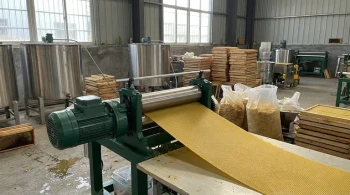
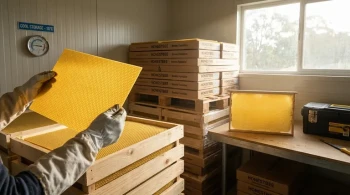
Beeswax processing is a vital stage in beekeeping, turning raw honeycomb into high-value material for cosmetics, candle-making, and pharmaceutical industries. HONESTBEE provides a comprehensive range of melting solutions tailored for every scale of operation. Our selection includes:
Solar Beeswax Melters: Harnessing the greenhouse effect for eco-friendly, high-purity extraction.
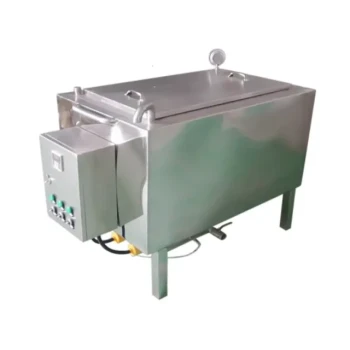
Electric Commercial Melters: Featuring precise temperature control for industrial factory efficiency.
Steam Wax Melters: 90L high-capacity units designed for rapid, large-scale processing.
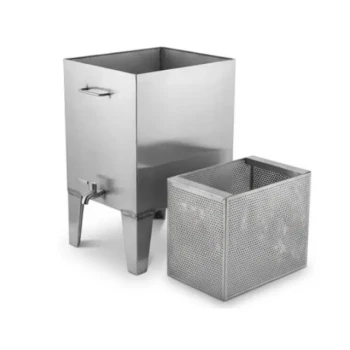
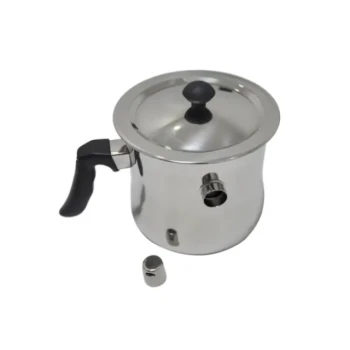
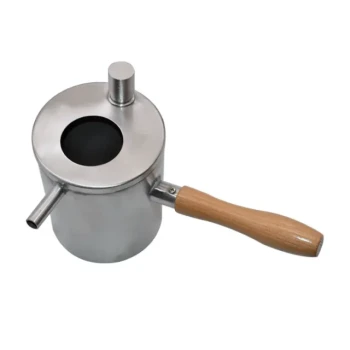
Stainless Steel Craft Melters: Durable, compact options (1.5L to professional sizes) for precision work like candle making.
Whether you are a commercial apiary or a specialized distributor, our melters ensure clean, light-colored wax extraction with minimal effort and maximum durability.
The Essential Guide to Professional Beeswax Melting and Extraction Solutions
At HONESTBEE, we understand that beeswax is more than just a byproduct; it is a premium commodity that requires precise handling to maintain its natural properties, aroma, and color. Our range of beeswax melters is engineered to meet the rigorous demands of commercial apiaries and industrial wax processors. By combining advanced thermal engineering with high-grade materials, we provide the tools necessary to transform raw cappings and old combs into pharmaceutical-grade wax.
The Science and Principle of Efficient Wax Melting
The fundamental principle of a beeswax melter is the controlled application of heat to initiate a phase change. Beeswax typically has a melting point between 62°C and 64°C (144°F to 147°F). However, to ensure a complete and efficient extraction, our machines are designed to maintain a consistent environment above 70°C (158°F).
Our melting systems utilize various energy sources—solar, electric, and steam—to achieve this state. The process involves loading raw honeycombs or wax cappings into a specialized tank. As the temperature rises, the solid wax liquefies, allowing it to separate from impurities (known as "slumgum"). The liquid wax is then filtered through fine mesh screens and collected in molds. Our equipment is specifically designed to prevent "hot spots," which can cause the wax to discolor or lose its delicate floral scent, ensuring the end product remains light-colored and highly marketable.
Diverse Applications of Refined Beeswax
Investing in high-quality melting equipment opens the door to numerous high-margin industries. Cleaned beeswax processed through HONESTBEE machinery is utilized across various sectors:
Cosmetics and Pharmaceuticals: Used as a base for all-natural lip balms, skin creams, and pomades. Our stainless steel melters ensure no metallic contamination occurs during processing.
Candle Manufacturing: From traditional tapers to modern scented wax melts, the purity of the wax determines the burn quality and scent throw.
Beekeeping Supplies: Large-scale apiaries use our melters to recycle old combs into clean wax for producing new foundation sheets, creating a sustainable loop in their operations.
Specialized Industrial Uses: Beeswax serves as a non-toxic ingredient in furniture polishes, waterproof coatings, and even as a base for children’s crayons.
Technical Advantages of the HONESTBEE Range
1. Material Integrity: 304 Stainless Steel Construction
Most of our professional and commercial melters are constructed from food-grade 304 stainless steel. This material is chosen for its exceptional corrosion resistance and ease of cleaning. Unlike galvanized steel or plastic alternatives, stainless steel does not react with the acidic components of honey or wax, preserving the chemical purity of your harvest.
2. Precision Temperature Management
Our electric commercial wax melters are equipped with digital thermostats. Precise control is vital because overheating beeswax above 85°C (185°F) can lead to discoloration, while exceeding 100°C (212°F) can cause the wax to burn or ignite. Our systems provide a "set-and-forget" safety profile, allowing operators to focus on other tasks while the wax melts safely.
3. The Solar Innovation: Purity Through Natural Heat
For beekeepers prioritizing sustainability and purity, our solar beeswax melters are the industry standard. By utilizing the greenhouse effect, these units achieve high temperatures without any external power source. The primary advantage of solar melting is the "dry" process—since no steam or water is introduced, the wax retains its natural light-yellow hue and is free from water-borne impurities. It also provides a protective environment that prevents wax moths from infesting the material during extraction.
4. Industrial Scalability: Steam and Factory Units
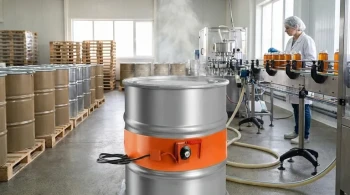
For operations processing hundreds of kilograms of wax daily, our 90L steam melters and industrial electric units offer unmatched throughput. These machines are designed for continuous use, featuring insulated walls to minimize energy loss and high-torque heating elements to reduce melting times to the 30-to-90-minute range.
Why Choose HONESTBEE for Your Wholesale Needs?
As a global leader in beekeeping machinery and consumables, HONESTBEE caters specifically to the needs of distributors and commercial enterprises. We don't just sell equipment; we provide integrated solutions for the beekeeping industry.
Customization (OEM/ODM): We understand that different markets have different requirements. We offer customizable services, including voltage adjustments for electric units (110V/220V), private labeling for distributors, and modifications in tank capacity to suit specific factory layouts.
Professionalism and Support: Our team consists of experts in both apiculture and mechanical engineering. We provide comprehensive documentation and technical support to ensure your equipment operates at peak efficiency for years.
Comprehensive Portfolio: Beyond melters, we supply hive-making machinery, honey-filling lines, and cultural merchandise, making us a one-stop shop for your beekeeping business development.
Maximize Your Productivity Today
Whether you are looking to upgrade your commercial apiary’s efficiency or seeking a reliable wholesale partner for high-demand beekeeping tools, HONESTBEE is ready to assist. Our beeswax melters are tested for durability, safety, and performance in the most demanding environments.
Are you ready to scale your wax processing capabilities? We offer competitive wholesale pricing and global shipping logistics tailored to your business needs.
A wax warmer uses a gentle heating element to melt scented wax, releasing its fragrance into the air. The wax is placed in the warmer's dish or reservoir, where it gradually liquefies under the gentle warmth. As the wax melts, the aroma disperses around the room, providing a continuous release of fragrance without the need for an open flame.
What Is The Principle Of A Solar Beeswax Melter?
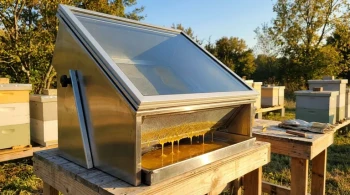
A solar beeswax melter uses sunlight to melt beeswax, creating clean wax without additional energy sources. It typically consists of a container with a glass or plastic covering and a small inner container where melted wax collects. The heat from the sun melts the wax, which then drips into a pan of water, often passing through a filter.
What Is A Solar Wax Melter?
A solar wax melter is an eco-friendly device that uses solar energy to melt wax from hive frames. It harnesses sunlight to melt the wax, offering a sustainable and cost-effective solution for beekeepers.
What Is The Principle Of A Beeswax Melter?
The principle of operation of any wax melter involves heating honeycombs loaded into a tank to a temperature above +70°C. This causes the wax to melt into a liquid state, which is then filtered and used for its intended purpose.
What Is The Principle Of A Wax Melter?
The principle of operation of any wax melter involves heating honeycombs loaded into a tank to a temperature above +70°C. This causes the wax to melt into a liquid state, which is then filtered and used for its intended purpose. The process is the same regardless of the design or energy source used.
What Is A Queen Cage Used For?
A queen cage is a small container designed to hold and transport the queen bee along with a few attendant worker bees. It is primarily used when the queen is being moved from one location to another, ensuring her safety and proper introduction into a new hive.
What Are The Advantages Of Using A Wax Warmer?
Wax warmers provide added flexibility and comfort during hair removal treatments. They are designed to work with various wax formulas and ensure consistent heating, which is essential for achieving the right wax consistency. Additionally, they reduce the risk of overheating and make the wax removal process safer and more efficient. Wax warmers are easy to use and maintain a consistent temperature, allowing the wax to reach the right consistency.
What Are The Advantages Of Using A Solar Beeswax Melter?
The benefits of using a solar beeswax melter include sustainability, as it reduces the energy footprint by harnessing renewable solar energy; high-quality wax, as the slow and controlled melting process ensures clean and pure wax free from contaminants; and versatility, as it is compatible with frames from different hive systems and can be expanded for larger volumes of wax. Additionally, it is environmentally friendly, requires no energy, and is low maintenance, making it suitable for beginners.
How Does A Solar Wax Melter Work?
A solar wax melter uses solar energy to melt wax in an energy-saving and environmentally friendly manner. The upper part of the box is equipped with a glass plate or double web plate to collect solar energy. The honeycombs and wax plates are either hung directly on the frame or placed individually on existing plates inside the melter. The melter is angled so that the wax flows downwards into a wax bucket, which may include a wax sieve to filter out coarse impurities during the melting process.
What Are The Advantages Of A Steam Beeswax Melter?
The advantages of a steam wax melter include standard dimensions, a comfortable and well-thought-out design, fast melting of honeycombs, obtaining high-quality non-burnt wax, and minimal intervention required from the beekeeper during the melting process.
What Are The Advantages Of A Wax Melter?
The advantages of a wax melter include standard dimensions, a comfortable and well-thought-out design, fast melting of honeycombs, obtaining high-quality non-burnt wax, and minimal intervention required from the beekeeper during the melting process.
What Are The Main Features Of A Plastic Queen Cage?
Plastic queen cages typically have grid openings to allow the queen and worker bees to be fed honey and water during transit. They also include a small round opening for adding or subtracting bees, a hinged top for direct release of the queen, and a tube for adding sugar candy or marshmallows to allow worker bees to release the queen.
What Are The Main Applications Of A Wax Warmer?
Wax warmers are primarily used in hair removal treatments, providing consistent heating to achieve the right wax consistency. They are also used for melting scented wax to release fragrance into the air, offering a continuous and safe aroma dispersion without the need for an open flame.
What Are The Applications Of A Solar Beeswax Melter?
A solar beeswax melter is used to melt beeswax using the heat of the sun, especially useful for beekeepers with large quantities of raw wax. The wax is placed in a pan inside the melter, and the melted wax is collected in a tray as it cools and solidifies. This purified wax can then be reused in various applications such as candles and cosmetics.
What Are The Main Features Of A Solar Wax Melter?
The main features of a solar wax melter include high-strength double-glazed glass that reaches up to 120°C under direct sunlight, a stainless steel plate for uniform heat distribution, and a durable wax tray that provides ample space for melting wax from hive frames. These features ensure efficient, even melting and easy cleaning.
What Are The Applications Of A Beeswax Melter?
Beeswax is used to polish furniture and other surfaces, and it is also used in the production of candles and cosmetics.
What Are The Applications Of A Wax Melter?
A wax melter simplifies and speeds up the wax melting process. It is ideal for applications such as candle making, cosmetics, and hair removal preparations. It ensures safety and efficiency by avoiding overheating and making it easier to remove wax from the pot.
How Does A Queen Cage Work?
A queen cage works by securely containing the queen bee and a few attendant worker bees during transport. It provides ventilation and sometimes includes a mechanism, such as sugar candy or marshmallows, that allows worker bees to gradually release the queen once she is introduced to a new hive. This helps ensure a smooth transition and acceptance by the new colony.
What Are The Different Types Of Wax Warmers Available?
There are several types of wax warmers available, including electric wax warmers, solar wax melters, and steam wax melters. Electric wax warmers are ideal for industrial use with precise temperature control, solar wax melters are eco-friendly and harness solar energy, and steam wax melters are efficient for beekeepers and candle making.
What Are The Main Features Of A Solar Beeswax Melter?
The main features of a solar beeswax melter include high-strength double-glazed glass that reaches up to 120°C under direct sunlight, a stainless steel plate for uniform heat distribution, and a durable wax tray that provides ample space for melting wax from hive frames. These features ensure efficient, even melting and easy cleaning.
What Are The Advantages Of Using A Solar Wax Melter?
The benefits of using a solar wax melter include the ability to melt wax using solar energy, which is an eco-friendly and cost-effective method. Solar wax melters can handle multiple frames at once, making them efficient for beekeepers with larger operations. They also allow for the collection of clean wax by using paper towels to filter out slumgum, and the use of silicone baking pans makes it easier to remove the wax blocks. Additionally, solar wax melters can be designed to be portable and adjustable for optimal sun exposure, enhancing their usability.
What Are The Main Types Of Wax Melters?
The main types of wax melters include steam wax melters, electric wax melters, and solar wax melters. Each type has its own unique features and is suited for different applications, such as small apiaries, industrial use, or eco-friendly beekeeping.
What Are The Advantages Of Using A Queen Cage?
Using a queen cage offers several advantages, including a high acceptance rate for the queen when introduced to a new hive. It allows the queen to be transported safely and introduced with her own brood and eggs, along with her own nurse bees, creating a familiar and supportive environment. Additionally, it simplifies the process of queen introduction and reduces the risk of rejection by the colony.
How Does A Wax Warmer Ensure Safety During Use?
Wax warmers reduce the risk of overheating by maintaining a consistent temperature, which is essential for achieving the right wax consistency. They eliminate the need for an open flame, making the wax removal process safer and more efficient. Users can often adjust the temperature settings to control the melting process, ensuring optimal results.
What Are The Applications Of A Solar Wax Melter?
A solar wax melter is used for melting beeswax from hive frames using solar energy. It is particularly beneficial for beekeepers who want a sustainable and cost-effective method for wax extraction. The device can handle multiple frames at once, making it suitable for larger operations, and it allows for the collection of clean wax by filtering out impurities.
What Types Of Beeswax Melters Are Available?
There are several types of beeswax melters available, including electric commercial beeswax melters for factory use, steam beeswax melters for wax processing, solar beeswax melters for eco-friendly wax extraction, and compact beeswax melters for candle making and crafting.
How Does A Steam Wax Melter Work?
A steam wax melter works by directing hot steam into a container where frames with honeycombs are placed. The steam is generated in a hermetically sealed container where water boils, and the steam is then directed through a hose into the wax melter, melting the wax.
What Types Of Queen Cages Are Available?
There are various types of queen cages available, including plastic queen cages with grid openings, push-in queen marking cages, and handheld queen marking cages. Each type is designed for specific purposes, such as transport, marking, or introduction, and offers features like ventilation, ease of use, and precise handling.
This website uses cookies to enhance your browsing experience,
analyze site traffic, and serve better user experiences. By continuing to use this site, you consent to our use of
cookies. Learn more in our cookie policy.