Within 8 hours on working days, 24 hours on holidays
Beehive Transport
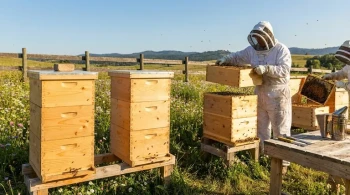
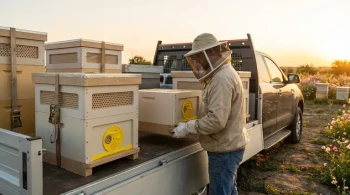
HONESTBEE’s Beehive Transport category is engineered for the rigors of migratory beekeeping, where rapid and safe relocation of colonies is essential to maximize nectar flows. Whether you are moving hives across different altitudes for acacia or coffee blooms, our equipment ensures stability and bee health throughout the journey.
Our selection includes:
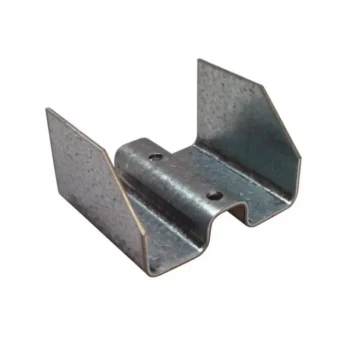
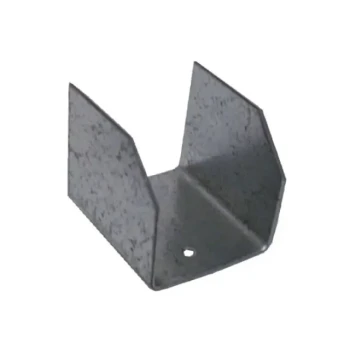
Heavy-Duty W-Style & U-Style Pallet Clips: Galvanized steel fasteners designed to secure hives firmly to pallets, preventing shifting during transit.
Ergonomic Two-Person Hive Lifters: A foldable, high-strength steel tool designed to reduce physical strain while moving Langstroth hives.
Professional Beekeeping Headlamps: Featuring red light modes and Type-C charging for calm, efficient night-time inspections and loading.
Designed for commercial durability, these tools minimize downtime and protect your most valuable assets—your bees.
In the competitive world of commercial honey production, the ability to move bee colonies efficiently and safely is a primary driver of success. HONESTBEE understands that hive transport is not just about logistics; it is about biological preservation and economic optimization. Our comprehensive range of transport equipment is designed to meet the high-intensity demands of professional apiarists who manage thousands of colonies across vast geographical landscapes.
The Economics of Mobility and Nectar Flow Optimization
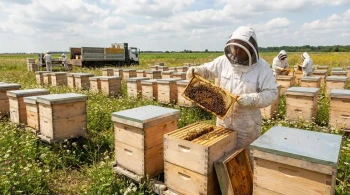
Mobile beehive transport platforms have revolutionized the industry by allowing beekeeping operations to follow the "bloom clock." By rapidly moving bee colonies according to the flowering sequences of plants at different altitudes—such as acacia in the highlands, coffee in the plateaus, or tropical fruit trees in the valleys—beekeepers can significantly extend their production seasons.
However, the benefits of migration are only realized if the bees arrive healthy. HONESTBEE’s transport solutions are engineered to minimize the two greatest threats during transit: heat stress and vibration damage. When hives are subjected to excessive shaking or poor ventilation, the colony's internal temperature rises, leading to melted wax, brood death, and increased mortality among worker bees. Our specialized platforms and securing hardware ensure that the worker bees remain calm and can begin foraging immediately upon arrival at a new nectar source, ensuring no time is lost in the honey production cycle.
The Science of Cross-Wind Transportation
One of the most critical techniques in modern apiary logistics is cross-wind transportation. This involves orienting the beehive entrance sideways, parallel to the direction of vehicle travel. This configuration is not accidental; it is a thermal management strategy. By placing entrances in this manner, moving air is forced to enter the hive through the entrance and exit through other openings. This creates a passive cooling system that is far more effective than traditional rear-facing or front-facing orientations.
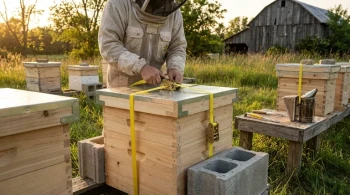
HONESTBEE supports this strategic orientation by providing the high-grade hardware necessary to secure these configurations. Our heavy-duty galvanized steel clips are designed to handle the lateral forces exerted on hives during high-speed highway travel and the bumpy transitions into rural orchards. By facilitating cross-wind cooling, our equipment helps reduce the risk of colony collapse during long-distance transit, particularly in tropical or high-summer climates.
Engineering Excellence: W-Style and U-Style Pallet Clips
For commercial distributors and large-scale apiaries, the palletization of hives is the standard for efficiency. However, a pallet is only as good as its securing mechanism.
Heavy-Duty Galvanized Steel W-Style Pallet Clips: These are the workhorses of the industry. The "W" design provides multiple points of contact, distributing the tension evenly across the hive body. Made from high-tensile steel and finished with a thick layer of galvanization, these clips resist the corrosive effects of bee formic acid and outdoor humidity. They are built to last through decades of seasonal migrations.
Versatile U-Style Steel Pallet Clips: For apiaries using varied hive dimensions or custom pallet designs, the U-style clip offers unparalleled versatility. It provides a secure, immovable grip that prevents the "hive slide" common during sudden braking or sharp turns on mountainous roads.
Human-Centric Design: Ergonomics and Safety
Beekeeping is a physically demanding profession, and the risk of back injury during hive relocation is a significant concern for commercial operators. HONESTBEE addresses this with our Ergonomic Two-Person Foldable Hive Lifter.
Reduces Physical Strain: By distributing the weight between two operators and utilizing a lever-action grip, the lifter minimizes the vertical force required to move heavy Langstroth hives.
Foldable for Storage: We recognize that space on a transport truck is at a premium. Our lifters fold down to a compact size, making them easy to stow when the truck is fully loaded.
Furthermore, because most hive moving occurs at night or in the pre-dawn hours to ensure all foragers are inside the hive, visibility is a safety priority. Our Professional Rechargeable Beekeeping Headlamp is a game-changer for night operations. Unlike standard white light, which can agitate bees and cause them to crawl out of the hive and sting the operator, our headlamp features a specialized Red Light Mode. Bees cannot perceive red light, allowing the beekeeper to work in total darkness with full visibility while the colony remains in a calm, dormant state.
Why Choose HONESTBEE for Your Apiary Needs?
As a specialist in beekeeping machinery and essential industry consumables, HONESTBEE doesn't just sell products; we provide solutions backed by years of industry experience. We cater specifically to commercial apiaries and distributors who require bulk quantities and consistent quality.
Our hardware is subjected to rigorous stress tests to ensure it can withstand the harshest environmental conditions. We also understand that different regions have different beekeeping standards, which is why we offer customizable services. Whether you need specific dimensions for your pallet clips or specialized machinery for hive-making, our engineering team is ready to assist.
Let’s Scale Your Beekeeping Operation Together
Are you looking to upgrade your transport fleet or source reliable hardware for your distribution network? HONESTBEE is your professional partner in the beekeeping industry. We provide the full spectrum of tools—from the smallest consumable to the largest honey-filling machine—all designed to help you succeed in the global honey market.
Contact our expert team today to discuss wholesale pricing, custom manufacturing requirements, or to request a comprehensive catalog of our beehive transport and machinery solutions. Let us help you ensure that your bees arrive at their destination ready to thrive.
FAQ
What Is A Hive Tool Used For In Beekeeping?
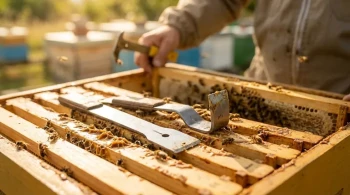
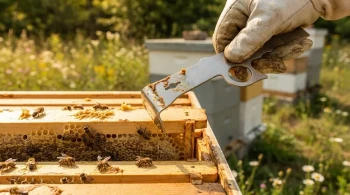
A hive tool is a specialized pry bar used by beekeepers to separate hive parts glued together with propolis by honeybees. It is also used to scrape off unwanted propolis and burr comb. It is essential for inspecting and maintaining the hive.
What Are The Main Features Of A Hive Tool?
A hive tool is a multi-tool used in beekeeping for opening the hive, lifting and shifting frames or other hive parts, scraping away wax and propolis, and prying out or re-setting loose nails or staples. It is made of tempered steel and is typically 20 to 25 cm long, with a flattened end and a bent end for prying frames.
What Is The Principle Behind Using A Hive Tool?
The principle behind using a hive tool is its multipurpose functionality. It is used for scraping unwanted burr comb, prying hive boxes apart, picking up frames, and removing nails. It is considered an essential tool for beekeepers to maintain and inspect hives effectively.
What Are The Advantages Of Using A Hive Tool?
The advantages of using a hive tool include its ability to separate brood and super chambers, loosen frames, scrape hive parts, and remove debris. Made of tempered steel, it is durable and typically 20 to 25 cm long, with a flattened end and a bent end for prying frames, making it an indispensable tool for beekeepers.
Why Is A Hive Tool Essential For Beekeepers?
A hive tool is essential for beekeepers because it allows them to effectively separate hive parts, scrape off propolis and burr comb, and perform routine maintenance tasks. Its multifunctional design makes it a crucial tool for ensuring the health and productivity of the hive.
This website uses cookies to enhance your browsing experience,
analyze site traffic, and serve better user experiences. By continuing to use this site, you consent to our use of
cookies. Learn more in our cookie policy.