Within 8 hours on working days, 24 hours on holidays
Uncapping Scraper
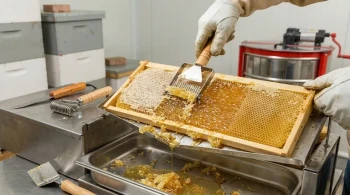
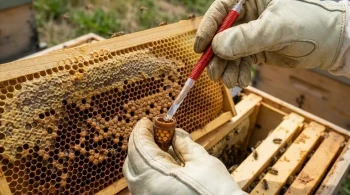
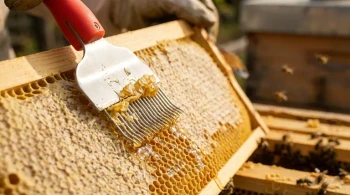
HONESTBEE provides a comprehensive range of professional uncapping tools designed to optimize the critical first step of honey extraction. Our uncapping scrapers and forks are engineered to remove wax cappings with precision, ensuring maximum honey flow while protecting the delicate honeycomb structure for future use. This category is essential for commercial apiaries and distributors seeking durable, high-efficiency equipment.
Our professional selection includes:
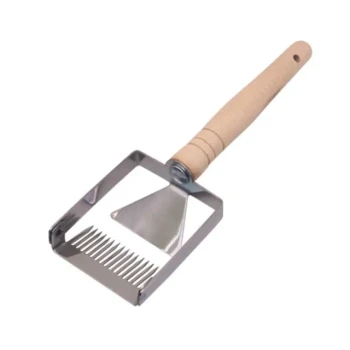
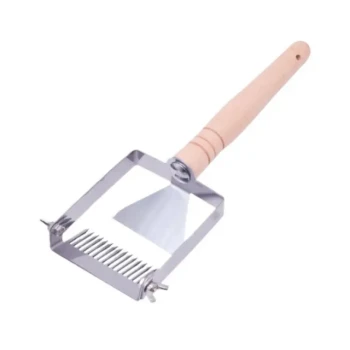
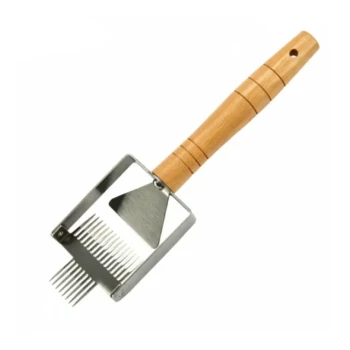
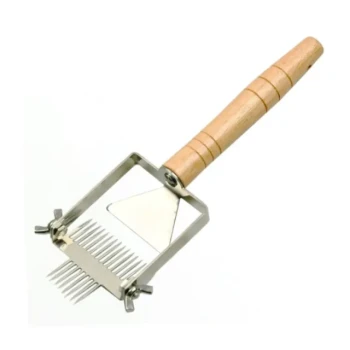
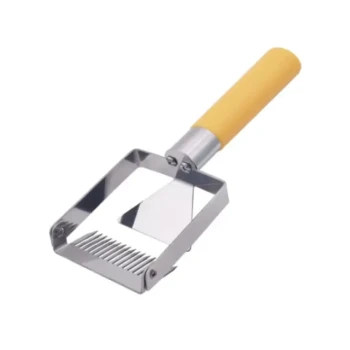
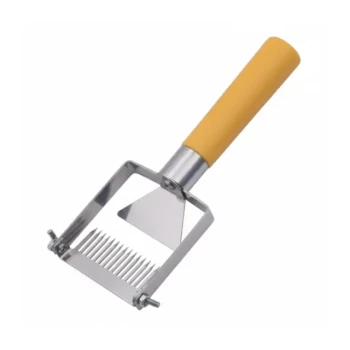
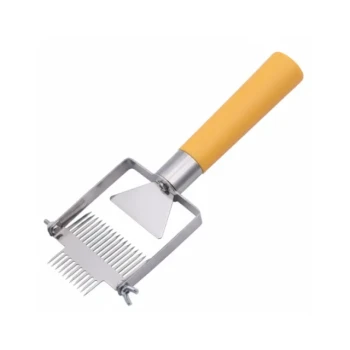
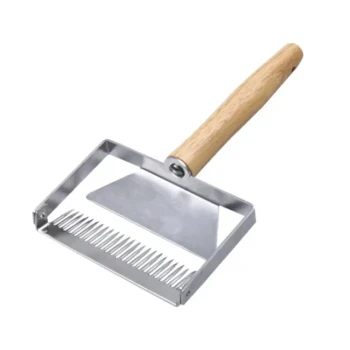
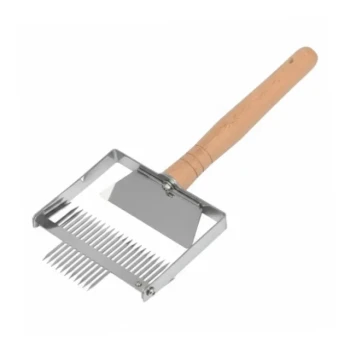
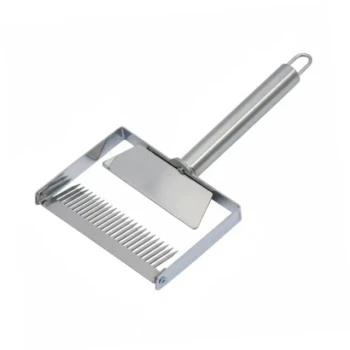
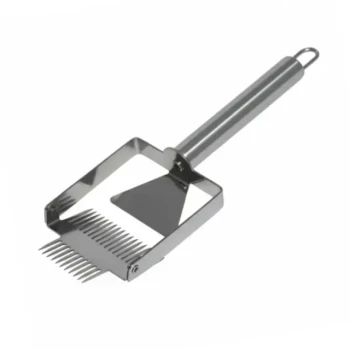
Stainless Steel Uncapping Forks: Available with ergonomic wooden or hygienic plastic handles, featuring precision-ground tines.
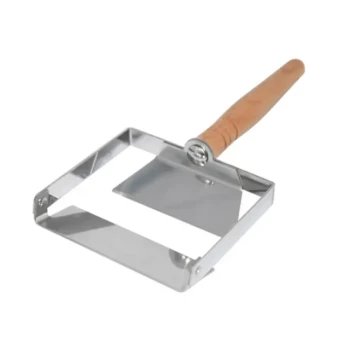
Adjustable & Pivoting Scrapers: Innovative designs that allow beekeepers to adapt to irregular comb surfaces and control depth.
Extra-Wide & T-Handle Tools: Heavy-duty options built for high-volume processing and reduced operator fatigue.
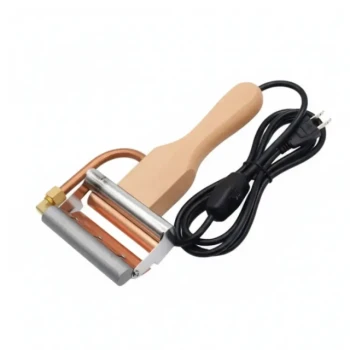
Electric Uncapping Planes: High-speed solutions with adjustable heat and blades for rapid, large-scale honey harvesting.
Crafted from food-grade materials, these tools are built to withstand the rigors of a busy harvest season while maintaining the highest hygiene standards.
Precision Engineering for Commercial Honey Extraction: The HONESTBEE Uncapping Series
In the competitive landscape of commercial honey production, the efficiency of the extraction process directly impacts the bottom line. At HONESTBEE, we understand that uncapping is not merely about removing wax; it is about speed, precision, and the preservation of valuable resources. Our professional range of uncapping scrapers and forks is designed to meet the rigorous demands of large-scale apiaries and global distributors who prioritize quality and operational throughput.
The Technical Principles of Efficient Uncapping
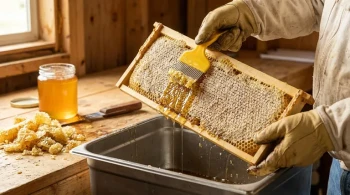
The fundamental goal of uncapping is to remove the thin layer of wax bees use to seal honey cells without damaging the cell walls. When done correctly, this allows the honey to be spun out in a centrifuge and the intact comb to be returned to the hive. Our tools are designed based on three core principles:
Mechanical Precision: Whether using a traditional fork or an electric plane, our tools are calibrated to penetrate only the capping layer. Our adjustable stainless steel forks allow the user to set the depth of the tines, ensuring that the honey is accessible while the foundation remains undisturbed.
Thermodynamic Efficiency: For high-volume operations, our electric uncapping planes utilize controlled heat to slice through wax like butter. This prevents the wax from tearing and reduces the physical force required by the operator, leading to cleaner cuts and faster processing times.
Ergonomic Leverage: Harvesting honey is a repetitive task. HONESTBEE tools are engineered with ergonomic handles—from traditional steamed wood to high-impact, slip-resistant plastics—to reduce wrist strain and maximize the leverage of every stroke.
Key Characteristics of the HONESTBEE Range
Premium Material Composition
Every tool in our uncapping category is manufactured using high-grade stainless steel. This choice of material ensures that the tools are resistant to the acidic nature of honey and the moisture inherent in the honey house environment. Our 'All-Stainless' models are particularly favored by commercial operations for their ability to withstand industrial sterilization processes, ensuring a zero-contamination environment.
Versatility in Design
Our product portfolio addresses the varied needs of different hive management styles:
Pivoting Heads: Our double-sided pivoting forks allow the user to maintain a consistent angle against the frame, even when dealing with uneven or "wavy" combs. This flexibility is crucial for maximizing honey recovery from frames that aren't perfectly flat.
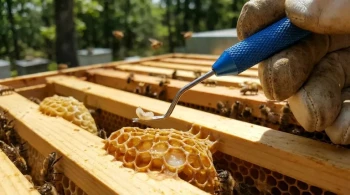
Integrated Scrapers: Many of our forks feature a secondary scraper edge. This is laser-cut from stainless spring steel, making it ideal for removing burr comb and propolis from the sides of frames during the extraction process, serving as a multi-functional tool that saves time.
Extra-Wide Geometries: For commercial frames, our extra-wide uncapping forks cover more surface area per stroke, significantly reducing the labor hours required to prepare a batch for the extractor.
The HONESTBEE Advantage for Distributors and Commercial Apiaries
Choosing HONESTBEE means investing in equipment that grows with your business. We don't just supply tools; we provide solutions tailored to the industry's evolving needs.
Durability and Longevity
Unlike consumer-grade beekeeping supplies, HONESTBEE tools are built for heavy-duty use. The tines on our forks are reinforced to prevent bending, and our electric planes feature heavy-duty heating elements designed for continuous operation. This durability ensures a lower total cost of ownership over the product's lifespan.
Non-Invasive Extraction
Our manual uncapping rollers and forks are designed to be non-invasive. By leaving the majority of the wax on the frame, you allow the bees to spend less energy rebuilding comb and more energy collecting nectar. This bio-efficiency is a hidden profit margin for the commercial beekeeper, leading to faster turnaround times between harvests.
Customizable Wholesale Solutions
As a global supplier, HONESTBEE offers extensive customization services. We understand that distributors often require specific packaging, private labeling, or even modifications to handle designs to suit local market preferences. We are equipped to handle bulk orders with consistent quality control, ensuring that every shipment meets international standards.
Partner with the Experts in Beekeeping Hardware
HONESTBEE is more than a manufacturer; we are a partner in your success. Our deep understanding of beekeeping machinery and consumables allows us to offer a curated portfolio that truly benefits the professional honey producer. From specialized machinery to the hand tools used every day in the honey house, our focus remains on quality, efficiency, and professional service.
Are you looking to upgrade your extraction facility or expand your distribution catalog with high-performance uncapping tools? Our team is ready to provide technical specifications, bulk pricing, and customization options tailored to your specific needs.
A hive tool is a specialized pry bar used by beekeepers to separate hive parts glued together with propolis by honeybees. It is also used to scrape off unwanted propolis and burr comb. It is essential for inspecting and maintaining the hive.
What Is A Bee Brush Used For?
A bee brush is primarily used by beekeepers to gently move bees off comb surfaces during hive inspections, honey harvesting, and other beekeeping tasks. It helps in preserving the delicate honeycomb structure and ensures that bees are not harmed.
What Is The Principle Of Bee Hive Supply In Mild Climates?
In mild climates, the condensing principle involves heavily insulating the tops of hives while leaving the walls non-insulated and providing openings at the bottom. Moist air condenses on the cooler hive walls, runs down these walls, and drips out through the bottom openings, effectively managing moisture within the hive.
What Is An Uncapping Tub Used For In Beekeeping?
An uncapping tub is used in beekeeping to enhance the honey extraction process. It helps in removing the wax caps from honeycombs efficiently, ensuring high-quality honey production.
What Is The Purpose Of A Beekeeping Outfit?
A beekeeping outfit is designed to protect beekeepers from bee stings and other aggressive pollinators like yellow jackets. It also helps keep them cool on hot days and reduces the risk of getting stung when combined with a smoker and experience.
What Are The Applications Of A Flow Beehive?
A flow beehive is primarily used for sustainable beekeeping and easy honey extraction. It is designed to be beginner-friendly and eco-friendly, making it ideal for those starting their beekeeping journey or managing backyard beekeeping.
What Are The Main Features Of A Hive Tool?
A hive tool is a multi-tool used in beekeeping for opening the hive, lifting and shifting frames or other hive parts, scraping away wax and propolis, and prying out or re-setting loose nails or staples. It is made of tempered steel and is typically 20 to 25 cm long, with a flattened end and a bent end for prying frames.
What Are The Main Features Of A Bee Brush?
A bee brush typically features soft bristles for gently brushing bees off frames, a varnished wooden handle for a comfortable grip, and a hole in the handle for hanging. It is made from natural materials, designed to be durable, and is washable in hot water.
What Are The Advantages Of Using A Bee Hive Stand?
Using a bee hive stand has several advantages: it raises the hive off the ground, which prevents rainwater and moisture from seeping into the hive, keeps the hive entrance further from grass to reduce pest intrusion, and makes the hive easier to access, reducing strain on the beekeeper's back and shoulders during maintenance. Additionally, it saves your back by reducing the need to bend and lift heavy hive boxes, makes a comfortable home for the bees by keeping the hive dry and safe from moisture issues, and protects the hive from predators and pests by elevating it off the ground.
What Are The Main Types Of Uncapping Tubs Available?
The main types of uncapping tubs include those made from durable 304 stainless steel and those constructed from plastic. Both types are designed to optimize honey extraction and improve beekeeping productivity.
What Are The Main Features Of A Beekeeping Outfit?
A beekeeping suit is typically made of durable white cotton with elastic bands on the wrists and ankles. It includes a collapsible, self-supporting veiled hood with wires to maintain its shape. The design offers great visibility to the front and sides, and the material is protective, comfortable, and lightweight. Lightweight suits are good for light to moderate use, are flexible, and help keep the user cooler.
What Is The Principle Behind Using A Hive Tool?
The principle behind using a hive tool is its multipurpose functionality. It is used for scraping unwanted burr comb, prying hive boxes apart, picking up frames, and removing nails. It is considered an essential tool for beekeepers to maintain and inspect hives effectively.
What Are The Advantages Of Using A Bee Brush?
The advantages of using a bee brush include its ability to gently guide bees without causing harm, its role in preserving the delicate honeycomb structure, and its versatility in various beekeeping tasks such as hive inspections, honey harvesting, and educational demonstrations.
What Types Of Bee Hives Are Available In The Bee Hive Supply Category?
The bee hive supply category includes various types of hives such as Wholesales Dadant Size Wooden Bee Hives, Top Bar Beehives, Langstroth Honey Bee Box Hive Boxes, and Long Langstroth Style Horizontal Top Bar Hives. Each type is designed to meet different beekeeping needs and preferences.
What Are The Advantages Of Using A Stainless Steel Uncapping Tub?
A stainless steel uncapping tub offers durability, resistance to corrosion, and ease of cleaning. These features ensure long-term use and maintain the quality of the honey extraction process.
What Are The Advantages Of Using A Beekeeping Outfit?
A beekeeping suit provides maximum protection, making it ideal for extensive work or when dealing with aggressive bees. It ensures safety, comfort, and reduces the risk of stings during hive inspections and honey harvesting.
What Are The Advantages Of Using A Flow Beehive?
The advantages of using a flow beehive include easy and bee-friendly honey extraction, reduced strain on the beekeeper’s back and shoulders during maintenance, and improved hive protection from moisture, pests, and predators by elevating the hive off the ground.
What Are The Advantages Of Using A Hive Tool?
The advantages of using a hive tool include its ability to separate brood and super chambers, loosen frames, scrape hive parts, and remove debris. Made of tempered steel, it is durable and typically 20 to 25 cm long, with a flattened end and a bent end for prying frames, making it an indispensable tool for beekeepers.
What Types Of Bee Brushes Are Available?
Bee brushes come in various types, including those with plastic handles and single-row bristles, wooden handles with pig bristles, double-row horse tail hair bristles, and double-row artificial fiber bristles. Each type is designed to cater to different beekeeping needs and preferences.
What Are Some Essential Tools Included In The Bee Hive Supply Category?
Essential tools in the bee hive supply category include Stainless Steel J Hook Hive Tools, Plastic Handle Single Row Bee Brushes, Frame Grip Frame Lifters, and Stainless Steel Beekeeping Racks. These tools are crucial for hive maintenance, inspections, and honey harvesting.
How Does An Uncapping Tub Improve Honey Extraction Efficiency?
An uncapping tub streamlines the honey extraction process by providing a dedicated space for uncapping honeycombs. This reduces the time and effort required, enhancing overall productivity in beekeeping.
What Types Of Beekeeping Outfits Are Available?
Beekeeping outfits come in various types, including jackets with veils and hats, full suits with hats and veils, and specialized gloves. Some are made of polyester, while others use goatskin leather for gloves. There are also lightweight and heavy-duty options to suit different levels of use and protection needs.
Why Is A Hive Tool Essential For Beekeepers?
A hive tool is essential for beekeepers because it allows them to effectively separate hive parts, scrape off propolis and burr comb, and perform routine maintenance tasks. Its multifunctional design makes it a crucial tool for ensuring the health and productivity of the hive.
How Does A Bee Brush Help In Beekeeping?
A bee brush helps in beekeeping by allowing beekeepers to gently move bees off comb surfaces, making hive inspections and honey harvesting easier and safer. Its soft bristles ensure that bees are not harmed, and its ergonomic design provides a comfortable grip for the beekeeper.
How Do Bee Hive Frames Contribute To Hive Productivity?
Bee hive frames, such as Wooden Bee Hive Frames and Plastic Bee Frame Beekeeping Hive Frames, enhance hive productivity by providing a structured environment for bees to build comb and store honey. They are designed to be durable, customizable, and bee-friendly, which helps in maintaining healthy and productive hives.
What Features Should I Look For In An Uncapping Tub?
When selecting an uncapping tub, look for features such as durable construction (e.g., stainless steel or high-quality plastic), an integrated strainer system, and ease of cleaning. These features ensure efficient and high-quality honey extraction.
How Does A Beekeeping Outfit Protect Against Stings?
A beekeeping outfit protects against stings by using durable materials like cotton or polyester that bees cannot easily penetrate. The outfit covers the entire body, including the head with a veiled hood, and often includes gloves with extended sleeves. Elastic bands on the wrists and ankles ensure a snug fit, preventing bees from entering.
This website uses cookies to enhance your browsing experience,
analyze site traffic, and serve better user experiences. By continuing to use this site, you consent to our use of
cookies. Learn more in our cookie policy.