Within 8 hours on working days, 24 hours on holidays
Frame making machine
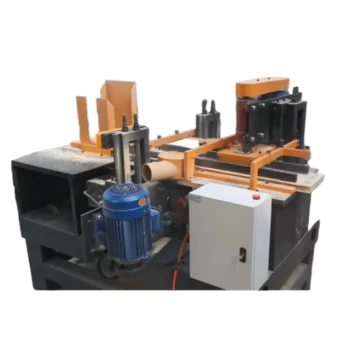
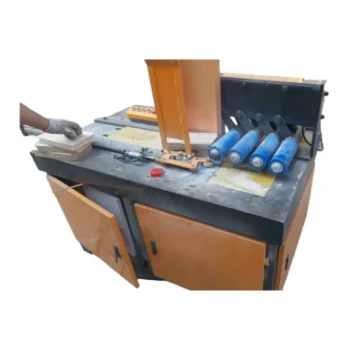
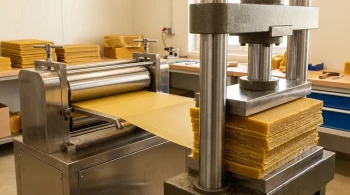
In the competitive landscape of commercial beekeeping, the precision and durability of hive frames are paramount. HONESTBEE’s Frame Making Machine category offers a complete industrial solution for manufacturers and large-scale apiaries looking to automate their production lines. Our machinery is engineered to handle the rigorous demands of mass-producing Langstroth, Dadant, and custom-sized frames with unerring accuracy.
Our specialized equipment range includes:
Component Shaping: Side bar slicers and forming machines for precise Hoffman-style profiles.
Precision Slotting: Specialized grooving machines for top and bottom bars to ensure perfect foundation fit.
Integrated Solutions: Desktop and professional-grade forming units for various production scales.
By transitioning from manual assembly to HONESTBEE’s automated systems, businesses can ensure structural uniformity, reduce timber waste, and significantly lower labor costs while maintaining the highest industry standards.
The Ultimate Guide to Industrial Bee Frame Production: Precision, Automation, and Scalability
For commercial apiaries and beekeeping equipment distributors, the hive frame is more than just a wooden rectangle; it is the structural foundation of the honey production process. A poorly made frame can lead to collapsed combs, difficult inspections, and inefficient bee movement. HONESTBEE’s Frame Making Machine series is designed to eliminate these risks through advanced engineering and automated precision. Our machines bridge the gap between artisanal woodworking and high-output industrial manufacturing.
The Core Principles of Our Frame Making Technology
At the heart of every HONESTBEE machine lies a commitment to three core principles: Modular Precision, Structural Integrity, and Operational Ergonomics.
Modular Precision: Our machines, such as the Side Bar Slicer and the Top & Bottom Bar Forming Machine, utilize high-speed carbide-tipped blades and precision-guided tracks. This ensures that every component is cut to within a fraction of a millimeter. This level of precision is vital for "self-spacing" Hoffman frames, where the side bars must maintain exact widths to ensure proper bee space throughout the hive.
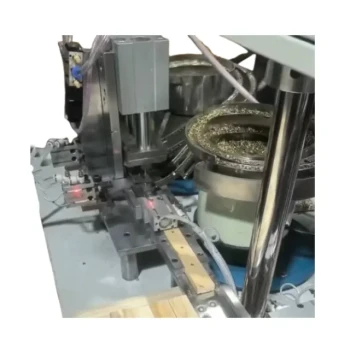
Structural Integrity: Beekeeping frames undergo significant stress during honey extraction and hive transport. Our Semi-Auto Stapling Machines and Eyelet Insertion Machines are designed to create joints that withstand centrifugal forces and the weight of heavy honey crops. By using pneumatic pressure for assembly, we ensure that staples and eyelets are driven home with consistent force, preventing the wood from splitting while maximizing grip.
Operational Ergonomics: We understand that industrial environments require machines that are easy to operate and maintain. Our Mini Desktop models offer portability for smaller workshops, while our Pneumatic Bee Frame Machines feature foot-pedal controls and safety guards, allowing operators to maintain high throughput without physical strain.
Comprehensive Breakdown of the Frame Production Line
To achieve a seamless production flow, HONESTBEE offers equipment for every stage of the frame-making process:
Stage 1: Timber Slicing and Profile Forming
The process begins with our Side Bar Slicer and Forming Machines. These units take raw timber blanks and transform them into the complex shapes required for modern frames. The side bar forming machine specifically automates the creation of the tapered edges that define self-spacing frames, a task that is notoriously difficult and dangerous to perform on standard table saws.
Stage 2: Grooving and Slotting
A frame is only as good as its ability to hold a foundation. Our Top Bar & Bottom Bar Grooving Machine creates precise slots that accommodate wax or plastic foundations perfectly. By ensuring the groove is centered and of uniform depth, we prevent the foundation from warping or falling out during the heat of the summer or the rigors of the extractor.
Stage 3: Punching and Eyeletting
For beekeepers who prefer wired frames, our Hole Puncher and Automatic Eyelet Assembly Machine are game-changers. Punching holes manually is time-consuming and often results in misaligned wires. Our pneumatic punching machines create perfectly aligned holes across the entire side bar in a single stroke. Following this, the eyelet machine automatically feeds and seats brass eyelets, preventing the wire from cutting into the wood over time.
Stage 4: Final Assembly and Stapling
The final stage is brought together by our Semi-Auto Bee Frame Assembly and Stapling Machine. This unit aligns the four components of the frame and secures them with industrial-grade staples. This ensures the frame is perfectly square—a critical factor for ensuring frames fit properly into the hive body without sticking.
The HONESTBEE Advantage: Customization and Professional Support
What sets HONESTBEE apart is our ability to cater to the specific needs of the global market. We recognize that beekeeping standards vary significantly between regions—from the standard Langstroth used in North America to the British National or the Dadant common in Europe.
Customization: Our machines can be calibrated and customized to produce any frame dimension. Whether you need specific groove widths for extra-thick foundations or unique side bar profiles, our engineering team can adapt our machinery to your specifications.
Durability: Built with high-grade stainless steel and reinforced alloys, our machines are designed for 24/7 operation in industrial settings. We use high-quality pneumatic components and motors to ensure long-term reliability.
Expert Consultation: We don't just sell machines; we provide production solutions. Our team can help you design a layout for your factory that optimizes workflow and minimizes material handling.
Why Invest in Automated Frame Production?
For distributors and large-scale apiaries, the ROI on a Frame Making Machine is rapid. By bringing production in-house, you reduce your reliance on external supply chains, lower your per-unit cost, and ensure that your customers receive a product that is consistently superior. Automated production also allows for "just-in-time" manufacturing, reducing the need for massive warehouse space for pre-assembled frames.
Partner with HONESTBEE Today
Are you ready to scale your beekeeping business and dominate the market with high-quality, precision-made frames? HONESTBEE is your partner in industrial beekeeping excellence. Our machinery is backed by comprehensive technical support and a commitment to the success of your commercial apiary.
Take the next step in your production journey. Whether you are looking for a single machine to solve a bottleneck or a complete, fully automated production line, our experts are ready to assist you.
Let HONESTBEE provide the tools you need to build a stronger, more efficient beekeeping industry. Our professionalism is your competitive edge.
FAQ
What Are The Main Types Of Hole Punchers For Bee Frames?
The main types of hole punchers for bee frames include the Mini Desktop Bee Hive Frame Forming Making Machine, the Frame Punching Hole Puncher Machine, and the Frame Eyelets Assembly Machine. Each type is designed to cater to specific needs in the bee frame production process.
What Is A Frame Machine?
A frame machine is a specialized piece of equipment used in beekeeping to automate the production and assembly of bee frames. These machines can perform various tasks such as forming, stapling, punching holes, and fitting eyelets into bee frames, making the process more efficient and precise.
What Are The Main Applications Of Small Bee Hives?
Small bee hives are primarily used in beekeeping to house bee colonies, facilitate honey production, and support the natural progression of brood development. They are ideal for backyard beekeepers and are designed to prevent swarming or absconding due to insufficient space.
What Are The Main Applications Of Beekeepers Tools?
Beekeepers tools are essential for various tasks such as hive inspections, honey extraction, and frame cleaning. They include items like veils and hats for facial protection, hive tools for opening sealed hives, and frame rests for convenience during inspections. Additionally, tools like the BeeConnected app help manage pollination agreements and related activities.
What Is The Main Application Of An Automatic Stapler Machine?
The main application of an automatic stapler machine is in the assembly and stapling of bee frames, which is essential for beekeeping and honey production.
What Is A Stapling Machine Used For?
A stapling machine is primarily used for assembling bee frames in beekeeping and honey production. It helps in efficiently and securely stapling parts of the bee frame together, ensuring durability and stability.
What Are The Main Applications Of Beekeeping Tools?
Beekeeping tools are primarily used for tasks such as opening bee hives, removing and replacing frames, and performing maintenance on hive surfaces. They are essential for beekeeping activities aimed at pollination, honey production, and hive management.
What Are The Applications Of Hole Punchers In Beekeeping?
Hole punchers are essential in beekeeping for creating precise holes in bee frames, which are necessary for assembling and maintaining hive structures. They are used in the production of Langstroth and Dadant size frames, ensuring efficiency and durability in beekeeping operations.
What Are The Advantages Of Using A Bee Frame Making Machine?
The bee frame making machine allows users to quickly and easily form bee frames for bees and honeycombs. Its compact size makes it easy to store and transport.
What Are The Main Types Of Frame Machines?
The main types of frame machines include the Semi-Auto Bee Frame Assembly and Stapling Machine, Mini Desktop Bee Hive Frame Forming Making Machine, Frame Punching Hole Puncher Machine, and Frame Eyelets Assembly Machine. Each type is designed for specific tasks in the bee frame production process.
What Are The Key Features Of Small Bee Hives?
Small bee hives are designed to provide sufficient space for the brood nest and honey storage. They are typically compact, with dimensions as small as 22 inches long, 16 inches wide, and 10 inches tall. They also support the use of small cell bees, which are healthier and more productive.
What Types Of Tools Are Commonly Used By Beekeepers?
Common tools used by beekeepers include queen marking tubes and catchers for safe queen bee handling, goatskin leather gloves for sting protection, stainless steel hive tools for hive maintenance, and bee brushes for gentle bee removal. Other essential tools include beekeeping suits, hats with veils, and hive scrapers for efficient hive management.
What Are The Types Of Automatic Stapler Machines Available?
One type of automatic stapler machine available is the Semi-Auto Bee Frame Assembly and Stapling Machine, designed specifically for beekeeping tasks.
What Types Of Stapling Machines Are Available?
One type of stapling machine available is the 'Semi-Auto Bee Frame Assembly and Stapling Machine.' This machine is designed for high efficiency and offers customizable options to suit different beekeeping needs.
What Types Of Beekeeping Tools Are Available?
Beekeeping tools include protective gear like gloves, hats with veils, and suits; hive management tools such as hive tools, frame lifters, and grafting tools; and specialized equipment like bee venom collectors and honey uncapping knives.
What Are The Advantages Of Using A Hole Puncher For Bee Frames?
Using a hole puncher for bee frames offers several advantages, including high-speed production, precision in hole placement, and customization options to fit specific beekeeping needs. These machines are durable and designed to optimize the efficiency of beekeeping supply manufacturers.
What Are The Main Types Of Bee Frame Making Machines?
The main types of bee frame making machines include the Semi-Auto Bee Frame Assembly and Stapling Machine, Mini Desktop Bee Hive Frame Forming Making Machine, Frame Punching Hole Puncher Machine, and Frame Eyelets Assembly Machine.
What Is The Principle Behind Small Bee Hives?
The principle behind small bee hives is to create an environment that supports the natural growth and development of bee colonies. This includes ensuring adequate space for brood and honey storage, maintaining the natural progression of brood development, and preventing issues like swarming or absconding.
What Are The Advantages Of Using Beekeepers Tools?
Using beekeepers tools offers numerous benefits, including enhanced safety during hive inspections, efficient hive management, and protection against bee stings. These tools also facilitate tasks like honey extraction and frame cleaning, making beekeeping more productive and enjoyable. Additionally, beekeeping contributes to biodiversity, food production, and global ecosystems, while providing economic value and opportunities for family bonding.
What Are The Advantages Of Using An Automatic Stapler Machine?
The advantages of using an automatic stapler machine include high efficiency, customizable options, and durable construction, making it ideal for consistent and reliable use in beekeeping operations.
What Are The Advantages Of Using A Semi-auto Stapling Machine For Bee Frames?
The advantages of using a semi-auto stapling machine for bee frames include high efficiency, customizable options, and durable construction. These features make it perfect for beekeeping and honey production, ensuring a reliable and long-lasting assembly process.
How Does A Frame Punching Hole Puncher Machine Work?
A Frame Punching Hole Puncher Machine operates by precisely punching holes into bee frames at high speeds. It is designed for efficiency and can be customized to meet the specific requirements of beekeeping supply manufacturers, ensuring consistent and reliable hole placement.
What Are The Applications Of Bee Frame Making Machines?
Bee frame making machines are primarily used in beekeeping and honey production to efficiently create durable and reliable hive frames. They are ideal for beekeeping supply manufacturers and beekeepers looking to streamline frame production.
What Are The Advantages Of Using A Frame Machine?
The advantages of using a frame machine include increased efficiency and precision in bee frame production. These machines can automate repetitive tasks, reduce manual labor, and ensure consistent quality. Additionally, they can handle large volumes of production, making them ideal for beekeeping supply manufacturers.
What Are The Advantages Of Using Small Bee Hives?
Small bee hives offer several advantages, including better control of mites. Trachea mites cannot fit into the trachea of small cell bees, and varroa mites have less time to multiply because small cell bees emerge 2 days sooner than larger cell bees. This natural size and emergence time often eliminate the need for chemical treatments, making the bees healthier and more productive.
What Features Should Good Beekeeping Gloves Have?
Good beekeeping gloves should be made of durable materials like sheepskin leather to protect against bee stings and heat. They should be nimble enough to work between frames, extend up to the elbow, and have a cinched end to keep bees out. This ensures both safety and comfort during hive inspections and other beekeeping activities.
How Does An Automatic Stapler Machine Enhance Beekeeping Efficiency?
An automatic stapler machine enhances beekeeping efficiency by speeding up the assembly and stapling process of bee frames, ensuring a quicker and more reliable setup for honey production.
What Are The Advantages Of Using Beekeeping Tools?
Beekeeping tools offer numerous benefits, including enhanced safety for beekeepers, efficient hive management, and improved productivity in tasks like honey extraction and queen rearing. They also contribute to the overall health and maintenance of bee colonies.
What Are The Applications Of Frame Machines?
Frame machines are primarily used in the beekeeping industry for the production and assembly of bee frames. They are essential for manufacturers and beekeepers who need to produce large quantities of frames efficiently and with high precision. These machines are also used in honey production and beekeeping supply manufacturing.
What Types Of Small Bee Hives Are Available?
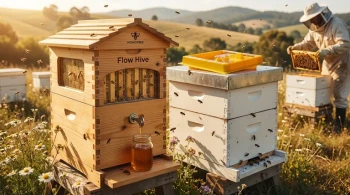
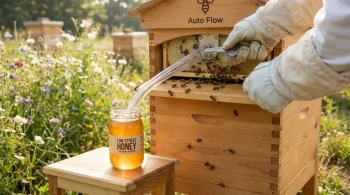
There are several types of small bee hives available, including automatic honey flow beehives, wooden nuc boxes, poly nuc boxes, and styrofoam mini mating nuc boxes. Each type is designed to meet specific beekeeping needs, such as honey extraction, bee growth, and queen rearing.
Why Is Beekeeping Considered A Rewarding Practice?
Beekeeping is considered rewarding because it benefits biodiversity, food production, and global ecosystems. It offers economic value through pollination and job creation, supports local gardens, increases food for wildlife, and produces natural products like honey and beeswax. Additionally, beekeeping is an engaging hobby that can be profitable, reduces stress, and provides opportunities for family bonding and making new friends.
How Do Beekeeping Tools Contribute To Beekeeping As A Practice?
Beekeeping tools play a crucial role in making beekeeping a rewarding and sustainable practice. They help in maintaining healthy bee colonies, ensuring safe and efficient hive management, and supporting activities that benefit biodiversity, food production, and global ecosystems.
What Are Some Examples Of Protective Beekeeping Gear?
Protective beekeeping gear includes items like goatskin leather gloves, beekeeping suits with hats and veils, ventilated helmets, and jackets designed to offer maximum protection against bee stings while ensuring comfort and breathability.
What Is The Purpose Of Hive Tools In Beekeeping?
Hive tools are used for opening bee hives, removing and replacing frames, scraping wax, and prying hive boxes. They are essential for routine hive inspections and maintenance, ensuring the smooth operation of beekeeping activities.
What Are The Benefits Of Using Stainless Steel Beekeeping Tools?
Stainless steel beekeeping tools are durable, rust-resistant, and easy to clean, making them ideal for tasks like hive inspections, frame cleaning, and honey extraction. Their ergonomic design ensures efficient and safe handling during beekeeping operations.
How Do Beekeeping Tools Support Queen Rearing?
Beekeeping tools like grafting tools and queen cages are essential for queen rearing. They enable precise handling of larvae, safe transport of queen bees, and efficient grafting processes, which are crucial for maintaining and expanding bee colonies.
What Is The Significance Of Beekeeping In Environmental Conservation?
Beekeeping supports environmental conservation by promoting biodiversity, enhancing pollination of plants, and contributing to the health of ecosystems. It also aids in the production of natural products like honey and beeswax, which have various uses and benefits.
This website uses cookies to enhance your browsing experience,
analyze site traffic, and serve better user experiences. By continuing to use this site, you consent to our use of
cookies. Learn more in our cookie policy.