Within 8 hours on working days, 24 hours on holidays
Bee Costume
HONESTBEE’s Bee Costume category serves as a bridge between professional beekeeping and high-impact brand marketing. Designed specifically for commercial apiaries, distributors, and educational organizations, these costumes are essential tools for trade shows, community outreach, and promotional campaigns.
Our current lineup features a wide array of options tailored to different engagement needs:
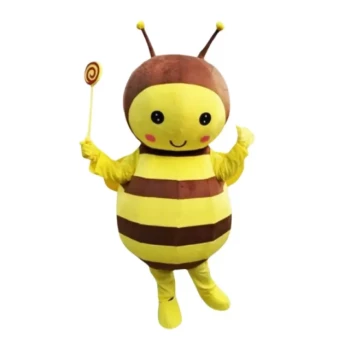
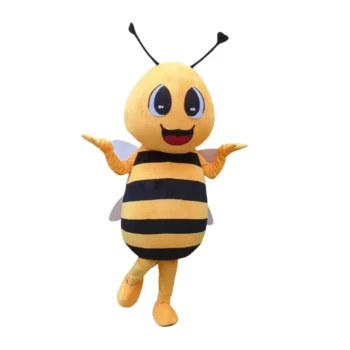
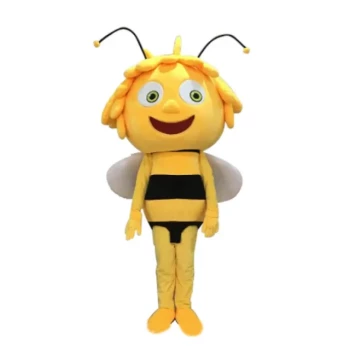
Professional Mascots: Including high-quality plush designs like our 'Friendly Bee' and 'Superhero Bee', as well as recognizable characters like 'Maya the Bee'.
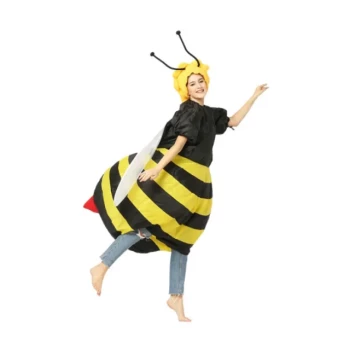
Inflatable Attire: Lightweight, professional-grade inflatable costumes that provide high visibility and ease of movement for long-duration promotional events.
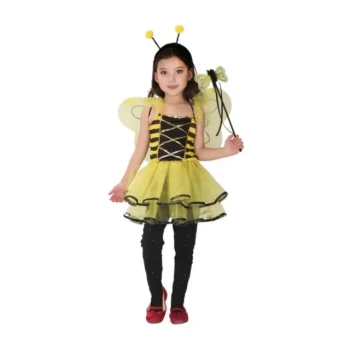
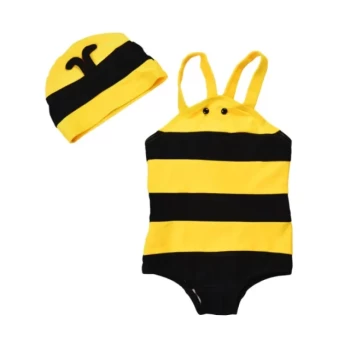
Cultural & Youth Apparel: Adorable bee-themed children’s sets and baby swimwear, perfect for retail expansion in honey-themed gift shops and educational centers.
Whether you are looking to create a memorable brand ambassador or provide educational fun, our costumes combine durability with engaging aesthetics to ensure your message resonates with every audience.
Elevate Your Brand with Professional Bee Costumes and Mascot Solutions
In the competitive landscape of the honey and beekeeping industry, standing out requires more than just high-quality honey—it requires a memorable brand identity. HONESTBEE understands that commercial apiaries and distributors need dynamic ways to engage with the public. Our range of Bee Costumes is engineered to transform your marketing efforts, turning every event into a high-visibility branding opportunity.
The Strategic Advantage of Bee Mascot Costumes
Mascots are more than just costumes; they are brand ambassadors that embody your company’s values and personality. In the beekeeping sector, a friendly, approachable mascot can demystify the industry for the public, making your brand the go-to source for honey products and services.
High Engagement: A mascot like our 'Plush Bee Mascot' or 'Superhero Bee' naturally attracts crowds, making it easier for your sales team to initiate conversations at trade shows and festivals.
Brand Recall: Visual memory is powerful. A well-designed bee character ensures that when customers think of honey, they think of the vibrant, friendly character associated with your brand.
Educational Impact: For apiaries involved in school programs or workshops, our costumes help capture the attention of younger audiences, facilitating a better learning environment about the importance of bees.
Technical Excellence in Design and Construction
At HONESTBEE, we apply the same rigorous standards to our cultural merchandise as we do to our hive-making machinery. Our costumes are built to withstand the demands of professional use.
Plush Mascot Engineering
Our plush mascot costumes are constructed with high-density EPE foam heads, which are lightweight yet incredibly durable. Unlike traditional heavy cardboard frames, EPE foam maintains its shape while providing superior ventilation for the wearer. The exterior is wrapped in premium, ultra-soft plush fabric that is both vibrant and resistant to fading, ensuring your brand looks fresh event after event.
Inflatable Costume Technology
For promoters who require maximum mobility and comfort in warm climates, our 'Bee Inflatable Costume' is the ideal choice. Made from high-strength, waterproof polyester, these costumes utilize a high-speed, battery-operated internal fan to maintain a constant, impressive volume. They are incredibly easy to transport, folding down into a compact size, making them the favorite for international distributors traveling to various exhibitions.
Comparing Protective Gear and Promotional Attire
It is important for our commercial clients to distinguish between functional beekeeping protection and promotional attire.
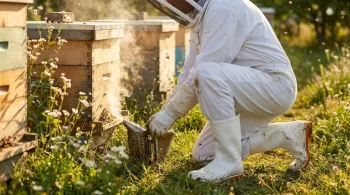
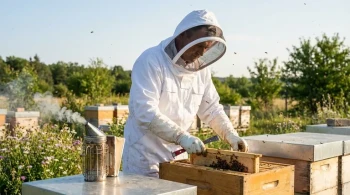
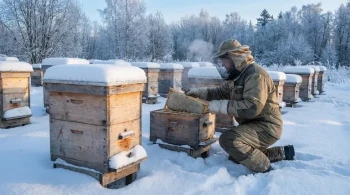
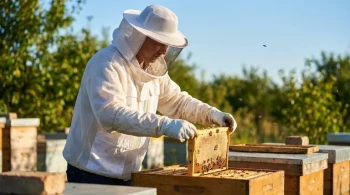
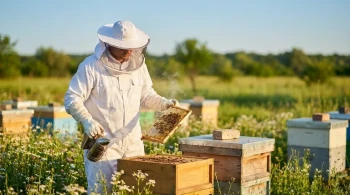
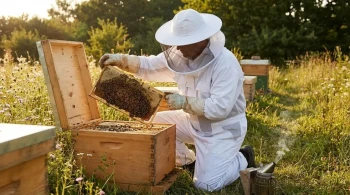
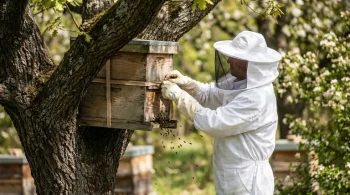
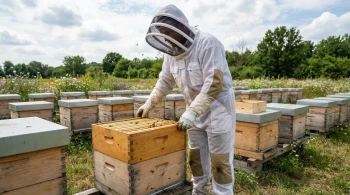
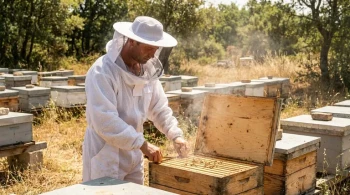
Protective Bee Suits: As referenced in our technical catalogs, a professional bee suit is a full-body garment designed for safety. It features thumb ties, integrated veils, and elasticated seals to protect beekeepers from stings during hive management. These are essential for the "back-end" of your operations.
Promotional Bee Costumes: Our mascot line represents the "front-end" of your business. While they do not offer protection against live bees, they offer "protection" for your brand's reputation by providing a professional, clean, and engaging appearance.
Choosing the right tool for the job is vital. While a bee jacket is less cumbersome for work in the apiary on hot days, our inflatable mascots are less cumbersome for brand ambassadors working a 6-hour shift at a honey fair.
Customization and Wholesale Services
HONESTBEE specializes in catering to the specific needs of wholesale distributors. We understand that one size does not fit all when it comes to branding.
Logo Integration: We can incorporate your company logo directly onto the mascot's attire, such as a custom vest or a branded honey pot accessory.
Custom Designs: If you have a specific character concept or require a costume that aligns with a particular regional honey variety, our design team can work with you to bring that vision to life.
Bulk Distribution: We offer tiered pricing for large-scale distributors, ensuring that you can equip multiple branches or retail partners with high-quality promotional assets at a competitive price point.
Durability and Maintenance for Long-Term ROI
Investing in a professional mascot is a long-term marketing strategy. To ensure the longevity of your Bee Costume, HONESTBEE designs every piece for easy maintenance. Most of our plush costumes feature removable parts that can be spot-cleaned, while the inflatable models can be easily wiped down. By following our provided care guidelines, your investment will continue to yield returns for years, appearing at countless grand openings, parades, and industry events.
Partner with HONESTBEE for Your Marketing Needs
With our deep roots in the beekeeping industry, HONESTBEE is uniquely positioned to provide the equipment and merchandise that help your business thrive. We don't just supply tools; we supply solutions that grow your market share.
Are you ready to make your brand the talk of the next industry event? Whether you need a single 'Iconic Maya the Bee' costume for a local promotion or a hundred inflatable units for a national campaign, we have the manufacturing capacity and expertise to deliver.
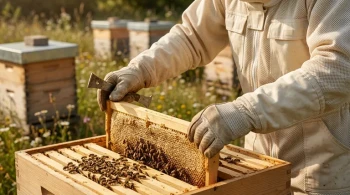
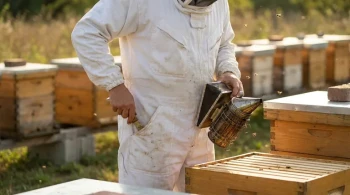
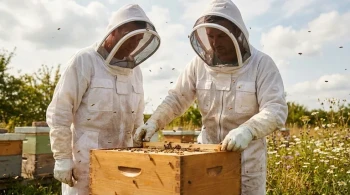
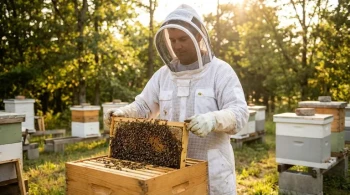
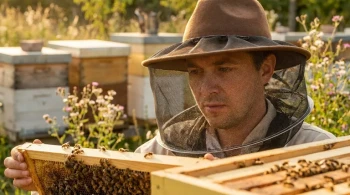
A beekeeper suit is designed to protect the wearer from bee stings during activities such as honey harvesting and brood control. It covers most parts of the body except the head, hands, and feet, providing full protection and peace of mind, especially for beginners.
What Are The Main Features Of A Beekeeper Suit?
A good beekeeper suit includes features such as thumb ties to help insert into gloves, a strong front zipper, an integrated veil, and elasticated ankles to ensure a snug fit around shoes or boots. It is also machine washable for convenience and has elasticated wrists and waist to accommodate a range of body sizes.
What Are The Advantages Of Wearing A Beekeeper Suit?
The advantages of wearing a beekeeper suit include full protection against bee stings, which allows for more relaxed and efficient hive inspections. While it doesn't offer 100% protection, a high-quality suit significantly reduces the risk of stings. It also provides peace of mind, minimizes distractions, and is suitable for heavy-duty use, such as long beekeeping sessions or handling larger colonies.
Are There Different Types Of Beekeeper Suits Available?
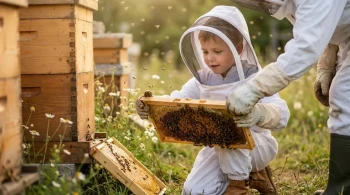
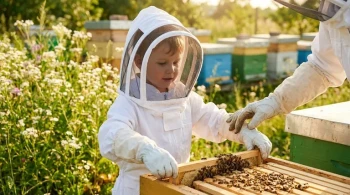
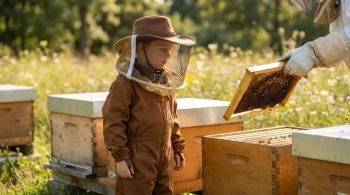
Yes, there are various types of beekeeper suits available, including ventilated suits for hot climates, heavy-duty suits for professional use, and lightweight suits for casual beekeepers. There are also specialized suits for children, ensuring young beekeepers are fully protected.
Can Beekeeper Suits Be Washed?
Yes, most beekeeper suits are machine washable, making them easy to clean and maintain after use in the field.
Is A Beekeeper Suit Suitable For Beginners?
Absolutely, a beekeeper suit is highly recommended for beginners as it provides essential protection against bee stings, allowing new beekeepers to focus on learning and practicing beekeeping without the constant worry of getting stung.
This website uses cookies to enhance your browsing experience,
analyze site traffic, and serve better user experiences. By continuing to use this site, you consent to our use of
cookies. Learn more in our cookie policy.