Our honey and beeswax separators are essential tools for beekeepers and commercial honey producers. These devices are designed to efficiently extract honey and separate beeswax from honeycombs, ensuring maximum yield and quality. The product range includes manual and electric models, such as the 10L Stainless Steel Honey Wax Press Extractor, Easy Use Manual Stainless Steel Honey Press, and Electric Honey Press Machine. Each model is crafted from durable, food-grade stainless steel, making them easy to clean and maintain. Whether you are a hobbyist or a professional, our separators are perfect for home use, beekeeping farms, and commercial operations.
Toggle Categories
Get Instant Support
Choose your preferred way to connect with our team
-
Get Free Quote Fill out form for detailed pricing
-
Send Email Detailed inquiry support
-
WhatsApp Quick mobile chat
Response Time
Within 8 hours on working days, 24 hours on holidays
Honey and Beeswax Separator

10L Stainless Steel Honey Wax Press Extractor for Wax Cappings
Item Number: HWP-1

Easy Use Manual Stainless Steel Honey Press for Honey Comb
Item Number: HWP-2

Stainless Steel Manual Honey Press with Guard for Pressing Honey and Wax
Item Number: HWP-3

Stainless Steel Honey Press Wax Press with Tank
Item Number: HWP-4

Stainless Steel Jack Type Honey Comb Press Machine Wax and Honey Separator
Item Number: HWP-5

Honey Wax Separating Wax Press with Metal Screw Wax Separator Machine
Item Number: HWP-7

10L Stainless Steel Electric Honey Press Machine
Item Number: HWP-6

Electric Honey Press Machine for Squeezing Honey Comb Press Equipment
Item Number: HWP-8
Discover the Best Honey and Beeswax Separators for Your Needs
Our honey and beeswax separators are engineered to provide efficient and reliable extraction, ensuring you get the most out of your honeycombs. Here’s a detailed look at what makes our products stand out:
Key Features and Benefits
-
Durable Construction: All our separators are made from high-quality, food-grade stainless steel, ensuring longevity and resistance to rust and corrosion. This makes them ideal for both home and commercial use.
-
Efficient Extraction: Whether you choose a manual or electric model, our separators are designed to maximize honey yield while preserving the natural quality of the honey. The 10L Stainless Steel Honey Wax Press Extractor and Electric Honey Press Machine are particularly effective for large-scale operations.
-
User-Friendly Design: Our separators feature ergonomic designs that make them easy to use and clean. The Easy Use Manual Stainless Steel Honey Press is perfect for beginners, while the Stainless Steel Jack Type Honey Comb Press Machine offers advanced features for experienced beekeepers.
-
Versatility: Our products cater to a wide range of needs, from small-scale beekeeping to large commercial operations. The Stainless Steel Honey Press Wax Press with Tank and Honey Wax Separating Wax Press with Metal Screw Wax Separator Machine are versatile options that handle both honey and wax extraction efficiently.
-
Portability: Many of our separators are designed to be portable, making them convenient for use in different locations. The 10L Stainless Steel Automatic Electric Honey Press Machine is a great example of a portable yet powerful solution.
Why Choose Our Honey and Beeswax Separators?
Our separators are not just tools; they are investments in the quality and efficiency of your honey production. Here’s why you should consider our products:
- Customizable Solutions: We understand that every beekeeper has unique needs. Our team is ready to provide customized solutions to meet your specific requirements.
- Professional Support: Our experienced team is always available to offer guidance and support, ensuring you get the most out of your equipment.
- Sustainability: By maximizing honey yield and reducing waste, our separators contribute to more sustainable beekeeping practices.
Get Started Today
Ready to enhance your honey production? Explore our range of honey and beeswax separators and find the perfect solution for your needs. For more information or to discuss custom options, feel free to contact us. Our team is here to help you make the best choice for your beekeeping operations.
Don’t miss out on the opportunity to improve your honey extraction process. Leave us a message today and let’s get started on finding the perfect separator for you!
FAQ
What Are The Main Applications Of Honey Tanks?
Honey tanks are primarily used for efficient bottling, storage, and transfer of honey. They help streamline the process, allowing for faster and more organized bottling, such as filling up to 350 one-pound jars per hour in some models.
What Is The Principle Of A Honey Strainer?
A honey strainer works by filtering honey to remove impurities such as wax and debris. The process involves passing honey through a fine mesh or sieve, ensuring the final product is pure and ready for consumption or packaging.
What Are The Applications Of Honey Filters?
Honey filters are used to remove impurities, prevent contamination during bottling, and help maintain the honey’s natural flavor and aroma. These features are crucial for ensuring customer satisfaction.
What Are The Main Applications Of A Honey Press?
A honey press is versatile and can be used for various agricultural operations. It is primarily used for extracting honey from honeycombs but can also press other farm products like fruits and berries. Winemakers can use it to extract juice from berries, making it a valuable tool for beekeepers with diverse agricultural activities.
What Is A Wax Press Used For?
A wax press is primarily used for extracting honey and wax from honeycombs. It is an essential tool for beekeepers, farms, and even home users who need to efficiently separate wax and honey for various applications.
What Is The Principle Of Pressing Honey?
The principle of pressing honey involves forcing honey out of the comb using a honey press. This process should be done as soon as possible after harvesting. The honeycombs are broken into small pieces and placed in suitable sealable plastic containers. A honey screw press with a honey chamber and a wooden cover is used, and the cover is pressed down by a spindle to extract the honey. After pressing, the honey is warmed using a water-bath and then strained.
What Is A Strainer For Honey Used For?
A strainer for honey is used to filter raw honey, removing impurities such as wax particles and debris while retaining beneficial components like pollen. It is essential for ensuring the purity and quality of honey during processing.
What Types Of Honey Tanks Are Available?
Honey tanks come in various types, including food-grade plastic honey buckets, stainless steel storage tanks, heated honey tanks for warming, and honey uncapping tanks. They are available in different capacities, ranging from 5L to 80L, to suit various beekeeping needs.
What Are The Advantages Of Using A Honey Strainer?
Honey strainers are efficient and effective in ensuring the purity of honey by removing impurities. They are ideal for beekeepers of all scales, from small operations to larger setups. Additionally, honey strainers are easy to clean, durable, and can significantly improve the quality of the honey produced.
What Are The Main Types Of Honey Filters?
The main types of honey filters include electric double wall honey filtering machines, stainless steel double layer honey strainers, conical nylon honey strainer filter bags, and honey dehumidifier dryers with vacuum heating and thickening filtering capabilities.
What Are The Key Features Of A Honey Press?
The honey press is typically made of stainless steel, offering strong wear resistance and a long lifespan. Key features include variable pressure control for customized extraction, a built-in filtering system to separate honey from beeswax and impurities, and ease of operation and cleaning. It is a hand-working tool designed for beekeepers.
What Are The Main Types Of Wax Presses?
The main types of wax presses include manual stainless steel honey presses, which are durable, portable, and designed for efficient extraction. They are available in different capacities, such as 10L, and are made from food-grade stainless steel for safety and ease of cleaning.
What Are The Advantages Of Pressing Honey?
Pressing honey offers several advantages. It is relatively clean and tidy because there is no need for uncapping and subsequent dripping on the way to the extractor. Unlike the crush-and-strain method, which involves squeezing or crushing the comb by hand, pressing honey requires minimal cleanup and avoids excessive air exposure. Additionally, filtered honey has a longer shelf life and is easier to pour, making it more convenient for everyday use.
What Are The Main Types Of Strainers For Honey?
The main types of strainers for honey include nylon honey strainers (e.g., square filter cloths and conical filter bags), stainless steel strainers (e.g., double-layer sieves and triangle support strainers), and integrated systems like honey storage tanks with built-in strainers.
How Does A Honey Tank Work?
Honey tanks work by providing a controlled environment for honey storage, bottling, or extraction. For example, honey presses use centrifugal force to extract honey from comb frames, while heated tanks use water-jacket systems for precise temperature control. Filtering machines remove impurities through progressive filtration systems.
What Are The Main Types Of Honey Strainers Available?
The main types of honey strainers include stainless steel double-layer strainers, conical nylon filter bags, and stainless steel storage tanks with built-in strainers. Each type is designed to cater to different beekeeping needs, ensuring efficient filtration and storage of honey.
What Is The Principle Behind Honey Filters?
The basic principle of a honey extractor involves a round drum with a rotating cage inside that takes uncapped combs, allowing honey to be extracted quickly while saving the comb for future use. Honey bottling machines operate by cleaning and filling a hopper, moving containers on a conveyor, and using an internal pumping system to dispense the honey with accurate volume control.
How Does A Honey Press Work?
A honey press works by loading honey frames containing capped honeycomb into the device. The frames are then spun inside the press, using centrifugal force to extract honey from the comb. The extracted honey is collected at the bottom or sides of the extractor and may be filtered to remove debris or wax particles. The filtered honey is then ready for storage or bottling.
What Are The Advantages Of Using A Wax Press?
The advantages of using a wax press include its efficiency in extracting honey and wax, durability due to stainless steel construction, portability for use in various settings like homes, restaurants, and beekeeping farms, and ease of cleaning. Its ergonomic design also ensures user-friendly operation.
What Are The Applications Of Pressing Honey?
Pressing honey is primarily used for extracting honey from honeycombs. The process involves breaking honeycombs into small pieces and placing them in sealable plastic containers. A honey screw press with a honey chamber and a wooden cover is then used to press down and extract the honey. This method is efficient and ensures that the honey is extracted quickly and cleanly, making it suitable for both home and commercial use.
How Does A Strainer For Honey Work?
A strainer for honey works by filtering raw honey through a mesh or sieve, which traps impurities like wax and debris while allowing clean honey to pass through. Some systems use centrifugal force to extract honey from wax cells, followed by filtration for purity.
What Are The Advantages Of Using Honey Tanks?
Honey tanks offer several advantages, including efficient bottling, leak prevention, thermal protection, and improved honey purity. They save time, enhance productivity, and ensure quality control in honey storage and processing.
What Are The Applications Of A Honey Strainer?
Honey strainers are primarily used in beekeeping to filter honey, removing wax and other impurities. They are essential for producing pure honey, which can be directly consumed or further processed for packaging. Honey strainers are also used in the recovery of honey from uncappings and other materials, enhancing overall honey yield.
What Are The Advantages Of Using Honey Filters?
The advantages of using honey filters include the removal of impurities, prevention of contamination during bottling, and the preservation of the honey’s natural flavor and aroma. These benefits are essential for maintaining high-quality honey and ensuring customer satisfaction.
What Are The Advantages Of Using A Honey Press?
The honey press offers several advantages: large capacity, high utilization rate, complete cleaning capability, portability, retention of high nutritional value, long lifespan, suitability for multiple uses, and ease of operation. It is also moderately priced, compact, and easy to store, making it an efficient tool for increasing honey yield and processing various materials.
What Are The Applications Of Wax Extracted From A Wax Press?
Wax extracted from a wax press, particularly from honeycombs, has a wide range of applications. It is used in candle making, cosmetics, skincare products, food processing, and even in industrial applications due to its unique physical and chemical properties.
What Are The Main Types Of Honey Press Machines?
The main types of honey press machines include manual and electric models. Manual honey presses are typically made of stainless steel and are portable, making them ideal for home use and small-scale operations. Electric honey press machines, on the other hand, offer higher efficiency and are suitable for larger-scale operations. Both types are designed to be durable, easy to clean, and efficient in extracting honey from honeycombs.
What Are The Advantages Of Using A Strainer For Honey?
The advantages of using a strainer for honey include retaining natural components like pollen, ensuring honey purity, and being cost-effective for small-scale beekeepers. Stainless steel strainers are durable and easy to clean, while nylon strainers are reusable and efficient.
What Materials Are Honey Tanks Made Of?
Honey tanks are typically made of durable materials like food-grade PP plastic or stainless steel (e.g., 304 or 201 stainless steel). These materials ensure hygiene, durability, and ease of cleaning, making them ideal for honey storage and processing.
Is A Honey Press Easy To Operate?
Yes, a honey press is designed to be easy to operate. It is simple to use, press, and clean, often requiring no instruction book. Its user-friendly design makes it accessible for both novice and experienced beekeepers.
Why Is It Important To Clean A Honey Press?
Cleaning a honey press is crucial to remove stuck wax and honey residues, which can attract bacteria, fungi, and insects. Microbial growth can contaminate future honey crops, potentially ruining them and harming the beekeeping operation. Additionally, clean equipment ensures the quality of beehive products, which directly impacts their market value. Regular cleaning also extends the lifespan and performance of the press.
Why Is Stainless Steel A Popular Material For Honey Strainers?
Stainless steel is popular for honey strainers because it is durable, easy to clean, and resistant to corrosion. It ensures long-lasting performance and maintains the purity of honey without introducing contaminants.
Are Honey Tanks Suitable For Both Home And Commercial Use?
Yes, honey tanks are designed for both home and commercial use. They come in various sizes and functionalities, such as small 10L presses for home beekeepers and larger 80L tanks for commercial honey production.
Can Nylon Strainers Be Reused For Honey Filtration?
Yes, nylon strainers are designed to be reusable. They are durable, easy to clean, and provide efficient filtration, making them a practical choice for beekeepers.
What Features Should I Look For In A Honey Strainer?
When choosing a honey strainer, look for features like fine mesh filtration (e.g., 160 mesh), durable materials (e.g., stainless steel or nylon), ease of cleaning, and compatibility with your beekeeping setup. Anti-drip features and heated nozzles can also enhance efficiency.
Are Strainers For Honey Suitable For Small-scale Beekeepers?
Yes, strainers for honey are ideal for small-scale beekeepers. They are cost-effective, easy to use, and allow for the retention of natural honey components like pollen, making them a practical solution for small operations.
What Is The Benefit Of Using A Double-layer Honey Strainer?
A double-layer honey strainer provides enhanced filtration by removing larger impurities in the first layer and finer particles in the second layer. This ensures a higher level of purity and clarity in the final honey product.
How Do I Clean A Honey Strainer?
To clean a honey strainer, rinse it with warm water to remove honey residue. For stainless steel strainers, use a mild detergent if necessary. Nylon strainers can be washed with water and air-dried. Ensure all parts are thoroughly dried before reuse.
REQUEST A QUOTE
Our professional team will reply to you within one business day. Please feel free to contact us!
Related Articles
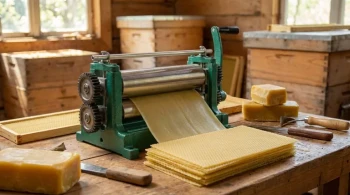
How Manual Tablet Presses Boost Hive Productivity with Pure Beeswax Sheets
Discover how manual tablet presses enhance hive productivity with pure beeswax sheets, boosting honey yield and colony health sustainably.
Read more
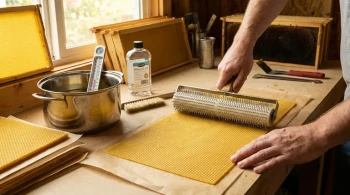
How to Craft Durable Wax Foundations Using Manual Rollers: A Beekeeper's Guide
Learn expert techniques for crafting durable wax foundations using manual rollers—temperature control, rolling best practices, and troubleshooting tips for beekeepers.
Read more
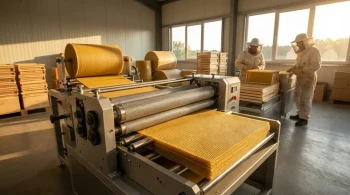
How Fully Automatic Wax Foundation Machines Cut Beekeeping Costs by 40%
Fully automatic wax foundation machines cut beekeeping costs by 40%—reducing labor, energy use, and waste while boosting productivity.
Read more
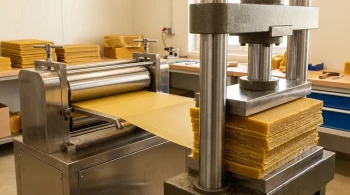
How to Choose Between Roller and Press Systems for Perfect Beeswax Sheets
Compare roller vs. press systems for beeswax sheets—ideal for candle making or cosmetics. Learn speed, cost & quality trade-offs for commercial production.
Read more
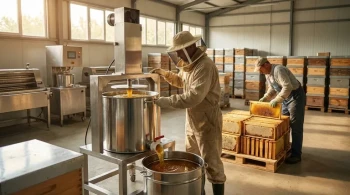
Scaling Honey Production: Industrial Pressing vs Traditional Extraction for Commercial Apiaries
Compare industrial honey presses vs traditional extraction for commercial apiaries. Boost efficiency, reduce labor costs, and maintain quality at scale.
Read more
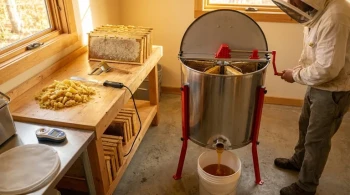
How to Optimize Honey Extraction Without Compromising Quality
Learn field-tested honey extraction methods to maximize yield while preserving quality, from uncapping tools to filtration and bottling.
Read more
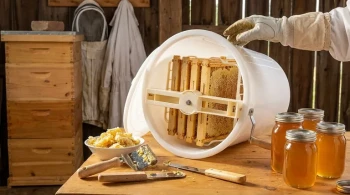
How to Extract Honey Safely Without Damaging Equipment or Hives
Professional honey extraction techniques to maximize yield while protecting combs and hive health. Learn damage-free harvesting and sustainable hive management.
Read more
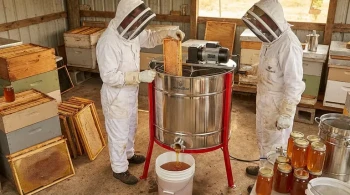
How to Choose the Right Honey Processing Method for Your Apiary
Learn how to choose the best honey processing method for your apiary—balancing quality, efficiency, and budget for small to large-scale operations.
Read more
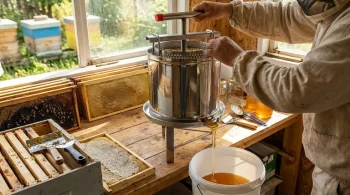
How Honey Screw Presses Solve Hygiene, Durability, and Efficiency Challenges for Small Beekeepers
Modern honey screw presses enhance hygiene, durability & efficiency for small beekeepers with stainless steel designs and space-saving features.
Read more
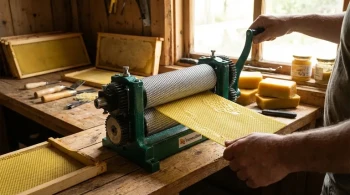
Beyond the Crank: The Strategic Control of Manual Honeycomb Embossing
Explore how manual honeycomb embossers give commercial beekeepers strategic control over wax purity, cell size, and hive biosecurity.
Read more
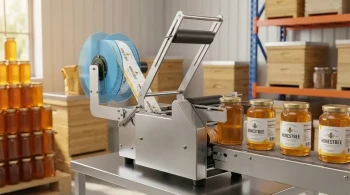
Why Your Honey Labels Undermine Your Brand—And How to Fix It Permanently
Struggling with crooked, inconsistent honey labels? Discover the real reason it happens and how automation can protect your brand, cut costs, and scale production.
Read more
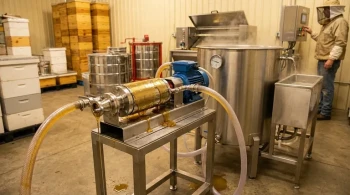
Why Your Honey Pump Is Clogging—And How to Fix It for Good
Struggling with clogged honey pumps and slow processing? Discover the root cause and how the right stainless steel screw pump can transform your efficiency.
Read more
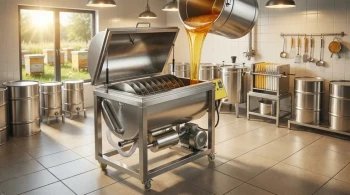
Is Your Honey Dryer Secretly "Cooking" Your Profits?
Discover why precise temperature control at 35°C is crucial for preserving honey quality, preventing enzyme degradation, and protecting your bottom line. Learn the hidden costs of overheating.
Read more
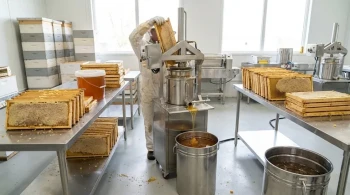
Beyond the Centrifuge: The Strategic Case for the Honey Press
Learn why the honey press isn't just another tool, but a strategic choice that defines your apiary's efficiency, yield, and philosophy.
Read more
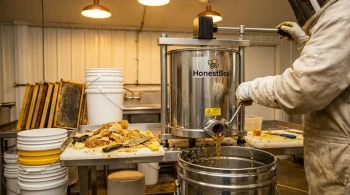
Honey Press: Why Simplicity Can Be a Hidden Trap for Commercial Beekeepers
Discover why the seemingly simple honey press isn't suitable for commercial beekeeping, the hidden costs of its "easy" operation, and efficient alternatives.
Read more
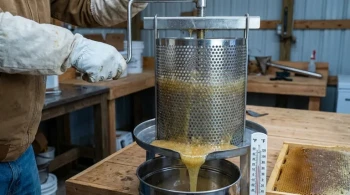
Why Your Honey Press Is Underperforming (And Why It’s Not the Press’s Fault)
Struggling with low yields and slow honey extraction? Discover the root cause isn't pressure, but temperature, and how to fix it for good.
Read more
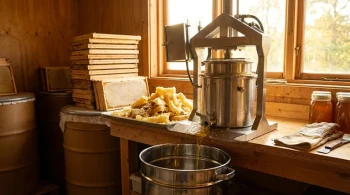
The Principle of Full Extraction: Why a Honey Press Isn't Redundant
A honey press complements centrifugal extractors by reclaiming value from byproducts, turning a systemic blind spot into a source of profit.
Read more
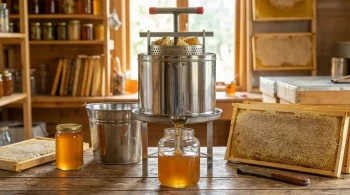
The Unseen System: Why a Honey Press is More Than Just a Tool
A honey press isn't just for extraction; it's a systemic choice that aligns with the philosophy of foundationless beekeeping in Warré and Top Bar hives.
Read more
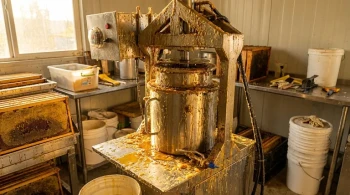
Why Your Honey Press Is a Sticky, Contaminated Mess—And How to Fix It Permanently
Stop wasting hours on ineffective honey press cleaning. Learn the two-phase method that separates wax and honey for a truly clean, food-safe result.
Read more
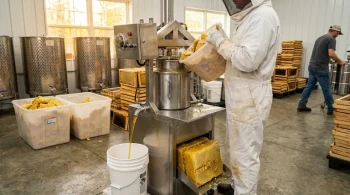
Are You Throwing Away Profit? Why Commercial Apiaries Need a Honey Press
Discover how a honey press transforms wax cappings and broken comb from a messy waste stream into a significant revenue source for your commercial beekeeping operation.
Read more