Within 8 hours on working days, 24 hours on holidays
Queen Cell Cup
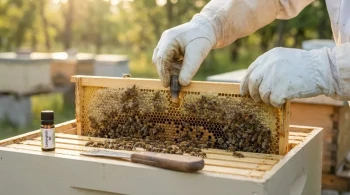
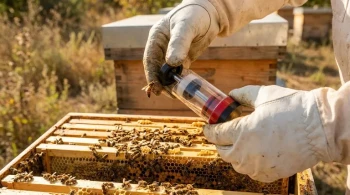
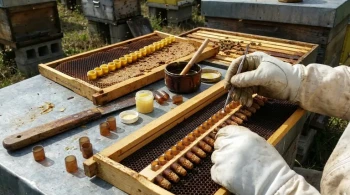
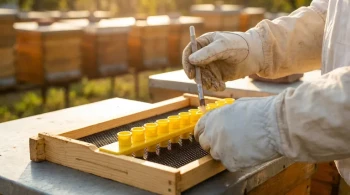
Artificial Queen Cell Cups are the cornerstone of modern queen rearing and royal jelly production. By providing a standardized environment for larvae under 24 hours old, these tools allow commercial apiaries to scale their breeding programs with precision. Our selection mimics the geometry of natural queen cells, encouraging nurse bees to deposit royal jelly efficiently for optimal queen development.
Our product range includes:
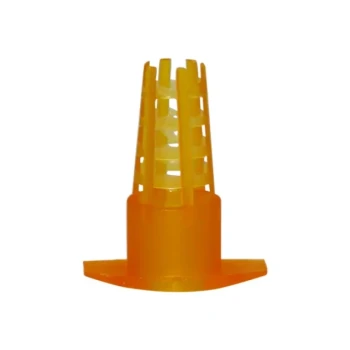
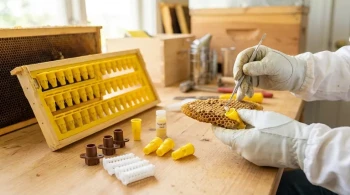
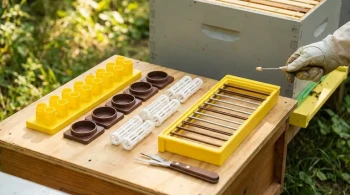
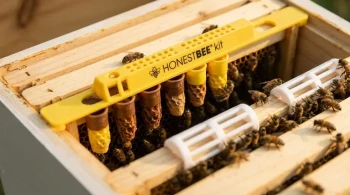
Nicot & JZBZ Systems: Industry-standard plastic cups including brown Nicot styles, wide-base JZBZ types, and secure push-in designs for various mounting preferences.
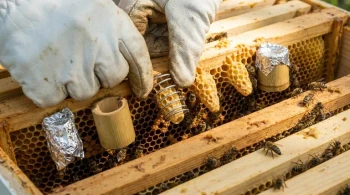
Specialized Protectors: JZBZ-style push-in and shipping protectors designed to safeguard delicate cells during the critical pupation phase and transport.
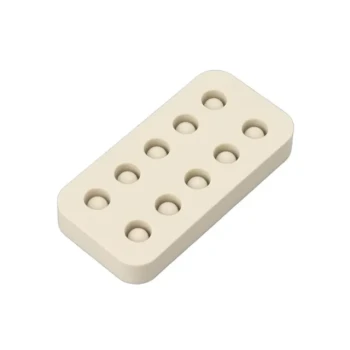
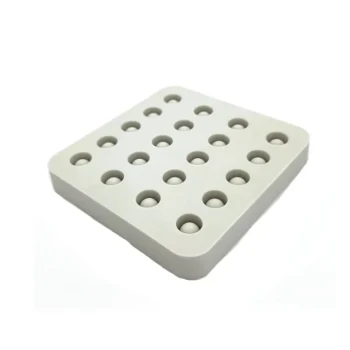
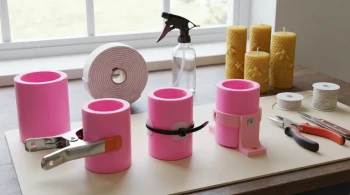
Natural Beeswax Molds: High-efficiency 10-cell and 20-cell silicone molds for produce pure beeswax cups, maximizing acceptance rates through natural materials.
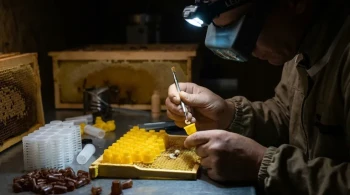
Precision Consumables: Polystyrene and polypropylene cups designed for safe larvae transfer and high visibility during the grafting process.
Whether you are focusing on genetic selection or large-scale royal jelly harvesting, HONESTBEE provides the essential hardware needed for professional beekeeping success.
The Science and Engineering of Professional Queen Cell Cups
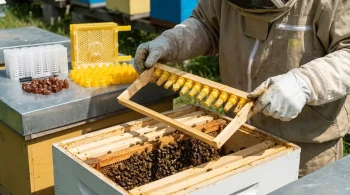
In the world of commercial apiculture, the queen bee is the single most important factor governing the health, temperament, and productivity of a colony. To achieve high-quality queen rearing at scale, beekeepers must transition from reliance on natural emergency cells to controlled, standardized grafting processes. HONESTBEE’s range of Queen Cell Cups is engineered to facilitate this transition, providing the physical infrastructure necessary for mass propagation and genetic refinement.
Theoretical Principles of Artificial Queen Cells
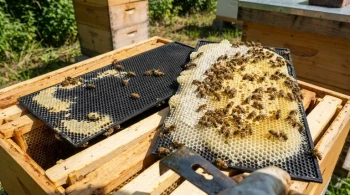
The fundamental principle behind an artificial queen cell cup is biomimicry. In a natural setting, honey bees build elongated, vertically oriented cells when they need to raise a new queen. These cells are significantly larger than worker cells and are heavily supplied with royal jelly.
Our artificial cups are designed with a specific internal diameter—typically between 8mm and 9mm—which matches the dimensions of a naturally started queen cell. This precise geometry is critical; if the cup is too narrow, the larvae may be cramped, leading to undersized queens. If it is too wide, the nurse bees may fail to recognize it as a queen cell, leading to low acceptance rates. By using HONESTBEE cups, you ensure that the biological triggers of the nurse bees are activated, leading to a consistent and abundant supply of royal jelly for the developing larvae.
Material Excellence: Food-Grade Plastics and Silicone
At HONESTBEE, we understand that chemical purity is non-negotiable in queen rearing. Larvae are incredibly sensitive to environmental contaminants. Our plastic queen cell cups, including the Nicot and JZBZ styles, are manufactured from high-quality, food-grade polystyrene and polypropylene.
Chemical Inertia: Our materials do not leach harmful chemicals into the royal jelly, ensuring the larvae develop in a clean environment.
Thermal Stability: These materials maintain their shape and integrity even when exposed to the high temperatures required for sterilization or the ambient warmth of the brood nest.
Durability and Reusability: Unlike hand-dipped wax cups which are destroyed upon queen emergence, our plastic cups can be cleaned, disinfected, and reused across multiple seasons, providing a higher return on investment for commercial operations.
For those who prefer a more traditional approach, our Silicone Beeswax Bee Queen Cups Forming Molds offer the perfect middle ground. These molds allow beekeepers to produce uniform, pure beeswax cups in bulk. Beeswax cups often boast the highest acceptance rates because they carry the natural scent and texture of the hive, but our silicone molds bring the benefit of modern industrial efficiency to this traditional method.
Comparative Analysis: Nicot vs. JZBZ Systems
Choosing the right system is essential for integrating with your existing beekeeping hardware. HONESTBEE caters to both major global standards:
Nicot System Components: Known for their brown, lugged design, Nicot-style cups are a favorite in Europe and among users of the Nicot grafting-free kit. They are designed to fit securely into specialized holders on a grafting frame, ensuring they remain vertical and stable.
JZBZ Style Components: Widely used in North America and by large-scale commercial breeders, the JZBZ system features various mounting options. The Wide Base cups are ideal for mounting directly onto bars with wax or glue, while the Push-In cups offer a friction-fit that is incredibly fast to manipulate during high-volume grafting sessions. Our JZBZ style products come in various colors, allowing breeders to color-code different genetic lines or grafting dates for better apiary management.
Protecting Your Investment: Cell Protectors and Shipping
The period between the capping of the queen cell and the emergence of the virgin queen is a time of extreme vulnerability. During this phase, the queen is transforming from a larva to an adult and is highly sensitive to vibrations and temperature fluctuations. Furthermore, if multiple queens emerge simultaneously in a nursery colony, they will fight to the death.
Our JZBZ Style Push-In Cell Protectors and Shipping Cell Protectors are vital tools for risk mitigation. The push-in protectors allow you to isolate individual cells within the colony, preventing emerged queens from destroying other cells. Our shipping protectors include features like candy caps and hanging flanges, which are essential for distributors who need to transport live queen cells to distant apiaries safely.
Why Partner with HONESTBEE for Wholesale and Customization?
HONESTBEE is more than just a supplier; we are a partner in your beekeeping success. We recognize that large-scale distributors and commercial apiaries often have unique requirements. Our manufacturing capabilities allow us to offer:
Wholesale Pricing: We provide tiered pricing models that ensure distributors can maintain healthy margins while offering competitive prices to their end-users.
Customization and OEM Services: Need a specific color for your JZBZ cups to match your brand? Or a custom mold design for beeswax production? We offer customizable services to meet the specific aesthetic and functional needs of your market.
Global Logistics Expertise: We are experienced in shipping beekeeping machinery and consumables worldwide, ensuring that your order arrives intact and on time, regardless of your location.
Optimize Your Breeding Program Today
Efficiency in the apiary starts with the right tools. By standardized your queen rearing process with HONESTBEE’s Queen Cell Cups, you reduce labor costs, increase the success rate of your grafts, and ultimately produce healthier, more productive queen bees. Our commitment to quality and our deep understanding of beekeeping biology make us the premier choice for professional beekeepers.
Ready to elevate your queen rearing operations?
We invite commercial beekeepers and distributors to contact us for bulk quotes, custom manufacturing inquiries, or technical support. Our team of experts is ready to help you select the best cup system for your specific environmental conditions and management style.
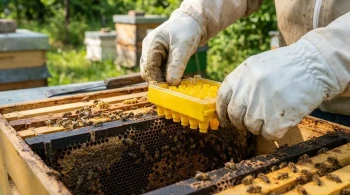
Queen rearing kits are used to efficiently raise queen bees, which is essential for maintaining and increasing hive productivity. These kits simplify the process of queen rearing, allowing beekeepers to produce multiple queens without the need for complex grafting techniques.
What Are The Main Types Of Queen Rearing Kits Available?
The main types of queen rearing kits include the Nicot Queen Rearing Kit, Jenter Queen Rearing Kit, and various grafting tools and mating hive boxes. Each type offers unique features such as no-grafting systems, reusable cell cups, and precision tools for handling larvae.
How Do Queen Rearing Kits Work?
Queen rearing kits work by providing the necessary tools and equipment to create optimal conditions for queen bee development. This includes cell cups for larvae, grafting tools for transferring larvae, and mating hive boxes for queen bee mating. Some kits, like the Jenter system, eliminate the need for grafting, making the process simpler and more efficient.
What Are The Advantages Of Using Queen Rearing Kits?
The advantages of using queen rearing kits include increased efficiency in queen production, simplified processes that do not require grafting, and the ability to produce a large number of queens (up to 110 in some kits). These kits also help maintain hive health and productivity by ensuring a steady supply of high-quality queens.
Are Queen Rearing Kits Suitable For All Beekeepers?
Yes, queen rearing kits are suitable for all beekeepers, from beginners to experienced professionals. They are designed to be user-friendly and come with detailed instructions, making it easy for anyone to rear queens and improve their beekeeping operations.
What Additional Tools Are Included In Queen Rearing Kits?
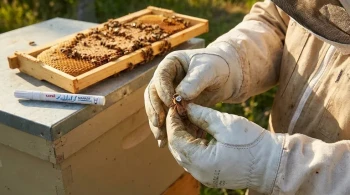
Additional tools included in queen rearing kits may consist of grafting tools, cell cups, marking pens, and mating hive boxes. These tools aid in the precise handling of larvae, the creation of queen cells, and the safe marking and mating of queen bees.
This website uses cookies to enhance your browsing experience,
analyze site traffic, and serve better user experiences. By continuing to use this site, you consent to our use of
cookies. Learn more in our cookie policy.