Within 8 hours on working days, 24 hours on holidays
Honey Heating & Mixing Machines
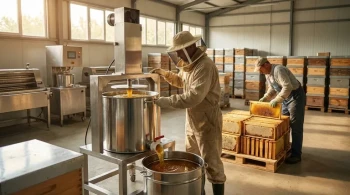
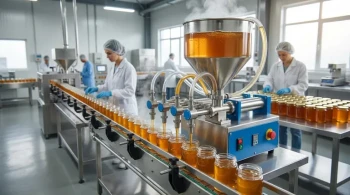
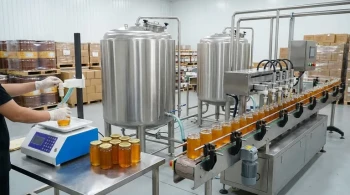
Efficient honey processing requires precise temperature control and thorough blending to maintain the natural integrity and market value of your harvest. Our range of Honey Heating & Mixing Machines is engineered specifically for commercial apiaries and distributors who need to decrystallize, homogenize, and blend honey at a professional scale. From heavy-duty decrystallizing tanks to versatile double-wall stirring machines, our equipment ensures a smooth, consistent texture perfect for bulk sales or final bottling.
Our current category offerings include:
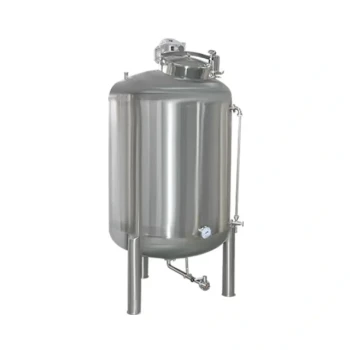
Heavy Duty Decrystallizing Tanks: High-capacity units designed to melt crystals without compromising honey enzymes.
Honey Homogenizers & Mixers: Reliable machines for ensuring uniform moisture and color across large batches.
Agitated Storage Tanks: Industrial-grade solutions for keeping honey in a liquid, ready-to-process state with constant, gentle blending.
Whether you are scaling up a family apiary or managing a global distribution network, these machines provide the hygienic, food-grade environment necessary for premium honey production.
Advanced Solutions for Professional Honey Decrystallization and Homogenization
In the competitive world of commercial beekeeping and honey distribution, the quality of the final product is dictated by how it is handled post-harvest. Honey is a delicate, bioactive substance that is highly sensitive to heat and mechanical stress. HONESTBEE’s Honey Heating & Mixing Machines are designed to bridge the gap between raw extraction and retail-ready perfection. By utilizing state-of-the-art thermal technology and precision agitation systems, our machines allow you to reverse natural crystallization, blend different floral varieties for consistency, and prepare honey for high-speed filling lines without damaging its nutritional profile.
The Science of Honey Decrystallization and Thermal Stability
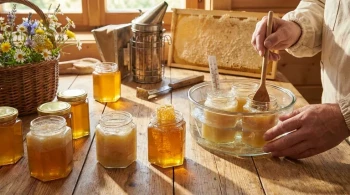
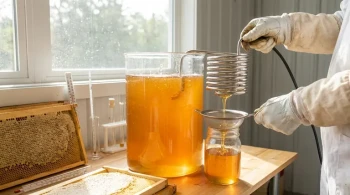
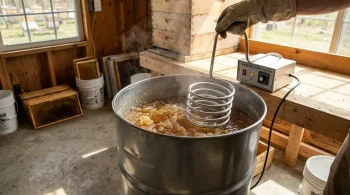
Crystallization is a natural phenomenon in honey, occurring when glucose separates from water and forms crystals. While this is a sign of purity, it makes honey difficult to pump, filter, and package. Our heating equipment utilizes a gentle water-bath (indirect) heating principle. Unlike direct heating elements that can scorch the honey and create harmful hydroxymethylfurfural (HMF) levels, our double-wall jackets circulate heated water or thermal oil around the inner tank. This ensures an even distribution of heat, allowing the honey to reach a fluid state at low temperatures, typically between 40°C and 45°C, preserving the natural enzymes and delicate floral aromas.
For heavy-duty operations, our Stainless Steel Decrystallizing Tanks feature high-wattage electric heating systems or can be integrated into existing hot water boiler circuits. This flexibility allows commercial honey packers to choose the most energy-efficient heat source for their specific facility layout.
Achieving Perfect Consistency through Homogenization
Consistency is the hallmark of a premium honey brand. When dealing with bulk quantities from multiple apiary sites, variations in moisture content and color are inevitable. Our Honey Homogenizers and Mixing Machines solve this through advanced agitation dynamics.
Low-Shear Agitation: Our mixers use custom-designed paddles and scrapers that move at optimal speeds (such as 40r/min) to blend honey without incorporating air. Excessive air leads to unsightly foam and bubbles in the final jar; our systems are engineered to prevent this.
Moisture Equalization: By continuously moving the honey during the heating process, our homogenizers ensure that moisture levels are uniform throughout the tank, preventing the fermentation risks associated with high-moisture pockets.
Versatility in Blending: These machines are ideal for creating "honey blends" or incorporating additives like royal jelly, pollen, or flavorings, ensuring a perfectly homogenous mixture every time.
Superior Construction and Food-Grade Safety
At HONESTBEE, we understand that durability is just as important as performance. All our heating and mixing machines are constructed from high-grade 304 Stainless Steel. This material is the industry standard for food safety, offering exceptional resistance to the natural acidity of honey and the corrosive effects of frequent cleaning.
Double-Thickened Tanks: To withstand the pressures of vacuum processing and high-volume agitation, our tanks feature reinforced walls that provide long-term structural integrity.
Hygienic Design: Every machine is built with Clean-In-Place (CIP) principles in mind. Smooth internal welds, rounded corners, and easy-access valves ensure that sanitization is fast and effective, meeting the strictest international food safety regulations.
Precision Control: Integrated electrical control panels allow operators to set and monitor temperatures with high accuracy, ensuring that every batch meets the exact specifications required by your quality control team.
Why Choose HONESTBEE for Your Honey Processing Needs?
HONESTBEE is more than just an equipment supplier; we are partners in your apiary's growth. Our machinery is designed based on years of feedback from commercial beekeepers and industrial honey processors. We offer customizable capacities, ranging from 120kg units for boutique producers to massive 6000L tanks for global distributors. Whether you need specialized pipe filters, specific voltage configurations for your region, or pneumatic agitation systems, we can tailor our equipment to fit your workflow.
Our commitment to professionalism extends beyond the sale. We provide comprehensive technical support and guidance on optimizing your processing line for maximum yield and minimum energy consumption. By investing in HONESTBEE technology, you are ensuring that your honey maintains its "liquid gold" status from the hive to the consumer's table.
Ready to elevate your honey processing efficiency? Our experts are standing by to help you design the perfect heating and mixing solution for your facility. Whether you require a single decrystallizing tank or a fully automated homogenization line, we provide the scale and specialization you need to succeed.
A honey heater works by applying controlled heat to honey containers or tanks to reduce crystallization and maintain fluidity. This process often involves the use of heating belts, blankets, or tanks with precise temperature control to ensure the honey remains in a liquid state, making it easier to process and handle.
What Is The Principle Of A Honey Warmer?
A honey warmer works by applying controlled heat to honey containers, such as drums or barrels, to reduce crystallization and maintain honey fluidity. This process ensures that the honey remains pourable and retains its natural quality, making it easier to handle and process.
What Are The Applications Of A Langstroth Hive?
Langstroth hives are primarily used for honey production and colony management. Their standardized dimensions and modular design make them ideal for both novice and commercial beekeepers. They promote healthy bee behavior and comb construction through the use of movable frames and proper bee space.
What Are The Applications Of A Flow Beehive?
A flow beehive is primarily used for sustainable beekeeping and easy honey extraction. It is designed to be beginner-friendly and eco-friendly, making it ideal for those starting their beekeeping journey or managing backyard beekeeping.
What Is The Principle Of Honey Filtration?
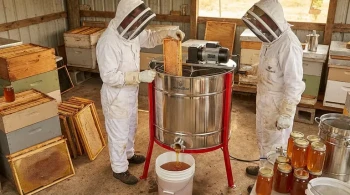
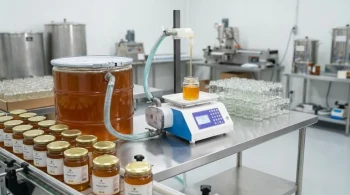
Honey filtration involves using centrifugal force in a honey extractor to separate honey from the combs. The honey is then drawn from a storage tank and dispensed into packaging containers through a filling machine, ensuring a clean and efficient process.
What Is A Hive Tool Used For In Beekeeping?
A hive tool is a specialized pry bar used by beekeepers to separate hive parts glued together with propolis by honeybees. It is also used to scrape off unwanted propolis and burr comb. It is essential for inspecting and maintaining the hive.
What Are The Common Uses Of A Hive Box?
A hive box is commonly used for scraping propolis and burr comb off the hive, prying apart boxes (supers) joined by wax or propolis, scraping debris off the hive’s floorboards, cleaning honey and beeswax off frames during extraction, levering open covers glued shut with propolis, banging loose nails into wood, loosening frames that are attached, opening bee packages and nucs, scraping out bee stingers without releasing venom, opening a bee smoker that’s jammed shut, and separating vertical hive components.
What Are The Advantages Of Using A Honey Heater?
Honey heaters offer several advantages, including efficient reduction of honey crystallization, precise temperature control, and the ability to maintain honey fluidity. They are essential for beekeepers and honey producers, ensuring that honey remains easy to process and handle, and they come in various sizes and types to suit different needs.
What Are The Advantages Of Using A Honey Warmer?
The advantages of using a honey warmer include preventing honey crystallization, maintaining honey fluidity, and preserving the natural essence and quality of honey. It is beneficial for both hobbyists and professionals, ensuring efficient honey processing and handling.
What Are The Key Features Of A Langstroth Hive?
A Langstroth hive features movable frames that hang vertically in the boxes, stacked boxes of various sizes (with bottom boxes for bees and their brood), an inner cover board, and a bottom board with an entrance. It is designed to house the colony’s brood, honey, and other food supplies, with deep boxes at the bottom for brood and supers on top for honeycomb.
What Are The Advantages Of Honey Filtration?
Honey filtration removes debris such as insect parts and wax, making the honey clear and more appealing to customers. It ensures the final product is free from impurities, maintaining the honey's purity and marketability.
What Are The Main Features Of A Hive Tool?
A hive tool is a multi-tool used in beekeeping for opening the hive, lifting and shifting frames or other hive parts, scraping away wax and propolis, and prying out or re-setting loose nails or staples. It is made of tempered steel and is typically 20 to 25 cm long, with a flattened end and a bent end for prying frames.
What Are The Features Of A Hive Box?
A regular hive tool is essentially a smaller, flatter version of a crowbar. It has a long end for leverage and a smaller curved edge for prying in tight spaces. It typically costs between $8-15. A hive tool focuses on the essentials and has everything you need to do a complete hive inspection.
What Are The Main Types Of Honey Heaters Available?
The main types of honey heaters include silicone rubber honey drum heating belts, honey tank heating blankets, stainless steel heated honey tanks, and double wall honey heating and stirring homogenizers. Each type is designed to cater to different scales of honey processing and specific needs of beekeepers.
What Are The Main Types Of Honey Warmers Available?
The main types of honey warmers include silicone rubber honey drum heating belts, stainless steel heated honey tanks, double wall honey heating stirring homogenizer mixing machines, and honey tank heater drum heating blankets. Each type offers unique features such as adjustable temperature control, durability, and ease of use, catering to different honey processing needs.
What Is The Principle Behind The Langstroth Hive?
The Langstroth hive supports a healthy, thriving hive of pollinators, which benefits nature by promoting pollination and biodiversity. It is designed to hold removable frames, typically made of wood or plastic, which allow for easy inspection and manipulation of the hive. The frames contain a foundation on which the bees build their comb.
What Are The Advantages Of Using A Flow Beehive?
The advantages of using a flow beehive include easy and bee-friendly honey extraction, reduced strain on the beekeeper’s back and shoulders during maintenance, and improved hive protection from moisture, pests, and predators by elevating the hive off the ground.
What Are The Applications Of Honey Filtration?
Honey filtration is essential in beekeeping and honey processing plants. It is used to purify honey by removing solid particles and pollen grains, ensuring the honey is clean and ready for packaging and consumption.
What Is The Principle Behind Using A Hive Tool?
The principle behind using a hive tool is its multipurpose functionality. It is used for scraping unwanted burr comb, prying hive boxes apart, picking up frames, and removing nails. It is considered an essential tool for beekeepers to maintain and inspect hives effectively.
What Types Of Hive Boxes Are Available?
There are several types of hive boxes available, including Plastic Insulated Bee Hive Boxes, Honey Flow Garden Bee Hive, Langstroth Bee Hives, and Langstroth Honey Bee Box Hive Boxes. Each type is designed for specific beekeeping needs and offers unique features such as temperature regulation, easy honey extraction, and customizable options.
What Are The Applications Of Honey Heaters?
Honey heaters are used in various applications such as liquefying crystallized honey, maintaining honey fluidity during processing, and ensuring efficient heating in honey tanks and drums. They are essential in beekeeping and honey production, helping to optimize the quality and handling of honey.
How Does A Silicone Rubber Honey Drum Heating Belt Work?
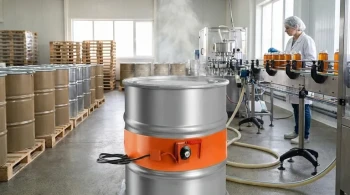
A silicone rubber honey drum heating belt works by wrapping around honey drums or barrels and applying controlled heat. This helps reduce crystallization and maintain honey fluidity, making it easier to pour and process. The belt is made from high-quality materials, offers adjustable temperature settings, and comes in various sizes to fit different containers.
What Are The Advantages Of Using A Langstroth Hive?
The advantages of using a Langstroth hive include the ability to quickly expand or downsize the hive by adding a super, the availability of plenty of guides and resources, its popularity in many countries, the ease of mixing and matching equipment, its stable four-sided design, affordability, and the ease of transferring brood and food stores between hives. Additionally, using a beehive stand raises the hive off the ground, preventing moisture and pest intrusion, and making the hive easier to access.
What Types Of Honey Filtration Equipment Are Available?
There are various types of honey filtration equipment, including electric double wall honey filtering machines, nylon honey strainer filter bags, honey concentrating and filtering dehumidifier machines, and stainless steel double layer honey strainer sieves. Each type offers different features to suit various filtration needs.
What Are The Advantages Of Using A Hive Tool?
The advantages of using a hive tool include its ability to separate brood and super chambers, loosen frames, scrape hive parts, and remove debris. Made of tempered steel, it is durable and typically 20 to 25 cm long, with a flattened end and a bent end for prying frames, making it an indispensable tool for beekeepers.
What Are The Advantages Of Using A Hive Box?
The advantages of using a hive box include enhanced hive productivity through efficient temperature regulation, easy management, durable design, and eco-friendly materials. Hive boxes are ideal for both novice and professional beekeepers, offering features that simplify beekeeping tasks and improve overall hive health.
How Does A Honey Heating Belt Work?
A honey heating belt works by wrapping around honey drums or barrels and applying controlled heat to reduce crystallization and maintain fluidity. These belts are typically made from high-quality materials, offer adjustable temperature settings, and come in multiple sizes to fit different containers.
What Features Does A Stainless Steel Heated Honey Tank Offer?
A stainless steel heated honey tank offers features such as precise temperature control, water-jacket heating, and easy cleaning. These tanks are ideal for beekeepers, providing an efficient and hygienic solution for warming and processing honey in larger quantities.
Why Is A Hive Tool Essential For Beekeepers?
A hive tool is essential for beekeepers because it allows them to effectively separate hive parts, scrape off propolis and burr comb, and perform routine maintenance tasks. Its multifunctional design makes it a crucial tool for ensuring the health and productivity of the hive.
What Is The Benefit Of Using A Stainless Steel Honey Heating Tank?
A stainless steel honey heating tank provides precise temperature control, water-jacket heating, and is easy to clean. It is ideal for beekeepers who need a durable and efficient solution for heating honey, ensuring the honey remains in optimal condition for processing and storage.
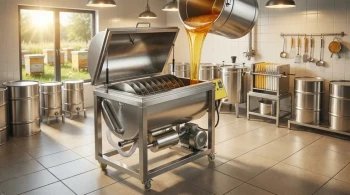
What Is The Benefit Of Using A Double Wall Honey Heating Stirring Homogenizer Mixing Machine?
The benefit of using a double wall honey heating stirring homogenizer mixing machine is its ability to optimize honey processing by combining heating, stirring, and homogenizing functions. This machine is durable, efficient, and customizable for various scales of honey production, making it perfect for beekeepers and manufacturers.
How Does A Honey Tank Heater Drum Heating Blanket Function?
A honey tank heater drum heating blanket functions by wrapping around honey drums or barrels and applying controlled heat to liquefy crystallized honey. It offers precise temperature control, durable construction, and safe operation, ensuring efficient honey processing and handling.
This website uses cookies to enhance your browsing experience,
analyze site traffic, and serve better user experiences. By continuing to use this site, you consent to our use of
cookies. Learn more in our cookie policy.