Within 8 hours on working days, 24 hours on holidays
Queen Cage
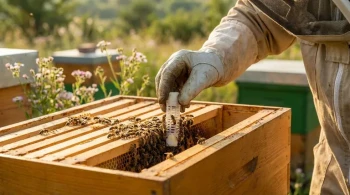
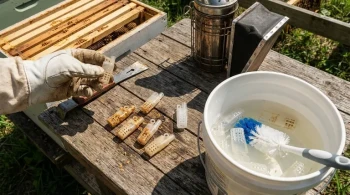
Queen management is a critical factor in the productivity and health of any commercial apiary. Our Queen Cage category offers a comprehensive selection of tools designed to isolate, protect, and introduce queen bees with precision. These tools are essential for requeening operations, transporting high-value genetics, and managing hive treatments without risking the queen's safety.
Our professional inventory includes:
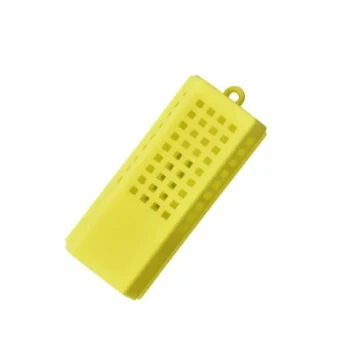
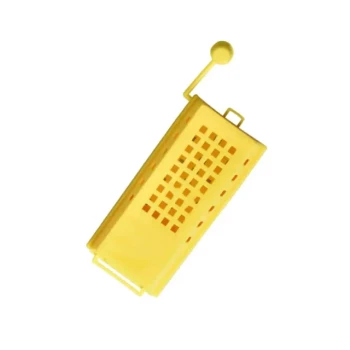
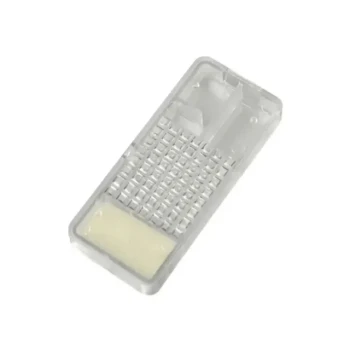
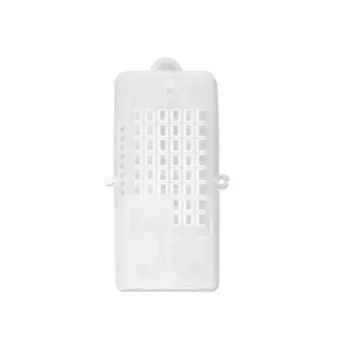
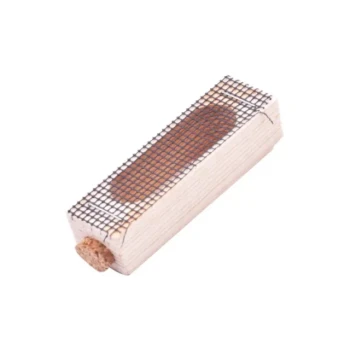
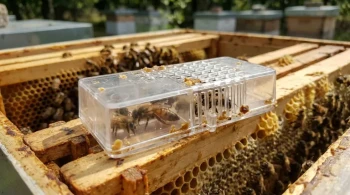
Transport & Shipping Cages: Including the classic wooden California cages and modern multi-compartment plastic designs with sliding lids for secure transit.
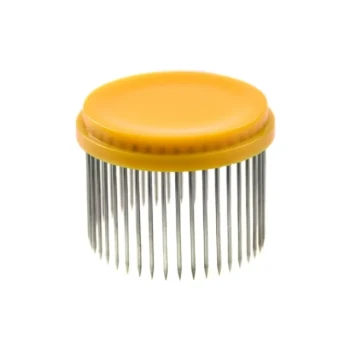
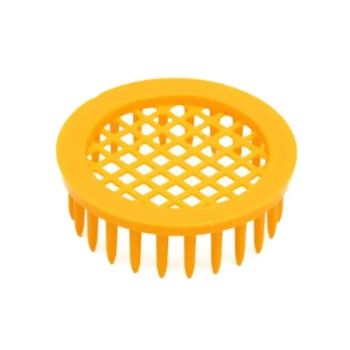
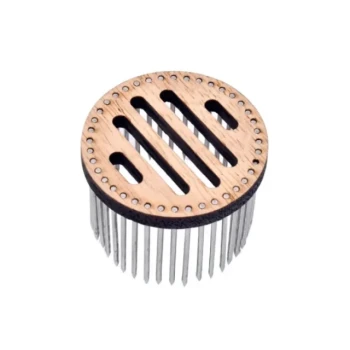
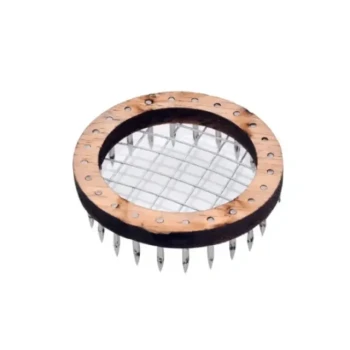
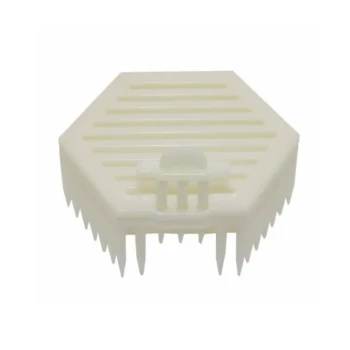
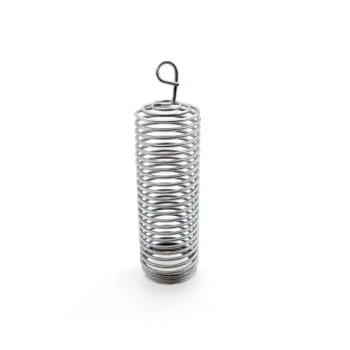
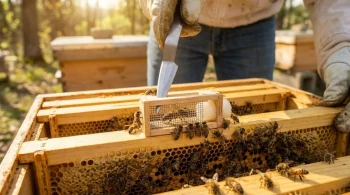
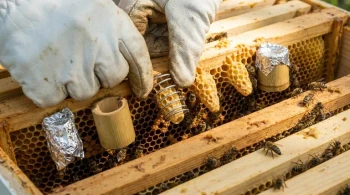
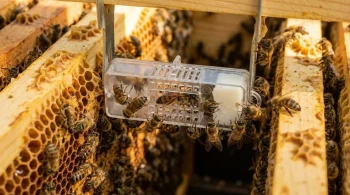
Introduction Tools: Advanced push-in cages (mesh, metal, and wood) that allow for direct-on-comb introduction to maximize acceptance rates.
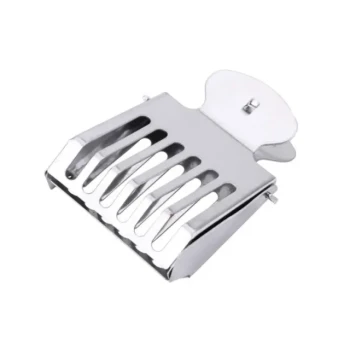
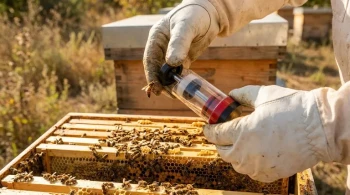
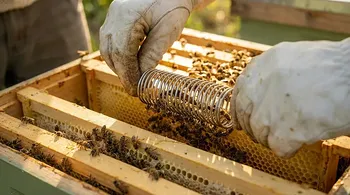
Catching & Handling Equipment: Ergonomic spring-action clips, stainless steel catchers, and roller cages for stress-free queen capture during inspections.
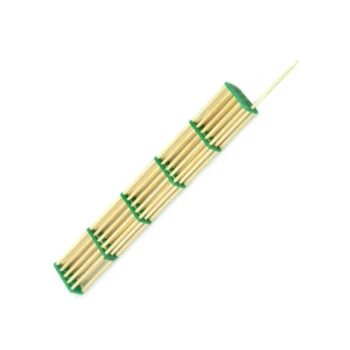
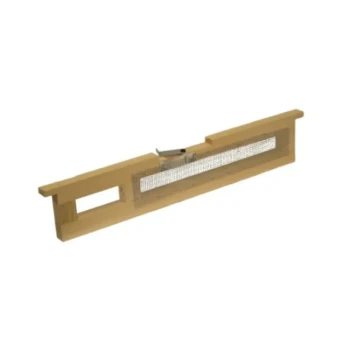
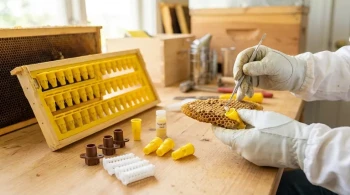
Specialty Isolation Hardware: Bamboo cages for varroa mite control and professional requeening frames for Langstroth systems.
HONESTBEE cages are engineered to facilitate seamless pheromone integration, ensuring that your colony transitions are successful and your genetic investments are protected.
The Science and Precision of Professional Queen Management
In the world of commercial beekeeping, the queen is the most valuable asset in the hive. Successful queen introduction and management are not merely tasks but sophisticated biological processes that require the right hardware. At HONESTBEE, we understand that the difference between a thriving colony and a failed requeening often comes down to the quality and design of the queen cage. Our products are engineered to meet the rigorous demands of commercial apiaries and wholesale distributors, combining durability with biological efficiency.
Core Principles of Queen Introduction
The primary function of a queen cage is to manage the "pheromone transition." When a new queen is introduced to a colony, the resident worker bees initially perceive her as an intruder. Our cages provide a physical barrier that prevents worker aggression while allowing the queen’s pheromones to permeate the hive.
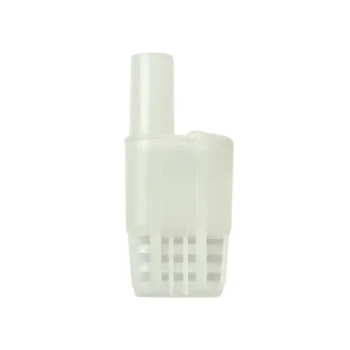
Many of our cages utilize the delayed-release principle. By using a candy tube or sugar-plug mechanism, the workers must eat through a barrier to reach the queen. This process typically takes 24 to 72 hours—exactly the time required for the workers to become accustomed to her scent and accept her as the new matriarch. For commercial operations, this predictable window of release is vital for scheduling hive visits and ensuring high survival rates across thousands of colonies.
Specialized Designs for Every Management Stage
1. High-Acceptance Push-In Cages
One of our most recommended solutions for high-value queens is the push-in cage. Unlike standard transport cages, these are pressed directly into the wax comb. This allows the queen to immediately begin laying eggs in empty cells and provides her access to honey stores. The presence of her eggs and the act of laying significantly increase her appeal to the workers, leading to nearly 100% acceptance rates. We offer these in stainless steel mesh, wood, and durable plastic to suit different hive environments.
2. Commercial Transport & Shipping Cages
For distributors and queen breeders, transport security is paramount. Our multi-compartment and California-style wooden cages are designed for ventilation and structural integrity. They feature secure sliding lids and designated areas for attendant bees and sugar candy, ensuring the queen arrives healthy even after long-distance transit.
3. Ergonomic Catchers and Clips
During routine inspections, the ability to safely secure a queen without harming her is essential. Our stainless steel and spring-action clips allow beekeepers to pick up the queen directly from the frame with one hand. These tools are designed with precise gaps that allow worker bees to pass through while keeping the larger queen safely contained, reducing the risk of accidental crushing or wing damage.
Material Excellence and Durability
HONESTBEE prioritizes materials that balance the health of the bees with the longevity of the tool:
Medical-Grade Plastics: UV-resistant and easy to sanitize, our plastic cages are a favorite for multi-year reuse.
Sustainable Bamboo and Wood: For beekeepers preferring natural materials, our bamboo and wooden cages provide excellent moisture regulation, preventing condensation during shipping.
Stainless Steel & Galvanized Mesh: Our metal components are corrosion-resistant, ensuring they can withstand the humid and acidic environment of a beehive without degrading.
The HONESTBEE Advantage for Wholesale Partners
As a dedicated supplier to the commercial beekeeping industry, HONESTBEE goes beyond simple retail. We provide the infrastructure for success. Our queen cages are available in bulk quantities with specialized pricing structures that support the growth of large-scale distributors and apiary groups.
We recognize that different regions and bee species may require specific modifications. That is why we offer customizable services. Whether you need specific mesh dimensions for localized bee varieties or branded packaging for retail distribution, our engineering team is ready to assist. Our machinery-making background means we understand the manufacturing precision required for every gate, hinge, and clip we produce.
Support Your Apiary with Professional Tools
Choosing the right queen cage is an investment in your hive's future productivity. Don't leave your queen's safety to inferior equipment. Explore our full range of professional queen management tools and experience the reliability that commercial beekeepers worldwide trust.
Looking for a wholesale partner or a custom manufacturing solution? Our team is ready to provide technical support and bulk quotes tailored to your specific operational needs.
A queen cage is a small container designed to hold and transport the queen bee along with a few attendant worker bees. It is primarily used when the queen is being moved from one location to another, ensuring her safety and proper introduction into a new hive.
What Is A Beekeeping Nuc Box?
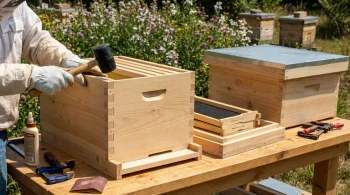
A beekeeping nuc box, short for nucleus colony box, is a smaller version of a beehive used for various purposes such as rearing queen bees, starting new colonies, or transporting bees. It typically includes frames with drawn comb, brood, pollen, and honey, along with an actively laying queen.
What Is A Hive Tool Used For In Beekeeping?
A hive tool is a specialized pry bar used by beekeepers to separate hive parts glued together with propolis by honeybees. It is also used to scrape off unwanted propolis and burr comb. It is essential for inspecting and maintaining the hive.
What Are The Main Applications Of Beekeeping Tools?
Beekeeping tools are primarily used for tasks such as opening bee hives, removing and replacing frames, and performing maintenance on hive surfaces. They are essential for beekeeping activities aimed at pollination, honey production, and hive management.
What Are The Main Applications Of Beekeepers Tools?
Beekeepers tools are essential for various tasks such as hive inspections, honey extraction, and frame cleaning. They include items like veils and hats for facial protection, hive tools for opening sealed hives, and frame rests for convenience during inspections. Additionally, tools like the BeeConnected app help manage pollination agreements and related activities.
What Are Queen Rearing Kits Used For?
Queen rearing kits are used to efficiently raise queen bees, which is essential for maintaining and increasing hive productivity. These kits simplify the process of queen rearing, allowing beekeepers to produce multiple queens without the need for complex grafting techniques.
What Are The Main Features Of A Plastic Queen Cage?
Plastic queen cages typically have grid openings to allow the queen and worker bees to be fed honey and water during transit. They also include a small round opening for adding or subtracting bees, a hinged top for direct release of the queen, and a tube for adding sugar candy or marshmallows to allow worker bees to release the queen.
What Are The Applications Of A Beekeeping Nuc Box?
Beekeeping nuc boxes are versatile and can be used for multiple purposes, including queen rearing, starting new colonies, transporting bees, and expanding apiaries. They are also useful for swarm capture and brood rearing due to their small size and controlled environment.
What Are The Main Features Of A Hive Tool?
A hive tool is a multi-tool used in beekeeping for opening the hive, lifting and shifting frames or other hive parts, scraping away wax and propolis, and prying out or re-setting loose nails or staples. It is made of tempered steel and is typically 20 to 25 cm long, with a flattened end and a bent end for prying frames.
What Types Of Beekeeping Tools Are Available?
Beekeeping tools include protective gear like gloves, hats with veils, and suits; hive management tools such as hive tools, frame lifters, and grafting tools; and specialized equipment like bee venom collectors and honey uncapping knives.
What Types Of Tools Are Commonly Used By Beekeepers?
Common tools used by beekeepers include queen marking tubes and catchers for safe queen bee handling, goatskin leather gloves for sting protection, stainless steel hive tools for hive maintenance, and bee brushes for gentle bee removal. Other essential tools include beekeeping suits, hats with veils, and hive scrapers for efficient hive management.
What Are The Main Types Of Queen Rearing Kits Available?
The main types of queen rearing kits include the Nicot Queen Rearing Kit, Jenter Queen Rearing Kit, and various grafting tools and mating hive boxes. Each type offers unique features such as no-grafting systems, reusable cell cups, and precision tools for handling larvae.
How Does A Queen Cage Work?
A queen cage works by securely containing the queen bee and a few attendant worker bees during transport. It provides ventilation and sometimes includes a mechanism, such as sugar candy or marshmallows, that allows worker bees to gradually release the queen once she is introduced to a new hive. This helps ensure a smooth transition and acceptance by the new colony.
What Are The Main Types Of Beekeeping Nuc Boxes?
The main types of beekeeping nuc boxes include Styrofoam nuc boxes, plastic nuc boxes, and wooden nuc boxes. They come in various frame sizes, such as 3-frame, 4-frame, 5-frame, 6-frame, and 8-frame configurations, each suited for different beekeeping needs.
What Is The Principle Behind Using A Hive Tool?
The principle behind using a hive tool is its multipurpose functionality. It is used for scraping unwanted burr comb, prying hive boxes apart, picking up frames, and removing nails. It is considered an essential tool for beekeepers to maintain and inspect hives effectively.
What Features Should Good Beekeeping Gloves Have?
Good beekeeping gloves should be made of durable materials like goatskin leather for protection against bee stings and heat resistance. They should be flexible enough to work between frames and ideally extend up to the elbow with a cinched end to keep bees out.
What Are The Advantages Of Using Beekeepers Tools?
Using beekeepers tools offers numerous benefits, including enhanced safety during hive inspections, efficient hive management, and protection against bee stings. These tools also facilitate tasks like honey extraction and frame cleaning, making beekeeping more productive and enjoyable. Additionally, beekeeping contributes to biodiversity, food production, and global ecosystems, while providing economic value and opportunities for family bonding.
How Do Queen Rearing Kits Work?
Queen rearing kits work by providing the necessary tools and equipment to create optimal conditions for queen bee development. This includes cell cups for larvae, grafting tools for transferring larvae, and mating hive boxes for queen bee mating. Some kits, like the Jenter system, eliminate the need for grafting, making the process simpler and more efficient.
What Are The Advantages Of Using A Queen Cage?
Using a queen cage offers several advantages, including a high acceptance rate for the queen when introduced to a new hive. It allows the queen to be transported safely and introduced with her own brood and eggs, along with her own nurse bees, creating a familiar and supportive environment. Additionally, it simplifies the process of queen introduction and reduces the risk of rejection by the colony.
What Is The Principle Behind Using A Beekeeping Nuc Box?
The principle of using a beekeeping nuc box is to create a smaller, controlled environment for bees to produce drawn comb and rear queens. The small frames in the nuc box allow bees to draw out comb, which can later be used in mating nucs or other hive setups.
What Are The Advantages Of Using A Hive Tool?
The advantages of using a hive tool include its ability to separate brood and super chambers, loosen frames, scrape hive parts, and remove debris. Made of tempered steel, it is durable and typically 20 to 25 cm long, with a flattened end and a bent end for prying frames, making it an indispensable tool for beekeepers.
What Are The Advantages Of Using Beekeeping Tools?
Beekeeping tools offer numerous benefits, including enhanced safety for beekeepers, efficient hive management, and improved productivity in tasks like honey extraction and queen rearing. They also contribute to the overall health and maintenance of bee colonies.
What Are The Advantages Of Using Queen Rearing Kits?
The advantages of using queen rearing kits include increased efficiency in queen production, simplified processes that do not require grafting, and the ability to produce a large number of queens (up to 110 in some kits). These kits also help maintain hive health and productivity by ensuring a steady supply of high-quality queens.
What Types Of Queen Cages Are Available?
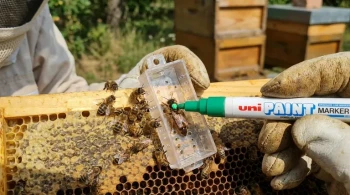
There are various types of queen cages available, including plastic queen cages with grid openings, push-in queen marking cages, and handheld queen marking cages. Each type is designed for specific purposes, such as transport, marking, or introduction, and offers features like ventilation, ease of use, and precise handling.
What Are The Advantages Of Using A Beekeeping Nuc Box?
The advantages of using a beekeeping nuc box include providing a headstart for new beekeepers, offering an excellent environment for brood rearing due to better humidity and temperature control, and being easy to transport. They are also ideal for selling small bee colonies and expanding apiaries.
Why Is A Hive Tool Essential For Beekeepers?
A hive tool is essential for beekeepers because it allows them to effectively separate hive parts, scrape off propolis and burr comb, and perform routine maintenance tasks. Its multifunctional design makes it a crucial tool for ensuring the health and productivity of the hive.
How Do Beekeeping Tools Contribute To Beekeeping As A Practice?
Beekeeping tools play a crucial role in making beekeeping a rewarding and sustainable practice. They help in maintaining healthy bee colonies, ensuring safe and efficient hive management, and supporting activities that benefit biodiversity, food production, and global ecosystems.
Why Is Beekeeping Considered A Rewarding Practice?
Beekeeping is considered rewarding because it benefits biodiversity, food production, and global ecosystems. It offers economic value through pollination and job creation, supports local gardens, increases food for wildlife, and produces natural products like honey and beeswax. Additionally, beekeeping is an engaging hobby that can be profitable, reduces stress, and provides opportunities for family bonding and making new friends.
Are Queen Rearing Kits Suitable For All Beekeepers?
Yes, queen rearing kits are suitable for all beekeepers, from beginners to experienced professionals. They are designed to be user-friendly and come with detailed instructions, making it easy for anyone to rear queens and improve their beekeeping operations.
What Features Should I Look For In A Beekeeping Nuc Box?
Key features to look for in a beekeeping nuc box include superior insulation, ventilation, durability, and ease of transport. Some nuc boxes also come with additional accessories like feeders, slope designs for water drainage, and compartments for tools and supplies.
What Are Some Examples Of Protective Beekeeping Gear?
Protective beekeeping gear includes items like goatskin leather gloves, beekeeping suits with hats and veils, ventilated helmets, and jackets designed to offer maximum protection against bee stings while ensuring comfort and breathability.
What Additional Tools Are Included In Queen Rearing Kits?
Additional tools included in queen rearing kits may consist of grafting tools, cell cups, marking pens, and mating hive boxes. These tools aid in the precise handling of larvae, the creation of queen cells, and the safe marking and mating of queen bees.
What Is The Purpose Of Hive Tools In Beekeeping?
Hive tools are used for opening bee hives, removing and replacing frames, scraping wax, and prying hive boxes. They are essential for routine hive inspections and maintenance, ensuring the smooth operation of beekeeping activities.
What Are The Benefits Of Using Stainless Steel Beekeeping Tools?
Stainless steel beekeeping tools are durable, rust-resistant, and easy to clean, making them ideal for tasks like hive inspections, frame cleaning, and honey extraction. Their ergonomic design ensures efficient and safe handling during beekeeping operations.
How Do Beekeeping Tools Support Queen Rearing?
Beekeeping tools like grafting tools and queen cages are essential for queen rearing. They enable precise handling of larvae, safe transport of queen bees, and efficient grafting processes, which are crucial for maintaining and expanding bee colonies.
What Is The Significance Of Beekeeping In Environmental Conservation?
Beekeeping supports environmental conservation by promoting biodiversity, enhancing pollination of plants, and contributing to the health of ecosystems. It also aids in the production of natural products like honey and beeswax, which have various uses and benefits.
This website uses cookies to enhance your browsing experience,
analyze site traffic, and serve better user experiences. By continuing to use this site, you consent to our use of
cookies. Learn more in our cookie policy.