Toggle Categories
Get Instant Support
Choose your preferred way to connect with our team
-
Get Free Quote Fill out form for detailed pricing
-
Send Email Detailed inquiry support
-
WhatsApp Quick mobile chat
Response Time
Within 8 hours on working days, 24 hours on holidays
Protective Gear
Protective Gear
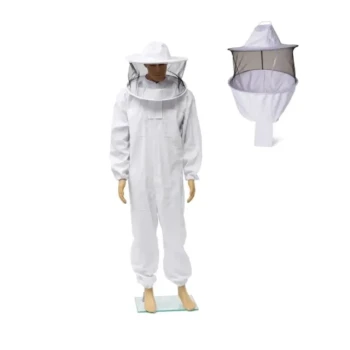

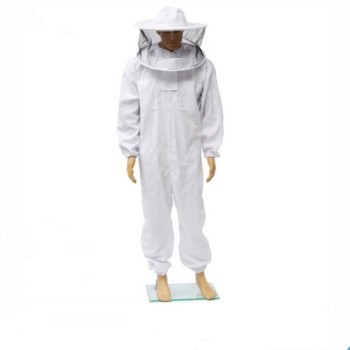
Premium Cotton Beekeeper Suit with Reinforced Fencing Veil
Item Number: BC-2

Three-Layer Ventilated Beekeeper Suit with Structured Fencing Veil
Item Number: BC-4

Beekeeping Jacket with Hood and Veil for Beekeepers
Item Number: BJ-2

Vented Beekeeping Jacket with Hood and Veil for Beekeepers
Item Number: BJ-4

Economy Polyester Beekeeping Jacket with Veil and Hat
Item Number: BJ-5A

White Cotton Beekeeping Jacket and Veil for Bee Keepers
Item Number: BJ-5


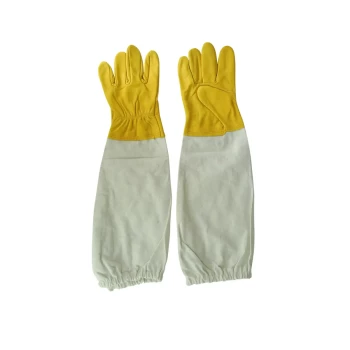
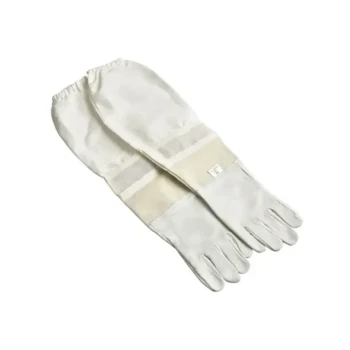
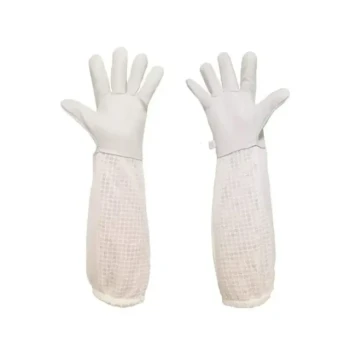
Goat Skin Leather Bee Sting Proof Beekeeping Gloves with Canvas Sleeve
Item Number: BG-2


White PVC Beekeeping Shoes with Non-Slip Safety Sole
Item Number: BS-W
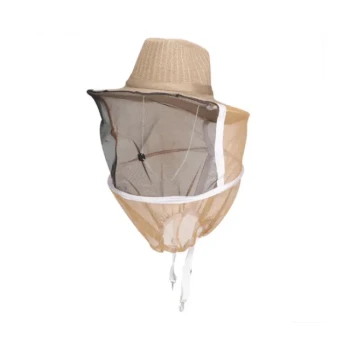
Beekeeper Cowboy Hat and Veil for Beekeeping
Item Number: BH-1

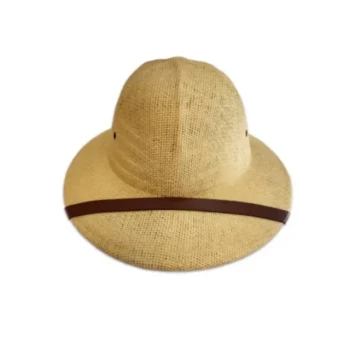
Rigid Pith Style Beekeeper Hat for Square Folding Veils
Item Number: BH-3

Professional Square Folding Wire Mesh Beekeeping Veil
Item Number: BH-4

Square Folding Beekeeping Hat with Integrated Veil
Item Number: BH-5

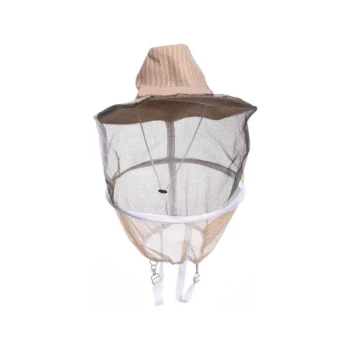
High-Definition Beekeeper Hat with Round Veil Mesh for Beekeeping
Item Number: BH-6A
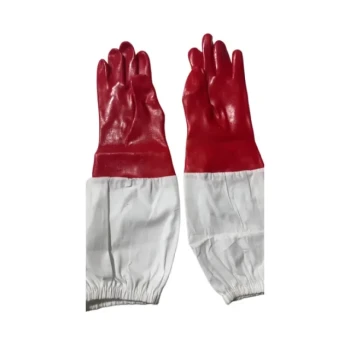
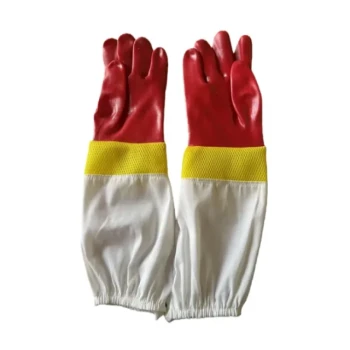
Heavy Duty Red Rubber Beekeeping Gloves with Vented Mesh Cotton Sleeves
Item Number: BG-8
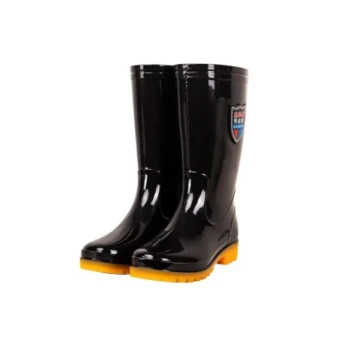
Professional PVC Beekeeping Shoes with Integrated Non-Slip Sole
Item Number: BS-B
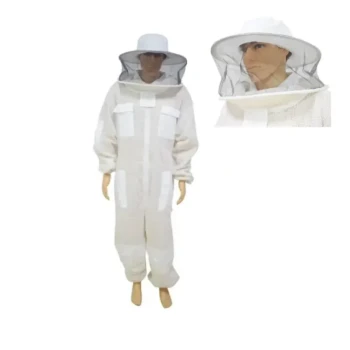
Premium Three Layer Ventilated Bee Suit with Round Veil
Item Number: BC-3

Professional Beekeeper Suit with Square Folding Cotton Veil
Item Number: BC-5
Edit This Page
REQUEST A QUOTE
Our professional team will reply to you within one business day. Please feel free to contact us!
Related Articles
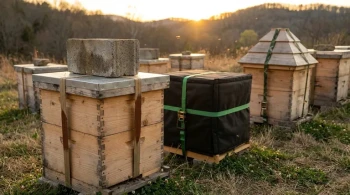
How to Secure Beehive Covers: Weatherproof Strategies for Every Hive Type
Learn weatherproof strategies to secure beehive covers for all hive types, ensuring colony protection from predators and harsh elements.
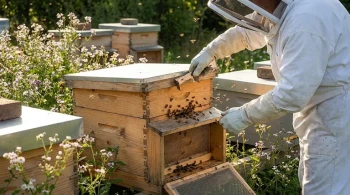
How to Optimize Beehive Ventilation: Prevent Disease and Boost Colony Health
Learn science-backed beehive ventilation strategies to prevent disease, boost colony health, and optimize honey production in all seasons.
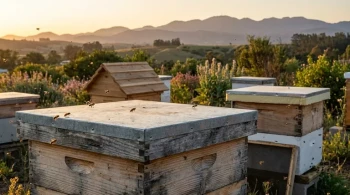
How Beehive Top Cover Design and Materials Protect Your Colony's Health
Learn how beehive top cover design and materials protect your colony from pests, weather, and temperature swings for optimal hive health.
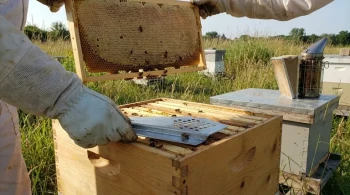
How to Clear Honey Supers Humanely: Reliable Methods & Troubleshooting
Learn humane methods to clear honey supers without stressing bees, including bee escapes, fume boards, and troubleshooting tips for stubborn colonies.
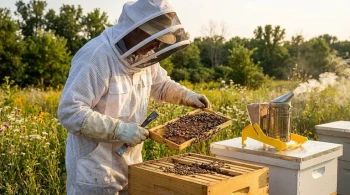
How to Choose and Maintain Beekeeping Protective Gear Like a Pro
Learn how to choose and maintain beekeeping protective gear like a pro—bee suits, gloves, veils, and more for safety and comfort.
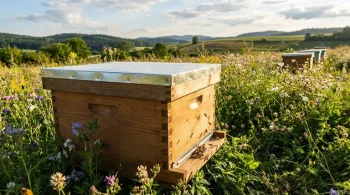
How Outer Telescoping Covers Protect Beehives: Materials and Design Explained
Learn how outer telescoping covers protect beehives with durable materials and weatherproof design for longer hive lifespan.
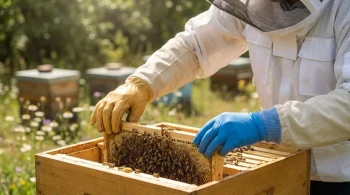
How to Choose Beekeeping Gloves: Material, Fit, and Care Explained
Learn how to choose the best beekeeping gloves for protection, dexterity, and durability. Compare leather vs. nitrile materials and maintenance tips.
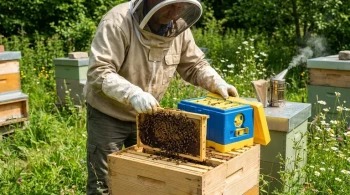
Why Nucs Give New Beekeepers a 75% Higher Success Rate (and How to Maximize Their Advantage)
Nucs boost new beekeepers' success rates by 75% with established colonies, accepted queens, and faster honey production. Learn how to maximize their advantages.
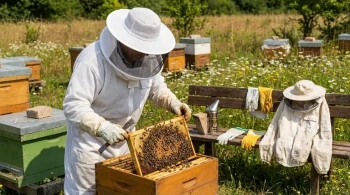
How to Choose Beekeeping Protective Clothing That Fits Your Needs and Environment
Learn how to choose the best beekeeping protective clothing for safety, comfort, and climate—whether you're a beginner or expert beekeeper.
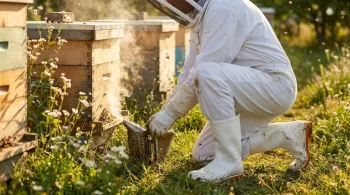
How to Choose Beekeeping Boots: Safety, Durability, and Comfort Criteria Explained
Learn how to choose the best beekeeping boots for safety, durability, and comfort. Compare materials like rubber, leather, and synthetics.
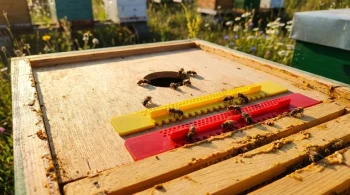
How Center Hole Ventilation Transforms Hive Health: A Beekeeper’s Guide
Discover how center hole ventilation in beehives improves colony health, thermoregulation, and honey yields. Essential guide for beekeepers.
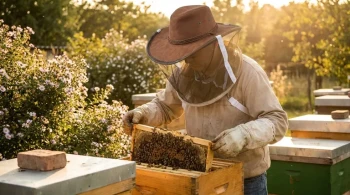
How to Choose the Best Beekeeping Headgear for Safety and Comfort
Learn how to choose durable, comfortable beekeeping headgear for safety in any climate. Compare materials, designs, and maintenance tips.
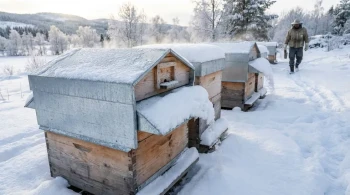
How Telescoping Beehive Covers Outperform in Cold Climates: A Cost-Benefit Analysis
Telescoping beehive covers enhance winter survival with superior snow/rain protection and durability, ideal for cold climates. Long-term cost-effective solution.
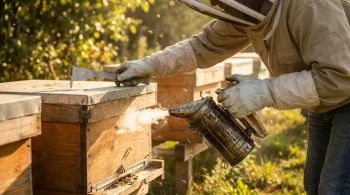
Why Your Bee Smoker Might Be Making Your Hives More Aggressive—And How to Fix It
Stop fighting aggressive hives. Learn the science of bee communication and why your smoker technique—and tool—is the key to calm, productive, and profitable apiaries.
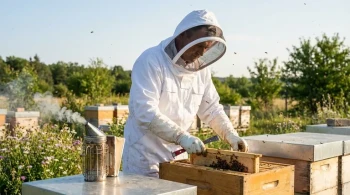
How to Choose and Maintain a Bee Suit That Actually Prevents Stings
Learn how to choose and maintain a bee suit that effectively prevents stings with fabric tech, design tips, and beekeeper-approved care.
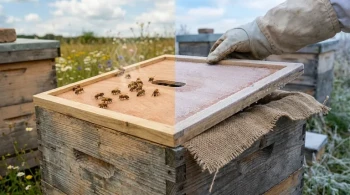
How Inner Covers Optimize Hive Health Through Every Season
Discover how inner covers regulate hive temperature, humidity, and pest resistance year-round for healthier bee colonies and optimized apiary management.
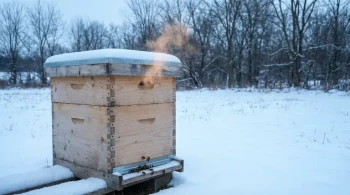
The Paradox of Warmth: Why a Beehive Must Breathe to Survive Winter
An insulated hive traps moisture, a silent killer. Proper ventilation is not about temperature, but managing condensation for colony survival.

Beyond the Cold: The Physics of a Winter Beehive and Why Our Instincts Fail Us
Winterizing hives isn't about warmth; it's about managing the real threats: starvation, moisture, and wind. Learn the physics of bee survival.
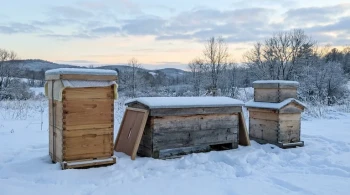
Beyond the Box: The Physics of a Winter Beehive
The best winter hive isn't a model, but a system engineered to defeat moisture and heat loss—the two silent killers of a honeybee colony.
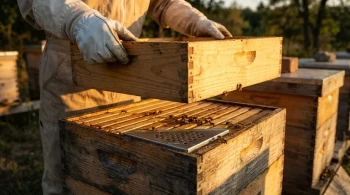
The Unseen Architecture: Why Bee Escapes Work on Physics, But Fail on Psychology
A bee escape's success hinges on understanding bee psychology—their instincts for warmth, navigation, and unbreakable brood care. Here's how to master it.