Within 8 hours on working days, 24 hours on holidays
Queen Rearing Kits
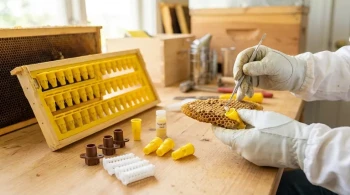
Queen rearing is the foundation of a thriving commercial apiary, and our collection of Queen Rearing Kits is engineered to maximize both efficiency and colony health. These systems allow beekeepers to produce high-quality queens with precision, ensuring the genetic stability and productivity of every hive. By utilizing specialized components like plastic comb boxes and cell plugs, these kits streamline the breeding process, making it accessible for large-scale operations and distributors alike.
Our product range includes industry-leading solutions such as:
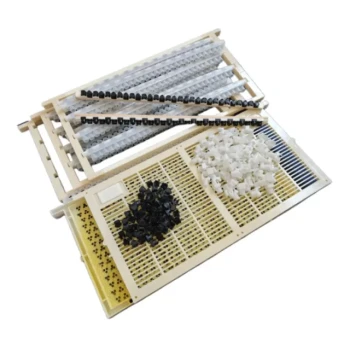
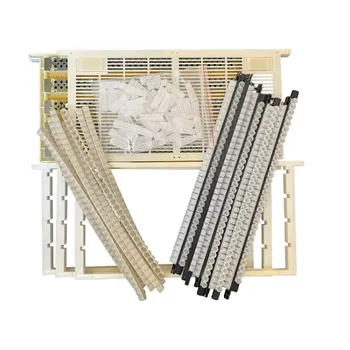
Nicot and Jenter Systems: Advanced no-grafting kits that allow queens to lay directly into cell plugs, minimizing larval stress.
JZBZ Langstroth Frames & Battery Boxes: Durable standards for cell holding and the safe, ventilated shipping of up to 20 queens.
Modular Rearing Components: Premium cell bar holders, cup holders, and hair roller cages for secure queen maturation.
Portable Queen Incubators: Temperature-controlled units with 12V adapters for safe transport between apiaries.
Royal Jelly Production Kits: Versatile systems designed for simultaneous queen breeding and high-yield royal jelly harvesting.
Comprehensive Guide to Professional Queen Rearing Systems and Commercial Breeding Success
In the world of commercial beekeeping, the queen bee is the single most important factor determining the success, temperament, and honey-producing potential of a colony. At HONESTBEE, we understand that professional apiaries and distributors require more than just basic tools; they need integrated systems that ensure high survival rates, genetic excellence, and operational efficiency. Our Queen Rearing Kits are designed to meet these rigorous industrial standards, providing a bridge between biological necessity and mechanical precision.
Characteristics of Professional-Grade Rearing Equipment
The hallmark of a superior queen rearing kit lies in its ability to mimic the natural environment while providing the beekeeper with total control. Our kits, including the world-renowned Nicot and Jenter styles, are manufactured using high-density, food-grade polymers that are both durable and easy to sterilize. Hygiene is paramount in queen breeding, and our materials are resistant to the buildup of pathogens while being light enough for easy handling in the field.
Key characteristics include:
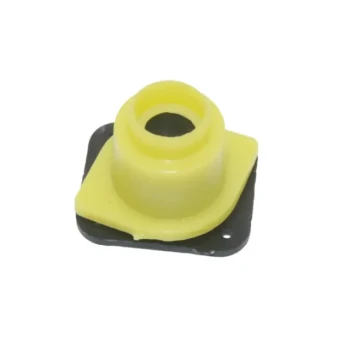
Precision Molding: Every cell cup and plug is engineered to exact tolerances, ensuring they fit perfectly into holders and frames without the risk of falling out or causing damage to the delicate larvae.
Modular Design: Our systems are highly modular. For instance, the Nicot-style cell bar holders and hair roller cages are interchangeable, allowing beekeepers to scale their operations from a few dozen queens to thousands with the same basic infrastructure.
Thermal Stability: Components used in our portable incubators and battery boxes are designed to maintain stable micro-climates, protecting the developing queens from the lethal effects of temperature fluctuations during transport.
The Principles of No-Grafting Systems
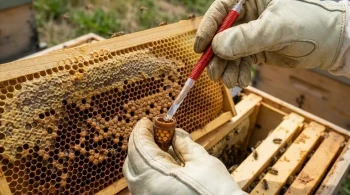
Traditional grafting—the manual transfer of young larvae into queen cups—requires steady hands, excellent eyesight, and years of experience. Even for experts, the risk of physical damage to the larvae or dehydration during the transfer is high. HONESTBEE’s no-grafting kits (Nicot and Jenter systems) revolutionize this process by working on the principle of direct egg laying.
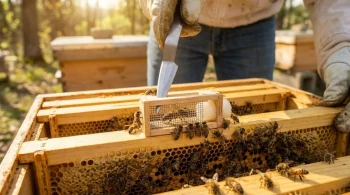
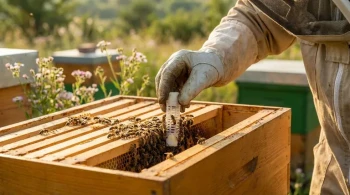
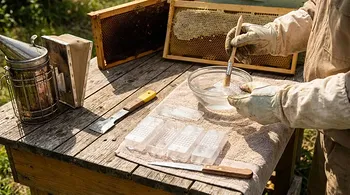
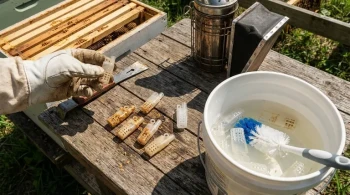
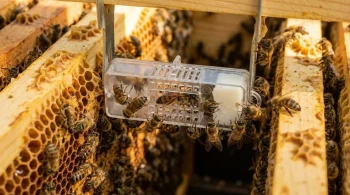
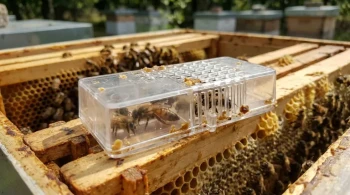
In these systems, the queen is confined to a comb box where she lays eggs directly into removable plastic plugs. This eliminates the need for manual handling of the larvae. Once the eggs hatch, the plugs containing the young larvae are simply moved into cell cup holders and attached to a rearing frame. This method ensures that the larvae are never touched by a tool and are always of the correct age (under 24 hours), which is critical for the development of high-quality queens with a full complement of ovarioles.
Strategic Advantages for Commercial Apiaries
Investing in professional queen rearing hardware provides a significant competitive edge for commercial operations:
Mass Production Efficiency: With kits like our Langstroth Starter Kits and JZBZ frames, a single operator can manage hundreds of queen cells simultaneously. This scalability is essential for operations that need to requeen thousands of hives annually or for those who supply queens to the wholesale market.
Genetic Control and Stability: By controlling the rearing process, beekeepers can select for specific traits such as varroa resistance, hygienic behavior, and high honey production. Our kits provide the consistency needed to replicate these traits across an entire apiary.
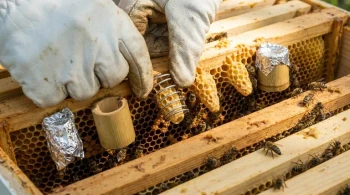
Reduced Mortality Rates: The use of specialized equipment like hair roller bee cages protects the queen cells from being destroyed by the first emerging queen or by worker bees. This ensures that every successful cell translates into a viable, mated queen.
Dual-Purpose Functionality: Many of our kits are optimized for both queen rearing and royal jelly production. This allows commercial beekeepers to diversify their revenue streams without investing in entirely different sets of equipment.
Logistics and Transport Excellence
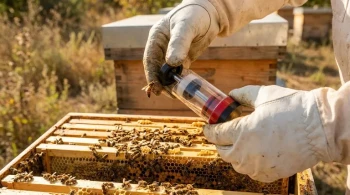
For distributors and large-scale breeders, the challenge often lies in moving queens from the breeding site to the customer or the out-apiary. HONESTBEE addresses this with our specialized transport solutions. Our JZBZ Style Professional Battery Boxes are designed for maximum ventilation and security, holding 20 shipping cages in a configuration that prevents overheating. For even more sensitive operations, our Portable Queen Bee Incubators with 12V car adapters allow for precise temperature control during long-distance hauls, ensuring that the queens arrive in peak physiological condition.
Why Partner with HONESTBEE?
HONESTBEE is more than a supplier; we are a strategic partner for the global beekeeping industry. Our expertise spans the entire spectrum of apiary technology, from hive-making machinery to the fine details of queen rearing kits. We understand that different regions and different bee species may require slight adjustments in equipment design.
Customization and Wholesale Expertise:
We offer comprehensive customization services for our wholesale partners. Whether you require specific branding on your kits, custom-sized frames for non-standard hive types, or bulk packaging for distribution, our manufacturing team is equipped to handle your needs. We pride ourselves on our ability to provide high-volume supplies with consistent quality control, ensuring that every component in a 1,000-unit order meets the same standards as a single prototype.
Our commitment to the industry is reflected in our continuous research and development. We monitor global beekeeping trends to ensure our kits incorporate the latest advancements in bee biology and materials science. By choosing HONESTBEE, you are choosing a partner dedicated to your long-term growth and the health of the bees you serve.
Take the Next Step in Your Breeding Program
Whether you are looking to upgrade your commercial apiary’s breeding infrastructure or seeking a reliable wholesale source for queen rearing equipment, HONESTBEE is ready to assist. Our team of experts can provide technical guidance on kit selection, modular integration, and large-scale logistics.
Queen rearing kits are used to efficiently raise queen bees, which is essential for maintaining and increasing hive productivity. These kits simplify the process of queen rearing, allowing beekeepers to produce multiple queens without the need for complex grafting techniques.
What Is A Beekeeping Nuc Box?
A beekeeping nuc box, short for nucleus colony box, is a smaller version of a beehive used for various purposes such as rearing queen bees, starting new colonies, or transporting bees. It typically includes frames with drawn comb, brood, pollen, and honey, along with an actively laying queen.
What Is The Purpose Of A Beekeeping Outfit?
A beekeeping outfit is designed to protect beekeepers from bee stings and other aggressive pollinators like yellow jackets. It also helps keep them cool on hot days and reduces the risk of getting stung when combined with a smoker and experience.
What Is A Hive Tool Used For In Beekeeping?
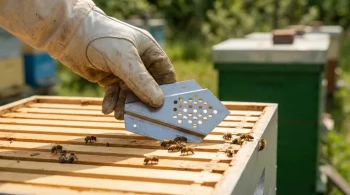
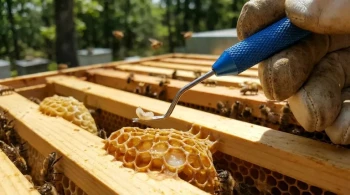
A hive tool is a specialized pry bar used by beekeepers to separate hive parts glued together with propolis by honeybees. It is also used to scrape off unwanted propolis and burr comb. It is essential for inspecting and maintaining the hive.
What Are The Main Applications Of Beekeepers Tools?
Beekeepers tools are essential for various tasks such as hive inspections, honey extraction, and frame cleaning. They include items like veils and hats for facial protection, hive tools for opening sealed hives, and frame rests for convenience during inspections. Additionally, tools like the BeeConnected app help manage pollination agreements and related activities.
What Is An Uncapping Tub Used For In Beekeeping?
An uncapping tub is used in beekeeping to enhance the honey extraction process. It helps in removing the wax caps from honeycombs efficiently, ensuring high-quality honey production.
What Are Bee Gloves Used For?
Bee gloves are used to protect the hands and fingers of beekeepers from bee stings. They allow beekeepers to handle bees with minimal difficulty and reduce the pain associated with stings.
What Is The Principle Of A Beekeeping Queen Excluder?
A queen excluder works by exploiting the size difference between worker bees and the queen. The gaps in the excluder are typically between 4.1 and 4.4 millimeters, allowing worker bees to pass through but preventing the larger queen from entering the honey supers. This ensures that the honey supers remain free of brood and contain only honey.
What Are The Main Types Of Queen Rearing Kits Available?
The main types of queen rearing kits include the Nicot Queen Rearing Kit, Jenter Queen Rearing Kit, and various grafting tools and mating hive boxes. Each type offers unique features such as no-grafting systems, reusable cell cups, and precision tools for handling larvae.
What Are The Applications Of A Beekeeping Nuc Box?
Beekeeping nuc boxes are versatile and can be used for multiple purposes, including queen rearing, starting new colonies, transporting bees, and expanding apiaries. They are also useful for swarm capture and brood rearing due to their small size and controlled environment.
What Are The Main Features Of A Beekeeping Outfit?
A beekeeping suit is typically made of durable white cotton with elastic bands on the wrists and ankles. It includes a collapsible, self-supporting veiled hood with wires to maintain its shape. The design offers great visibility to the front and sides, and the material is protective, comfortable, and lightweight. Lightweight suits are good for light to moderate use, are flexible, and help keep the user cooler.
What Are The Main Features Of A Hive Tool?
A hive tool is a multi-tool used in beekeeping for opening the hive, lifting and shifting frames or other hive parts, scraping away wax and propolis, and prying out or re-setting loose nails or staples. It is made of tempered steel and is typically 20 to 25 cm long, with a flattened end and a bent end for prying frames.
What Types Of Tools Are Commonly Used By Beekeepers?
Common tools used by beekeepers include queen marking tubes and catchers for safe queen bee handling, goatskin leather gloves for sting protection, stainless steel hive tools for hive maintenance, and bee brushes for gentle bee removal. Other essential tools include beekeeping suits, hats with veils, and hive scrapers for efficient hive management.
What Are The Main Types Of Uncapping Tubs Available?
The main types of uncapping tubs include those made from durable 304 stainless steel and those constructed from plastic. Both types are designed to optimize honey extraction and improve beekeeping productivity.
What Are The Main Types Of Bee Gloves?
The main types of bee gloves include goatskin leather gloves, which offer maximum sting protection and durability, and ventilated bee gloves, which have mesh panels for increased airflow and reduced heat and moisture buildup.
What Are The Advantages Of Using A Beekeeping Queen Excluder?
The advantages of using a queen excluder include ease of management by keeping the queen out of the honey supers, which simplifies honey extraction and inspection. It also improves queen locating by confining the queen to specific areas, making monitoring and managing her more straightforward. Additionally, it helps in colony control by managing the size and temperament of the colony, and in pest control by preventing egg laying in the honey frames, which reduces the attraction of wax moths.
How Do Queen Rearing Kits Work?
Queen rearing kits work by providing the necessary tools and equipment to create optimal conditions for queen bee development. This includes cell cups for larvae, grafting tools for transferring larvae, and mating hive boxes for queen bee mating. Some kits, like the Jenter system, eliminate the need for grafting, making the process simpler and more efficient.
What Are The Main Types Of Beekeeping Nuc Boxes?
The main types of beekeeping nuc boxes include Styrofoam nuc boxes, plastic nuc boxes, and wooden nuc boxes. They come in various frame sizes, such as 3-frame, 4-frame, 5-frame, 6-frame, and 8-frame configurations, each suited for different beekeeping needs.
What Are The Advantages Of Using A Beekeeping Outfit?
A beekeeping suit provides maximum protection, making it ideal for extensive work or when dealing with aggressive bees. It ensures safety, comfort, and reduces the risk of stings during hive inspections and honey harvesting.
What Is The Principle Behind Using A Hive Tool?
The principle behind using a hive tool is its multipurpose functionality. It is used for scraping unwanted burr comb, prying hive boxes apart, picking up frames, and removing nails. It is considered an essential tool for beekeepers to maintain and inspect hives effectively.
What Are The Advantages Of Using Beekeepers Tools?
Using beekeepers tools offers numerous benefits, including enhanced safety during hive inspections, efficient hive management, and protection against bee stings. These tools also facilitate tasks like honey extraction and frame cleaning, making beekeeping more productive and enjoyable. Additionally, beekeeping contributes to biodiversity, food production, and global ecosystems, while providing economic value and opportunities for family bonding.
What Are The Advantages Of Using A Stainless Steel Uncapping Tub?
A stainless steel uncapping tub offers durability, resistance to corrosion, and ease of cleaning. These features ensure long-term use and maintain the quality of the honey extraction process.
How Do Ventilated Bee Gloves Work?
Ventilated bee gloves work by incorporating mesh panels that allow air to flow through the gloves. This reduces heat and moisture buildup, making them more comfortable to wear during extended periods of beekeeping.
What Are The Applications Of A Beekeeping Queen Excluder?
A queen excluder is used in honey harvesting, propolis production, royal jelly production, and forming multi-queen colonies. It prevents the queen from entering the honey storage area above the brood chamber, ensuring she lays eggs only in the brood chamber.
What Are The Advantages Of Using Queen Rearing Kits?
The advantages of using queen rearing kits include increased efficiency in queen production, simplified processes that do not require grafting, and the ability to produce a large number of queens (up to 110 in some kits). These kits also help maintain hive health and productivity by ensuring a steady supply of high-quality queens.
What Is The Principle Behind Using A Beekeeping Nuc Box?
The principle of using a beekeeping nuc box is to create a smaller, controlled environment for bees to produce drawn comb and rear queens. The small frames in the nuc box allow bees to draw out comb, which can later be used in mating nucs or other hive setups.
What Types Of Beekeeping Outfits Are Available?
Beekeeping outfits come in various types, including jackets with veils and hats, full suits with hats and veils, and specialized gloves. Some are made of polyester, while others use goatskin leather for gloves. There are also lightweight and heavy-duty options to suit different levels of use and protection needs.
What Are The Advantages Of Using A Hive Tool?
The advantages of using a hive tool include its ability to separate brood and super chambers, loosen frames, scrape hive parts, and remove debris. Made of tempered steel, it is durable and typically 20 to 25 cm long, with a flattened end and a bent end for prying frames, making it an indispensable tool for beekeepers.
What Features Should Good Beekeeping Gloves Have?
Good beekeeping gloves should be made of durable materials like sheepskin leather to protect against bee stings and heat. They should be nimble enough to work between frames, extend up to the elbow, and have a cinched end to keep bees out. This ensures both safety and comfort during hive inspections and other beekeeping activities.
How Does An Uncapping Tub Improve Honey Extraction Efficiency?
An uncapping tub streamlines the honey extraction process by providing a dedicated space for uncapping honeycombs. This reduces the time and effort required, enhancing overall productivity in beekeeping.
What Are The Advantages Of Using Goatskin Leather Bee Gloves?
Goatskin leather bee gloves offer superior sting protection, durability, and comfort. They are designed to provide maximum safety while handling bees and are often extended with canvas sleeves and elastic bands for a secure fit.
What Are The Main Types Of Beekeeping Queen Excluders?
The main types of beekeeping queen excluders include wooden, plastic, and metal excluders. Wooden excluders are made from eco-friendly fir wood and bamboo, plastic excluders are durable and compatible with various hive sizes, and metal excluders are known for their durability and effectiveness in controlling colony behavior.
Are Queen Rearing Kits Suitable For All Beekeepers?
Yes, queen rearing kits are suitable for all beekeepers, from beginners to experienced professionals. They are designed to be user-friendly and come with detailed instructions, making it easy for anyone to rear queens and improve their beekeeping operations.
What Are The Advantages Of Using A Beekeeping Nuc Box?
The advantages of using a beekeeping nuc box include providing a headstart for new beekeepers, offering an excellent environment for brood rearing due to better humidity and temperature control, and being easy to transport. They are also ideal for selling small bee colonies and expanding apiaries.
How Does A Beekeeping Outfit Protect Against Stings?
A beekeeping outfit protects against stings by using durable materials like cotton or polyester that bees cannot easily penetrate. The outfit covers the entire body, including the head with a veiled hood, and often includes gloves with extended sleeves. Elastic bands on the wrists and ankles ensure a snug fit, preventing bees from entering.
Why Is A Hive Tool Essential For Beekeepers?
A hive tool is essential for beekeepers because it allows them to effectively separate hive parts, scrape off propolis and burr comb, and perform routine maintenance tasks. Its multifunctional design makes it a crucial tool for ensuring the health and productivity of the hive.
Why Is Beekeeping Considered A Rewarding Practice?
Beekeeping is considered rewarding because it benefits biodiversity, food production, and global ecosystems. It offers economic value through pollination and job creation, supports local gardens, increases food for wildlife, and produces natural products like honey and beeswax. Additionally, beekeeping is an engaging hobby that can be profitable, reduces stress, and provides opportunities for family bonding and making new friends.
What Features Should I Look For In An Uncapping Tub?
When selecting an uncapping tub, look for features such as durable construction (e.g., stainless steel or high-quality plastic), an integrated strainer system, and ease of cleaning. These features ensure efficient and high-quality honey extraction.
What Are The Benefits Of Ventilated Bee Gloves?
Ventilated bee gloves are lightweight and provide good sting protection while increasing airflow to reduce heat and moisture buildup. However, they may be less durable and could allow stings through the mesh panels.
How Does A Beekeeping Queen Excluder Simplify Hive Management?
Using a queen excluder makes it easier for beekeepers to manage hives by allowing them to harvest honey without worrying about drone brood in the honey supers. It also simplifies brood nest inspections by limiting the queen to the lower brood boxes, making it easier to find her. Additionally, queen excluders help control the colony's population and defensiveness, especially in Africanized zones, and may assist in managing varroa mite populations by reducing brood size.
What Additional Tools Are Included In Queen Rearing Kits?
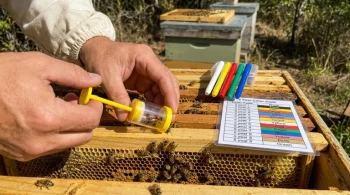
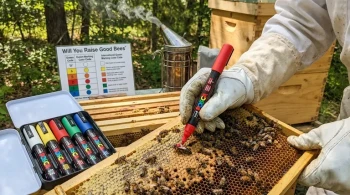
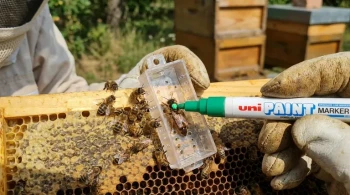
Additional tools included in queen rearing kits may consist of grafting tools, cell cups, marking pens, and mating hive boxes. These tools aid in the precise handling of larvae, the creation of queen cells, and the safe marking and mating of queen bees.
What Features Should I Look For In A Beekeeping Nuc Box?
Key features to look for in a beekeeping nuc box include superior insulation, ventilation, durability, and ease of transport. Some nuc boxes also come with additional accessories like feeders, slope designs for water drainage, and compartments for tools and supplies.
Are Bee Gloves Suitable For All Beekeeping Activities?
Yes, bee gloves are suitable for a wide range of beekeeping activities, including hive inspections, honey harvesting, and general hive management. They provide essential protection against bee stings and enhance the safety and comfort of beekeepers.
This website uses cookies to enhance your browsing experience,
analyze site traffic, and serve better user experiences. By continuing to use this site, you consent to our use of
cookies. Learn more in our cookie policy.