Queen rearing kits are essential for beekeepers aiming to enhance hive productivity and honey production. Our range includes the Nicot Queen Rearing Kit, which simplifies the process and can produce up to 110 queens, and the Jenter Queen Rearing Kit, which eliminates the need for grafting. For precision, the Retractable Chinese Queen Rearing Grafting Tools offer gentle larvae handling. Additionally, our Portable Bee Mating Hive Boxes and Automatic Heat Preservation Nuc Boxes ensure optimal conditions for queen mating and breeding. These kits are designed to cater to both novice and experienced beekeepers, providing all the necessary tools for successful queen rearing.
Toggle Categories
Get Instant Support
Choose your preferred way to connect with our team
-
Get Free Quote Fill out form for detailed pricing
-
Send Email Detailed inquiry support
-
WhatsApp Quick mobile chat
Response Time
Within 8 hours on working days, 24 hours on holidays
queen rearing kits


Nicot Queen Rearing Kit for Beekeeping and Grafting in Nicot System
Item Number: QRK-1


Stainless Steel Beekeeping Queen Grafting Tool for Honey Bee Rearing
Item Number: GT-3

Automatic Heat Preservation 6 Frame Pro Nuc Box for Honey Bee Queen Mating
Item Number: NUC-8

Jenter Queen Rearing Kit Complete Set for Bee Breeding
Item Number: QRK-2

Retractable Chinese Queen Rearing Grafting Tools Equipment
Item Number: GT-5

JZBZ Langstroth Queen Rearing Frame for Beekeeping
Item Number: QRK-3


Plastic Chinese Queen Grafting Tool for Bee Queen Rearing
Item Number: GT-1

Brown Nicot Queen Cell Cups for Breeding Queen Bees Beekeeping
Item Number: QCC-1
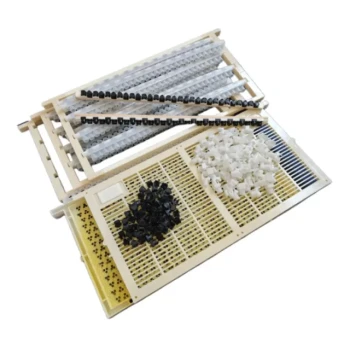

Portable Bee Mating Hive Boxes Mini Mating Nucs 8 Frames for Queen Rearing
Item Number: NUC-6

Double Head Beekeeping Grafting Tools for Beekeepers
Item Number: GT-4

JZBZ Push-In Queen Cell Cups for Beekeeping
Item Number: QCC-4

Heavy Duty 304 Stainless Steel Honey Dipper
Item Number: HB-6
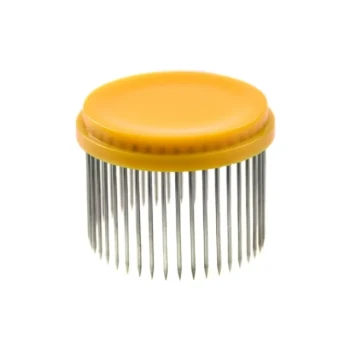
Professional Round Push-In Queen Cage with Metal Tines
Item Number: QC-9
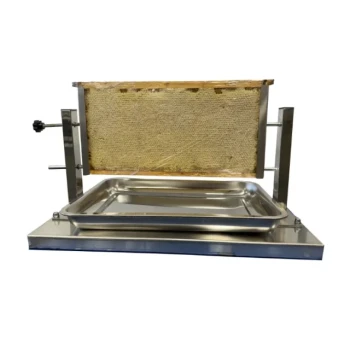
Professional Adjustable Stainless Steel Honeycomb Display Stand
Item Number: HCS-1

Professional Grade Foldable Beehive Handles
Item Number: BHH-1
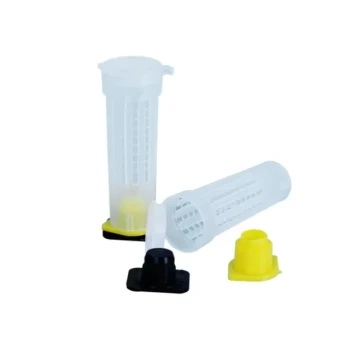
Premium Nicot Style Queen Rearing Kit with Hair Roller Bee Cages
Item Number: QCC-5
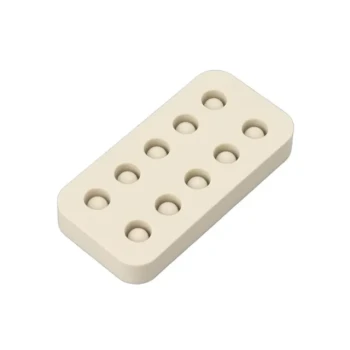
10-Cell Silicone Beeswax Bee Queen Cups Forming Mold
Item Number: QP-2

Portable Queen Bee Incubator with 12V Car Adapter for Safe Transport
Item Number: QCC-14
Detailed Overview of Queen Rearing Kits
Queen rearing is a critical aspect of beekeeping that ensures the health and productivity of your hives. Our queen rearing kits are meticulously designed to simplify this process, making it accessible for beekeepers of all experience levels.
Key Features and Benefits
-
Nicot Queen Rearing Kit: This kit is renowned for its efficiency and simplicity. It allows beekeepers to produce up to 110 queens, ensuring a steady supply of healthy, productive queens. The system is easy to use and integrates seamlessly with existing hive setups.
-
Jenter Queen Rearing Kit: Ideal for those who prefer a grafting-free method, the Jenter kit simplifies queen rearing. It is perfect for beekeepers looking to boost colony health and honey production without the complexities of traditional grafting techniques.
-
Retractable Chinese Queen Rearing Grafting Tools: Precision is key in queen rearing, and these tools offer just that. Designed for gentle larvae handling, they ensure high success rates in grafting and queen cell production. Their retractable design makes them easy to maintain and durable for long-term use.
-
Portable Bee Mating Hive Boxes: Lightweight and insulated, these boxes provide the perfect environment for queen mating. Their versatility makes them suitable for various beekeeping setups, ensuring efficient and successful queen rearing.
-
Automatic Heat Preservation Nuc Boxes: Featuring advanced heat preservation technology, these boxes maintain optimal conditions for queen mating and breeding. The slope design and integrated feeder further enhance their functionality, ensuring healthy and productive colonies.
Why Choose Our Queen Rearing Kits?
Our queen rearing kits are crafted with the beekeeper in mind. They combine ease of use, efficiency, and durability to provide a comprehensive solution for all your queen rearing needs. Whether you are a novice or an experienced beekeeper, our kits offer the tools and technology to enhance your beekeeping experience.
Customizable Solutions
We understand that every beekeeper has unique needs. That’s why we offer customizable solutions to tailor our kits to your specific requirements. From specialized grafting tools to advanced mating boxes, we have the expertise to provide the perfect setup for your hives.
Get Started Today
Ready to take your beekeeping to the next level? Explore our range of queen rearing kits and discover the tools that will transform your hive management. For more information or to discuss your specific needs, contact us today. Our team of experts is here to help you achieve success in queen rearing and beyond.
FAQ
What Are Queen Rearing Kits Used For?
Queen rearing kits are used to efficiently raise queen bees, which is essential for maintaining and increasing hive productivity. These kits simplify the process of queen rearing, allowing beekeepers to produce multiple queens without the need for complex grafting techniques.
What Are The Main Types Of Queen Rearing Kits Available?
The main types of queen rearing kits include the Nicot Queen Rearing Kit, Jenter Queen Rearing Kit, and various grafting tools and mating hive boxes. Each type offers unique features such as no-grafting systems, reusable cell cups, and precision tools for handling larvae.
How Do Queen Rearing Kits Work?
Queen rearing kits work by providing the necessary tools and equipment to create optimal conditions for queen bee development. This includes cell cups for larvae, grafting tools for transferring larvae, and mating hive boxes for queen bee mating. Some kits, like the Jenter system, eliminate the need for grafting, making the process simpler and more efficient.
What Are The Advantages Of Using Queen Rearing Kits?
The advantages of using queen rearing kits include increased efficiency in queen production, simplified processes that do not require grafting, and the ability to produce a large number of queens (up to 110 in some kits). These kits also help maintain hive health and productivity by ensuring a steady supply of high-quality queens.
Are Queen Rearing Kits Suitable For All Beekeepers?
Yes, queen rearing kits are suitable for all beekeepers, from beginners to experienced professionals. They are designed to be user-friendly and come with detailed instructions, making it easy for anyone to rear queens and improve their beekeeping operations.
What Additional Tools Are Included In Queen Rearing Kits?
Additional tools included in queen rearing kits may consist of grafting tools, cell cups, marking pens, and mating hive boxes. These tools aid in the precise handling of larvae, the creation of queen cells, and the safe marking and mating of queen bees.
REQUEST A QUOTE
Our professional team will reply to you within one business day. Please feel free to contact us!
Related Articles
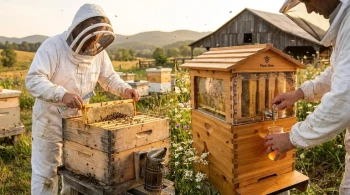
Flow Hive vs. Langstroth: Choosing the Right Hive for Your Beekeeping Goals
Compare Flow Hive vs. Langstroth beehives: efficiency, cost, and maintenance differences to choose the best system for your beekeeping goals.
Read more
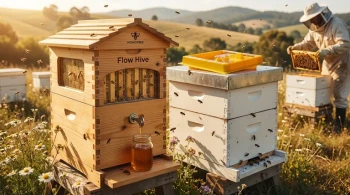
Flow vs. Langstroth Hives: Balancing Bee Welfare, Cost, and Productivity
Compare Flow vs. Langstroth hives for bee welfare, cost, and productivity. Choose the best beekeeping system for your needs.
Read more
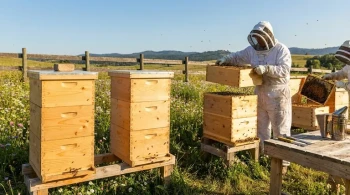
How to Choose Langstroth Hive Box Sizes for Ergonomics, Efficiency, and Bee Health
Learn how to choose Langstroth hive box sizes for ergonomics, efficiency, and bee health. Compare deep, medium, and shallow boxes for optimal beekeeping.
Read more
How Flow Hives Revolutionize Honey Harvesting: Saving Time and Protecting Bees
Flow Hives revolutionize honey harvesting with 80% less labor, intact combs, and faster recovery—ideal for commercial beekeepers.
Read more
How to Choose Between Langstroth and Top Bar Hives for Your Beekeeping Goals
Compare Langstroth vs. Top Bar beehives for honey production, sustainability & ease of use. Choose the best hive for your beekeeping goals.
Read more
How to Optimize Flow Hive Ventilation for Healthier Colonies in Any Climate
Optimize Flow Hive ventilation for healthier bees in any climate. Learn climate-specific techniques to boost honey production and colony health.
Read more
How Top Bar Hives Naturally Boost Bee Health and Simplify Beekeeping
Top bar hives promote natural bee health with comb freedom, thermal efficiency & sustainable harvesting. Ideal for low-maintenance backyard beekeeping.
Read more
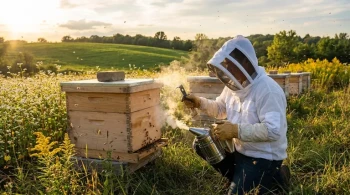
How to Choose Beekeeping Tools: A Practical Guide for Every Budget and Climate
Learn how to choose the best beekeeping tools for your budget and climate, from protective gear to hive management essentials.
Read more
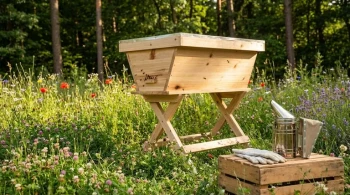
How Top Bar Hives Simplify Natural Beekeeping for Hobbyists
Top bar hives simplify natural beekeeping for hobbyists with cost-efficiency, healthier colonies, and low-maintenance care.
Read more
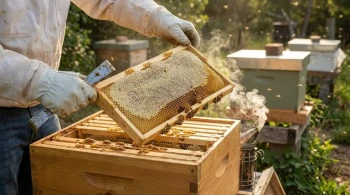
How to Prolong Flow Hive Lifespan: A Beekeeper’s Guide to Smart Frame Maintenance
Learn expert tips to extend your Flow Hive lifespan with smart frame maintenance, seasonal checks, and cost-effective repairs for beekeepers.
Read more
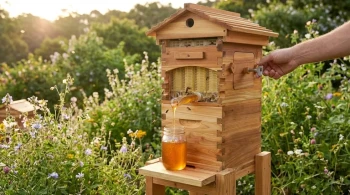
How Flow Hive Simplifies Beekeeping for Beginners: A Guide to Higher Yields with Less Effort
Flow Hive simplifies beekeeping with a bee-friendly, low-effort harvesting system—ideal for beginners to boost yields with minimal effort.
Read more
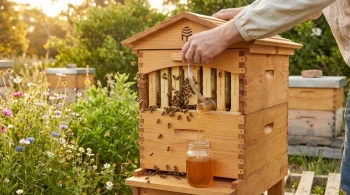
How Flow Hive’s Stress-Reduction Design Preserves Long-Term Hive Health
Flow Hive's stress-reducing design enhances bee health and honey yield. Learn how its non-invasive system benefits modern beekeeping.
Read more
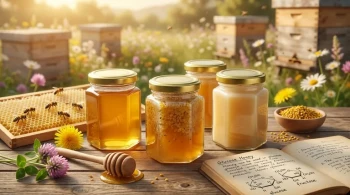
Why Honey Crystallizes Differently—And How to Manage It Naturally
Learn why honey crystallizes differently based on sugar composition and floral source, plus natural storage and decrystallization tips.
Read more
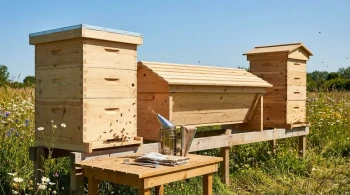
How to Choose the Right Beehive: A Practical Guide for Every Beekeeper
Learn how to choose the right beehive—Langstroth, Top Bar, or Warre—based on your environment, goals, and budget for thriving beekeeping.
Read more
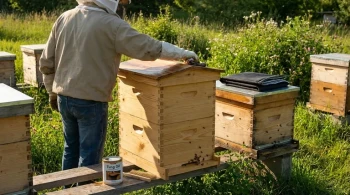
How to Protect Hive Roofs Sustainably: Tung Oil Techniques and Maintenance Strategies
Learn sustainable hive roof protection using tung oil—non-toxic, durable, and bee-safe. Tips for installation, maintenance, and warping prevention.
Read more
How Flow Hive Supports Bee Welfare While Simplifying Beekeeping for Beginners
Flow Hive revolutionizes beekeeping with non-invasive honey harvesting, supporting bee welfare and simplifying the process for beginners.
Read more

Flow Hive Beekeeping Mastery: Advanced Strategies to Safeguard Your Colony
Master Flow Hive beekeeping with advanced strategies to prevent colony collapse. Learn inspection routines, monitoring tools, and common pitfalls.
Read more
The Beekeeper’s Guide to Hive Tools: How to Choose and Use Them for Efficient Apiary Management
Learn how to choose and use hive tools for efficient beekeeping. Discover material, design, and maintenance tips for smooth apiary management.
Read more
How to Optimize Honey Storage in Top Bar Hives for Healthier Colonies
Learn how to optimize honey storage in top bar hives for healthier bee colonies with strategic comb placement and seasonal adjustments.
Read more
How to Clear Bees from Frames Without Compromising Honey Quality or Colony Health
Learn ethical methods to clear bees from frames without harming honey quality or colony health. Essential for commercial beekeepers.
Read more