The Silence of a Winter Apiary
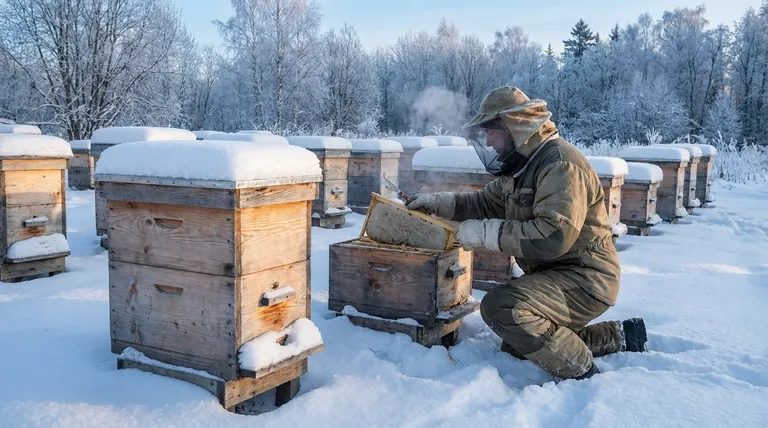
Picture a commercial apiary in January, silent and blanketed in snow. To the casual observer, it seems dormant, a world asleep. But inside each hive, a high-stakes drama of survival is unfolding.
This battle is not won by the summer foragers who filled the supers with honey. It is won by a specialized, unseen generation of bees whose sole purpose is to endure the cold.
They are the winter bees. And the most common mistake a beekeeper can make is to think of them as just ordinary bees living through a different season. It's a psychological blind spot: we focus on the visible productivity of summer, yet the very survival of the apiary is determined in the quiet months of autumn that precede the cold.
A Different Breed: The Biology of Endurance
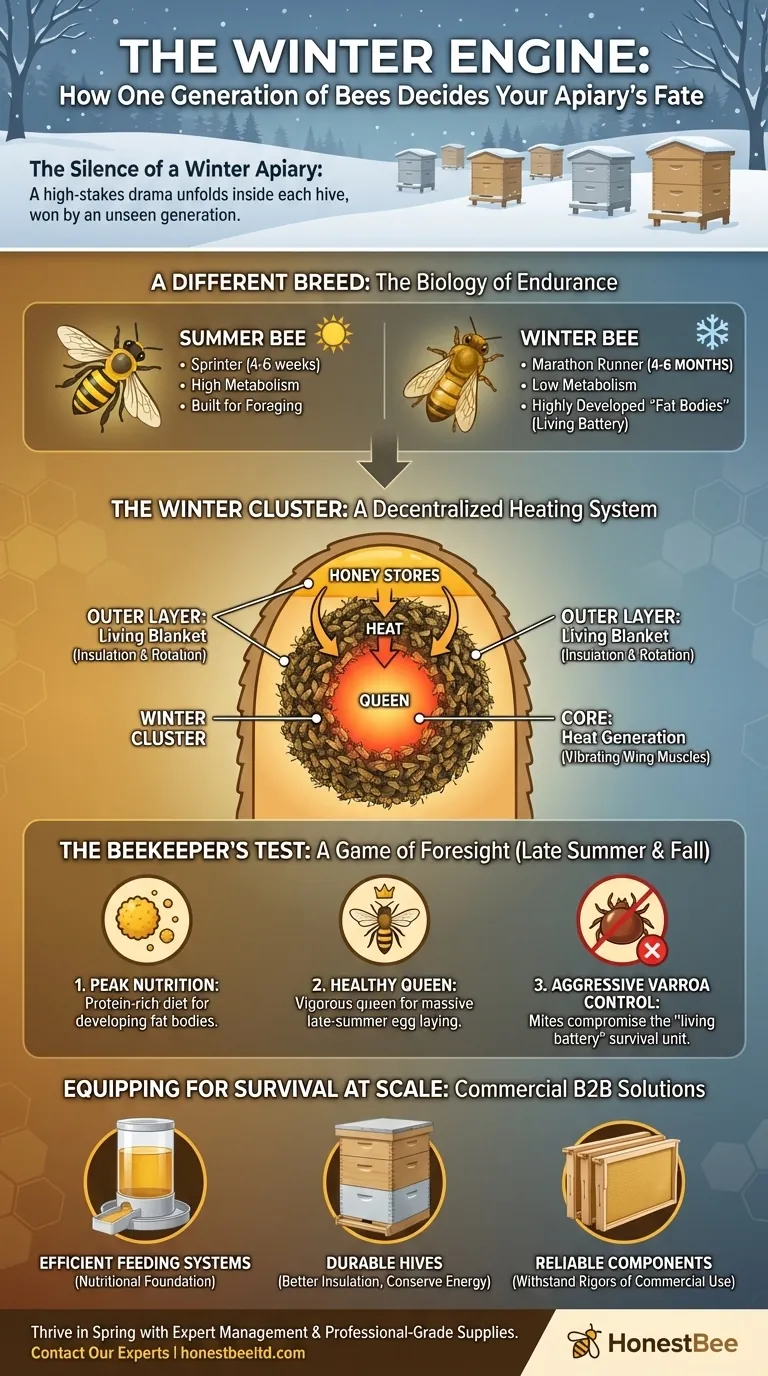
A summer bee is a sprinter, living a frantic four to six weeks of foraging and brood care. A winter bee is a marathon runner, engineered for an entirely different purpose.
From Worker to Living Battery
Born in the dwindling light of late autumn, a winter bee can live for four to six months. This remarkable longevity isn't an accident; it's a profound physiological shift.
- Summer Bees: High metabolism, built for flight and work.
- Winter Bees: Low metabolism, with highly developed "fat bodies" to store lipids, proteins, and glycogen. They are, in essence, living batteries designed to power the colony through darkness.
Their job is not to collect resources from the outside world, but to carefully ration and convert the colony's stored honey into the one resource that matters: heat.
The Winter Cluster: A Decentralized Heating System
This conversion happens within the winter cluster, one of nature's most elegant engineering solutions. As temperatures drop, the colony forms a tight sphere around the queen.
Bees on the inside consume honey and care for the queen. Bees in the core generate heat by vibrating their powerful wing muscles, never flapping them. The outer layer of bees acts as a living blanket of insulation, rotating inward before they get too cold.
This self-regulating, decentralized system can maintain a core temperature sufficient for the queen's survival, even when the air outside is far below freezing. It is a biological furnace fueled by honey and powered by the winter bee generation.
The Beekeeper's Test: A Game of Foresight
A strong winter bee population doesn't just happen. It is the direct result of a beekeeper's foresight and diligence in late summer and early fall—precisely when the temptation to relax is strongest.
After the final honey harvest, the most critical work for the next season begins. Preparing a colony for winter is not an expense; it is the most crucial investment you can make in your operation's future.
Forging the Survival Unit
Three factors are non-negotiable for producing a large, healthy population of winter bees.
- Peak Nutrition: The larvae destined to become winter bees need a protein-rich diet of pollen to develop their vital fat bodies. If natural sources are scarce, supplemental feeding is essential.
- A Healthy Queen: A young, vigorous queen is needed to lay the massive number of eggs in late summer that will form the winter population. An aging queen is a liability heading into autumn.
- Aggressive Varroa Control: This is the single greatest threat. Varroa mites feed on the fat bodies of developing bees. A bee parasitized by mites will never become a long-lived, effective winter bee. It is a compromised asset, a battery that cannot hold a charge.
Effective and timely mite management in late summer is the defining action of a successful beekeeper.
Equipping for Survival at Scale
For a commercial apiary, survival is a game of numbers and risk management. You cannot leave the health of your winter engine to chance or inadequate equipment. The principles of wintering must be supported by a robust operational strategy.
This means deploying gear that makes essential management tasks reliable and efficient across hundreds or thousands of hives.
At HONESTBEE, we focus on supplying commercial beekeepers and distributors with the durable equipment that underpins successful wintering strategies.
- Efficient Feeding Systems: Ensure every colony has the nutritional foundation to build its winter population, without creating excess labor.
- Durable Hives: Well-constructed hives provide better insulation, reducing the energy burden on the winter cluster and conserving precious honey stores.
- Reliable Components: From hive bodies to frames, every piece of equipment must withstand the rigors of commercial use, season after season.
Your investment in the autumn sets the stage for the abundance of spring. Don't let that investment be compromised by anything less than professional-grade supplies.
Surviving the winter is a testament to the remarkable biology of the honey bee, but thriving in the spring is the result of expert management and the right tools. Contact Our Experts
Visual Guide
Related Products
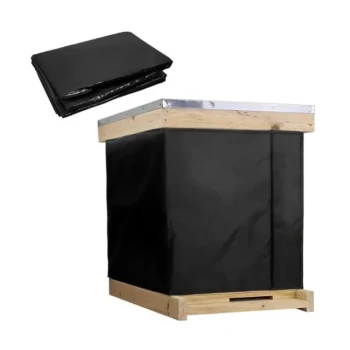
- Professional Insulated Winter Hive Wrap for Beekeeping
- HONESTBEE Anatomy Bee Model Detailed Anatomical Display for Education and Study
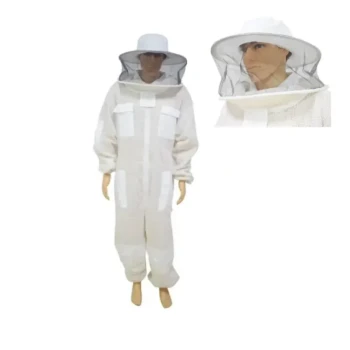
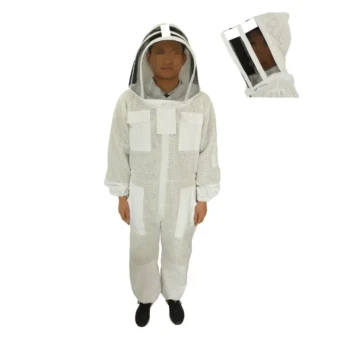
- Premium Three Layer Ventilated Bee Suit with Round Veil
- Australian Langstroth Beehive Boxes for Beekeeping Wholesales
- Wholesales Dadant Size Wooden Bee Hives for Beekeeping
Related Articles
- The Cold Deception: Why Beehive Wintering is About Moisture, Not Warmth
- Beyond Warmth: The Physics of Beehive Survival in Winter
- How to Secure Beehive Covers: Weatherproof Strategies for Every Hive Type
- Beyond the Cold: The Physics of a Winter Beehive and Why Our Instincts Fail Us
- How to Time Hive Insulation for Maximum Winter Bee Survival