Within 8 hours on working days, 24 hours on holidays
Uncapping Fork
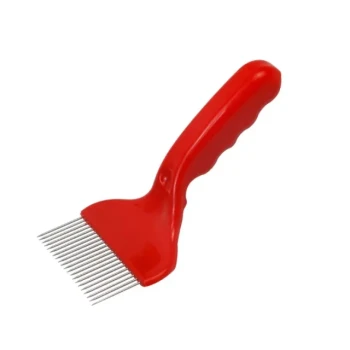
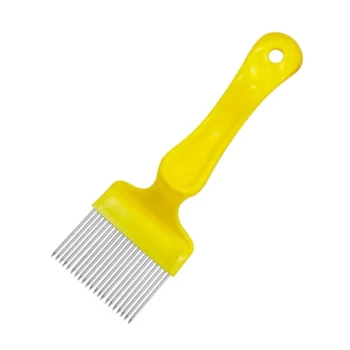
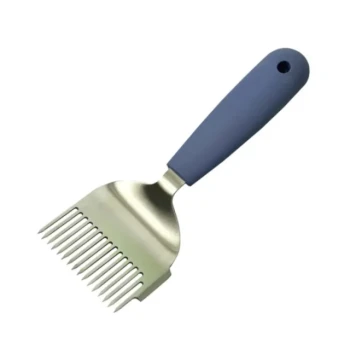
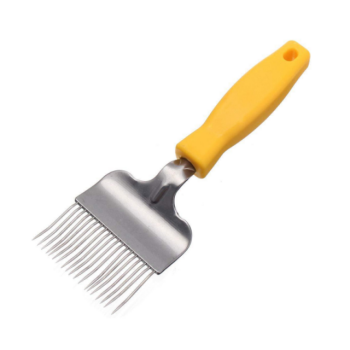
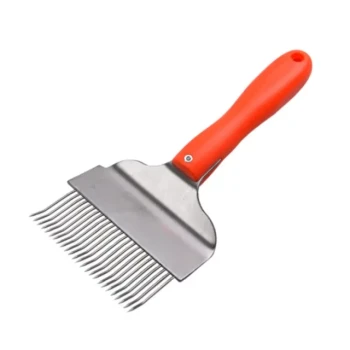
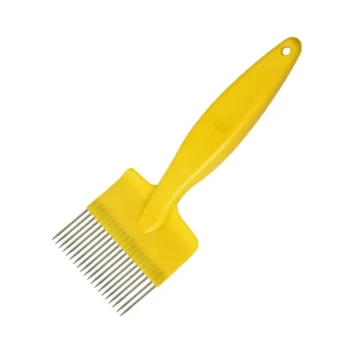
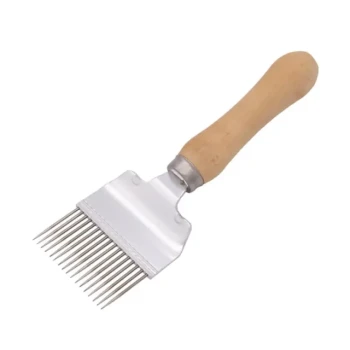
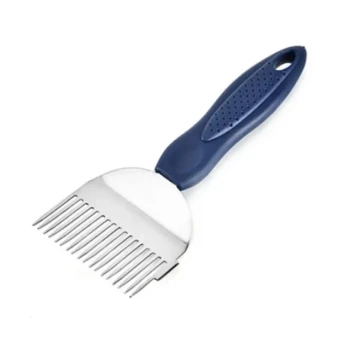
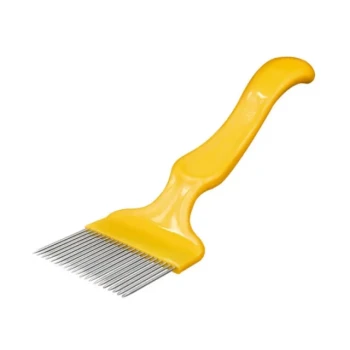
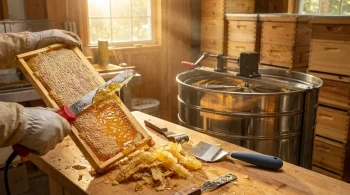
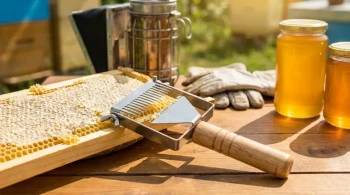
HONESTBEE provides a comprehensive range of professional uncapping forks designed for high-efficiency honey extraction in commercial apiaries. These precision tools are essential for removing wax cappings while preserving the integrity of the honeycomb, ensuring maximum honey recovery with minimal waste. Our selection is engineered for durability and user comfort, featuring:
Wide Head & Extra-Wide Forks: Optimized for fast coverage across large honey frames.
Bent Tine Designs: Specifically created to reach recessed comb areas and uneven surfaces that uncapping knives often miss.
Ergonomic Handle Options: Available in classic wood, durable plastic, and anti-slip rubber grips to reduce hand fatigue during long hours of processing.
Multi-Function Tools: Innovative designs incorporating integrated blades and scrapers for versatile hive management.
Customizable Tine Configurations: Tailored tine spacing and counts to meet the specific needs of different regional honey varieties and frame types.
Whether you are managing a large-scale honey processing facility or distributing to local beekeepers, our uncapping forks offer a budget-friendly, non-electric solution that guarantees a clean and professional harvest.
The Professional Standard in Honey Uncapping: Efficiency, Precision, and Durability
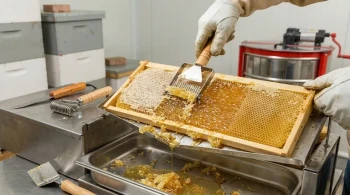
In the commercial honey production industry, the preparation of frames for the extractor is a critical stage where efficiency meets product quality. While automated uncapping machines handle the bulk of the work for many large-scale operations, the Professional Uncapping Fork remains an indispensable tool for finishing, detail work, and processing irregularly shaped combs. HONESTBEE specializes in supplying high-quality, wholesale uncapping forks that cater to the rigorous demands of commercial beekeeping and international distribution.
The Principle of Precision Uncapping
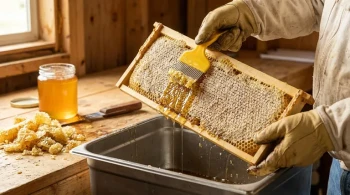
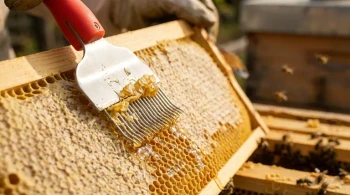
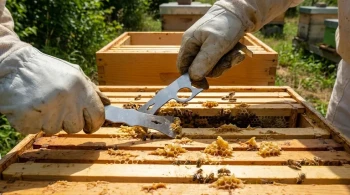
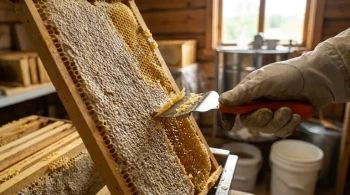
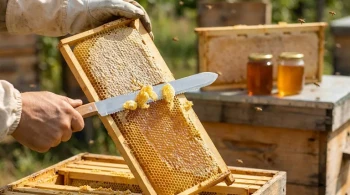
Unlike uncapping knives or planes that use heat and a slicing motion to remove the entire face of the wax capping, the uncapping fork operates on a "slide and lift" principle. The long, wiry stainless steel tines are designed to slide precisely under the wax caps. By applying a slight upward leverage, the beekeeper can pick the wax off each individual honey cell.
This method is significantly less intrusive than traditional cutting. Because it only removes the thin layer of wax sealing the cell, it preserves the cell walls and saves the bees the immense energy required to rebuild the wax structure. For the commercial apiary, this means faster turnaround times for frames to be returned to the hive and a higher overall honey-to-wax ratio during the extraction process.
Engineering and Material Characteristics
At HONESTBEE, we understand that a tool used for thousands of frames a year must be built to last. Our uncapping forks are engineered with the following professional characteristics:
Food-Grade Stainless Steel Tines: All our forks utilize high-tensile, corrosion-resistant stainless steel. This ensures the tines do not rust when exposed to the acidic nature of honey or the moisture of the honey room. The tines are sharpened to the perfect point—sharp enough to penetrate wax easily but rounded enough to prevent damage to the delicate foundation of the comb.
Handle Ergonomics and Material Science: Commercial beekeeping is physically demanding. We offer three distinct handle types to meet various user preferences:
Classic Wood: Provides a traditional feel and a natural grip that many long-term beekeepers prefer.
Durable Plastic: Offers a lightweight, easy-to-sanitize option that is resistant to the chemicals used in industrial cleaning.
Ergonomic Rubber Grip: Features anti-slip properties and shock-absorbing characteristics, which are vital for reducing repetitive strain injuries (RSI) in workers during peak harvest seasons.
Tine Geometry (Straight vs. Bent): We provide both straight and bent tine options. Straight tines are excellent for fast, flat-surface work, while our Professional Bent Tine Forks are a favorite for commercial operators. The bend allows the user to maintain a comfortable wrist angle while reaching into low spots or "valleys" on the frame where the bees haven't filled the comb out to the wooden edge.
The Advantage of HONESTBEE Uncapping Forks
The primary advantage of incorporating our uncapping forks into your product line or apiary is versatility. An automated machine often misses up to 10-15% of the honey on a frame if the comb is not perfectly flat. Our Extra-Wide and Multi-Function forks allow workers to quickly clean up these missed areas, ensuring no honey is wasted.
Furthermore, for distributors, HONESTBEE offers a unique advantage through customization and wholesale flexibility. We recognize that different markets have different preferences—some regions prefer the 21-tine wide head, while others require integrated scrapers for cleaning propolis off the frame bars. We provide OEM services that allow you to customize tine counts, handle colors, and even include your own branding on the tools.
Why Partner with HONESTBEE?
HONESTBEE is more than just a supplier; we are a partner in your beekeeping success. Our background in providing the full spectrum of beekeeping machinery—from hive-making to honey-filling—gives us a holistic understanding of how every small tool contributes to the bottom line of a commercial operation. We ensure that our uncapping forks meet the highest standards of quality control before they leave our facility, providing you with a product that reduces downtime and increases worker satisfaction.
Key Benefits for Wholesale Partners:
Customizable Options: Adjust tine counts, head widths, and handle materials to suit your local market.
Commercial Durability: Built for the wear and tear of industrial-scale honey rooms.
Competitive Pricing: Direct-from-manufacturer pricing that allows for healthy margins for distributors.
Global Logistics Support: We handle the complexities of international shipping to ensure your inventory arrives on time.
Ready to elevate your beekeeping equipment inventory or optimize your commercial extraction line? HONESTBEE is here to provide the professional tools you need to succeed in the competitive honey market. Our team of experts is ready to assist you with bulk orders, custom designs, and technical specifications.
A hive tool is a specialized pry bar used by beekeepers to separate hive parts glued together with propolis by honeybees. It is also used to scrape off unwanted propolis and burr comb. It is essential for inspecting and maintaining the hive.
What Is An Uncapping Tub Used For In Beekeeping?
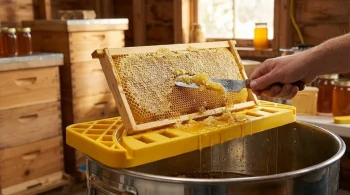
An uncapping tub is used in beekeeping to enhance the honey extraction process. It helps in removing the wax caps from honeycombs efficiently, ensuring high-quality honey production.
What Is The Principle Of Bee Hive Supply In Mild Climates?
In mild climates, the condensing principle involves heavily insulating the tops of hives while leaving the walls non-insulated and providing openings at the bottom. Moist air condenses on the cooler hive walls, runs down these walls, and drips out through the bottom openings, effectively managing moisture within the hive.
What Is The Purpose Of A Beekeeping Outfit?
A beekeeping outfit is designed to protect beekeepers from bee stings and other aggressive pollinators like yellow jackets. It also helps keep them cool on hot days and reduces the risk of getting stung when combined with a smoker and experience.
What Is The Principle Of A Bee Venom Collector?
The bee venom collector is a battery-powered device placed outside the hive near the entrance. It uses a small pulsation that is so low that most bees do not detect it. When bees sting a glass plate on the device, the venom is collected without harming the bee.
What Is A Bee Brush Used For?
A bee brush is primarily used by beekeepers to gently move bees off comb surfaces during hive inspections, honey harvesting, and other beekeeping tasks. It helps in preserving the delicate honeycomb structure and ensures that bees are not harmed.
What Are The Main Features Of A Hive Tool?
A hive tool is a multi-tool used in beekeeping for opening the hive, lifting and shifting frames or other hive parts, scraping away wax and propolis, and prying out or re-setting loose nails or staples. It is made of tempered steel and is typically 20 to 25 cm long, with a flattened end and a bent end for prying frames.
What Are The Main Types Of Uncapping Tubs Available?
The main types of uncapping tubs include those made from durable 304 stainless steel and those constructed from plastic. Both types are designed to optimize honey extraction and improve beekeeping productivity.
What Are The Advantages Of Using A Bee Hive Stand?
Using a bee hive stand has several advantages: it raises the hive off the ground, which prevents rainwater and moisture from seeping into the hive, keeps the hive entrance further from grass to reduce pest intrusion, and makes the hive easier to access, reducing strain on the beekeeper's back and shoulders during maintenance. Additionally, it saves your back by reducing the need to bend and lift heavy hive boxes, makes a comfortable home for the bees by keeping the hive dry and safe from moisture issues, and protects the hive from predators and pests by elevating it off the ground.
What Are The Main Features Of A Beekeeping Outfit?
A beekeeping suit is typically made of durable white cotton with elastic bands on the wrists and ankles. It includes a collapsible, self-supporting veiled hood with wires to maintain its shape. The design offers great visibility to the front and sides, and the material is protective, comfortable, and lightweight. Lightweight suits are good for light to moderate use, are flexible, and help keep the user cooler.
What Are The Advantages Of A Bee Venom Collector?
The new bee venom collector is more bee-friendly compared to other harvesting techniques. It is placed outside the hive, reducing stress and mortality rates among bees. The device collects venom without harming the bees, and the process takes less than an hour.
What Are The Main Features Of A Bee Brush?
A bee brush typically features soft bristles for gently brushing bees off frames, a varnished wooden handle for a comfortable grip, and a hole in the handle for hanging. It is made from natural materials, designed to be durable, and is washable in hot water.
What Is The Principle Behind Using A Hive Tool?
The principle behind using a hive tool is its multipurpose functionality. It is used for scraping unwanted burr comb, prying hive boxes apart, picking up frames, and removing nails. It is considered an essential tool for beekeepers to maintain and inspect hives effectively.
What Are The Advantages Of Using A Stainless Steel Uncapping Tub?
A stainless steel uncapping tub offers durability, resistance to corrosion, and ease of cleaning. These features ensure long-term use and maintain the quality of the honey extraction process.
What Types Of Bee Hives Are Available In The Bee Hive Supply Category?
The bee hive supply category includes various types of hives such as Wholesales Dadant Size Wooden Bee Hives, Top Bar Beehives, Langstroth Honey Bee Box Hive Boxes, and Long Langstroth Style Horizontal Top Bar Hives. Each type is designed to meet different beekeeping needs and preferences.
What Are The Advantages Of Using A Beekeeping Outfit?
A beekeeping suit provides maximum protection, making it ideal for extensive work or when dealing with aggressive bees. It ensures safety, comfort, and reduces the risk of stings during hive inspections and honey harvesting.
What Are The Applications Of Bee Venom?
Bee venom is used in cosmetics, pharmaceuticals, and medical research, particularly in studies related to dementia, HIV, and arthritis.
What Are The Advantages Of Using A Bee Brush?
The advantages of using a bee brush include its ability to gently guide bees without causing harm, its role in preserving the delicate honeycomb structure, and its versatility in various beekeeping tasks such as hive inspections, honey harvesting, and educational demonstrations.
What Are The Advantages Of Using A Hive Tool?
The advantages of using a hive tool include its ability to separate brood and super chambers, loosen frames, scrape hive parts, and remove debris. Made of tempered steel, it is durable and typically 20 to 25 cm long, with a flattened end and a bent end for prying frames, making it an indispensable tool for beekeepers.
How Does An Uncapping Tub Improve Honey Extraction Efficiency?
An uncapping tub streamlines the honey extraction process by providing a dedicated space for uncapping honeycombs. This reduces the time and effort required, enhancing overall productivity in beekeeping.
What Are Some Essential Tools Included In The Bee Hive Supply Category?
Essential tools in the bee hive supply category include Stainless Steel J Hook Hive Tools, Plastic Handle Single Row Bee Brushes, Frame Grip Frame Lifters, and Stainless Steel Beekeeping Racks. These tools are crucial for hive maintenance, inspections, and honey harvesting.
What Types Of Beekeeping Outfits Are Available?
Beekeeping outfits come in various types, including jackets with veils and hats, full suits with hats and veils, and specialized gloves. Some are made of polyester, while others use goatskin leather for gloves. There are also lightweight and heavy-duty options to suit different levels of use and protection needs.
How Does A Bee Venom Collector Ensure The Safety Of Bees?
The bee venom collector is designed to be placed outside the hive, reducing stress and mortality rates among bees. It uses a small pulsation that is so low that most bees do not detect it, ensuring that the venom is collected without harming the bees.
What Types Of Bee Brushes Are Available?
Bee brushes come in various types, including those with plastic handles and single-row bristles, wooden handles with pig bristles, double-row horse tail hair bristles, and double-row artificial fiber bristles. Each type is designed to cater to different beekeeping needs and preferences.
Why Is A Hive Tool Essential For Beekeepers?
A hive tool is essential for beekeepers because it allows them to effectively separate hive parts, scrape off propolis and burr comb, and perform routine maintenance tasks. Its multifunctional design makes it a crucial tool for ensuring the health and productivity of the hive.
What Features Should I Look For In An Uncapping Tub?
When selecting an uncapping tub, look for features such as durable construction (e.g., stainless steel or high-quality plastic), an integrated strainer system, and ease of cleaning. These features ensure efficient and high-quality honey extraction.
How Do Bee Hive Frames Contribute To Hive Productivity?
Bee hive frames, such as Wooden Bee Hive Frames and Plastic Bee Frame Beekeeping Hive Frames, enhance hive productivity by providing a structured environment for bees to build comb and store honey. They are designed to be durable, customizable, and bee-friendly, which helps in maintaining healthy and productive hives.
How Does A Beekeeping Outfit Protect Against Stings?
A beekeeping outfit protects against stings by using durable materials like cotton or polyester that bees cannot easily penetrate. The outfit covers the entire body, including the head with a veiled hood, and often includes gloves with extended sleeves. Elastic bands on the wrists and ankles ensure a snug fit, preventing bees from entering.
What Makes The New Bee Venom Collector More Bee-friendly?
The new bee venom collector is more bee-friendly because it is placed outside the hive, which reduces stress and mortality rates among bees. Additionally, the device collects venom without harming the bees, and the process is completed in less than an hour.
How Does A Bee Brush Help In Beekeeping?
A bee brush helps in beekeeping by allowing beekeepers to gently move bees off comb surfaces, making hive inspections and honey harvesting easier and safer. Its soft bristles ensure that bees are not harmed, and its ergonomic design provides a comfortable grip for the beekeeper.
This website uses cookies to enhance your browsing experience,
analyze site traffic, and serve better user experiences. By continuing to use this site, you consent to our use of
cookies. Learn more in our cookie policy.