Uncapping is the essential first step in the honey extraction process, requiring the precise removal of wax seals to release the harvest without damaging the honeycomb structure. HONESTBEE provides a comprehensive suite of professional-grade uncapping solutions tailored for commercial apiaries and beekeeping distributors. Our lineup includes high-efficiency Automatic Honey Frame Uncapper Machines for high-volume processing, as well as robust Stainless Steel and Plastic Uncapping Tanks equipped with integrated strainers. These tools are designed to handle various frame sizes and production scales, ensuring that every drop of honey is recovered while maintaining the highest hygiene standards. By integrating our specialized hardware into your workflow, you can significantly reduce labor costs and improve the overall throughput of your honey house operations.
Toggle Categories
Get Instant Support
Choose your preferred way to connect with our team
-
Get Free Quote Fill out form for detailed pricing
-
Send Email Detailed inquiry support
-
WhatsApp Quick mobile chat
Response Time
Within 8 hours on working days, 24 hours on holidays
Uncapping Euipment
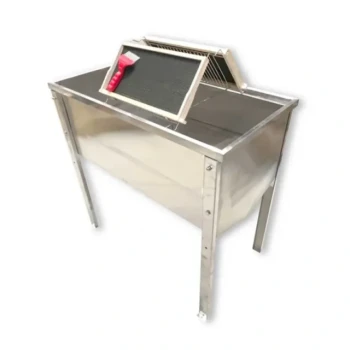
Stainless Steel Uncapping Tank with Stand and Strainer
Item Number: UCT-1

Plastic Honey Uncapping Tub Tank for Beekeeping
Item Number: UCT-2
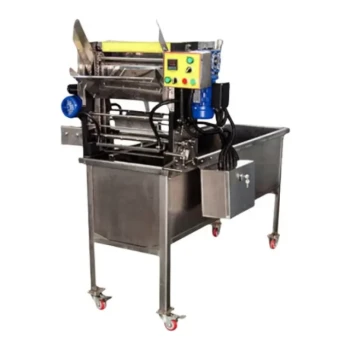
Automatic Honey Frame Uncapper Machine for Beekeeping
Item Number: HUM-1
High-Efficiency Uncapping Solutions for Commercial Honey Production
In the professional beekeeping industry, the efficiency of the honey extraction line is dictated by the speed and quality of the uncapping process. As a leading global supplier, HONESTBEE understands that commercial apiaries require equipment that balances speed with delicate handling of the comb. Our uncapping equipment category is engineered to meet these rigorous demands, offering everything from automated machinery to manual processing stations that ensure maximum honey yield and wax purity.
The Principles of Modern Uncapping Technology
The fundamental goal of uncapping is to remove the beeswax "cappings" that bees use to seal ripe honey in the cells. Our equipment utilizes several key principles to achieve this efficiently:
- Thermal Precision: Our automatic uncapping machines and electric planes utilize controlled heating elements. By maintaining an optimal temperature, the blades slice through wax like butter, preventing the jagged edges or "burrs" that can occur with cold tools. This clean cut is vital for the bees to quickly repair and reuse the frames.
- Vibratory and Mechanical Action: High-capacity machines often employ vibrating blades or rotating flails. This minimizes the physical pressure applied to the frame, preventing the crushing of delicate comb structures while ensuring that even unevenly drawn combs are uncapped thoroughly.
- Gravity-Assisted Recovery: Our uncapping tanks are designed with a tiered filtration principle. As cappings fall, gravity pulls the honey through a fine-mesh strainer, separating the high-value liquid honey from the wax cappings in real-time. This reduces waste and simplifies post-processing.
Key Features of HONESTBEE Uncapping Equipment
Industrial-Grade Durability
At HONESTBEE, we prioritize longevity. Our uncapping tanks and machine components are primarily constructed from food-grade 304 stainless steel. This material is not only resistant to the acidic nature of honey but also stands up to the heavy sanitization protocols required in commercial food production. Whether it is a heavy-duty stand or a precision blade, our hardware is built for multi-season reliability.
Customizable Configurations
We recognize that beekeeping standards vary globally. Our Automatic Honey Frame Uncapper Machines feature adjustable settings to accommodate different frame types—from Langstroth and Dadant to customized regional dimensions. Users can adjust the depth of the cut to minimize wax loss or to handle frames that have been drawn out beyond the wood.
Integrated Filtration Systems
Efficiency isn't just about speed; it's about cleanliness. Our stainless steel uncapping tanks come equipped with integrated strainer systems. This allows the honey to begin its primary filtration immediately upon being uncapped, reducing the load on your final centrifugal extractor and ensuring a clearer end product.
Advantages for Commercial Apiaries and Distributors
- Labor Reduction: Transitioning from manual uncapping forks to an automatic machine can reduce labor requirements by up to 70%, allowing your team to focus on hive management and logistics.
- Enhanced Honey Quality: By using precision blades that don't "dig" too deep, you avoid introducing excessive wax debris into the honey, which preserves the natural clarity and flavor profile of the harvest.
- Rapid Bee Recovery: Tools like our uncapping rollers or precisely set planes leave the cell walls intact. When these frames are returned to the hive, the bees spend significantly less energy rebuilding, leading to faster turnaround times during heavy nectar flows.
- Scalability: For distributors, our range offers entry-level plastic tubs for hobbyist-to-pro-sumer markets, and heavy-duty industrial machines for commercial clients, providing a one-stop-shop for all market segments.
Why Choose HONESTBEE?
HONESTBEE is more than a manufacturer; we are your strategic partner in the beekeeping industry. With a portfolio that spans from hive-making machinery to honey-themed cultural merchandise, we understand the entire lifecycle of the honey business. Our uncapping equipment is the result of years of feedback from large-scale commercial apiaries, refined to offer the best ROI in the market.
We specialize in customizable wholesale services. If your market requires specific power voltages, unique frame dimensions, or OEM branding, our engineering team is ready to deliver. Our commitment to quality control ensures that every machine leaving our facility meets international standards for safety and performance.
Optimize Your Extraction Line Today
Don’t let a bottleneck in the uncapping room slow down your production. Whether you are looking to upgrade your current facility or need to stock a reliable line of equipment for your distribution network, HONESTBEE has the expertise and inventory to support your growth.
Ready to elevate your honey production efficiency? Our experts are standing by to provide technical specifications, bulk pricing, and customization options tailored to your specific needs.
Contact our sales team today to request a quote or consultation. Let's build a more productive future for your apiary together.
FAQ
What Is The Application Of A Beehive Frame Perch?
What Is A Honey Uncapping Tool Used For?
What Is An Uncapping Tub Used For In Beekeeping?
What Is The Application Of An Uncapping Tank?
What Are The Main Applications Of Honey Tanks?
What Is An Uncapping Tank Holder Used For?
What Is A Honey Storage Tank Used For?
What Are The Key Features To Consider When Choosing A Beehive Frame Perch?
What Are The Main Types Of Honey Uncapping Tools?
What Are The Main Types Of Uncapping Tubs Available?
What Are The Key Features Of A Well-designed Uncapping Tank?
What Types Of Honey Tanks Are Available?
What Are The Main Types Of Uncapping Tank Holders?
What Are The Main Types Of Honey Storage Tanks?
What Is The Principle Behind The Design Of A Beehive Frame Perch?
How Does A Honey Uncapping Roller Work?
What Are The Advantages Of Using A Stainless Steel Uncapping Tub?
What Is The Principle Behind An Uncapping Tank?
How Does A Honey Tank Work?
What Are The Key Features Of A Well-designed Uncapping Tank Holder?
What Are The Advantages Of Using A Honey Storage Tank?
What Are The Advantages Of Using A Beehive Frame Perch?
What Are The Advantages Of Using A Honey Uncapping Roller?
How Does An Uncapping Tub Improve Honey Extraction Efficiency?
What Are The Advantages Of Using An Uncapping Tank?
What Are The Advantages Of Using Honey Tanks?
What Are The Advantages Of Using An Uncapping Tank Holder?
Why Is Stainless Steel Commonly Used For Honey Storage Tanks?
Why Is Hanging A Beehive Beneficial?
What Materials Are Commonly Used In Honey Uncapping Tools?
What Features Should I Look For In An Uncapping Tub?
What Materials Are Honey Tanks Made Of?
What Should Be Considered When Designing An Uncapping Tank Holder?
What Are The Benefits Of Using A Heated Honey Tank?
Are Honey Tanks Suitable For Both Home And Commercial Use?
REQUEST A QUOTE
Our professional team will reply to you within one business day. Please feel free to contact us!
Related Articles
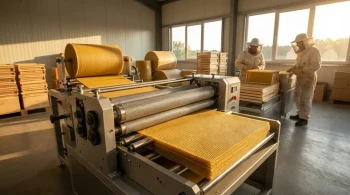
How Fully Automatic Wax Foundation Machines Cut Beekeeping Costs by 40%
Fully automatic wax foundation machines cut beekeeping costs by 40%—reducing labor, energy use, and waste while boosting productivity.
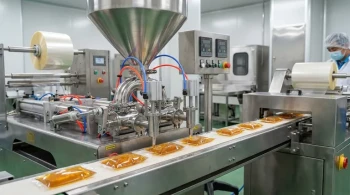
How Small Bag Honey Packaging Machines Solve Industry-Specific Challenges
Specialized small bag honey packaging machines ensure quality, efficiency, and scalability for modern honey producers. Learn how they solve industry challenges.
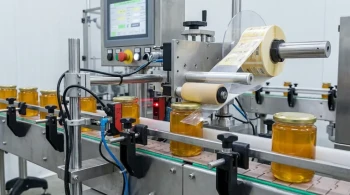
Beyond the Conveyor: The Hidden Physics of a Flawless Honey Label
Discover the intricate system behind automatic labeling—a balance of mechanics, timing, and psychology crucial for high-speed product presentation.
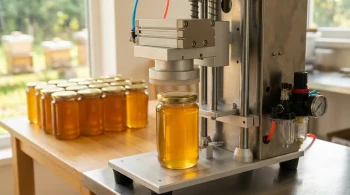
Your Honey is Perfect. Your Bottle Sealing Isn't. Here's Why.
Stop losing profit to leaky jars and bottling bottlenecks. Discover the real reason your sealing process fails and how to choose the right capper.
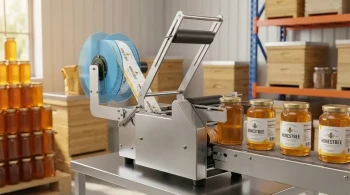
Why Your Honey Labels Undermine Your Brand—And How to Fix It Permanently
Struggling with crooked, inconsistent honey labels? Discover the real reason it happens and how automation can protect your brand, cut costs, and scale production.
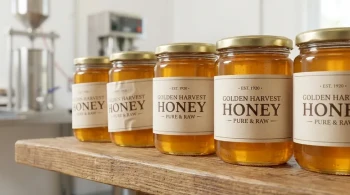
The Final Moment of Trust: Why Honey Labeling is More Than a Sticker
Discover how automated labeling is the critical final step in building brand trust, ensuring consistency, and scaling honey production for the shelf.
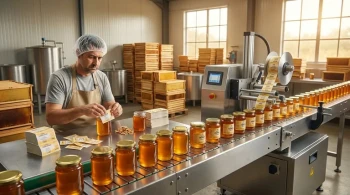
Beyond More Hands: The Real Reason Your Honey Labeling Can't Keep Up (And How to Fix It for Good)
Discover why hiring more staff fails to solve your honey labeling bottleneck and how automation can unlock new levels of productivity and brand consistency.
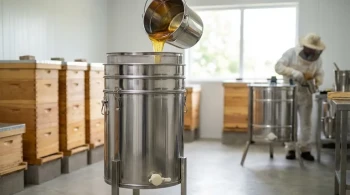
Why Your Honey Tanks Could Be Ruining Your Product—And Why 304 Stainless Is the Only Fix
Discover how honey's natural acidity can corrode equipment, altering flavor and safety. Learn why 304 stainless steel is the essential choice for quality.
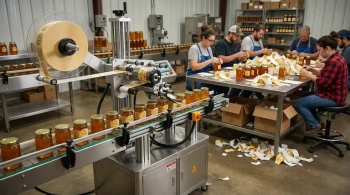
Why Manual Honey Labeling Is a Bottleneck to Growth—And How to Break Through
Stop losing profit to slow, inconsistent manual labeling. Learn how automation fixes the root cause of inefficiency to unlock growth for your honey business.
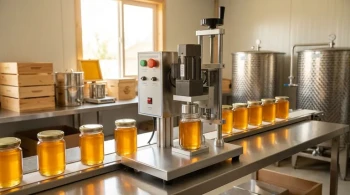
The Physics of a Perfect Seal: Beyond the Twist in Bottle Capping
Choosing a capping machine is not about the cap, but the mechanical action—twisting, pressing, or inserting—that ensures product integrity.
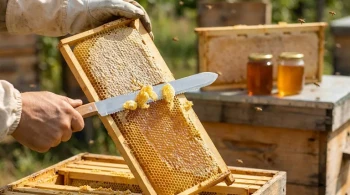
How Precision Uncapping Tools Improve Hive Health and Beekeeper Efficiency
Discover how precision uncapping tools enhance hive health, reduce wax waste, and improve efficiency for beekeepers. Choose wisely for long-term apiary success.
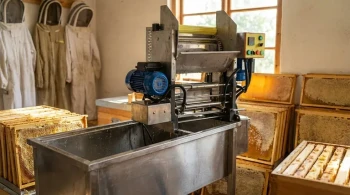
Why Uncapping Rollers Outperform Traditional Hive Tools for Sustainable Beekeeping
Uncapping rollers offer sustainable beekeeping with less hive stress, better comb preservation, and lower costs than traditional tools.
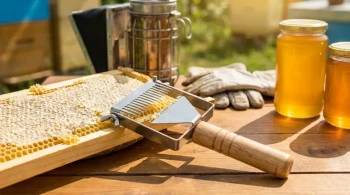
How Beginner Beekeepers Can Choose Their First Uncapping Tool: A Situational Guide
Beginner beekeepers: Choose the right uncapping tool for efficient honey extraction. Match your hive count, budget, and ergonomic needs.
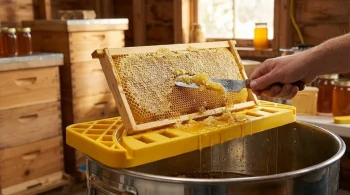
The Extractor's Bottleneck: Why Your Uncapping Tank Defines Your Harvest
Learn how to scale your apiary's harvest by choosing the right uncapping tank, transforming a major bottleneck into an efficient workflow.
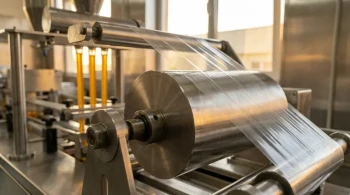
The Tyranny of a Loose Film: How One Roller Governs Your Honey Packaging Line
A deep dive into why the film roller's tension control is the single most critical factor in preventing leaks and ensuring profitability in honey stick packaging.

More Than Heat: The Physics of Preserving Honey's Soul
Separating honey and wax isn't about brute force heat; it's about control. Learn how to prevent HMF and preserve honey's delicate quality.
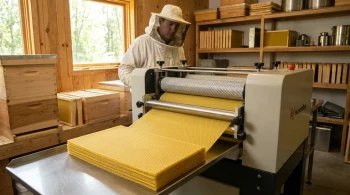
How Fully Automatic Wax Foundation Machines Deliver Measurable ROI for Modern Beekeepers
Discover how fully automatic wax foundation machines save labor, reduce waste, and boost honey yields for modern beekeepers.
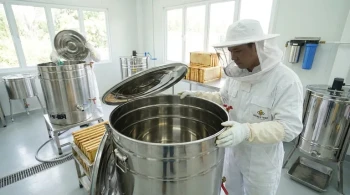
Is Your Honey Tank a Hidden Hazard? Why Poor Sanitation Can Spoil Your Harvest
Discover how overlooked design flaws in honey heating tanks can compromise hygiene, spoil honey, and impact your apiary's profitability. Learn the true path to sanitary processing.
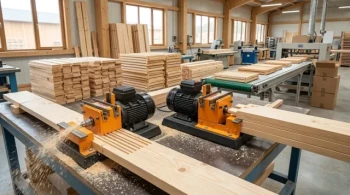
How Automated Frame-Making Revolutionizes Beehive Production Efficiency
Discover how automated frame-making boosts beekeeping efficiency with precision grooving, tenon forming, and sustainable materials for healthier hives.
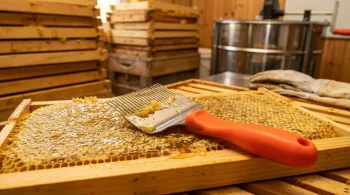
The Real Bottleneck in Your Honey Harvest: Why Your Uncapping Tool is Costing You More Than You Think
Discover why your manual uncapping method is hindering your apiary's growth and profitability. Learn how the right tool can solve this critical bottleneck.