Within 8 hours on working days, 24 hours on holidays
Uncapping Knife
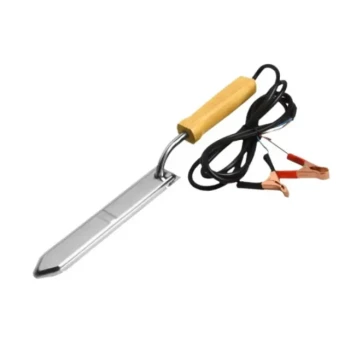
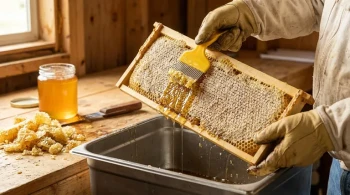
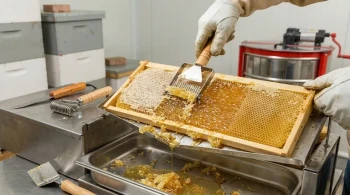
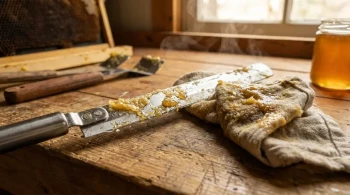
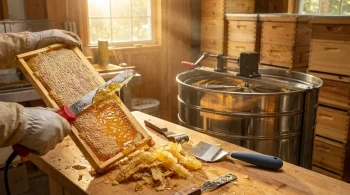
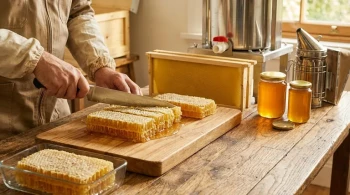
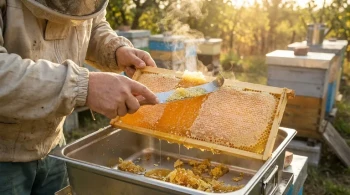
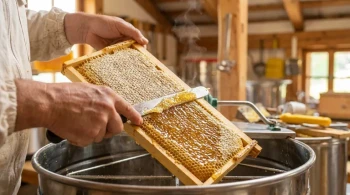
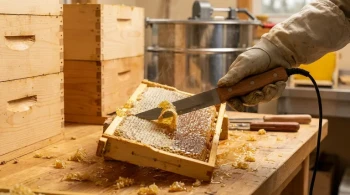
The uncapping knife is a cornerstone tool in the honey harvesting process, essential for removing the wax seals (cappings) from mature honeycombs. By cleanly slicing away these seals, our knives allow honey to be released efficiently during centrifugal extraction without damaging the underlying cell structure. This precision ensures a higher honey recovery rate while maintaining the health of your honeycomb for future use.
At HONESTBEE, we cater to commercial operations with a diverse selection of high-performance tools:
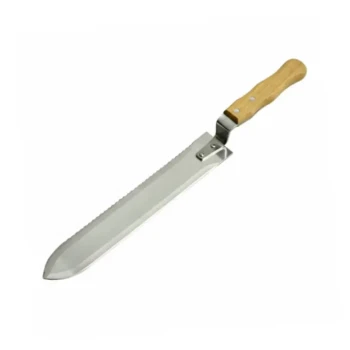
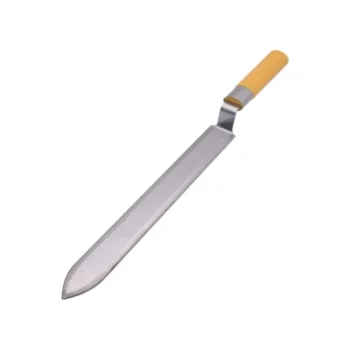
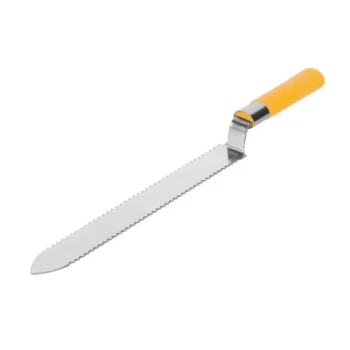
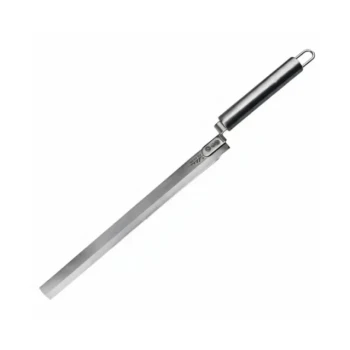
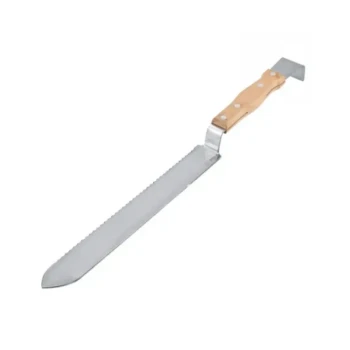
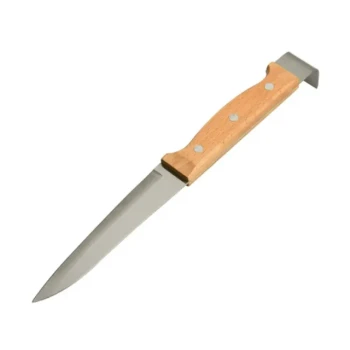
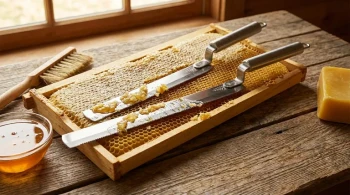
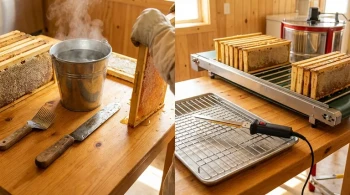
Manual Uncapping Knives: Available in double-sided serrated, all-stainless, and ergonomic Z-shaped designs for maximum control.
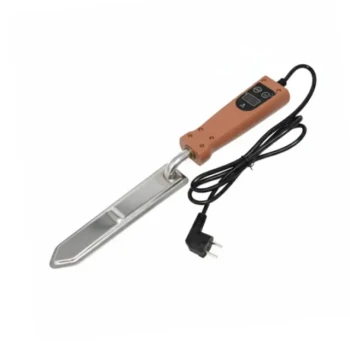
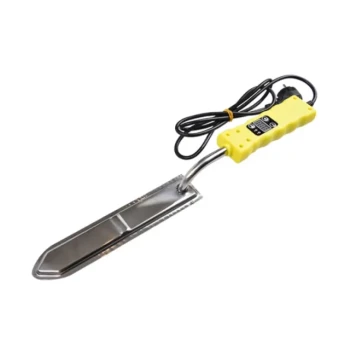
Electric Heated Knives: Featuring high-wattage heating elements and digital displays for precise temperature management.
Multi-Function Tools: Compact 2-in-1 and 3-in-1 designs that combine uncapping, slicing, and scraping functions.
Portable Solutions: 12V DC electric knives designed for efficient fieldwork in remote apiaries.
The Science and Efficiency of HONESTBEE Professional Uncapping Knives
In the competitive world of commercial beekeeping, efficiency is the bridge between a standard harvest and a record-breaking yield. At HONESTBEE, we understand that the first step to successful honey extraction isn't the centrifuge—it is the precision of the uncapping process. Our professional-grade uncapping knives are engineered to provide commercial apiaries and distributors with the reliability and performance required to process large volumes of honey with minimal waste and maximum speed.
The Fundamental Principle of Precision Uncapping
The primary function of an uncapping knife is to remove the thin layer of beeswax that bees use to seal ripe honey within the comb cells. However, the principle behind a HONESTBEE knife goes beyond mere cutting. Whether using a cold (manual) or hot (electric) method, our tools are designed to glide just beneath the wax capping without penetrating deep into the honeycomb cells.
For manual knives, our design utilizes a specialized sawing motion facilitated by precision-ground serrated edges. This minimizes the vertical pressure applied to the frame, preventing the crushing of cell walls. For our electric models, the principle of thermal conduction allows the blade to melt through the wax instantly, creating a clean, surgical opening that allows honey to flow freely the moment it enters the extractor. By preserving the structural integrity of the comb, beekeepers can return the frames to the hive intact, saving the bees the significant energy expenditure required to rebuild the wax, thereby accelerating the next honey production cycle.
Advanced Characteristics of the HONESTBEE Range
1. Premium Material Engineering
All HONESTBEE uncapping knives are constructed from high-grade, food-safe stainless steel. This material choice is critical for commercial operations for several reasons:
Hygiene: Stainless steel is non-porous and resistant to bacteria, ensuring that the honey remains pure and uncontaminated.
Durability: Our blades are resistant to corrosion from the natural acidity of honey and the moisture of the apiary environment.
Sensory Integrity: Unlike inferior metals, our stainless steel does not react with honey, ensuring no alteration to the flavor, color, or aroma of your premium product.
2. Ergonomics and User Fatigue Reduction
Commercial harvesting involves thousands of frames. To combat operator fatigue, we have designed our handles—ranging from traditional polished wood to heat-resistant synthetics—to provide a comfortable, non-slip grip. Features like the Z-shaped offset handle allow the user’s hand to remain clear of the honeycomb surface, providing a flatter, more consistent cut across the entire face of the frame.
3. Electric Innovation and Temperature Control
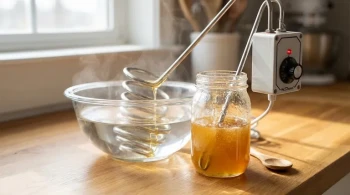
Our flagship electric uncapping knives represent the pinnacle of beekeeping technology. Equipped with 800W heating elements and digital thermostats, these tools allow operators to set and maintain the exact temperature needed to slice through different densities of wax. This prevents the overheating of honey (which can lead to HMF increase) while ensuring the blade never bogs down during heavy use. For remote fieldwork, our 12V DC portable electric knives provide the same heated efficiency powered by standard vehicle batteries.
Why Commercial Beekeepers Choose HONESTBEE
Choosing the right equipment supplier is a strategic decision for any beekeeping business. HONESTBEE stands out by offering products that are not only durable but also optimized for high-throughput environments. Our serrated double-sided knives allow for bi-directional cutting, effectively doubling the speed of manual uncapping. Meanwhile, our multi-function 3-in-1 tools reduce the number of implements a worker needs to carry, streamlining the workflow from hive to house.
We recognize that every commercial apiary has unique requirements. Some prefer the simplicity and reliability of manual stainless steel scrapers, while others demand the high-speed output of digital electric knives. Our portfolio is curated to cover this entire spectrum, ensuring that we are a one-stop-shop for distributors and large-scale honey producers.
Customization and Wholesale Support
As a dedicated partner to the beekeeping industry, HONESTBEE offers more than just off-the-shelf products. We provide comprehensive wholesale offerings and customizable services to meet the specific branding or functional needs of our clients. Whether you require specific blade lengths, custom handle branding, or specialized electrical configurations for international markets, our engineering team is equipped to deliver.
Our commitment to professionalism extends to our supply chain. We ensure that our distributors receive consistent quality across every batch, backed by rigorous quality control standards. When you invest in HONESTBEE, you are investing in a partnership focused on the growth and efficiency of your beekeeping enterprise.
Optimize Your Extraction Process Today
Don't let inefficient uncapping become the bottleneck in your honey production. Experience the difference that professional-grade tools can make in your daily operations. Our team is ready to assist you in selecting the perfect array of uncapping knives to suit your specific scale and honey types.
Are you looking to upgrade your commercial harvesting equipment or expand your distribution catalog?
A beekeeping knife, also known as a hive tool, is used to separate brood and super chambers, loosen frames, scrape hive parts, and remove debris. It is an essential tool for maintaining and managing beehives efficiently.
What Is The Application Of An Uncapping Fork?
An uncapping fork is used to remove the wax caps from honey frames. It can be used to either jab vertically into the caps or scratch them off, depending on the technique preferred by the beekeeper. It is a non-electric tool that slides under wax caps to pick the wax off individual honey cells, making it less intrusive and budget-friendly.
What Is An Uncapping Knife Used For?
An uncapping knife is primarily used in beekeeping for the removal of wax cappings from honeycombs. This process is essential for efficient honey extraction and hive maintenance.
What Is A Honey Uncapping Tool Used For?
A honey uncapping tool is used to remove the beeswax covering honey cells, making the honey extraction process easier and more efficient. It is essential for beekeepers when they are ready to harvest honey, as the wax caps prevent the honey from reabsorbing moisture from the air.
What Are The Main Applications Of Beekeeping Tools?
Beekeeping tools are primarily used for tasks such as opening bee hives, removing and replacing frames, and performing maintenance on hive surfaces. They are essential for beekeeping activities aimed at pollination, honey production, and hive management.
What Is A Hive Tool Used For In Beekeeping?
A hive tool is a specialized pry bar used by beekeepers to separate hive parts glued together with propolis by honeybees. It is also used to scrape off unwanted propolis and burr comb. It is essential for inspecting and maintaining the hive.
What Is A Bee Brush Used For?
A bee brush is primarily used by beekeepers to gently move bees off comb surfaces during hive inspections, honey harvesting, and other beekeeping tasks. It helps in preserving the delicate honeycomb structure and ensures that bees are not harmed.
What Is The Principle Of A Beeswax Melter?
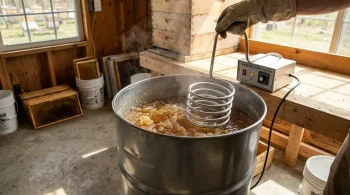
The principle of operation of any wax melter involves heating honeycombs loaded into a tank to a temperature above +70°C. This causes the wax to melt into a liquid state, which is then filtered and used for its intended purpose.
What Is The Principle Of A Wax Melter?
The principle of operation of any wax melter involves heating honeycombs loaded into a tank to a temperature above +70°C. This causes the wax to melt into a liquid state, which is then filtered and used for its intended purpose. The process is the same regardless of the design or energy source used.
What Are The Main Types Of Beekeeping Knives?
The main types of beekeeping knives include electric uncapping knives, serrated knives, and large-size knives with scrapers. Electric knives often feature adjustable temperature controls and stainless steel blades for precise and efficient honey extraction.
What Are The Features Of An Uncapping Fork?
An uncapping fork resembles a hair pick with long wire-like teeth that slide under wax caps to remove them. It is advantageous because it is less wasteful, removes cappings neatly, and is particularly effective for taking off light surface cappings. Some beekeepers prefer it over using a knife.
What Are The Main Types Of Uncapping Knives?
The main types of uncapping knives include electric hot honey uncapping knives with thermostats, serrated honey uncapping knives, and digital display electric honey uncapping knives. Each type offers different features like temperature control, serrated edges for clean cuts, and digital displays for precise temperature adjustments.
What Are The Main Types Of Honey Uncapping Tools?
The main types of honey uncapping tools include electric heated uncapping knives, pull uncappers, slicers, rollers, and cold uncapping knives. These tools vary in their method of operation, such as cutting, rolling, or slicing the wax caps off the honeycomb.
What Types Of Beekeeping Tools Are Available?
Beekeeping tools include protective gear like gloves, hats with veils, and suits; hive management tools such as hive tools, frame lifters, and grafting tools; and specialized equipment like bee venom collectors and honey uncapping knives.
What Are The Main Features Of A Hive Tool?
A hive tool is a multi-tool used in beekeeping for opening the hive, lifting and shifting frames or other hive parts, scraping away wax and propolis, and prying out or re-setting loose nails or staples. It is made of tempered steel and is typically 20 to 25 cm long, with a flattened end and a bent end for prying frames.
What Are The Main Features Of A Bee Brush?
A bee brush typically features soft bristles for gently brushing bees off frames, a varnished wooden handle for a comfortable grip, and a hole in the handle for hanging. It is made from natural materials, designed to be durable, and is washable in hot water.
What Are The Advantages Of A Steam Beeswax Melter?
The advantages of a steam wax melter include standard dimensions, a comfortable and well-thought-out design, fast melting of honeycombs, obtaining high-quality non-burnt wax, and minimal intervention required from the beekeeper during the melting process.
What Are The Advantages Of A Wax Melter?
The advantages of a wax melter include standard dimensions, a comfortable and well-thought-out design, fast melting of honeycombs, obtaining high-quality non-burnt wax, and minimal intervention required from the beekeeper during the melting process.
What Are The Advantages Of Using An Electric Beekeeping Knife?
Electric beekeeping knives offer several advantages, including precise temperature control, efficient honey extraction, and durability due to their stainless steel construction. They streamline the uncapping process, making it quicker and more effective for beekeepers.
What Is The Principle Behind An Uncapping Fork?
The principle of an uncapping fork involves using its wire-like teeth to slide under wax caps on honey frames and remove them. It can be used to either jab vertically into the caps or scratch them off, depending on the beekeeper's preferred technique.
How Does An Electric Uncapping Knife Work?
An electric uncapping knife heats up to melt the wax cappings on honeycombs, allowing for easy removal. It typically features adjustable temperature controls to manage the heat effectively, ensuring the honey is not overheated during the process.
How Does A Honey Uncapping Roller Work?
A honey uncapping roller works by rolling the tool across the face of the honey frame several times, both up and down and side to side. Care must be taken not to crush the comb, especially when extracting honey from wired foundations. This method helps in preserving the honeycomb structure while efficiently removing the wax caps.
What Features Should Good Beekeeping Gloves Have?
Good beekeeping gloves should be made of durable materials like goatskin leather for protection against bee stings and heat resistance. They should be flexible enough to work between frames and ideally extend up to the elbow with a cinched end to keep bees out.
What Is The Principle Behind Using A Hive Tool?
The principle behind using a hive tool is its multipurpose functionality. It is used for scraping unwanted burr comb, prying hive boxes apart, picking up frames, and removing nails. It is considered an essential tool for beekeepers to maintain and inspect hives effectively.
What Are The Advantages Of Using A Bee Brush?
The advantages of using a bee brush include its ability to gently guide bees without causing harm, its role in preserving the delicate honeycomb structure, and its versatility in various beekeeping tasks such as hive inspections, honey harvesting, and educational demonstrations.
What Are The Applications Of A Beeswax Melter?
Beeswax is used to polish furniture and other surfaces, and it is also used in the production of candles and cosmetics.
What Are The Applications Of A Wax Melter?
A wax melter simplifies and speeds up the wax melting process. It is ideal for applications such as candle making, cosmetics, and hair removal preparations. It ensures safety and efficiency by avoiding overheating and making it easier to remove wax from the pot.
What Materials Are Beekeeping Knives Made From?
Beekeeping knives are typically made from stainless steel, which ensures durability, rust resistance, and ease of cleaning. Some models may also feature ergonomic handles for a comfortable grip during use.
What Are The Advantages Of Using An Uncapping Fork?
The advantages of an uncapping fork include being less wasteful, removing cappings neatly, and being particularly effective for light surface cappings. It is a non-electric tool that is less intrusive, allows access to odd-shaped combs and corners, and is budget-friendly, making it a preferred choice for some beekeepers.
What Are The Advantages Of Using An Electric Uncapping Knife?
The advantages of using an electric uncapping knife include precise temperature control, which helps in managing the heat during use, making it safer and more efficient. It also allows for quick and clean removal of wax cappings, enhancing the honey extraction process.
What Are The Advantages Of Using A Honey Uncapping Roller?
The advantages of using a honey uncapping roller include less beeswax in the honey, no need for a hot knife plugged into the wall, ease of use for most people, and preservation of the honeycomb without destruction. This makes it a preferred choice for many beekeepers.
What Are The Advantages Of Using Beekeeping Tools?
Beekeeping tools offer numerous benefits, including enhanced safety for beekeepers, efficient hive management, and improved productivity in tasks like honey extraction and queen rearing. They also contribute to the overall health and maintenance of bee colonies.
What Are The Advantages Of Using A Hive Tool?
The advantages of using a hive tool include its ability to separate brood and super chambers, loosen frames, scrape hive parts, and remove debris. Made of tempered steel, it is durable and typically 20 to 25 cm long, with a flattened end and a bent end for prying frames, making it an indispensable tool for beekeepers.
What Types Of Bee Brushes Are Available?
Bee brushes come in various types, including those with plastic handles and single-row bristles, wooden handles with pig bristles, double-row horse tail hair bristles, and double-row artificial fiber bristles. Each type is designed to cater to different beekeeping needs and preferences.
What Are The Main Features Of A Solar Beeswax Melter?
The main features of a solar wax melter include high-strength double-glazed glass that reaches up to 120°C under direct sunlight, a stainless steel plate for uniform heat distribution, and a durable wax tray that provides ample space for melting wax from hive frames. These features ensure efficient melting, easy cleaning, and resistance to high temperatures.
What Are The Main Types Of Wax Melters?
The main types of wax melters include steam wax melters, electric wax melters, and solar wax melters. Each type has its own unique features and is suited for different applications, such as small apiaries, industrial use, or eco-friendly beekeeping.
How Does An Electric Honey Uncapping Knife Work?
An electric honey uncapping knife works by heating its stainless steel blade to a precise temperature, which allows it to smoothly and efficiently cut through the wax caps on honeycomb cells. This process facilitates the extraction of honey without damaging the comb.
What Are The Benefits Of A Serrated Uncapping Knife?
A serrated uncapping knife is lightweight, easy to handle, and does not require a power source, making it more flexible and simpler to use. Its serrated edge ensures clean cuts, effectively removing cappings without the need for additional heating equipment.
What Materials Are Commonly Used In Honey Uncapping Tools?
Honey uncapping tools are commonly made from durable materials such as stainless steel, particularly 304 stainless steel, which ensures longevity and resistance to corrosion. This makes them suitable for repeated use in beekeeping operations.
How Do Beekeeping Tools Contribute To Beekeeping As A Practice?
Beekeeping tools play a crucial role in making beekeeping a rewarding and sustainable practice. They help in maintaining healthy bee colonies, ensuring safe and efficient hive management, and supporting activities that benefit biodiversity, food production, and global ecosystems.
Why Is A Hive Tool Essential For Beekeepers?
A hive tool is essential for beekeepers because it allows them to effectively separate hive parts, scrape off propolis and burr comb, and perform routine maintenance tasks. Its multifunctional design makes it a crucial tool for ensuring the health and productivity of the hive.
How Does A Bee Brush Help In Beekeeping?
A bee brush helps in beekeeping by allowing beekeepers to gently move bees off comb surfaces, making hive inspections and honey harvesting easier and safer. Its soft bristles ensure that bees are not harmed, and its ergonomic design provides a comfortable grip for the beekeeper.
What Types Of Beeswax Melters Are Available?
There are several types of beeswax melters available, including electric commercial beeswax melters for factory use, steam beeswax melters for wax processing, solar beeswax melters for eco-friendly wax extraction, and compact beeswax melters for candle making and crafting.
How Does A Steam Wax Melter Work?
A steam wax melter works by directing hot steam into a container where frames with honeycombs are placed. The steam is generated in a hermetically sealed container where water boils, and the steam is then directed through a hose into the wax melter, melting the wax.
Why Is A Serrated Edge Important On A Beekeeping Knife?
A serrated edge on a beekeeping knife is important because it allows for clean and efficient removal of wax from honeycombs. The serrations help to grip and cut through the wax more effectively, making the uncapping process smoother and faster.
What Are Some Examples Of Protective Beekeeping Gear?
Protective beekeeping gear includes items like goatskin leather gloves, beekeeping suits with hats and veils, ventilated helmets, and jackets designed to offer maximum protection against bee stings while ensuring comfort and breathability.
What Should I Look For When Choosing A Beekeeping Knife?
When choosing a beekeeping knife, consider factors such as the type of knife (electric, serrated, or standard), the material (preferably stainless steel for durability), blade size, and ergonomic features like comfortable handles. Electric knives with adjustable temperature controls can offer added convenience and efficiency.
What Is The Purpose Of Hive Tools In Beekeeping?
Hive tools are used for opening bee hives, removing and replacing frames, scraping wax, and prying hive boxes. They are essential for routine hive inspections and maintenance, ensuring the smooth operation of beekeeping activities.
What Are The Benefits Of Using Stainless Steel Beekeeping Tools?
Stainless steel beekeeping tools are durable, rust-resistant, and easy to clean, making them ideal for tasks like hive inspections, frame cleaning, and honey extraction. Their ergonomic design ensures efficient and safe handling during beekeeping operations.
How Do Beekeeping Tools Support Queen Rearing?
Beekeeping tools like grafting tools and queen cages are essential for queen rearing. They enable precise handling of larvae, safe transport of queen bees, and efficient grafting processes, which are crucial for maintaining and expanding bee colonies.
What Is The Significance Of Beekeeping In Environmental Conservation?
Beekeeping supports environmental conservation by promoting biodiversity, enhancing pollination of plants, and contributing to the health of ecosystems. It also aids in the production of natural products like honey and beeswax, which have various uses and benefits.
This website uses cookies to enhance your browsing experience,
analyze site traffic, and serve better user experiences. By continuing to use this site, you consent to our use of
cookies. Learn more in our cookie policy.