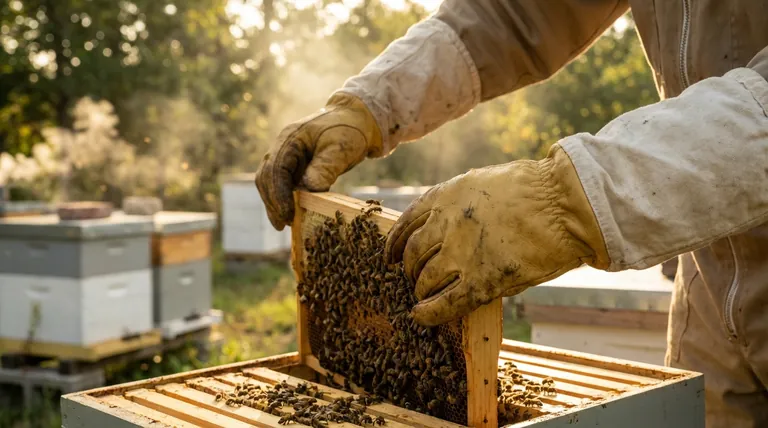
The Moment of Failure
It’s a hot afternoon. A commercial beekeeper, focused on a queen inspection, fails to notice the small gap where his loose glove cuff has pulled away from his suit. A single guard bee finds the opening.
The sharp sting on the wrist is a surprise. The involuntary flinch causes him to drop a frame heavy with brood and honey. The colony roars. What was a routine inspection becomes a chaotic recovery mission. The day’s efficiency is broken, not by a major mistake, but by a detail that seemed trivial: the fit of his glove.
Ill-fitting gloves are not an inconvenience. They are a systemic liability that introduces hesitation, creates risk, and undermines a beekeeper’s most valuable asset: their calm, focused confidence.
The Mental Barrier of Bad Equipment
Beekeeping is a psychological discipline as much as a technical one. Your state of mind is transferred to the hive. Calm, deliberate movements keep the colony placid. Jerky, uncertain actions provoke a defensive response.
A poorly fitting glove creates a constant, low-level distraction.
Is that gap still sealed? Can I grip this frame properly? Why are my hands already tired?
This internal monologue pulls focus away from the bees and onto the gear itself. It erodes confidence, and hesitation is the enemy of smooth apiary work. The right glove isn’t just armor; it’s an interface that should be so perfect it becomes unnoticeable, allowing you to enter a state of complete focus.
The Three Pillars of a Flawless Interface
A glove that works is a glove that disappears. Its performance can be measured across three core functions that directly impact your effectiveness.
1. Security: The Foundation of Confidence
A proper fit provides an unbroken seal from fingertip to elbow. The primary point of failure is the cuff. A snug, elasticated cuff that integrates seamlessly with your bee suit is non-negotiable.
This perfect seal is the foundation of your confidence. When you trust your equipment implicitly, you can move with the fluid certainty required for efficient, calm inspections.
2. Dexterity: The Language of Touch
Beekeeping requires a surgeon's touch. You manipulate delicate wax frames, gently brush bees aside, or mark a queen the size of a fingernail.
Gloves with excess material in the fingers or palm are clumsy. They snag on comb, risk rolling the queen, and turn simple tasks into frustrating challenges. A glove that fits like a second skin allows your hands to remain your most sensitive tool, not a blunt instrument.
3. Comfort: The Enabler of Endurance
Commercial beekeeping involves long hours under the sun. Discomfort is a powerful drain on focus and energy.
- Too Tight: Gloves that are too small restrict circulation, leading to premature hand fatigue and cramping.
- Too Loose: Gloves that are too large require constant readjustment and fight you on every movement.
Properly sized, breathable gloves reduce fatigue, allowing you to work through dozens of hives without your equipment becoming the limiting factor.
The Material Spectrum: A Deliberate Trade-Off
The ideal fit is inseparable from the material it’s made from. Each material represents a different point on the spectrum between absolute protection and maximum dexterity. This isn’t a matter of preference; it’s a strategic choice.
Cowhide: The Fortress
Cowhide leather offers the highest level of sting protection. Its thickness provides a formidable barrier, making it an excellent choice for beginners or for handling particularly aggressive colonies where psychological security is paramount. The trade-off is a significant reduction in dexterity.
Goatskin: The Professional's Standard
Goatskin is the industry workhorse for a reason. It is thinner and more supple than cowhide, offering an engineered balance of robust sting protection and excellent manual dexterity. For commercial beekeepers who need reliable safety without sacrificing the fine control needed for efficient, day-long work, goatskin is the optimal choice.
Nitrile: The Specialist's Tool
Thin nitrile gloves offer virtually no sting protection. Their value lies in providing maximum dexterity for highly specialized, delicate tasks like queen grafting. They are a tool for experts working with calm bees, who fully understand and accept the associated risks.
A Framework for Your Decision
Choosing the right glove means aligning the material and fit with your operational goal.
| Primary Goal | Recommended Material | Key Consideration |
|---|---|---|
| Maximum Protection | Cowhide Leather | Accepts a loss of fine motor control for ultimate safety. |
| Balanced Performance | Goatskin Leather | The industry standard for daily commercial-grade work. |
| Ultimate Dexterity | Nitrile (with caution) | For specific, high-precision tasks by experienced hands. |
Ultimately, a beekeeper's gloves are not just protective wear; they are a fundamental performance tool. For distributors and commercial apiaries, providing teams with high-quality, properly fitting gloves is a direct investment in operational safety, efficiency, and the well-being of the colonies themselves.
HONESTBEE supplies durable, precisely-sized goatskin and cowhide gloves engineered for the demands of professional beekeeping. Equip your operation for success. Contact Our Experts
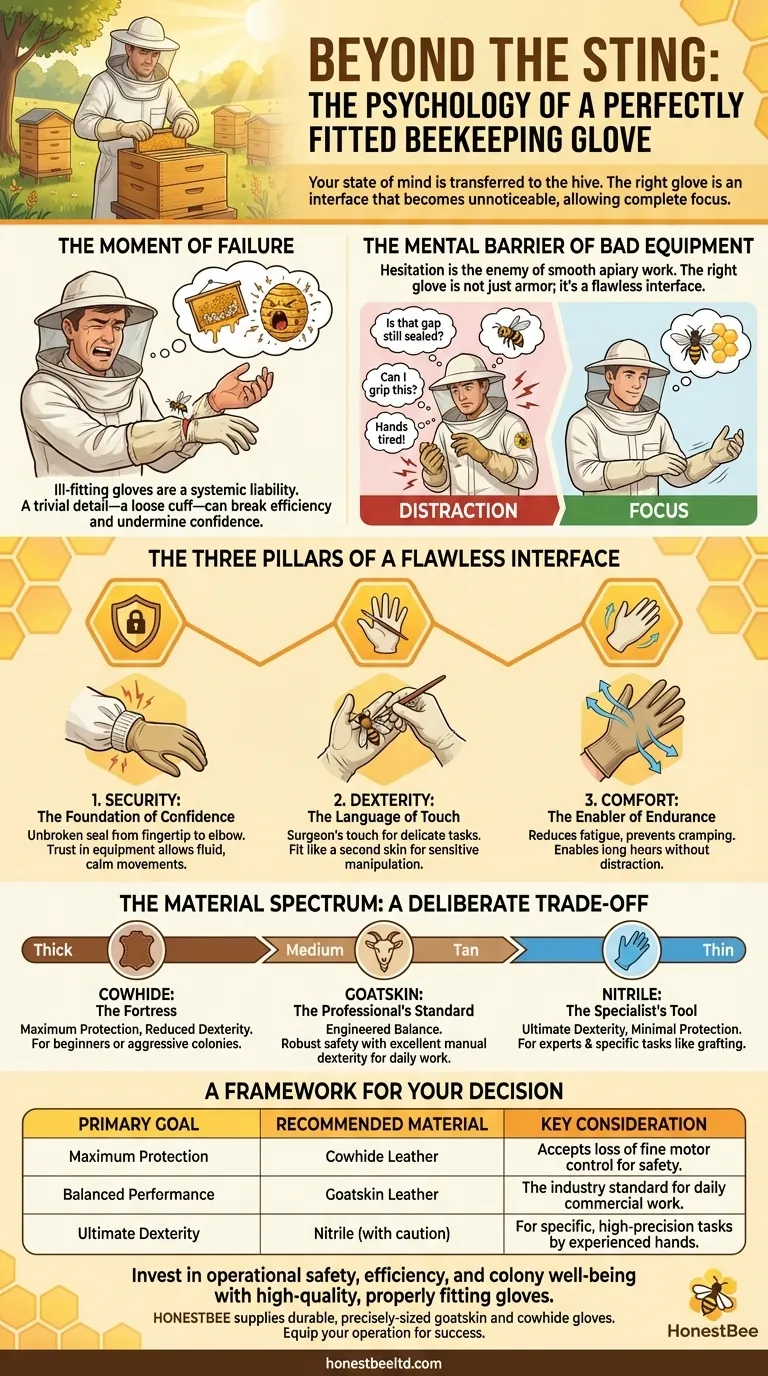
Visual Guide
Related Products
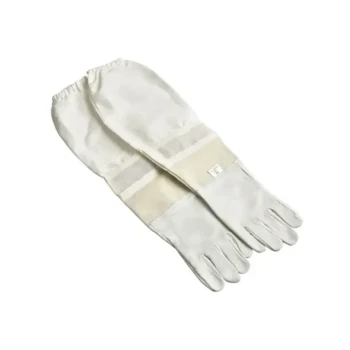
- Beekeeping Gloves Goatskin Leather with Long Cotton Sleeve for Beekeepers
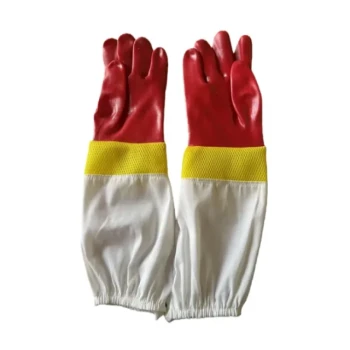
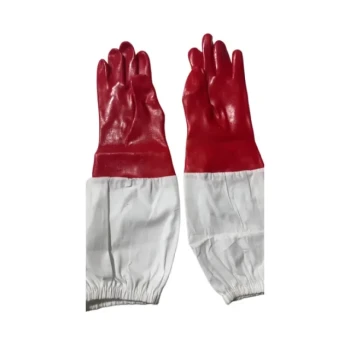
- Heavy Duty Red Rubber Beekeeping Gloves with Vented Mesh Cotton Sleeves
- Goatskin Leather Beekeeper Gloves with Vent Long Sleeve for Beekeeping Honey Bee Sting Proof Protection
- Heavy Duty Red Rubber Beekeeping Gloves with Extended Pure Cotton Sleeves for Beekeepers
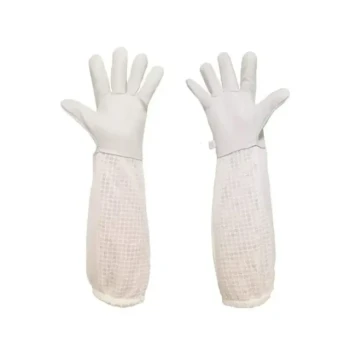
- Premium Ventilated Goatskin Beekeeping Gloves with Full 3-Layer Mesh Sleeve
Related Articles
- How Proper Storage Extends Beekeeping Glove Lifespan by Multiple Seasons
- The Second Skin: A Beekeeper's Guide to Glove Longevity and Apiary Health
- How to Choose Beekeeping Gloves: Material Science for Optimal Protection & Dexterity
- How to Choose Beekeeping Gloves: Material, Fit, and Care Explained
- Beyond the Sting: How Glove Hygiene Dictates Apiary Success