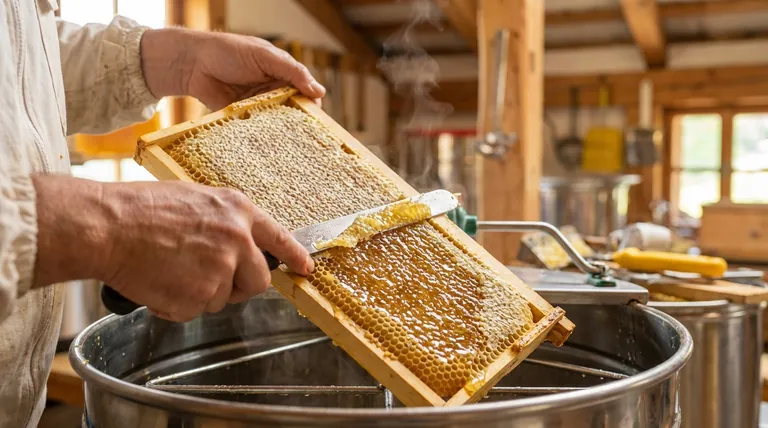
The Surgeon's First Cut
The moment arrives after months of work. A frame, heavy with honey and smelling of wax and summer, is lifted from the super. It represents thousands of hours of labor—not just yours, but that of fifty thousand bees.
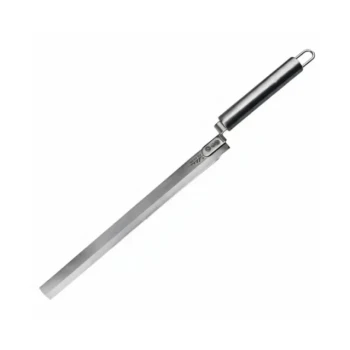
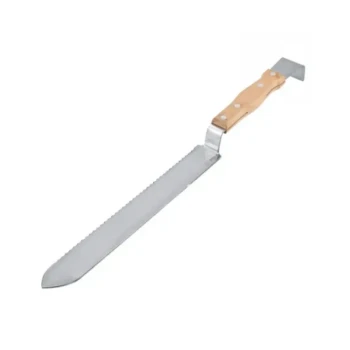
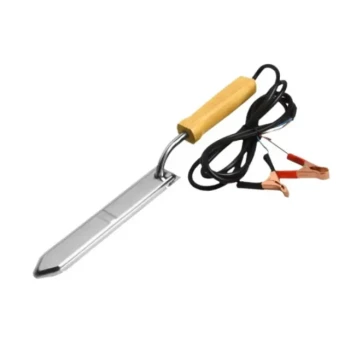
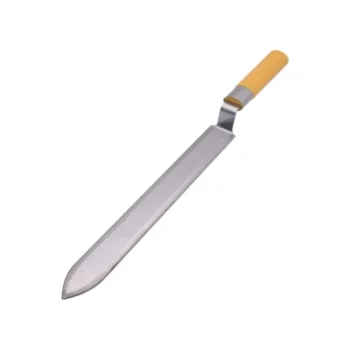
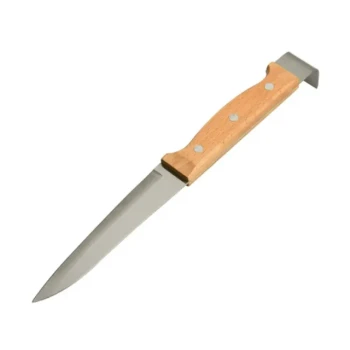
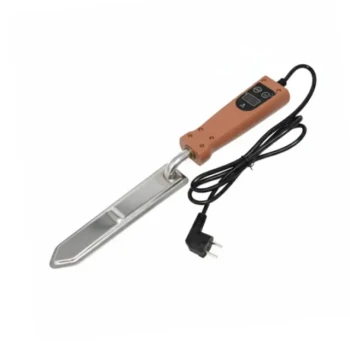
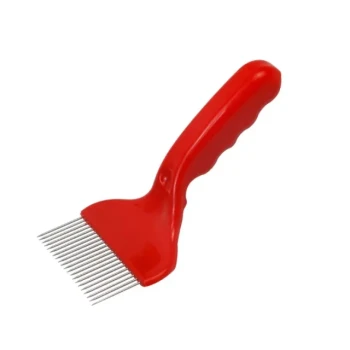
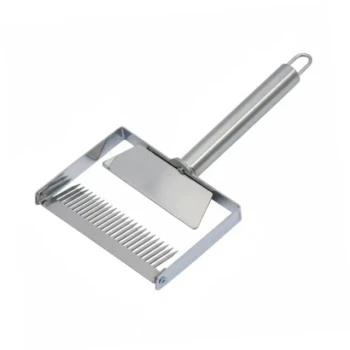
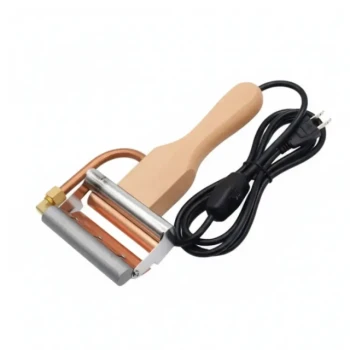
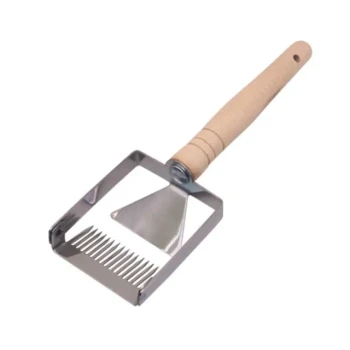
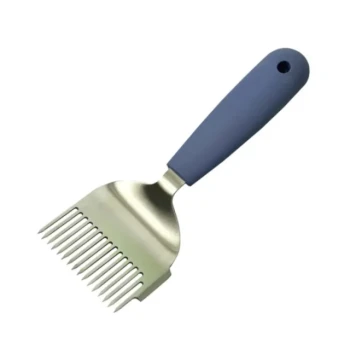
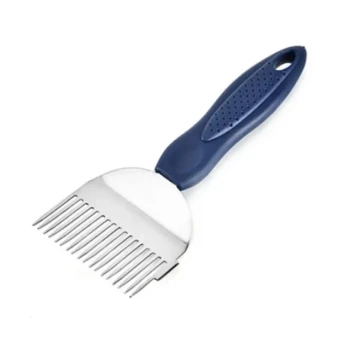
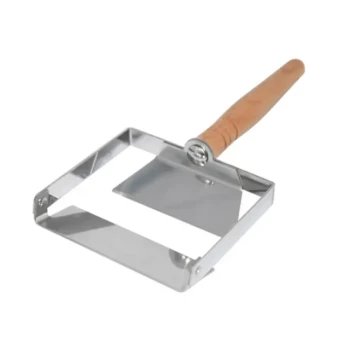
The first step in harvesting this liquid gold is not brute force, but a delicate surgical procedure. The instrument for this operation is the uncapping knife. Its purpose is to slice away the thin, perfect beeswax cappings the bees have built to seal and preserve their food.
How you wield this simple tool reveals your entire philosophy as a beekeeper.
The Unspoken Contract with the Comb
Bees are master engineers. The hexagonal comb is a marvel of structural efficiency, designed to hold the maximum amount of honey with the minimum amount of wax. Capping the honey is the final, vital step to protect it from moisture and fermentation.
The goal of uncapping is to honor this engineering.
A clean cut removes only the paper-thin caps, leaving the intricate comb structure beneath perfectly intact. This is more than just tidiness; it’s an act of economic preservation. An undamaged comb can be quickly repaired and refilled by the bees, saving them immense energy and resources that would otherwise be spent rebuilding from scratch.
A sloppy cut, however, is a tax on the colony's future productivity.
Two Philosophies, One Blade
The choice of how to use the knife boils down to two distinct approaches, each with its own physics and required mindset.
The Path of Deliberation: The Heated Knife
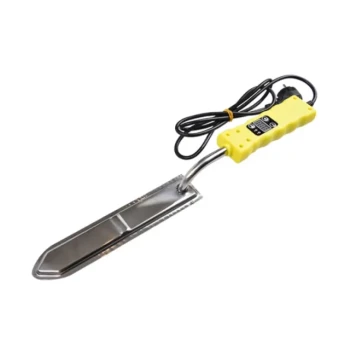
The most common and forgiving method is to heat the knife in hot water. A hot blade doesn’t tear the wax—it melts it.
The physics are elegant. The thermal energy does the work, allowing the blade to glide through the cappings with minimal pressure. This results in a glass-smooth surface on the comb and drastically reduces the risk of accidentally gouging the underlying structure.
But this method comes with one critical rule of hygiene: the blade must be wiped dry. Even a single drop of water introduced into the honey can raise its moisture content, creating a risk of fermentation that could spoil an entire batch. It's a small, disciplined step that protects the integrity of the whole harvest.
The Path of Experience: The Cold Knife
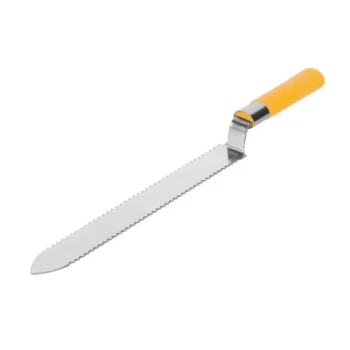
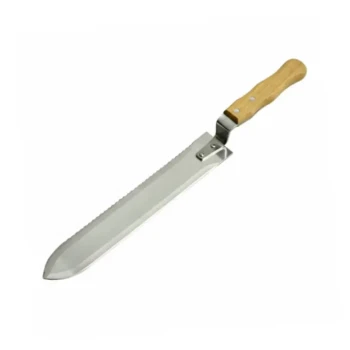
Some beekeepers prefer a cold, exceptionally sharp knife. Often serrated, this tool relies on a perfect edge and the beekeeper's muscle memory.
There is no waiting for a blade to heat. The workflow is faster, moving from frame to frame with fluid efficiency. But this speed comes at a price. The cold knife requires immense control and a practiced hand to slice thinly without snagging or tearing the delicate wax walls of the comb.
It is a tool that trusts the user’s skill implicitly. It offers no thermal safety net.
The Psychology of the Harvest
The decision between a hot or cold knife is less about the tool itself and more about managing the human element under the pressure of the harvest.
Managing Cognitive Load
For a new beekeeper, the uncapping process is filled with variables: the right angle, the correct depth, the proper speed. A heated knife removes one of the biggest variables—the amount of physical force needed. By making the cut easier, it frees up the beekeeper's mental bandwidth to focus on getting the depth right. It's a tool that reduces the margin for error.
The Illusion of Speed
A cold knife feels more efficient because it skips the heating and drying step. But this is often a short-term illusion.
A single mistake—a deep gouge that tears the comb’s foundation—can cost the colony weeks of repair work. The few seconds saved at the uncapping table are paid for by hundreds of hours of bee labor. The truly efficient system considers the entire lifecycle, from the hive to the bottle and back to the hive again.
A Decision Framework
Your choice should align with your operational priorities. The trade-off is not simply between hot and cold, but between controlled precision and high-speed skill.
| Operational Priority | Recommended Tool | Rationale |
|---|---|---|
| Comb Preservation & Quality | Heated Knife | The melting action provides the cleanest cut with the lowest risk of comb damage. Ideal for beginners and operations prioritizing long-term hive health. |
| Maximum Speed & Throughput | Cold Knife | Requires no setup and allows for a faster workflow, but demands significant skill to execute without causing costly damage. Best for seasoned experts. |
This level of operational thinking—weighing immediate efficiency against long-term colony health—is what separates a hobby from a commercial enterprise. The right equipment isn't an expense; it's an investment in a predictable, sustainable, and productive system.
For commercial apiaries and distributors, sourcing durable, professional-grade equipment is fundamental. At HONESTBEE, we supply the high-quality uncapping knives and beekeeping supplies designed for the demands of a successful harvest, season after season.
To ensure your equipment matches your operational philosophy, Contact Our Experts.
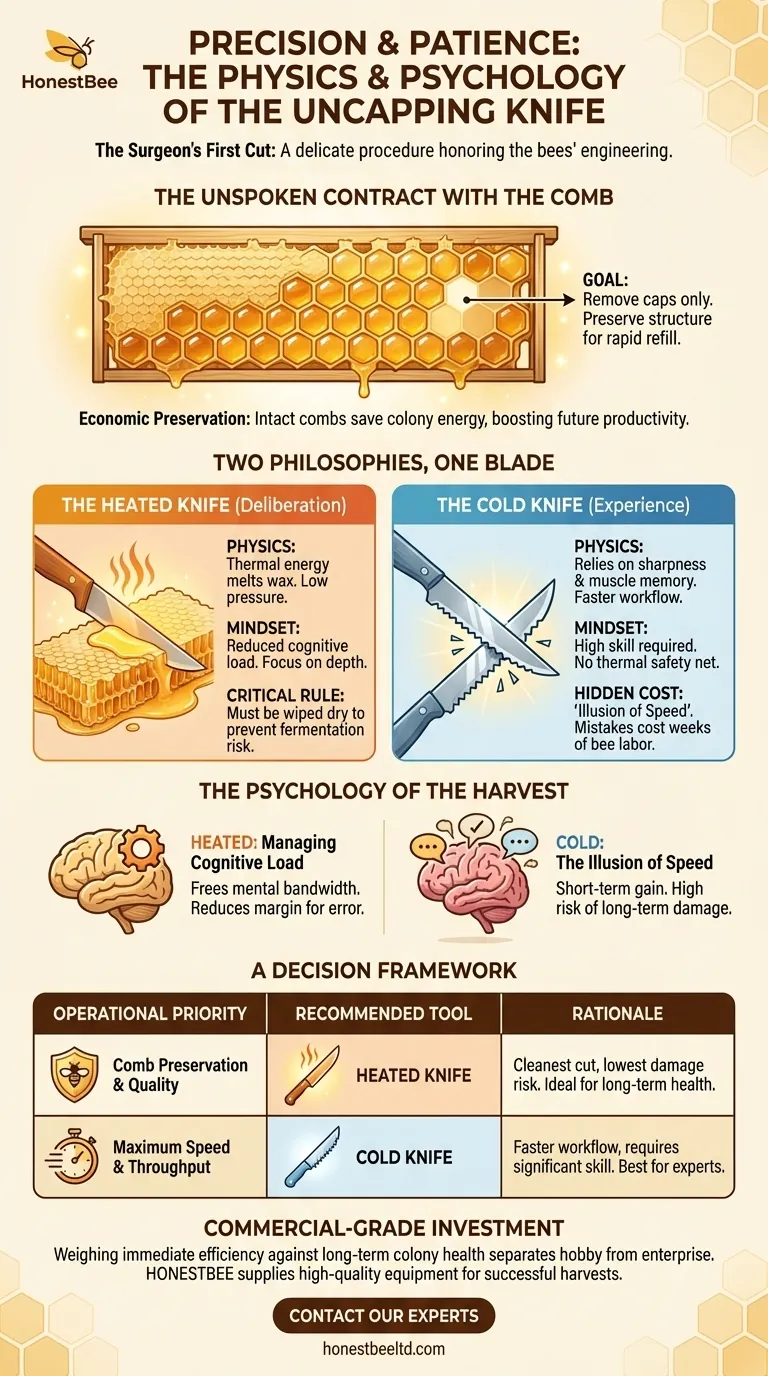
Visual Guide
Related Products
- Professional All-Stainless Steel Uncapping Knife for Beekeeping
- Professional Z-Shaped Multi-Function Uncapping Knife for Beekeeping
- Professional 12V DC Electric Uncapping Knife for Beekeeping
- Professional Serrated Double-Sided Uncapping Knife for Beekeeping
- Professional Stainless Steel Double-Sided Honey Uncapping Knife
Related Articles
- From Craft to Scale: Choosing the Right Uncapping Knife for Your Apiary
- Anatomy of a Perfect Harvest: The Deliberate Design of the Uncapping Knife
- The Physics of Procrastination: Mastering the Uncapping Knife Cleanup
- How to Choose and Master Decapping Knives for Optimal Honey Yield
- How to Choose the Right Beeswax Uncapping Tool for Your Beekeeping Needs