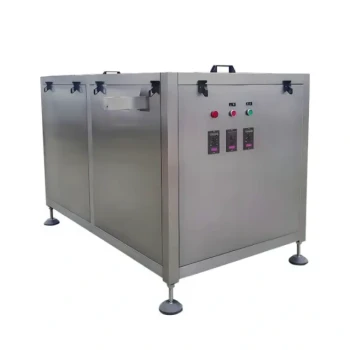
Alcohol wash detection devices are the global industry standard for quantifying Varroa destructor populations with precision. These tools use a combination of 70% concentration alcohol and mechanical agitation to strip parasitic mites from a sample of adult honeybees, typically approximately 300 individuals. By counting the detached mites that pass through a standardized filter screen, beekeepers and researchers obtain a precise infestation percentage—expressed as mites per 100 bees—which is critical for determining if a colony has reached life-threatening treatment thresholds.
The alcohol wash method provides immediate, real-time data that enables precision pest management and prevents colony collapse. By delivering the most accurate and consistent results compared to alternative methods, these devices serve as the essential foundation for data-driven apiary health assessments and treatment validation.
The Mechanics of Accurate Mite Quantification
Chemical and Physical Dissolution of Adhesion
Varroa mites utilize a sticky substance to adhere firmly to the surface of a bee's body. The alcohol solution acts as a chemical agent that rapidly dissolves this substance while simultaneously reducing surface tension. This allows the mites to be easily detached during the subsequent agitation phase.
Mechanical Oscillation and Filtration
Specialized wash devices utilize mechanical oscillation or vigorous physical shaking to separate the mites from the bees. Once detached, the tiny mites pass through a precision-engineered filter screen while the larger bee bodies are retained. This separation allows for an effortless and accurate count of the mites settled at the bottom of the device.
Standardized Sampling for Statistical Validity
For a reliable assessment, technicians typically collect a "half-cup" sample, which contains roughly 300 nurse bees. Using a standardized device ensures that the volume of bees and the intensity of the wash remain consistent across different hives. This consistency is vital for comparing infestation rates over time or across different apiary locations.
Strategic Value in Integrated Pest Management (IPM)
Establishing Economic Action Thresholds
The primary goal of the alcohol wash is to identify if the infestation has reached a critical threshold, often cited as 3% (or 9 mites per 300 bees). When this data-driven limit is exceeded, beekeepers know they must initiate chemical or organic treatments to prevent colony loss. This precision prevents unnecessary medication use, saving costs and reducing chemical exposure for the bees.
Evaluating Post-Treatment Efficacy
These devices are not just for initial detection; they are essential for validating the effectiveness of treatments such as oxalic acid or thymol. By performing a follow-up alcohol wash after a treatment cycle, beekeepers can confirm that the mite population has been successfully reduced. This verification is a core step in ensuring hive survival through the winter months.
Auxiliary Health Assessment
Beyond Varroa detection, the alcohol wash serves as an important auxiliary tool in comprehensive colony health monitoring. It helps professionals exclude interference from other parasites and confirm the specific impact of other infections, such as Vairimorpha. This multi-layered data approach is essential for high-level apiary management and research.
Understanding the Trade-offs
Sample Lethality vs. Data Accuracy
The most significant trade-off of the alcohol wash method is that it is lethal to the sample of bees used (approximately 300 individuals). While non-lethal methods like the "sugar roll" exist, they are often less consistent and may undercount mites. In professional settings, the loss of 300 bees is considered a negligible trade-off for the superior accuracy and reliability the alcohol wash provides.
Operational Efficiency in the Field
While the method requires consumables like 70% rubbing alcohol or ethanol, the speed of results outweighs the cost. Unlike "natural mite-drop" monitoring, which can take days, an alcohol wash provides a definitive count in minutes. This allows for immediate decision-making during a single site visit, which is critical for large-scale commercial operations.
How to Apply This to Your Inventory Strategy
Maximizing Value for Professional Clients
As a distributor or wholesaler, understanding the technical necessity of these devices allows you to position them as an essential "core consumable" rather than an optional accessory. Professional beekeepers and inspectors require reliable, standardized tools that can withstand frequent field use.
- If your primary focus is Professional Apiary Services: Prioritize stocking high-durability, standardized wash kits that ensure consistent data for large-scale monitoring and inspection reports.
- If your primary focus is Retail or Hobbyist Supply: Highlight the device's role in "precision pest management" and its ability to prevent colony collapse through accurate threshold detection.
- If your primary focus is Supply Chain Efficiency: Leverage our deep industry expertise and rapid fulfillment capabilities to ensure these seasonal tools are in stock exactly when pest monitoring windows open.
By providing your clients with standardized, high-accuracy detection tools, you empower them to maintain healthy, productive colonies through scientifically-backed pest management strategies.
Summary Table:
| Feature | Function in Assessment | Benefit for Beekeepers |
|---|---|---|
| Chemical Action | 70% Alcohol dissolves mite adhesion | Ensures 100% mite detachment from bees |
| Mechanical Agitation | Separates mites through a filter screen | Provides rapid, real-time field data |
| Standardized Sampling | Consistent 300-bee sample size | Enables statistical validity across apiaries |
| Threshold Analysis | Identifies the 3% infestation limit | Triggers timely, data-driven IPM treatments |
| Efficacy Validation | Post-treatment mite quantification | Confirms success of chemical or organic interventions |
Partner with HONESTBEE for Professional Beekeeping Solutions
As a global leader in beekeeping supply, HONESTBEE empowers distributors and commercial apiaries with a comprehensive, one-stop sourcing experience. We provide a full-spectrum product portfolio, from high-precision Varroa detection tools to advanced honey-filling machinery and hive-making equipment.
Why choose HONESTBEE for your B2B needs?
- Deep Industry Expertise: Specialized solutions tailored for distributors and large-scale operations.
- Rapid Fulfillment: Ultra-fast delivery and efficient order processing to keep your inventory ready.
- Premium Service: Dedicated support and rapid response times focused on your business growth.
- Wholesale Excellence: Competitive margins on high-quality hardware and essential consumables.
Boost your market position with the industry's most reliable equipment. Contact us today to discuss wholesale opportunities and custom sourcing!
References
- Sarah Biganski, Sarah C. Wood. Comparison of individual and pooled sampling methods for estimation of <i>Vairimorpha</i> (<i>Nosema</i>) spp. levels in experimentally infected honey bee colonies. DOI: 10.1177/10406387231194620
This article is also based on technical information from HonestBee Knowledge Base .
Related Products
- Varroa Easy Check Mite Tester Kit Counter Alcohol Wash Jar
- Fully Automatic High Speed Centrifugal Bottle Unscrambler
People Also Ask
- What tools are utilized within an Integrated Pest Management (IPM) strategy for honeybees? Optimize Colony Health
- What is the significance of standardized detection tools in Varroa control? Data-Driven Beekeeping Strategies
- Why is surfactant added to 70% alcohol for Varroa detection? Ensure Accurate Mite Counts for Professional Beekeeping
- What is the purpose of using white filter cloth for Varroa mite screening? Enhance Detection and Accuracy
- How does a specialized Varroa mite tester with sugar powder facilitate mite diagnosis? Precise B2B Hive Health Solutions