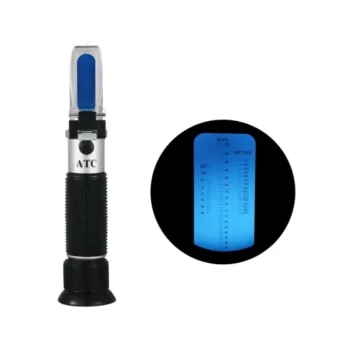
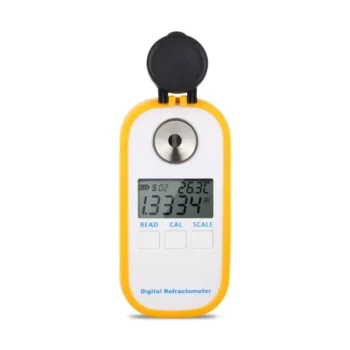
Meteorological monitoring devices are the cornerstone of modern data-driven apiculture. These tools provide real-time environmental data—such as temperature, precipitation, and sunlight—to accurately predict flowering windows and nectar secretion peaks. By integrating this intelligence, apiary managers can synchronize colony strength with local floral cycles, optimizing honey yields while significantly reducing the operational risks associated with climate unpredictability.
High-precision meteorological data transforms apiary management from traditional guesswork into a scientific, predictable operation. By monitoring critical environmental thresholds, beekeepers can optimize migration routes, harvest timing, and colony health to maximize seasonal productivity.
Optimizing Nectar Flow and Resource Allocation
Synchronizing Migration with Peak Flowering
Meteorological devices allow beekeepers to track the initial and peak flowering periods of regional nectar plants. By analyzing sunlight and precipitation trends, managers can plan hive migrations with precision, ensuring bees arrive exactly when nectar availability is highest.
Identifying Nectar Secretion Thresholds
Different plants have specific temperature thresholds for nectar secretion; for instance, many crops stop secreting between 24°C and 30°C, while some wild plants continue up to 38°C. Monitoring these micro-climates helps beekeepers evaluate the heat-resistant foraging potential of specific locations, supporting informed decisions on colony layout.
Data-Driven Harvesting Schedules
Access to real-time weather data provides a scientific basis for scheduling honey harvests. This ensures that collection occurs during optimal weather windows, preventing moisture-related quality issues and maximizing the efficiency of the field labor force.
Enhancing Colony Stability and Defense
Mitigating Swarming and Overwintering Risks
Multi-functional monitors track wind speed, humidity, and light intensity to evaluate swarming risks and determine the best hive entrance orientations. This environmental data is also critical for developing robust overwintering strategies, helping to maintain steady-state regulation within the colony during harsh months.
Precision Pest and Hornet Defense
Environmental factors like air temperature and humidity directly influence the flight activity of predators like the Asian hornet. By integrating meteorological data, managers can precisely schedule the activation of electronic defense systems, such as Electric Harps, which optimizes energy consumption and enhances pest control effectiveness.
Refined Production Management
Transitioning to data-driven management allows for proactive interventions, such as implementing artificial shading or providing supplemental water during heatwaves. These measures mitigate the uncertainties of climate change, ensuring the steady production of honey and pollen even in volatile seasons.
Understanding the Trade-offs and Implementation Challenges
Data Interpretation vs. Raw Data Collection
The primary challenge is not just collecting data, but converting it into actionable insights. Without professional industry expertise or integrated software to interpret sensor readings, beekeepers may suffer from "data overload" and struggle to make timely management decisions.
Sensor Maintenance and Calibration
High-precision equipment requires regular maintenance to ensure long-term accuracy. Sensors exposed to the elements can drift over time; therefore, distributors must prioritize sourcing from suppliers who offer robust technical support and high-quality components to minimize field failures.
Initial Investment and ROI
While meteorological systems require an upfront investment, the return on investment (ROI) is realized through increased honey yields and reduced colony losses. For B2B resellers, the key is demonstrating how these tools pay for themselves by shifting management from reactive to proactive models.
Maximizing Value Through Strategic Sourcing
To provide the best value to your clients, it is essential to partner with a supplier that offers more than just hardware. A comprehensive, one-stop sourcing approach ensures that all components—from weather stations to electronic hive monitors—work together seamlessly.
- If your primary focus is maximizing honey yield: Utilize high-precision temperature and sunlight sensors to identify exact nectar secretion windows for specific regional flora.
- If your primary focus is operational efficiency: Deploy integrated weather networks to automate migration alerts and harvest scheduling, reducing the need for manual site inspections.
- If your primary focus is colony survival: Focus on multi-functional monitors that track humidity and wind speed to refine overwintering strategies and predict swarming events.
Empowering your customers with professional-grade meteorological tools is the most effective way to ensure their long-term success in an increasingly unpredictable climate.
Summary Table:
| Feature | Management Benefit | Strategic Impact |
|---|---|---|
| Flowering Tracking | Predicts peak nectar secretion | Synchronized hive migration & higher yields |
| Climate Thresholds | Identifies optimal foraging weather | Data-driven site selection & colony layout |
| Weather Windows | Optimal harvesting schedules | Improved honey quality & reduced labor waste |
| Environmental Risk | Real-time swarming & overwintering alerts | Reduced colony losses & enhanced survival |
| Pest Integration | Precise scheduling for defense systems | Efficient hornet control & energy savings |
Scale Your B2B Success with HONESTBEE
Empower your clients with the precision of modern beekeeping. HONESTBEE is a leading partner for commercial apiaries and distributors, offering a comprehensive one-stop sourcing experience. We supply a full spectrum of high-quality products, including:
- Advanced Machinery: Specialized hive-making and honey-filling equipment.
- Essential Tools: A complete range of professional beekeeping hardware and consumables.
- Unique Merchandise: Honey-themed cultural products to diversify your inventory.
By partnering with us, you benefit from our deep industry expertise, rapid response times, and ultra-fast delivery, ensuring your supply chain remains reliable and competitive.
Ready to optimize your wholesale offerings? Contact our expert team today to discuss your bulk requirements!
References
- Melisa Gandarvi Esponda Verdugo, Flor Teresa García-Huamán. Revisión sistemática: Identificación de flora melífera en apiarios de México, 2020-2025. DOI: 10.25127/cni.v8i1.1125
This article is also based on technical information from HonestBee Knowledge Base .
Related Products
- Precision Honey Refractometer Instrument for Quality Assessment
- Digital Honey Refractometer for Precision Measurement of Optimal Honey Quality
People Also Ask
- How do professional scientific instruments contribute to honey quality testing? Ensure Purity and Market Compliance
- How does a honey refractometer differ from a standard refractometer? Master Accurate Moisture Measurement
- Why is a honey refractometer considered an essential tool in honey harvesting? Ensure Harvest Stability and Quality
- What is the appropriate Brix scale for a refractometer used to measure honey? Find the Perfect Range for Your Hive
- What should be considered when choosing a refractometer for honey? 5 Key Factors for Precision Quality Control