The strategic combination of high-strength bee colonies and low-frequency honey extraction significantly extends the lifespan of processing equipment while producing a premium, market-ready product. By limiting extraction to once or twice per season, operators reduce the mechanical duty cycles on centrifugal machinery and minimize labor costs. Simultaneously, this method allows honey to undergo full natural dehydration and enzymatic transformation within the hive, resulting in a high-density product with superior sugar profiles and lower acidity that meets the most stringent international trade standards.
High-strength colonies and low-frequency harvesting create a synergistic production model that lowers operational overhead while maximizing the economic value of the honey. This approach prioritizes biological maturity and mechanical efficiency, ensuring a stable supply of export-grade products for global distributors.
Optimizing Equipment Maintenance and Operational Longevity
Reducing Mechanical Wear through Low-Frequency Cycles
By extracting honey only once or twice a year, the operational frequency of centrifugal extractors is drastically reduced. This practice directly minimizes the physical wear on bearings, motors, and gears, leading to lower maintenance costs and fewer equipment replacements.
Distributors benefit from this approach through consistent supply chain reliability, as production facilities face fewer unexpected mechanical failures. Professional-grade, food-grade stainless steel extractors remain in peak condition longer when not subjected to high-intensity, continuous daily cycles.
Preserving Structural Assets and Honeycombs
High-efficiency extraction equipment is designed to separate honey without damaging the physical structure of the combs. Low-frequency extraction ensures that these frames are handled fewer times, reducing the risk of breakage during the harvesting process.
By returning intact, high-strength hive frames to the colony, bees can focus on collection rather than rebuilding wax structures. This optimizes the efficiency of colony management and ensures that the most expensive hive consumables—the frames and foundations—have a significantly longer functional lifecycle.
Elevating Honey Quality for B2B Markets
Natural Dehydration and Enzymatic Maturity
Low-frequency extraction grants honey more time for natural dehydration and enzymatic reactions within the hive. This patience results in a product with higher levels of reducing sugars and a more complex flavor profile, which is highly sought after by premium wholesalers.
The biological process also leads to lower acidity levels, significantly improving the honey's stability and shelf life. For distributors, this means a more robust product that maintains its sensory qualities during long-distance shipping and storage.
Meeting International Purity and Export Standards
Utilizing high-strength colonies allows for a more vigorous and stable collection cycle, which, when paired with industrial-grade stainless steel equipment, minimizes the risk of metal contamination or oxidation. This ensures the honey maintains the high purity levels required for organic and high-level quality certifications.
Furthermore, using professional bee removal tools like blowers or escape boards prevents the introduction of chemical contaminants. This protects the physicochemical properties of the honey, ensuring every batch meets the safety and sensory standards required for global trade.
Understanding the Trade-offs and Risks
Storage and Resource Management
The primary challenge of low-frequency extraction is the need for increased hive capacity. High-strength colonies require more supers and frames to store honey over a longer period, which demands a higher initial investment in hive consumables.
Monitoring for Crystallization and Pests
Waiting longer to extract can increase the risk of honey crystallizing within the comb, depending on the floral source. Additionally, maintaining high-strength colonies requires vigorous pest management, including regular cleaning of Varroa screens and bottom boards to prevent debris accumulation that could attract rodents or wax moths.
Making the Right Choice for Your Goal
Achieving the balance between colony health and mechanical efficiency is essential for long-term profitability in the honey trade.
- If your primary focus is maximizing product premium: Adopt low-frequency extraction to ensure the highest enzymatic maturity and lowest acidity for the high-end retail market.
- If your primary focus is operational ROI: Focus on high-strength colonies and industrial-grade extraction gear to minimize labor costs and extend the lifespan of your mechanical assets.
- If your primary focus is supply chain stability: Utilize high-quality consumables and standardized frames to ensure colony population stability and predictable annual yields.
By aligning biological colony strength with disciplined extraction cycles, professional beekeepers deliver a superior product while safeguarding their mechanical investments.
Summary Table:
| Benefit Category | Key Advantage | B2B Operational Impact |
|---|---|---|
| Equipment Maintenance | Reduced mechanical duty cycles | Lower overhead and longer extractor lifespan |
| Honey Quality | Full enzymatic maturation | Premium export-grade product with lower acidity |
| Supply Chain | Minimized labor costs | Stable, predictable yields for global distribution |
| Asset Protection | Preserved honeycomb structure | Reduced reinvestment in hive frames & consumables |
Scale Your Beekeeping Success with HONESTBEE
At HONESTBEE, we specialize in empowering commercial apiaries and B2B distributors with a comprehensive one-stop sourcing solution. Whether you need industrial-grade honey-filling machines, hive-making hardware, or premium consumables, our full-spectrum portfolio is designed for maximum efficiency and profit margins.
Why Partner with Us?
- Rapid Response & Professional Expertise: Deep industry knowledge to support your OEM/ODM requirements.
- Supply Reliability: Ultra-fast delivery and efficient fulfillment to keep your supply chain moving.
- Premium Range: From specialized beekeeping machinery to honey-themed cultural merchandise.
Ready to enhance your operational ROI? Contact our wholesale team today to explore our exclusive equipment and consumable packages!
References
- Potential of Twin Key Management Practices: Higher Colony Strength and Lower Honey Extraction Frequency in Improving Honey Quality of Apis mellifera. DOI: 10.55362/ije/2024/4352
This article is also based on technical information from HonestBee Knowledge Base .
Related Products
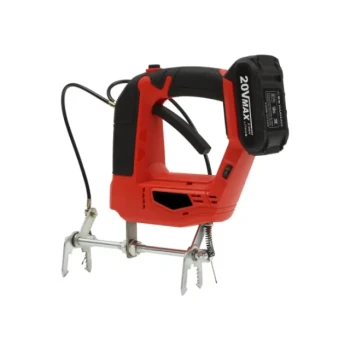
- Full Set Beekeeping Electronic Bee Venom Collector Machine Device for Bee Venom Collecting
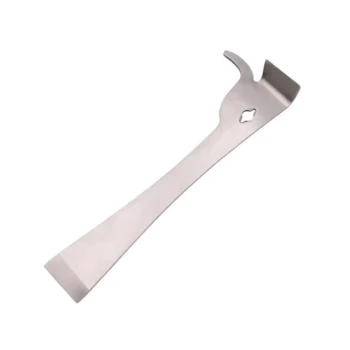
- Professional Stainless Steel Pry-Bar Hive Tool
- Professional Multi-Function Stainless Steel Hive Tool
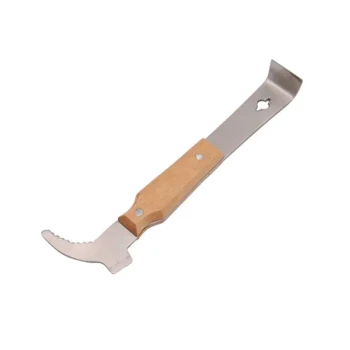
- HONESTBEE Professional Multi-Functional Hive Tool with Ergonomic Wood Handle
- Stainless Steel Pollen Shovel with Wooden Handle
People Also Ask
- How does the glass plate integrated into a bee venom collector contribute to maintaining quality and purity?
- What is the function of specialized collection equipment in the production process of bee venom? Expert Guide
- What is the significance of using specialized bee venom collection devices in commercial beekeeping operations?
- Why are bee venom collection devices typically mounted on specialized wooden carrier boards? Maximize Yield & Purity.
- How does a dedicated bee venom collection device operate? Extract Pure Venom Safely Without Harming Your Bees