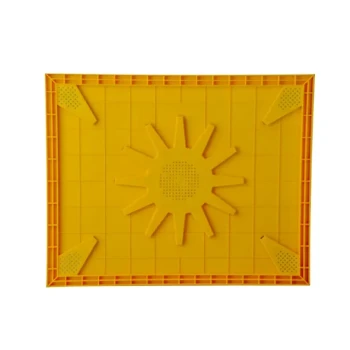
The survival of overwintering honeybee colonies depends on the synergy between metabolic moisture management and thermal regulation. Moisture boards utilize porous structures to absorb excess humidity and prevent condensation, while insulated covers provide the thermal resistance necessary to retain heat. Together, these components stabilize the hive’s internal microenvironment, reducing honey consumption and preventing colony mortality during extreme cold.
Core Takeaway: Moisture boards and insulated covers function as an integrated life-support system that prevents fatal condensation while minimizing heat loss. For professional beekeeping operations, this hardware is essential to maintain the colony's core temperature and ensure a rapid population rebound in the spring.
The Mechanism of Moisture Management
Preventing the "Cold Rain" Effect
Honeybees generate significant metabolic moisture as they consume honey to produce heat. Without a moisture board, this warm vapor rises, hits the cold hive cover, and condenses into freezing water that drips back onto the bee cluster.
This moisture board acts as a buffer, using porous materials to wick away humidity before it can liquify. This mechanism is critical because a wet bee is a dead bee in sub-zero temperatures.
Vapor Permeability and Absorption
Advanced moisture boards or specialized moisture boxes often incorporate natural fibers like linen or porous wood products. These materials allow the hive to "breathe" while maintaining a barrier against external elements.
The absorption capacity of the board ensures that the internal humidity remains at levels that support bee health without reaching the dew point on the inner surfaces of the hive.
The Science of Thermal Regulation
Reducing Metabolic Heat Loss
Insulated covers and foam boards provide high thermal resistance, creating a barrier that slows the transfer of heat from the bee cluster to the outside environment.
By reducing heat loss, the colony does not need to vibrate their wing muscles as vigorously. This results in significantly lower honey consumption, preserving the colony's food stores for the late winter and early spring.
Stabilizing the Hive Microenvironment
High-quality insulation materials help maintain the internal nest temperature between 24°C and 34°C. This stability is vital for the colony's ability to remain in a tight cluster, which is their primary natural defense against freezing.
Consistent temperatures also prevent the stress caused by drastic fluctuations, which can lead to premature cluster expansion or "chilled brood" if the queen has already begun laying eggs.
Understanding the Trade-offs and Pitfalls
The Risk of Over-Insulation
Providing too much insulation without adequate ventilation can be counterproductive. If the hive is sealed too tightly, moisture levels will rise beyond what a standard moisture board can handle, leading to mold growth and respiratory issues for the bees.
Material Durability and Pest Management
While foam and soft insulation are excellent for thermal retention, they are susceptible to damage from pests like mice or wax moths. Professional-grade hardware must balance high R-values (thermal resistance) with structural integrity to withstand environmental stressors.
Balancing Cost and Efficiency
For large-scale distributors, the challenge lies in sourcing materials that offer maximum thermal efficiency without being prohibitively bulky for transport. Efficient order fulfillment and ultra-fast delivery are essential when beekeepers face sudden, unseasonal cold snaps.
Strategic Selection for Winter Protection
Distributing the right winterization hardware requires a deep understanding of the climatic challenges your clients face. Providing a full-spectrum product portfolio ensures that beekeepers can customize their protection strategies based on local humidity and temperature profiles.
- If your primary focus is extreme cold survival: Prioritize high-density foam insulated covers and external wraps to maximize thermal retention and minimize starvation risks.
- If your primary focus is high-humidity environments: Emphasize specialized moisture boards and breathable linen covers to prevent condensation and fungal growth within the hive.
- If your primary focus is commercial scalability: Source integrated systems that combine moisture control and insulation into a single, easy-to-install unit to reduce labor costs during fall hive preparation.
By providing professional-grade insulation and moisture hardware, you empower beekeepers to secure their livestock and ensure a productive spring season.
Summary Table:
| Component | Primary Function | Working Mechanism | Key Benefit |
|---|---|---|---|
| Moisture Board | Humidity Management | Porous material wicks away metabolic vapor | Prevents "cold rain" condensation/bee mortality |
| Insulated Cover | Thermal Regulation | High R-value barrier slows heat transfer | Reduces honey consumption & metabolic stress |
| Combined System | Microenvironment Stability | Balanced insulation and vapor permeability | Ensures rapid colony population rebound in spring |
| Professional Grade | Durability & Protection | Pest-resistant, high-density materials | Long-term ROI for commercial apiary operations |
Scale Your Success with HONESTBEE’s One-Stop Sourcing
Equip your clients with professional-grade winterization hardware and maximize your market share. HONESTBEE provides distributors, wholesalers, and B2B resellers with a comprehensive, full-spectrum portfolio of beekeeping tools, machinery, and essential consumables.
Why Partner with HONESTBEE?
- One-Stop Sourcing: From hive-making machines to specialized moisture boards, we supply everything your customers need.
- Premium Trading Services: Benefit from OEM/ODM support, deep industry expertise, and ultra-fast delivery to meet seasonal demands.
- Exceptional Fulfillment: Our rapid response times and efficient order processing ensure your inventory is always ready for the next cold snap.
Contact us today to access our wholesale offerings and discover how our high-margin apiary solutions can grow your business!
References
- Daiana de Souza, Scott H. McArt. Acute toxicity of the fungicide captan to honey bees and mixed evidence for synergism with the insecticide thiamethoxam. DOI: 10.1038/s41598-024-66248-x
This article is also based on technical information from HonestBee Knowledge Base .
Related Products
- Australian Pine Wood Langstroth Screen Bottom Board for Wholesale
- Solid Bottom Board Australian Pine Wood Langstroth Bottom Board for Wholesale
- Langstroth Screen Bottom Board for Beekeeping Wholesale
- Langstroth Solid Bottom Board for Beekeeping
- HONESTBEE Multi Exit Plastic Bee Escape Board for Efficient Honey Harvesting
People Also Ask
- How are screen bottom boards and sticky boards utilized to detect Varroa mites? Master Passive Apiary Monitoring
- What is the primary function of a screen bottom board? Achieve Accurate Varroa Mite Assessment in Your Apiary
- Why is the combination of a screen bottom board and a sticky trap board essential for monitoring Varroa mite? Guide
- What is the primary function of a standard screen bottom board when assessing honeybee grooming behavior? - Key Mite Data
- What role do screen bottom boards and monitoring inserts play in assessing Varroa mite mortality and maintaining hive hygiene in Langstroth hives?