Use thin syrup to stimulate spring growth and thick syrup to build autumn reserves. For spring boosting, the standard recommendation is a 1:1 sugar-to-water syrup, typically 1 kg of white granulated sugar dissolved in 1 litre of water. For autumn winter preparation, use a strong syrup, commonly 2:1 sugar-to-water, and provide enough feed to bring the colony’s winter stores to approximately 16–18 kg (35–40 lb), with the syrup contributing around 30–50% of the total reserve.
Spring feeding is about stimulation; autumn feeding is about efficient storage. Match syrup concentration, feeding speed, timing, and equipment to the colony’s objective rather than using one formula throughout the season.
Spring Boosting: Stimulate Brood Rearing and Colony Activity
Recommended spring ratio
A 1:1 syrup is the appropriate general-purpose spring feed. Its relatively thin consistency resembles nectar and encourages workers to consume the feed and increase colony activity rather than rapidly storing it.
This ratio is also suitable for spring rescue feeding, comb drawing, queen-cell development, and supporting nucleus colonies when natural forage is insufficient.
What spring feeding is intended to achieve
Spring syrup should help colonies:
- Replenish reserves depleted during winter.
- Encourage the queen to resume or expand egg laying.
- Support brood rearing when nectar is unavailable.
- Provide resources for wax production and comb construction.
Spring feeding should not replace sound colony assessment. A weak colony, disease issue, poor queen, or inadequate population cannot be corrected simply by supplying more syrup.
Optional nutritional supplementation
The primary reference identifies pollen, microelements, and vitamins as possible spring supplements. These should be used only where there is a clear nutritional rationale and according to the product manufacturer’s directions.
Sugar syrup remains the energy source; it does not provide the complete nutritional profile of natural pollen or a balanced colony diet.
Suitable spring feeders
Use feeders that deliver small quantities cleanly and consistently. Dripping feeders, such as a covered jar with holes in the lid, can provide the slow stimulation appropriate for early spring.
Specialized hive feeders may be preferable for commercial or multi-apiary operations because they improve consistency, reduce spillage, and simplify inspection and replenishment.
Autumn Winter Preparation: Build Durable Reserves
Recommended autumn ratio
For winter-store production, use a strong syrup, generally described as 2 parts sugar to 1 part water. The higher sugar concentration reduces the amount of water bees must evaporate before sealing the feed in comb.
Some beekeeping guidance expresses a strong syrup as 1 kg of sugar to approximately 625 ml of water, which is about a 1.6:1 ratio by mass. Because ratio conventions differ, suppliers and beekeepers should specify whether measurements are by weight or volume and use one formulation consistently.
The purpose of autumn feeding
Autumn feeding is intended to:
- Replace harvested stores.
- Build sufficient reserves before cold weather.
- Reduce the colony’s need to process dilute feed late in the season.
- Ensure feed is ripened and stored before bees form a tight winter cluster.
The target is approximately 16–18 kg of total winter food reserves, although the correct amount depends on colony strength, climate, hive type, and local forage conditions.
Feed early enough for proper processing
Autumn feeding should be completed by the end of September where that timing suits the local climate, or early enough for bees to process, ripen, and cap the feed before cold weather restricts activity.
Rapid feeders are useful during the main autumn feeding window because colonies may need to take in substantial quantities before low temperatures make liquid feeding ineffective.
Manage Existing Honey Before Winter Feeding
Remove crystallization-prone honey
Before autumn feeding, inspect the colony’s existing honey stores. Honey that is prone to crystallization can block cells and reduce the colony’s access to usable food.
The primary recommendation is to harvest or remove unsuitable crystallizing honey before winter feeding, allowing the bees to store the prepared winter feed in accessible comb.
Assess the whole reserve, not only added syrup
The required amount of autumn syrup should be calculated alongside existing honey stores. Feeding a fixed volume without weighing or estimating the colony’s total reserve can result in either inadequate winter food or unnecessary excess.
Colony strength, local winter severity, and the amount of accessible capped food should guide the final decision.
Feeding Equipment and Operational Management
Choose equipment by seasonal objective
Spring stimulation benefits from controlled, slower delivery, while autumn preparation generally benefits from higher-capacity rapid feeders.
A distributor or apiary supplier should therefore offer a complete seasonal range, including frame feeders, rapid feeders, jar or bucket feeders, and shallow containers designed with floats or straws to prevent drowning.
Prevent drowning and contamination
Liquid feed should be delivered through equipment that gives bees a stable foothold. Shallow containers must include floating material or another safe access system.
Clean feeders are essential. Leaking or spilled syrup can ferment, attract pests, encourage robbing, and create unnecessary colony-management problems.
Reduce robbing risk
Feed colonies in the late afternoon or evening, particularly during nectar dearths. Avoid exposing open syrup or allowing feeder leaks, as these can trigger robbing by neighboring colonies.
For commercial users, reliable feeder design and rapid replacement availability are practical risk controls, especially when managing multiple apiaries.
Use only suitable sugar
Use pure white crystalline sugar for liquid feed. Avoid jaggery, molasses, raw sugar, and other unrefined products because their impurities may ferment in comb cells and contribute to digestive problems such as dysentery.
Prepared syrup should be cooled to room temperature before feeding. Hot syrup can injure bees and may damage some feeder materials.
Understanding the Trade-offs
Thin spring syrup can encourage activity without building stores
The benefit of 1:1 syrup is its stimulative effect, but it may not efficiently create winter reserves. Bees must remove more water before the feed can be stored, making it unsuitable as the main late-season ration.
Overfeeding in spring can also cause syrup to accumulate in brood-area comb and restrict the queen’s laying space.
Strong autumn syrup is efficient but timing-sensitive
A strong syrup is more efficient for storage, but bees still need adequate time and suitable temperatures to process it. Feeding too late can leave uncapped or unprocessed liquid in the hive as winter begins.
Very strong syrup may also be difficult for bees to take under poor weather conditions, which is why autumn feeding should be planned before temperatures fall significantly.
More feed is not always better
The goal is adequate accessible winter food, not the maximum possible syrup volume. Excess feeding can crowd the brood nest, distort colony organization, and complicate assessment of the colony’s actual stores.
Supplements require justification
Pollen substitutes, vitamins, and mineral products can be useful in specific circumstances, but they add cost and handling complexity. They should not be treated as automatic replacements for natural forage or sound colony nutrition.
Making the Right Choice for Your Goal
Select the syrup, feeder, and delivery schedule according to the colony’s immediate objective.
- If your primary focus is spring stimulation: Use a 1:1 white-sugar syrup and controlled feeder delivery to support brood rearing, queen laying, comb drawing, or emergency feeding.
- If your primary focus is autumn winter preparation: Use a strong syrup, generally 2:1, and complete feeding early enough for the bees to ripen and store it before cold weather.
- If your primary focus is replacing harvested honey: Assess existing accessible stores first, then provide enough strong syrup to reach the colony’s target winter reserve.
- If your primary focus is multi-apiary or commercial management: Standardize syrup formulation, feeder types, cleaning procedures, and replenishment schedules to improve labor efficiency and order consistency.
- If your primary focus is dependable supply: Source compatible feeders, replacement components, and approved feed products through a supplier able to provide broad product coverage and rapid fulfillment.
The right seasonal feeding program matches concentration, quantity, timing, and equipment to the colony’s biological needs.
Summary Table:
| Aspect | Spring Boosting | Autumn/Winter Preparation |
|---|---|---|
| Recommended ratio | 1:1 (sugar:water) | 2:1 (sugar:water) or 1.6:1 by mass |
| Purpose | Stimulate brood rearing and colony activity | Build durable winter stores |
| Feeding speed | Slow, controlled delivery | Higher capacity rapid feeders |
| Total winter target | N/A | 16–18 kg (35–40 lb), with syrup contributing 30–50% |
| Timing | Early spring, as needed | Complete by end of September (or before cold weather) |
| Equipment | Dripping feeders, jar feeders | Rapid feeders, frame feeders |
| Key consideration | Prevents robbing, avoid overfeeding | Ensure proper ripening before cluster formation |
Optimize Your Hive Management with HONESTBEE
At HONESTBEE, we cater to commercial apiaries and B2B distributors with a comprehensive wholesale offering of beekeeping tools, machinery, and equipment. Our portfolio spans from hive-making and honey-filling machines to essential consumables and honey-themed merchandise. We support distributors and wholesalers with OEM/ODM services, certifications, and rapid response, ensuring supply reliability and profit margins. Whether you need specialized feeders for spring or high-capacity rapid feeders for autumn, our expert team ensures fast delivery and dedicated service.
Contact us today to discuss your bulk requirements and elevate your beekeeping operations!
Related Products
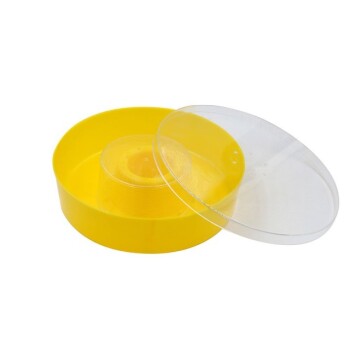
- HONESTBEE Round Hive Top Bee Feeder for Syrup
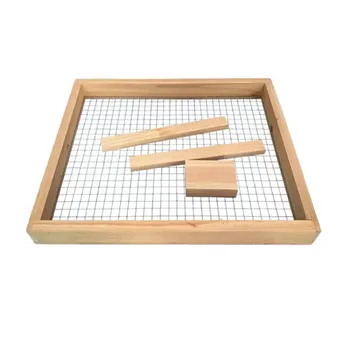
- Heavy-Duty Candy Board with Galvanized Mesh for Beekeeping
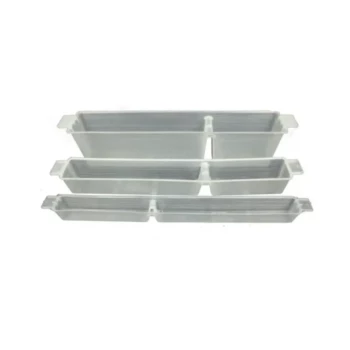
- In-Hive Dual Compartment Frame Bee Feeder for Targeted Colony Nutrition
People Also Ask
- What can the round hive top feeder be used for? A Guide to Efficient, Safe Bee Feeding
- What types of hive boxes is the round hive top feeder compatible with? Universal Fit for 8 & 10-Frame Langstroth Hives
- What is the capacity of the round hive top feeder for syrup and pollen? A Guide to Targeted Apiary Support
- What types of feed can be used with the round hive top feeder? Versatile Feeding for Optimal Apiary Health
- What are the different types of top feeders for bees? Choosing the Best Feeder for Your Apiary