The optical microscope serves as the fundamental tool for the rapid phenotypic diagnosis of Nosemosis. By utilizing high-power magnification, technicians can directly observe macerated honey bee abdomen tissue to identify the physical presence of parasitic spores, acting as a critical first step in disease management.
The optical microscope is the industry standard for preliminary screening, enabling the immediate visual confirmation of infection. However, its utility is limited to detection; it cannot reliably distinguish between specific Nosema species due to their nearly identical physical characteristics.
The Mechanism of Detection
Essential Hardware
To perform an accurate diagnosis, a high-power biological microscope is required.
The optics must be capable of providing a magnification of 400x or higher. Lower magnifications are generally insufficient for resolving the specific details required to identify the pathogen against the background of bee tissue.
Tissue Preparation
The diagnostic process does not use the entire bee.
Technicians must focus on macerated honey bee abdomen tissue. This preparation releases the spores from the gut, creating a homogenate that can be smeared onto a slide for visual inspection.
Identifying the Pathogen
Visual Morphology
Under the microscope, the primary indicator of Nosemosis is the presence of distinct, rice-shaped spores.
These spores are the reproductive stage of the parasite. Their unique shape distinguishes them from other debris found within the abdominal homogenate.
Spore Dimensions
For precise identification, technicians look for specific measurements.
The spores typically measure 5–7 µm in length and 3–4 µm in width. Consistent observation of objects within this size range confirms the diagnosis of the parasitic infection.
Understanding the Trade-offs
The Limits of Phenotypic Diagnosis
While the optical microscope is excellent for confirming if a bee is infected, it cannot tell you which infection it is.
Different species of Nosema share very similar morphological traits. Visually, the spores of different species look nearly identical, making it impossible to differentiate them based on shape or size alone.
Screening vs. Specificity
This method is strictly for preliminary screening.
If specific species identification is required for a breeding program or epidemiological study, optical microscopy is insufficient. It serves as a complement to, not a replacement for, more advanced molecular detection methods.
Making the Right Choice for Your Goal
When establishing a protocol for bee health, consider your specific data needs:
- If your primary focus is rapid field diagnosis: Use the optical microscope at 400x magnification to quickly confirm the presence or absence of the disease in the colony.
- If your primary focus is precise species identification: You must look beyond the microscope to molecular methods, as visual traits are too similar for differentiation.
The optical microscope remains the most accessible and immediate defense for detecting the physical presence of Nosemosis in an apiary.
Summary Table:
| Diagnostic Feature | Specification & Details |
|---|---|
| Equipment Required | High-power biological microscope |
| Magnification Level | 400x or higher |
| Sample Tissue | Macerated honey bee abdomen |
| Pathogen Morphology | Rice-shaped spores (5–7 µm long, 3–4 µm wide) |
| Method Limitation | Cannot distinguish between specific Nosema species |
Scale Your Apiary Operations with HONESTBEE
Efficient disease management starts with the right tools. At HONESTBEE, we empower commercial apiaries and global distributors with a comprehensive suite of professional beekeeping solutions. Whether you are setting up a diagnostic lab or scaling your honey production, we provide:
- Specialized Machinery: From high-precision hive-making units to efficient honey-filling machines.
- Professional Tools: A full spectrum of hardware and biological inspection equipment designed for industry demands.
- Consumable Supplies: Essential industry consumables to keep your operations running smoothly.
- Branded Merchandise: Unique honey-themed cultural products to enhance your retail portfolio.
Ready to elevate your beekeeping business? Our wholesale experts are here to help you select the ideal equipment for your specific needs.
→ Contact HONESTBEE Today for Wholesale Inquiries
References
- Igor Stojanov, Ivan Pušić. Differential diagnosis of bees nosemosis - procedure and significance. DOI: 10.2298/zmspn2243053s
This article is also based on technical information from HonestBee Knowledge Base .
Related Products
- Heavy-Duty Ergonomic Grip Galvanized Pollen Shovel
- Honey Bee Lifecycle Model: A Detailed Honeycomb Display of Bee Development
- Solar Beeswax Melter Easy Solar Wax Melter for Beeswax
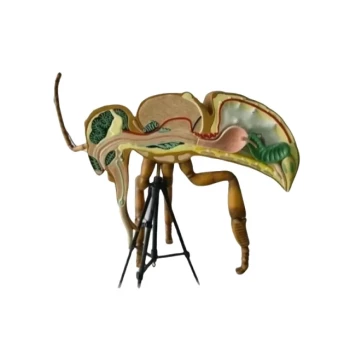
- HONESTBEE Anatomy Bee Model Detailed Anatomical Display for Education and Study
- HONESTBEE AC Powered Wire Embedder with Alligator Clips
People Also Ask
- For what reasons do beekeepers collect bee pollen? Boost Hive Health and Unlock New Revenue Streams
- Why should commercial apiaries focus on the collection of diversified bee products? Maximize Your Hive’s Profit Potential
- How do bee pollen collection tools affect the quality of bee pollen used in functional dairy ice cream production?
- How does a specialized pollen collector facilitate the harvesting of diverse bee products? Automate High-Value Yields
- What is the impact of pollen collectors and associated equipment on the cost structure of pollen production? Maximize ROI