Distance is the single most important precaution. When allowing bees to clean sticky extraction equipment, you must place the stack at least 25 feet away from your beehives.
Placing honey-rich equipment too close to the apiary mimics a resource-heavy intrusion right at the hive entrance. Maintaining a 25-foot buffer zone allows bees to reclaim the resources efficiently without triggering aggressive robbing behavior between colonies.
The Mechanics of Safe Cleanup
The Danger of Proximity
After a harvest, your equipment is covered in high-value resources. This includes empty honey supers, containers, tools, and even drained wax cappings.
If you place these sticky items near the hive entrance, the intense scent of accessible honey excites the colony immediately. This excitement can spiral into robbing behavior, where bees aggressively attack other hives to steal resources.
Establishing the Safety Zone
To prevent this frenzy, you must separate the cleaning site from the living site.
The primary reference dictates a minimum distance of 25 feet. This separation forces the bees to treat the equipment as a distant forage source rather than an immediate threat or free meal at their doorstep.
Optimizing the Process
Once you have established the safe distance, place the equipment in a sunny spot.
The warmth helps soften the remaining honey, making it easier for the bees to collect. They will meticulously clean the tools and return the reclaimed honey to the hive, ensuring virtually nothing is wasted.
Common Pitfalls to Avoid
Misinterpreting "Free Resources"
It is tempting to place wet supers directly next to a hive to "help" a specific colony. This is a mistake.
Doing so does not just feed that specific colony; it alerts every bee in the vicinity to an undefended sugar source. This almost always results in chaos and fighting rather than an orderly cleanup.
Making the Right Choice for Your Goal
To ensure a safe post-harvest cleanup, follow these specific guidelines:
- If your primary focus is Colony Safety: Strictly adhere to the 25-foot minimum distance rule to prevent the scent of honey from triggering aggressive robbing.
- If your primary focus is Resource Efficiency: Place all sticky tools and wax cappings in a sunny location, allowing bees to salvage and store every drop of leftover honey.
Respect the distance, and the bees will handle the rest with remarkable efficiency.
Summary Table:
| Factor | Recommendation | Benefit |
|---|---|---|
| Minimum Distance | 25 Feet (7.5 Meters) | Prevents triggering robbing behavior between hives. |
| Optimal Placement | Sunny Location | Softens honey for easier collection and better reclaim. |
| Equipment Type | Wet supers, tools, cappings | Minimizes waste by allowing bees to salvage resources. |
| Risk to Avoid | Placing near hive entrance | Prevents colony chaos, fighting, and hive intrusions. |
Maximize Your Harvest Efficiency with HONESTBEE
Properly cleaning your gear is just the final step in a successful harvest. At HONESTBEE, we empower commercial apiaries and distributors with the high-performance tools needed to scale production. From durable hive-making machinery and precision honey-filling machines to a complete spectrum of wholesale beekeeping equipment, we provide the industrial-grade solutions your business demands.
Ready to upgrade your apiary’s infrastructure or expand your distribution portfolio? Contact us today to learn how our comprehensive wholesale offerings can streamline your operations and drive growth.
Related Products
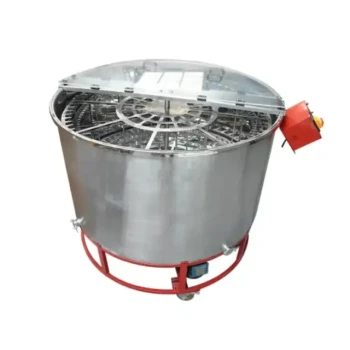
- Electric 8 Frame Honey Spinner Extractor Equipment for Beekeeping
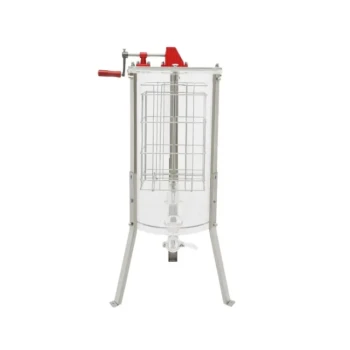
- HONESTBEE 2 Frame Manual Acrylic Honey Extractor Beekeeping Equipment
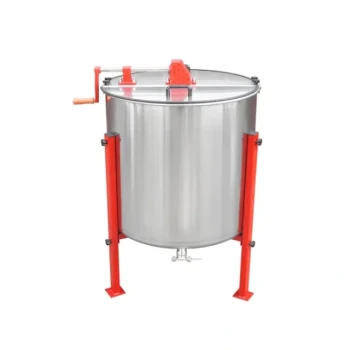
- 6 Frame Manual Stainless Steel Honey Extractor Beekeeping Equipment
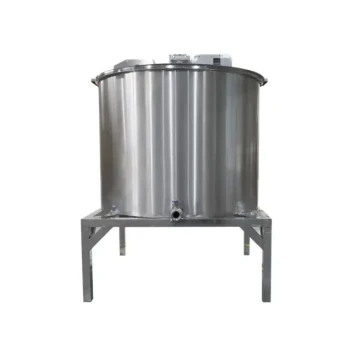
- HONESTBEE 72 Frame Industrial Electric Honey Extractor for Beekeeping
- 32 Frame Commercial Electric Honey Extractor for Beekeeping and Honey Production
People Also Ask
- What are the advantages of an electric honey extractor? Boost Efficiency and Scale Your Honey Production
- What are the characteristics of electric honey extractors? Boost Your Apiary Efficiency with Automated Technology
- What are the disadvantages of using an electric honey extractor? Weighing Cost, Power, and Comb Safety
- What are the features of an electric honey extractor? Boost Your Apiary's Productivity with Motorized Efficiency
- What are the technical advantages of electric honey extractors? Maximize Yield and Protect Your Bee Colony