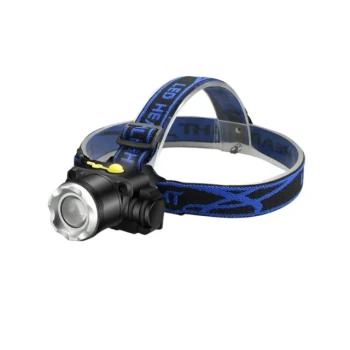
Bees possess a unique visual spectrum that renders them effectively blind to red wavelengths. Consequently, a red-light flashlight allows you to illuminate your workspace and handle hives during nighttime operations without triggering the colony's defense mechanisms. This specific tool is critical for maintaining a docile environment, preventing the agitation and swarming behavior that standard white light would instantly provoke.
By exploiting the natural limitations of honeybee vision, red-light technology grants the operator full visibility while the colony remains undisturbed, ensuring a safe transport process that keeps the hive intact and the beekeeper sting-free.
The Mechanics of Bee Vision and Safety
Sensitivity to Light Spectra
Honeybees perceive light differently than humans do. Their eyes are highly sensitive to ultraviolet, blue, and green light, but they are significantly less sensitive to the red light spectrum.
When you shine a standard white flashlight on a hive, the bees perceive it as daylight or a threat, causing immediate activity.
Preventing the Defense Response
Using a red-light flashlight effectively "hides" the light source from the bees. To them, the environment remains dark and undisturbed.
This prevents the colony from breaking their cluster or flying toward the light source, which is a common and dangerous reaction to white light during nighttime handling.
Operational Efficiency During Transport
Capturing the Full Workforce
The primary reason for nighttime transportation is to ensure all foragers have returned to the hive for the evening. Moving a hive during the day leaves valuable field bees behind.
Red light allows you to verify that the entrance is clear and the foragers are inside without causing them to pour out of the entrance in defense.
Minimizing Operator Risk
Moving heavy hives requires precision and steady footing. You need light to see obstacles, secure straps, and load vehicles safely.
A red-light flashlight provides this essential visibility for the operator while maintaining the colony's "sleep" state. This significantly reduces the likelihood of stings, allowing for quiet and efficient work.
Understanding the Trade-offs
Color Perception and Detail
While red light is safer for the bees, it drastically alters color rendering for the human eye.
Differentiating between objects of similar dark shades can be difficult under red illumination. You must rely more on contrast and shape than on color cues when navigating your path.
Vibration Sensitivity
It is crucial to remember that red light only solves the visual disturbance problem. Bees remain highly sensitive to vibration and physical shock.
Even under red light, dropping a corner of the hive or jarring the vehicle will wake the colony. The light is a tool for visual stealth, not a shield against poor handling.
Making the Right Choice for Your Goal
To ensure a successful transport, align your lighting choice with your operational priorities:
- If your primary focus is safety and sting prevention: Rely strictly on red-light sources for all close-proximity work to keep the colony in a non-defensive, resting state.
- If your primary focus is efficient loading: Use red light to secure the hives, but scout your walking path beforehand during the day to mitigate the reduced depth perception caused by red illumination.
Mastering light discipline is the single most effective way to turn a chaotic night move into a calm, controlled logistical operation.
Summary Table:
| Feature | Standard White Light | Red-Light Flashlight |
|---|---|---|
| Bee Visibility | Highly Visible (Perceived as Day) | Effectively Invisible |
| Colony Reaction | Agitation & Defensive Swarming | Calm & Undisturbed |
| Operator Benefit | Clear Visibility | Safe Visibility & Reduced Stings |
| Best Use Case | Day Scouting | Night Loading & Transport |
| Primary Risk | High Risk of Stings | Reduced Depth Perception |
Maximize Your Apiary Productivity with HONESTBEE
Moving colonies at night demands the right tools for safety and efficiency. At HONESTBEE, we specialize in supporting commercial apiaries and distributors with high-performance beekeeping solutions. From specialized red-light visibility tools to advanced honey-filling machines and durable hive-making hardware, our comprehensive wholesale inventory is designed to scale your operations.
Ready to upgrade your beekeeping equipment and streamline your distribution?
Contact us today to explore our full spectrum of tools and machinery — let HONESTBEE be your partner in industrial beekeeping excellence.
References
- Mary Bammer, Amy T. Vu. Best Management Practices for Live Bee Removals in Florida: A Beekeeper’s Guide. DOI: 10.32473/edis-in1297-2020
This article is also based on technical information from HonestBee Knowledge Base .
Related Products
People Also Ask
- What are the advantages of using red light sources for African honey bees? Enhance Safety and Colony Health
- What are the main products obtained from beekeeping? Honey, Beeswax, and Vital Pollination Services
- What is the primary function of a cylinder-shaped wood mold? Essential Tools for Quality Queen Rearing
- How can beekeeping supplies and accessories enhance the hobby? Essential Tools for Safe & Rewarding Beekeeping
- What can happen if bees are fed too late in the autumn? Avoid Winter Hive Loss and Fermentation