Hive boxes are essential for beekeeping, providing a safe and organized environment for bees to thrive. Our selection includes Plastic Insulated Bee Hive Boxes, made from durable, food-grade HDPE, ideal for temperature regulation and easy management. For beginners, the Honey Flow Garden Bee Hive offers Autoflow Technology for effortless honey extraction. The Langstroth Bee Hives are perfect for both novice and commercial beekeepers, with customizable options available. Additionally, our Langstroth Honey Bee Box features a modular design for brood and honey storage, crafted from durable Fir/Pine wood.
Toggle Categories
Get Instant Support
Choose your preferred way to connect with our team
-
Get Free Quote Fill out form for detailed pricing
-
Send Email Detailed inquiry support
-
WhatsApp Quick mobile chat
Response Time
Within 8 hours on working days, 24 hours on holidays
hive box

Professional Insulated Plastic Bee Hives
Item Number: LBH-8

Langstroth Honey Bee Box Hive Boxes for Different Depths
Item Number: BHB-1

High-Performance Langstroth Bee Hives for Global Professional Beekeeping
Item Number: LBH-1

Premium Comfort Grip Spring-Loaded Hive Handles
Item Number: BHH-3
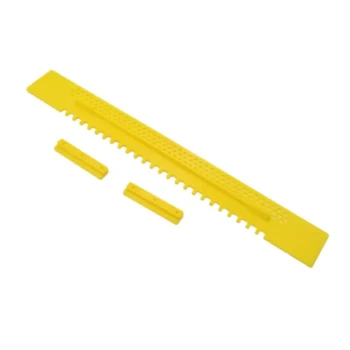
Professional Reversible Beehive Hive Entrance
Item Number: E-9

Professional Honey Uncapping Roller for Efficient Harvesting
Item Number: UCR-2

Ergonomic Plastic Frame Spacer Tool for Rapid Hive Management Beekeeping
Item Number: FS-8
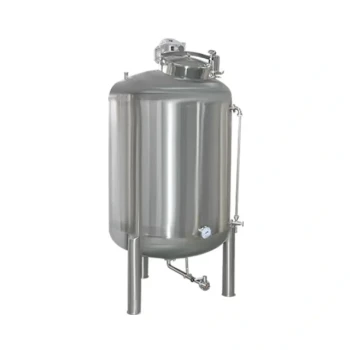
Professional Honey Storage Tank with Agitation System
Item Number: HST1000
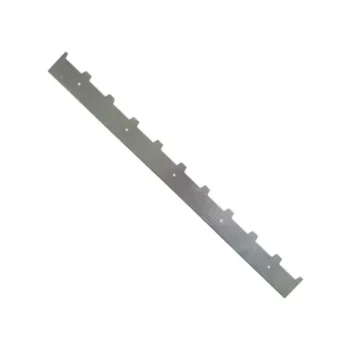
Professional Castellated Iron Frame Spacer for Multiple Hive Types
Item Number: FS-1
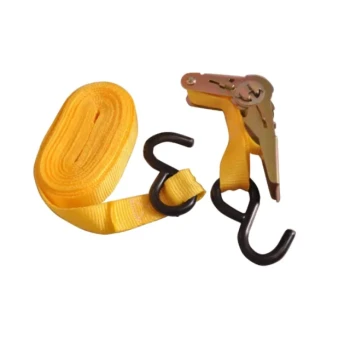
Versatile Ratchet Hive Strap with S-Hooks for Secure Fastening
Item Number: BHS-3

High-Efficiency Pneumatic Bee Hive Making Machine for Rapid Box Assembly
Item Number: BHAM-1

Automatic High-Speed Bee Hive Box Stapling Machine
Item Number: BHSM-1
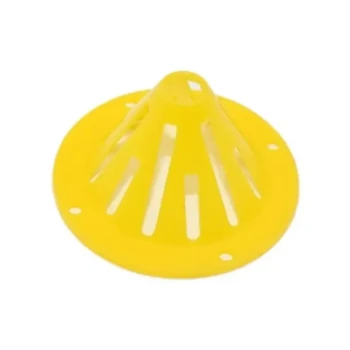
Slatted Porter Style Bee Escape for Rapid Hive Clearing
Item Number: BE-6
Comprehensive Guide to Hive Boxes
Hive boxes are fundamental to successful beekeeping, offering a structured environment that supports bee health and productivity. Our range of hive boxes caters to various needs, from beginners to seasoned professionals, ensuring that every beekeeper finds the perfect fit for their apiary.
Types of Hive Boxes
-
Plastic Insulated Bee Hive Boxes: Crafted from high-quality, food-grade HDPE, these boxes are designed to maintain optimal hive temperatures, enhancing bee productivity. The insulation properties help in regulating the internal climate, making it easier for beekeepers to manage their hives efficiently.
-
Honey Flow Garden Bee Hive: This innovative hive is equipped with Autoflow Technology, allowing for seamless honey extraction without disturbing the bees. It’s an excellent choice for beginners, offering a durable and eco-friendly design that simplifies the beekeeping process.
-
Langstroth Bee Hives: Known for their durability and user-friendly design, Langstroth hives are a favorite among both novice and commercial beekeepers. They come with customizable options, allowing beekeepers to tailor the hive to their specific needs.
-
Langstroth Honey Bee Box: These modular boxes are essential for modern beekeeping, providing ample space for brood and honey storage. Made from durable Fir/Pine wood, they are built to withstand the rigors of beekeeping while offering flexibility in hive management.
Features and Benefits
- Durability: Our hive boxes are constructed from high-quality materials, ensuring long-lasting use even in challenging environments.
- Efficiency: Designed with beekeepers in mind, our hives facilitate easy management and maintenance, saving time and effort.
- Customization: Many of our hive boxes offer customizable options, allowing beekeepers to adapt the hive to their specific requirements.
- Eco-Friendly: We prioritize sustainability, using materials and designs that minimize environmental impact.
Why Choose Our Hive Boxes?
Our hive boxes are the result of years of research and development, combining traditional beekeeping practices with modern innovations. We understand the needs of beekeepers and strive to provide products that enhance both bee health and honey production. Whether you’re just starting out or looking to expand your apiary, our hive boxes offer the perfect solution.
Professional and Customizable Services
We pride ourselves on offering professional services tailored to your beekeeping needs. Our team is always ready to assist you in selecting the right hive boxes and customizing them to fit your specific requirements. Contact us today to learn more about our products and how we can help you achieve your beekeeping goals. Leave us a message to get started!
FAQ
What Are The Common Uses Of A Hive Box?
A hive box is commonly used for scraping propolis and burr comb off the hive, prying apart boxes (supers) joined by wax or propolis, scraping debris off the hive’s floorboards, cleaning honey and beeswax off frames during extraction, levering open covers glued shut with propolis, banging loose nails into wood, loosening frames that are attached, opening bee packages and nucs, scraping out bee stingers without releasing venom, opening a bee smoker that’s jammed shut, and separating vertical hive components.
What Are The Features Of A Hive Box?
A regular hive tool is essentially a smaller, flatter version of a crowbar. It has a long end for leverage and a smaller curved edge for prying in tight spaces. It typically costs between $8-15. A hive tool focuses on the essentials and has everything you need to do a complete hive inspection.
What Types Of Hive Boxes Are Available?
There are several types of hive boxes available, including Plastic Insulated Bee Hive Boxes, Honey Flow Garden Bee Hive, Langstroth Bee Hives, and Langstroth Honey Bee Box Hive Boxes. Each type is designed for specific beekeeping needs and offers unique features such as temperature regulation, easy honey extraction, and customizable options.
What Are The Advantages Of Using A Hive Box?
The advantages of using a hive box include enhanced hive productivity through efficient temperature regulation, easy management, durable design, and eco-friendly materials. Hive boxes are ideal for both novice and professional beekeepers, offering features that simplify beekeeping tasks and improve overall hive health.
REQUEST A QUOTE
Our professional team will reply to you within one business day. Please feel free to contact us!
Related Articles
How Styrofoam Beehives Transform Overwintering Success: Science & Practical Insights
Discover how Styrofoam beehives improve winter survival rates with superior insulation, reducing honey consumption and condensation risks.
Read more
How Entrance Reducers Protect Beehives Through Seasonal Extremes
Learn how entrance reducers protect beehives from winter condensation and spring robbing, optimizing hive health and honey yields year-round.
Read more
How to Choose the Right Beehive Foundation for Your Beekeeping Goals
Learn how to choose the best beehive foundation for honey yield, sustainability, or cost-efficiency. Compare beeswax, plastic, and hybrid options.
Read more
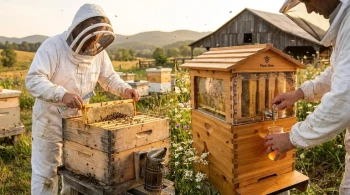
Flow Hive vs. Langstroth: Choosing the Right Hive for Your Beekeeping Goals
Compare Flow Hive vs. Langstroth beehives: efficiency, cost, and maintenance differences to choose the best system for your beekeeping goals.
Read more
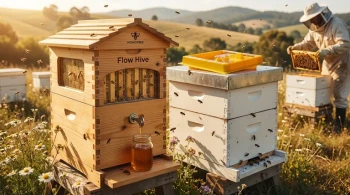
Flow vs. Langstroth Hives: Balancing Bee Welfare, Cost, and Productivity
Compare Flow vs. Langstroth hives for bee welfare, cost, and productivity. Choose the best beekeeping system for your needs.
Read more
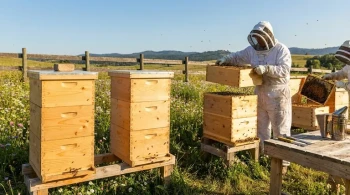
How to Choose Langstroth Hive Box Sizes for Ergonomics, Efficiency, and Bee Health
Learn how to choose Langstroth hive box sizes for ergonomics, efficiency, and bee health. Compare deep, medium, and shallow boxes for optimal beekeeping.
Read more
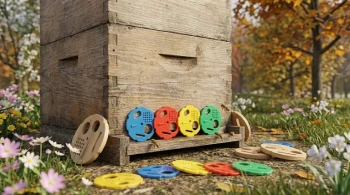
Mastering Entrance Reducers: Seasonal Strategies for Hive Defense and Health
Learn seasonal strategies for using entrance reducers to protect hives from pests, regulate temperature, and improve colony health.
Read more
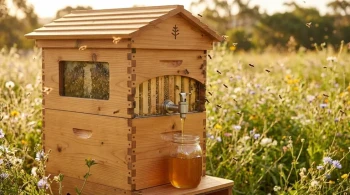
How Flow Hives Revolutionize Honey Harvesting: Saving Time and Protecting Bees
Flow Hives revolutionize honey harvesting with 80% less labor, intact combs, and faster recovery—ideal for commercial beekeepers.
Read more
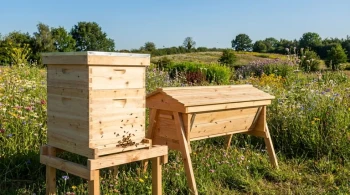
How to Choose Between Langstroth and Top Bar Hives for Your Beekeeping Goals
Compare Langstroth vs. Top Bar beehives for honey production, sustainability & ease of use. Choose the best hive for your beekeeping goals.
Read more
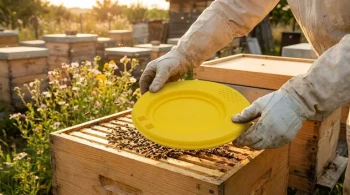
How to Use Escape Boards for Stress-Free Honey Harvesting: A Beekeeper's Guide
Learn how escape boards streamline honey harvesting with 90% bee clearance, protecting colonies and boosting efficiency in modern beekeeping.
Read more
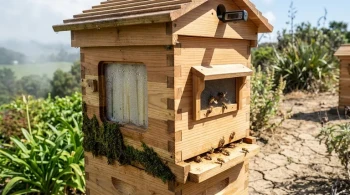
How to Optimize Flow Hive Ventilation for Healthier Colonies in Any Climate
Optimize Flow Hive ventilation for healthier bees in any climate. Learn climate-specific techniques to boost honey production and colony health.
Read more
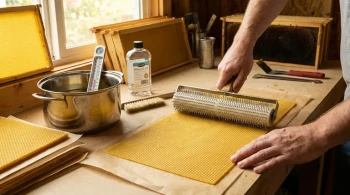
How to Craft Durable Wax Foundations Using Manual Rollers: A Beekeeper's Guide
Learn expert techniques for crafting durable wax foundations using manual rollers—temperature control, rolling best practices, and troubleshooting tips for beekeepers.
Read more
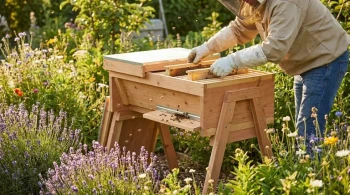
How Top Bar Hives Naturally Boost Bee Health and Simplify Beekeeping
Top bar hives promote natural bee health with comb freedom, thermal efficiency & sustainable harvesting. Ideal for low-maintenance backyard beekeeping.
Read more
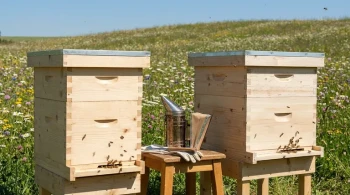
How to Choose Between 8-Frame and 10-Frame Langstroth Boxes for Optimal Beekeeping
Compare 8-frame vs. 10-frame Langstroth boxes for beekeeping: weight, yield, and urban vs. commercial needs. Optimize your hive setup.
Read more
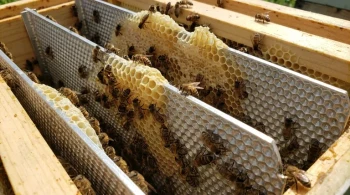
How Precision-Textured Aluminium Castings Boost Hive Productivity by Mimicking Nature
Precision-textured aluminium castings mimic bee cell geometry, boosting hive productivity by 15-25% with durable, energy-efficient foundations.
Read more
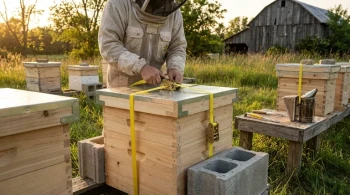
How to Strengthen Langstroth Hive Roofs Against Storms Without Compromising Functionality
Learn how to reinforce Langstroth hive roofs for storm protection while maintaining ventilation and moisture control for colony health.
Read more
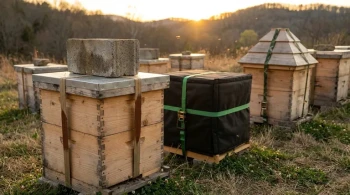
How to Secure Beehive Covers: Weatherproof Strategies for Every Hive Type
Learn weatherproof strategies to secure beehive covers for all hive types, ensuring colony protection from predators and harsh elements.
Read more
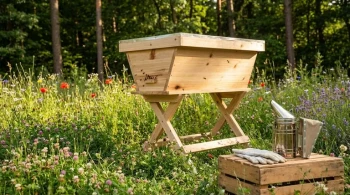
How Top Bar Hives Simplify Natural Beekeeping for Hobbyists
Top bar hives simplify natural beekeeping for hobbyists with cost-efficiency, healthier colonies, and low-maintenance care.
Read more
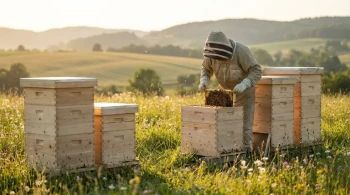
How Langstroth Hives Solve Universal Beekeeping Challenges Through Smart Design
Discover how Langstroth hives' smart design solves beekeeping challenges with standardized, adaptable components for urban and commercial beekeepers.
Read more
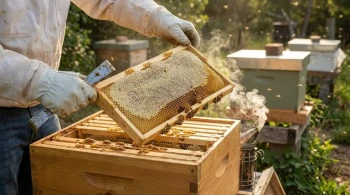
How to Prolong Flow Hive Lifespan: A Beekeeper’s Guide to Smart Frame Maintenance
Learn expert tips to extend your Flow Hive lifespan with smart frame maintenance, seasonal checks, and cost-effective repairs for beekeepers.
Read more