Top bar hives are ideal for both hobbyist and commercial beekeepers seeking a sustainable and eco-friendly approach to beekeeping. Our selection includes the Kenya Top Bar Hive, known for its durability and ability to support healthy bee colonies, and the Long Langstroth Style Horizontal Top Bar Hive, perfect for those looking for customizable sizes and high honey yields. These hives mimic natural bee habitats, promoting healthier bees and more sustainable honey production.
Toggle Categories
Get Instant Support
Choose your preferred way to connect with our team
-
Get Free Quote Fill out form for detailed pricing
-
Send Email Detailed inquiry support
-
WhatsApp Quick mobile chat
Response Time
Within 8 hours on working days, 24 hours on holidays
top bar hive

Top Bar Beehive for Beekeeping Wholesales Kenya Top Bar Hive
Item Number: LBH-4

Long Langstroth Style Horizontal Top Bar Hive for Wholesale
Item Number: LBH-5
Why Choose Our Top Bar Hives?
Top bar hives are a revolutionary approach to beekeeping, designed to mimic the natural environment of bees while providing beekeepers with a more manageable and less invasive system. Here’s why our top bar hives stand out:
Natural Comb Building
Our top bar hives allow bees to build their comb naturally, hanging from wooden bars. This design promotes healthier bee colonies by enabling bees to create comb in their preferred shapes and sizes. Unlike traditional hives that use pre-formed foundations, our top bar hives encourage bees to follow their natural instincts, resulting in stronger and more resilient colonies.
Eco-Friendly and Sustainable
Sustainability is at the core of our top bar hive designs. Made from durable Fir wood, our hives are built to last, reducing the need for frequent replacements. The sloped sides of the hive prevent bees from attaching comb to the bottom, making it easier to manage and inspect the hive without disturbing the bees. This eco-friendly approach not only benefits the environment but also supports sustainable honey production practices.
Minimal Bee Disturbance
One of the key advantages of our top bar hives is the minimal disturbance to the bees during inspections. The design allows beekeepers to remove individual bars for inspection without disrupting the entire hive. This less invasive approach helps maintain the bees' natural behavior and reduces stress, leading to healthier and more productive colonies.
Comfortable and Easy to Manage
Our top bar hives are designed with the beekeeper in mind. The hives are elevated to waist height, eliminating the need for heavy lifting and making inspections more comfortable. The lids can be flat or gabled for optimal ventilation, and many designs include a starter strip to guide bees in building their comb from the top down. This thoughtful design ensures that managing your hive is as easy and efficient as possible.
Customizable Options
We understand that every beekeeper has unique needs. That’s why we offer customizable sizes and designs to fit your specific requirements. Whether you’re a hobbyist or a commercial beekeeper, our top bar hives can be tailored to meet your needs, ensuring you get the most out of your beekeeping experience.
Cost-Effective Solution
Compared to traditional vertical modular hives, our top bar hives are a more cost-effective solution. They require fewer parts and are generally less expensive, making them an ideal choice for beekeepers looking to minimize costs without compromising on quality. Additionally, the durability of our hives means you’ll save money in the long run by reducing the need for frequent replacements.
Professional and Customizable Services
At our core, we are committed to providing professional and customizable services to meet your beekeeping needs. Whether you’re looking for a specific design or need advice on the best hive for your situation, our team of experts is here to help. We pride ourselves on our ability to deliver high-quality products and exceptional customer service.
Join the Sustainable Beekeeping Movement
By choosing our top bar hives, you’re not just investing in a product; you’re joining a movement towards more sustainable and eco-friendly beekeeping practices. Our hives are designed to support the health and well-being of your bees while making your beekeeping experience more enjoyable and efficient.
Ready to take the next step in your beekeeping journey? Contact us today to learn more about our top bar hives and how we can help you achieve your beekeeping goals. Our team is here to answer any questions and provide the support you need to get started. Let’s work together to create a healthier, more sustainable future for bees and beekeepers alike.
FAQ
What Is The Principle Of A Top Bar Hive?
A top bar hive typically consists of four legs, a box, and a top. The top protects the hive from rain and wind, while the box contains bars of comb suspended from a frame. Each bar can be removed individually for inspection. The hive is elevated to waist height, and many designs include a starter strip to help bees build their comb from the top down, similar to how they would in the wild. In the top-bar hive system, simple box hives are built with wooden slats (bars) laid across the top. Bees attach their wax comb to these bars.
What Are The Advantages Of A Top Bar Hive?
The advantages of a top bar hive include no heavy lifting, as the hive does not grow taller or shorter, and it can be placed at a comfortable height. It is also less invasive for the bees, as inspections involve removing only a few bars at a time, leaving most of the 'roof' intact. This design also promotes natural beekeeping practices, as it does not use foundations, queen excluders, or drone frames. Top bar hives are easier to manage and typically cost less than vertical modular hives, which require more parts and are more expensive.
What Are The Applications Of A Top Bar Hive?
Early uses of top bar hives include the Greeks using them in terra cotta pots before the invention of fixed frames. Top bar hives lack full framing of comb and have top bars that fit tightly within a protective cover. The frames have a leading edge on their interior side to encourage bees to build parallel combs aligned with the top bar orientation. However, cross combing can occur, making inspection difficult without extensive cutting of comb. This hive is a longitudinal design and is popular among backyard beekeepers who prefer minimal interaction with their bees.
What Are The Main Features Of A Top Bar Hive?
Top bar hives are a type of horizontal hive that uses wooden bars instead of frames. Bees build naturally shaped comb that hangs from the top bars. Beekeepers must manage the comb to prevent cross-comb building, which can make it difficult to lift the comb out of the hive. Top bar hives have sloped sides to prevent bees from attaching comb to the bottom, though they may attach to the sides. The lids can be flat or gabled for ventilation, and a well-designed TBH allows the lid to be lifted without complete removal.
REQUEST A QUOTE
Our professional team will reply to you within one business day. Please feel free to contact us!
Related Articles
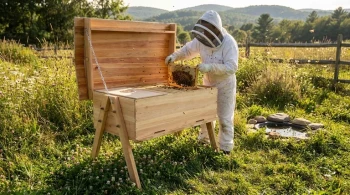
Why Horizontal Top-Bar Hives Outperform Traditional Methods for Sustainable Beekeeping
Discover why Horizontal Top-Bar Hives (HTBHs) simplify beekeeping with ergonomic design, natural comb building, and cost savings over traditional hives.
Read more
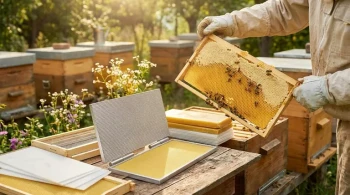
How to Choose the Right Beehive Foundation for Healthier Bees and Better Honey
Learn how to choose the best beehive foundation for healthier bees and better honey production. Compare materials, installation tips, and real-world case studies.
Read more
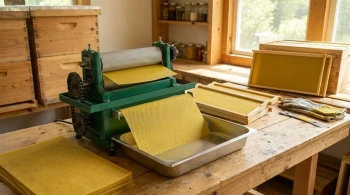
How to Choose the Right Beehive Foundation for Your Beekeeping Goals
Learn how to choose the best beehive foundation for honey yield, sustainability, or cost-efficiency. Compare beeswax, plastic, and hybrid options.
Read more
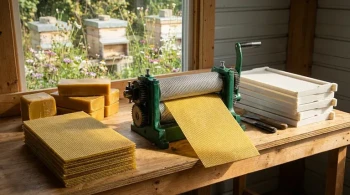
Beeswax vs. Plastic Foundations: Choosing the Sustainable Option for Thriving Apiaries
Compare beeswax vs. plastic hive foundations for colony health, sustainability, and cost efficiency in beekeeping. Make the right choice for your apiary.
Read more
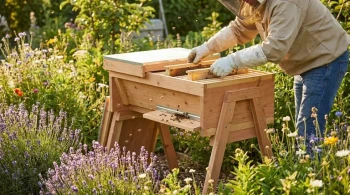
How Top Bar Hives Naturally Boost Bee Health and Simplify Beekeeping
Top bar hives promote natural bee health with comb freedom, thermal efficiency & sustainable harvesting. Ideal for low-maintenance backyard beekeeping.
Read more
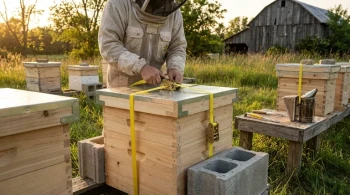
How to Strengthen Langstroth Hive Roofs Against Storms Without Compromising Functionality
Learn how to reinforce Langstroth hive roofs for storm protection while maintaining ventilation and moisture control for colony health.
Read more
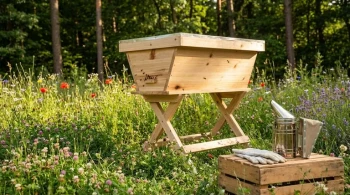
How Top Bar Hives Simplify Natural Beekeeping for Hobbyists
Top bar hives simplify natural beekeeping for hobbyists with cost-efficiency, healthier colonies, and low-maintenance care.
Read more
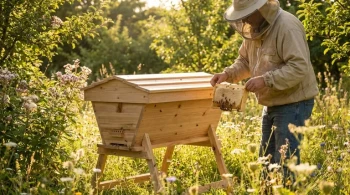
How Top Bar Beehives Naturally Reduce Pest Risks and Simplify Beekeeping
Discover how Top Bar Hives naturally reduce pests, simplify beekeeping, and promote hive health with sustainable, low-maintenance designs.
Read more
How Langstroth Hives Solve Universal Beekeeping Challenges Through Smart Design
Discover how Langstroth hives' smart design solves beekeeping challenges with standardized, adaptable components for urban and commercial beekeepers.
Read more
How the Langstroth Hive Solves Modern Beekeeping’s Biggest Challenges
Discover how the Langstroth hive tackles modern beekeeping challenges with pest control, efficiency, and high honey yields.
Read more
How Langstroth Hives Outperform Other Designs for Commercial Honey Production
Langstroth hives boost commercial honey yields by 40–100% with modular frames, swarm control, and efficient harvesting. Ideal for high-volume beekeeping.
Read more
Flow Hive vs. Langstroth: When Does the Premium Price Deliver Real Savings?
Flow Hive vs. Langstroth: Cost analysis reveals when premium beekeeping systems deliver savings for hobbyists vs. commercial operations.
Read more
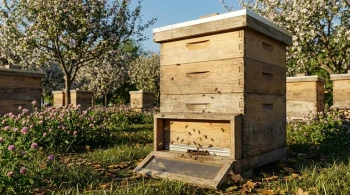
How Langstroth Hive Design Optimizes Bee Colony Growth and Honey Production
Learn how Langstroth hive design boosts bee colony growth, prevents swarming, and maximizes honey production through modular scalability.
Read more
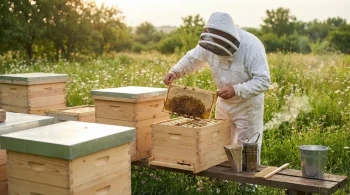
Bee-Friendly Honey Harvesting: Maximizing Yield While Safeguarding Your Langstroth Hive
Learn bee-friendly honey harvesting techniques for Langstroth hives—maximize yield while safeguarding colony health with expert-approved methods.
Read more
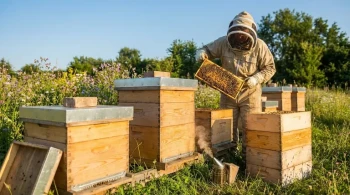
Mastering Seasonal Langstroth Hive Management: Timelines, Techniques, and Troubleshooting
Optimize Langstroth hive productivity year-round with seasonal management tips for brood boxes, honey supers, and swarm prevention.
Read more
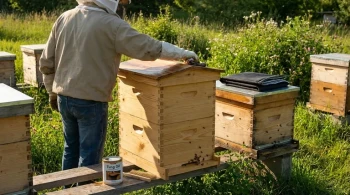
How to Protect Hive Roofs Sustainably: Tung Oil Techniques and Maintenance Strategies
Learn sustainable hive roof protection using tung oil—non-toxic, durable, and bee-safe. Tips for installation, maintenance, and warping prevention.
Read more
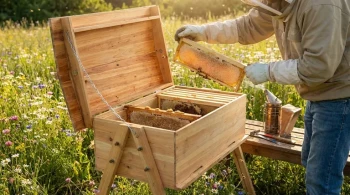
How to Optimize Honey Storage in Top Bar Hives for Healthier Colonies
Learn how to optimize honey storage in top bar hives for healthier bee colonies with strategic comb placement and seasonal adjustments.
Read more
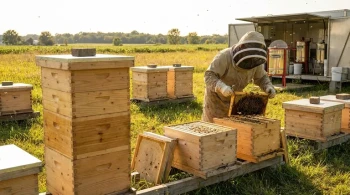
How the Langstroth Hive Solves Beekeeping Challenges for Hobbyists and Professionals
Discover how the Langstroth hive enhances beekeeping efficiency for hobbyists and professionals with its scalable, standardized design.
Read more
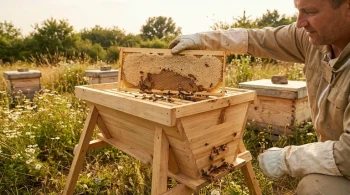
Beyond Pest Control: The Operational Logic of the Kenyan Top-Bar Hive
The Kenyan top-bar hive is more than a box; its design is a system that simplifies labor, reduces colony stress, and boosts apiary resilience.
Read more
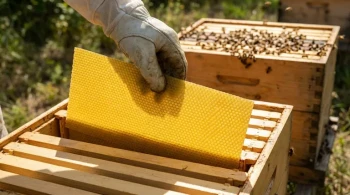
The Simple Blueprint: How Hive Foundation Prevents System Collapse
Hive foundation is more than a starter sheet; it's a strategic tool that channels bee instinct to prevent costly cross comb and enable apiary management.
Read more