Hive tools are indispensable for beekeepers, designed to assist in various tasks such as lifting frames, scraping wax, and prying hive boxes. Our collection includes a range of durable stainless steel hive tools, ergonomic bee brushes, and efficient bee smokers. These tools are essential for maintaining hive health and ensuring smooth inspections. Whether you're a hobbyist or a professional, our hive tools are crafted to meet your beekeeping needs.
Toggle Categories
Get Instant Support
Choose your preferred way to connect with our team
-
Get Free Quote Fill out form for detailed pricing
-
Send Email Detailed inquiry support
-
WhatsApp Quick mobile chat
Response Time
Within 8 hours on working days, 24 hours on holidays
hive tool beekeeping



Long Langstroth Style Horizontal Top Bar Hive for Wholesale
Item Number: LBH-5

Professional Hive Top Bee Feeder for Beekeeping
Item Number: BF-18

Plastic Honey Gate Spout with Wing Nut for Beekeeping Honey Bucket
Item Number: HG-1
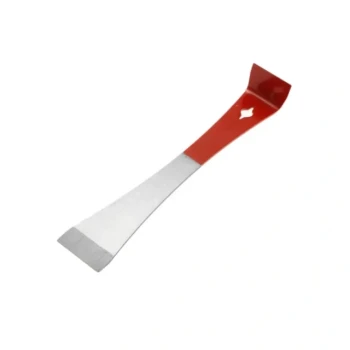
Professional Steel Pry-Bar Hive Tool with Painted Grip
Item Number: HT-6
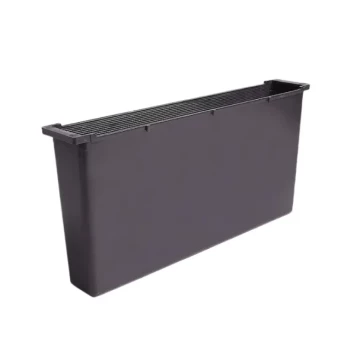
Professional In-Hive Bee Feeder HONESTBEE Frame for Beekeeping
Item Number: BF-8

Professional Multi-Function Stainless Steel Hive Tool
Item Number: HT-9

HONESTBEE Wooden Bee Escape Board with Triangle Mesh Design for Beekeeping
Item Number: BE-11


Plastic Bee Hive Stand for Beekeeping
Item Number: BHY-1

Nicot Queen Rearing Kit for Beekeeping and Grafting in Nicot System
Item Number: QRK-1


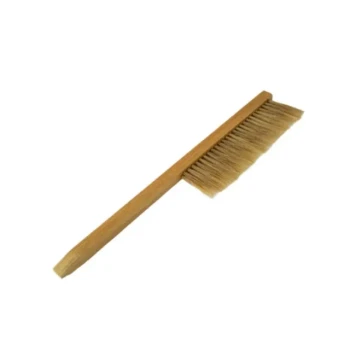
Classic Wooden Bee Brush with Double-Row Boar Bristles
Item Number: BB-6
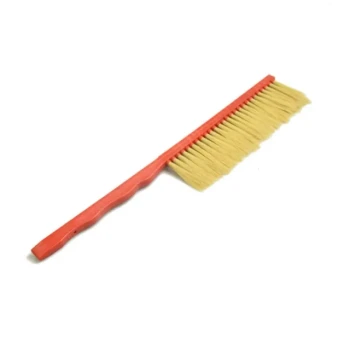
Plastic Handle Single Row Artificial Fiber Bee Brush
Item Number: BB-1

Wholesales Dadant Size Wooden Bee Hives for Beekeeping
Item Number: LBH-3
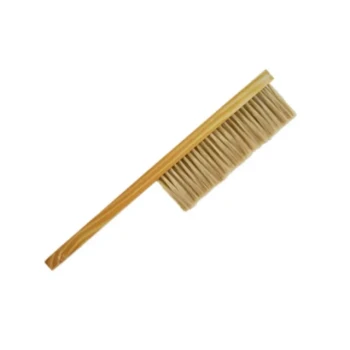
Double Row Artificial Fiber Bee Brush for Beekeeping
Item Number: BB-4
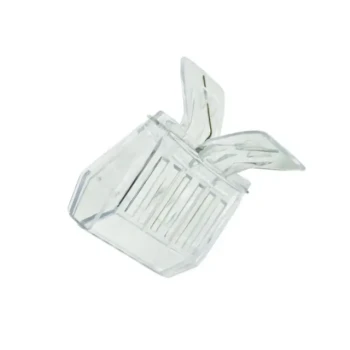
Professional Spring-Action Queen Catcher Clip
Item Number: QC-6

Langstroth Honey Bee Box Hive Boxes for Different Depths
Item Number: BHB-1
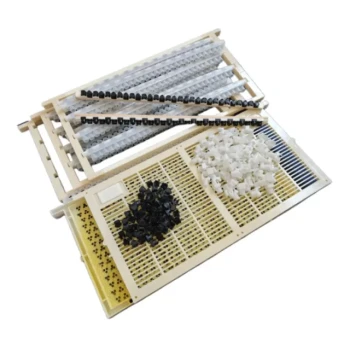

Professional Stainless Steel Pry-Bar Hive Tool
Item Number: HT-2
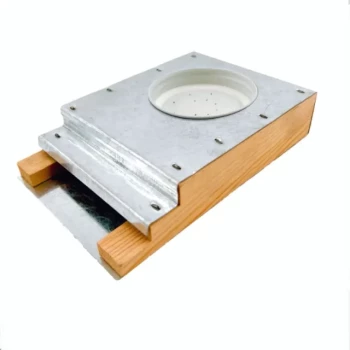
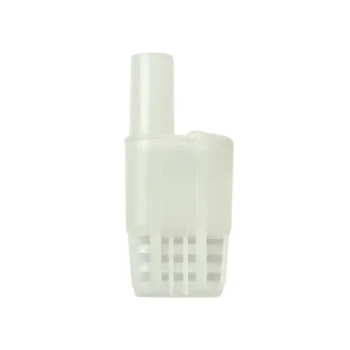
Multi-Function Queen Roller Cage and Catcher
Item Number: QC-13
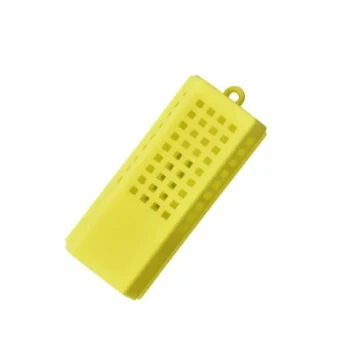
Professional Multi-Compartment Queen Cage with Sliding Lid
Item Number: QC-4


Stainless Steel J Hook Hive Tool for Beekeeping
Item Number: HT-3


Acrylic Lid Beekeeping Honey Extractor for Beekeepers
Item Number: HE-LA

Metal Bee Hive Stand Bee Box Stand for Beekeeping
Item Number: BHY-3
Comprehensive Guide to Hive Tools for Beekeeping
Hive tools are the backbone of any beekeeper's toolkit, designed to handle a multitude of tasks essential for hive maintenance. Our range of hive tools includes stainless steel scrapers, hooks, and brushes, each crafted with precision and durability in mind.
Key Features of Our Hive Tools
-
Stainless Steel Construction: Our hive tools are made from high-quality stainless steel, ensuring they are rust-resistant and long-lasting. This makes them ideal for use in various weather conditions.
-
Ergonomic Design: We understand the importance of comfort during long hours of beekeeping. Our tools are designed with ergonomic handles to reduce hand fatigue and improve grip.
-
Versatility: Each tool is multifunctional. For instance, our J Hook hive tool can be used for lifting frames, scraping wax, and prying hive boxes. This versatility makes them indispensable for beekeepers.
-
Durability: Built to withstand the rigors of beekeeping, our tools are durable and reliable, ensuring they can handle the toughest tasks without breaking or bending.
Applications of Hive Tools
- Frame Lifting and Shifting: Easily lift and shift frames within the hive without disturbing the bees.
- Wax and Propolis Scraping: Remove unwanted wax and propolis to maintain hive cleanliness.
- Hive Box Separation: Pry apart hive boxes glued together with propolis.
- Nail Removal: Safely remove nails or staples from hive components.
Advantages of Using Our Hive Tools
- Enhanced Hive Health: Regular maintenance with our tools ensures your hive remains healthy and productive.
- Efficient Inspections: Our tools make hive inspections quicker and more efficient, reducing stress on both the beekeeper and the bees.
- Cost-Effective: Investing in high-quality tools reduces the need for frequent replacements, saving you money in the long run.
Why Choose Our Hive Tools?
Our hive tools are designed with the beekeeper in mind, offering a perfect blend of functionality, durability, and comfort. Whether you're a seasoned professional or just starting out, our tools will help you maintain your hives with ease and efficiency.
Customizable Options
We understand that every beekeeper has unique needs. That's why we offer customizable options to tailor our tools to your specific requirements. From handle materials to tool sizes, we can create the perfect tool for your beekeeping journey.
Get in Touch
Ready to enhance your beekeeping experience? Contact us today to learn more about our hive tools and how we can assist you in maintaining a healthy and productive hive. Our team of experts is here to provide you with the best solutions tailored to your needs.
Conclusion
Investing in the right hive tools is crucial for successful beekeeping. Our range of high-quality, durable, and versatile tools ensures you have everything you need to maintain your hives effectively. Explore our collection today and take the first step towards a more efficient and rewarding beekeeping experience.
FAQ
What Is A Hive Tool Used For In Beekeeping?
A hive tool is a specialized pry bar used by beekeepers to separate hive parts glued together with propolis by honeybees. It is also used to scrape off unwanted propolis and burr comb. It is essential for inspecting and maintaining the hive.
What Are The Main Features Of A Hive Tool?
A hive tool is a multi-tool used in beekeeping for opening the hive, lifting and shifting frames or other hive parts, scraping away wax and propolis, and prying out or re-setting loose nails or staples. It is made of tempered steel and is typically 20 to 25 cm long, with a flattened end and a bent end for prying frames.
What Is The Principle Behind Using A Hive Tool?
The principle behind using a hive tool is its multipurpose functionality. It is used for scraping unwanted burr comb, prying hive boxes apart, picking up frames, and removing nails. It is considered an essential tool for beekeepers to maintain and inspect hives effectively.
What Are The Advantages Of Using A Hive Tool?
The advantages of using a hive tool include its ability to separate brood and super chambers, loosen frames, scrape hive parts, and remove debris. Made of tempered steel, it is durable and typically 20 to 25 cm long, with a flattened end and a bent end for prying frames, making it an indispensable tool for beekeepers.
Why Is A Hive Tool Essential For Beekeepers?
A hive tool is essential for beekeepers because it allows them to effectively separate hive parts, scrape off propolis and burr comb, and perform routine maintenance tasks. Its multifunctional design makes it a crucial tool for ensuring the health and productivity of the hive.
REQUEST A QUOTE
Our professional team will reply to you within one business day. Please feel free to contact us!
Related Articles
How to Choose the Right Beehive Foundation for Healthier Bees and Better Honey
Learn how to choose the best beehive foundation for healthier bees and better honey production. Compare materials, installation tips, and real-world case studies.
Read more
How Wooden Beehives Naturally Regulate Temperature for Healthier Honeybee Colonies
Discover how wooden beehives naturally regulate temperature for healthier honeybee colonies, improving survival rates and honey production.
Read more
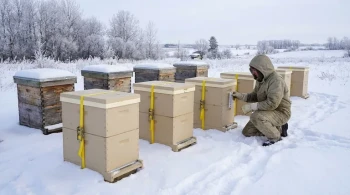
How Styrofoam Beehives Transform Overwintering Success: Science & Practical Insights
Discover how Styrofoam beehives improve winter survival rates with superior insulation, reducing honey consumption and condensation risks.
Read more
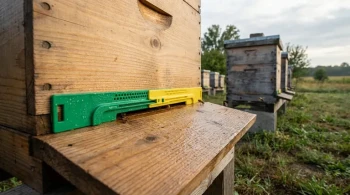
How Entrance Reducers Protect Beehives Through Seasonal Extremes
Learn how entrance reducers protect beehives from winter condensation and spring robbing, optimizing hive health and honey yields year-round.
Read more
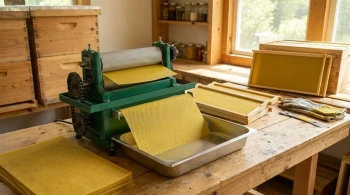
How to Choose the Right Beehive Foundation for Your Beekeeping Goals
Learn how to choose the best beehive foundation for honey yield, sustainability, or cost-efficiency. Compare beeswax, plastic, and hybrid options.
Read more
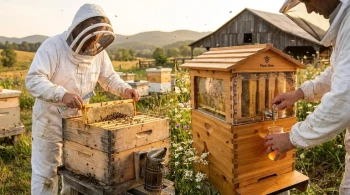
Flow Hive vs. Langstroth: Choosing the Right Hive for Your Beekeeping Goals
Compare Flow Hive vs. Langstroth beehives: efficiency, cost, and maintenance differences to choose the best system for your beekeeping goals.
Read more
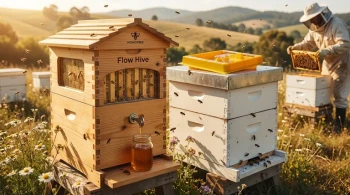
Flow vs. Langstroth Hives: Balancing Bee Welfare, Cost, and Productivity
Compare Flow vs. Langstroth hives for bee welfare, cost, and productivity. Choose the best beekeeping system for your needs.
Read more
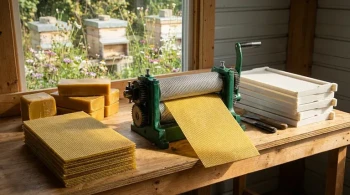
Beeswax vs. Plastic Foundations: Choosing the Sustainable Option for Thriving Apiaries
Compare beeswax vs. plastic hive foundations for colony health, sustainability, and cost efficiency in beekeeping. Make the right choice for your apiary.
Read more
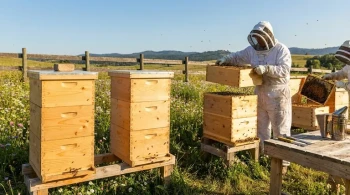
How to Choose Langstroth Hive Box Sizes for Ergonomics, Efficiency, and Bee Health
Learn how to choose Langstroth hive box sizes for ergonomics, efficiency, and bee health. Compare deep, medium, and shallow boxes for optimal beekeeping.
Read more
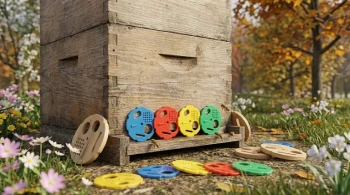
Mastering Entrance Reducers: Seasonal Strategies for Hive Defense and Health
Learn seasonal strategies for using entrance reducers to protect hives from pests, regulate temperature, and improve colony health.
Read more
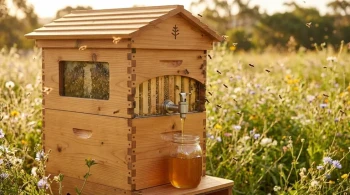
How Flow Hives Revolutionize Honey Harvesting: Saving Time and Protecting Bees
Flow Hives revolutionize honey harvesting with 80% less labor, intact combs, and faster recovery—ideal for commercial beekeepers.
Read more
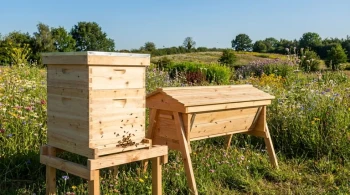
How to Choose Between Langstroth and Top Bar Hives for Your Beekeeping Goals
Compare Langstroth vs. Top Bar beehives for honey production, sustainability & ease of use. Choose the best hive for your beekeeping goals.
Read more
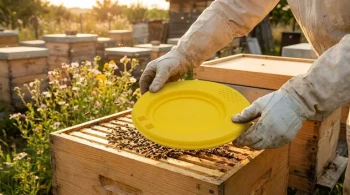
How to Use Escape Boards for Stress-Free Honey Harvesting: A Beekeeper's Guide
Learn how escape boards streamline honey harvesting with 90% bee clearance, protecting colonies and boosting efficiency in modern beekeeping.
Read more
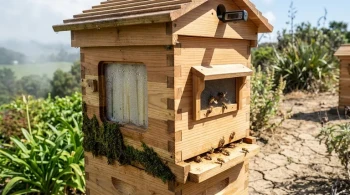
How to Optimize Flow Hive Ventilation for Healthier Colonies in Any Climate
Optimize Flow Hive ventilation for healthier bees in any climate. Learn climate-specific techniques to boost honey production and colony health.
Read more
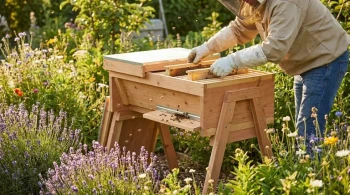
How Top Bar Hives Naturally Boost Bee Health and Simplify Beekeeping
Top bar hives promote natural bee health with comb freedom, thermal efficiency & sustainable harvesting. Ideal for low-maintenance backyard beekeeping.
Read more
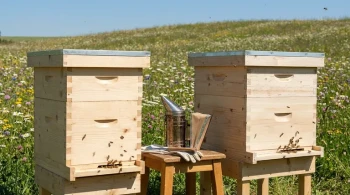
How to Choose Between 8-Frame and 10-Frame Langstroth Boxes for Optimal Beekeeping
Compare 8-frame vs. 10-frame Langstroth boxes for beekeeping: weight, yield, and urban vs. commercial needs. Optimize your hive setup.
Read more
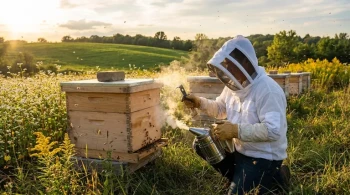
How to Choose Beekeeping Tools: A Practical Guide for Every Budget and Climate
Learn how to choose the best beekeeping tools for your budget and climate, from protective gear to hive management essentials.
Read more
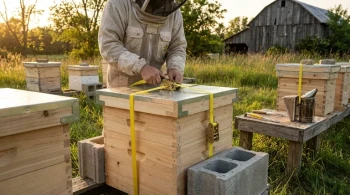
How to Strengthen Langstroth Hive Roofs Against Storms Without Compromising Functionality
Learn how to reinforce Langstroth hive roofs for storm protection while maintaining ventilation and moisture control for colony health.
Read more
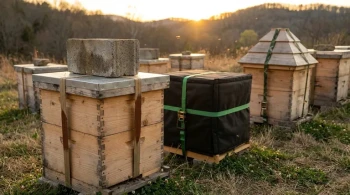
How to Secure Beehive Covers: Weatherproof Strategies for Every Hive Type
Learn weatherproof strategies to secure beehive covers for all hive types, ensuring colony protection from predators and harsh elements.
Read more
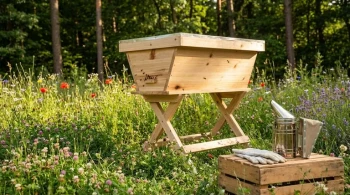
How Top Bar Hives Simplify Natural Beekeeping for Hobbyists
Top bar hives simplify natural beekeeping for hobbyists with cost-efficiency, healthier colonies, and low-maintenance care.
Read more
Hot Tags
hive tool beekeeping
bee hive smoker
honey bee smoker
hive smoker
bee hive supply
langstroth hive
wooden bee hive
top bar hive
bee keeping tools
beekeeping knife
beekeepers tool
hive stand
queen rearing kits
beekeeping nuc box
beekeeping outfit
honey uncapping tool
queen marking tube
queen cage
queen marking pens
bee brush
honey bee box
hive box
uncapping tub
bee gloves
beekeeping queen excluder
bee venom collector