Langstroth hives are widely used in beekeeping for their efficiency and ease of management. They are ideal for both beginners and experienced beekeepers, offering a modular design that supports healthy bee behavior and maximizes honey production. Our range includes the 10 Frame Australian Langstroth Beehive Boxes, perfect for large-scale operations, the Long Langstroth Style Horizontal Top Bar Hive, which mimics natural habitats for eco-friendly practices, and the Langstroth Bee Hives Bee Keeping Box, designed specifically for beginners. Additionally, we offer Wooden Bee Hive Frames that enhance hive productivity and bee health.
Toggle Categories
Get Instant Support
Choose your preferred way to connect with our team
-
Get Free Quote Fill out form for detailed pricing
-
Send Email Detailed inquiry support
-
WhatsApp Quick mobile chat
Response Time
Within 8 hours on working days, 24 hours on holidays
langstroth hive

Australian Langstroth Beehive Boxes for Beekeeping Wholesales
Item Number: LBH-2

High-Performance Langstroth Bee Hives for Global Professional Beekeeping
Item Number: LBH-1

Long Langstroth Style Horizontal Top Bar Hive for Wholesale
Item Number: LBH-5

Wooden Bee Hive Frames for Beekeeping and Wholesale
Item Number: BHF-1

Heavy Duty Stainless Steel Honey Processing Machine Decrystallizing Tank
Item Number: HM-3
Why Choose Langstroth Hives for Your Beekeeping Needs?
Langstroth hives are the cornerstone of modern beekeeping, offering a blend of practicality, durability, and efficiency. Here’s why they are the preferred choice for beekeepers worldwide:
Key Features of Langstroth Hives
- Modular Design: The vertical stack of rectangular boxes allows for easy expansion or reduction of the hive as needed. This flexibility is crucial for managing colony growth and honey production.
- Movable Frames: The frames in Langstroth hives are designed to hang vertically, making it easy to inspect and manipulate the hive without disturbing the bees. This feature is essential for maintaining a healthy colony.
- Standardized Dimensions: All components of a Langstroth hive are standardized, ensuring compatibility and interchangeability. This standardization simplifies hive management and reduces the need for custom parts.
- Durable Materials: Our hives are crafted from high-quality NZ Pine and Fir wood, known for their durability and resistance to weathering. This ensures that your hive will stand the test of time.
How Langstroth Hives Work
The Langstroth hive is designed to support a thriving colony of bees. The hive is divided into different sections: the deep boxes at the bottom house the brood (bee larvae), while the supers on top are used for storing honey. The bees build their comb on the frames, which can be easily removed for inspection or honey extraction.
Advantages of Using Langstroth Hives
- Ease of Management: The modular design and movable frames make it easy to inspect the hive, manage the colony, and harvest honey.
- Healthy Bee Behavior: Proper bee space and movable frames promote natural comb construction and reduce the risk of disease.
- Scalability: You can easily add or remove supers to accommodate the colony’s growth or honey production needs.
- Eco-Friendly: By mimicking natural habitats, Langstroth hives support sustainable beekeeping practices.
Customizable Options
We understand that every beekeeper has unique needs. That’s why we offer customizable options for our Langstroth hives, including different sizes, materials, and configurations. Whether you’re a hobbyist or a commercial beekeeper, we have the perfect hive for you.
Get Started with Langstroth Hives
Ready to take your beekeeping to the next level? Explore our range of Langstroth hives and find the perfect fit for your needs. If you have any questions or need assistance, don’t hesitate to contact us. Our team of experts is here to help you every step of the way.
Why Trust Us?
With years of experience in the beekeeping industry, we pride ourselves on offering high-quality, durable, and customizable Langstroth hives. Our products are designed to meet the needs of beekeepers at all levels, from beginners to professionals. We are committed to supporting sustainable beekeeping practices and helping you achieve your beekeeping goals.
Join the Community
Beekeeping is more than just a hobby; it’s a community. By choosing Langstroth hives, you’re joining a global network of beekeepers who are passionate about promoting pollination and biodiversity. Start your beekeeping journey today and experience the joy of working with these incredible pollinators.
Contact us now to learn more about our Langstroth hives and how we can help you achieve your beekeeping goals.
FAQ
What Are The Applications Of A Langstroth Hive?
Langstroth hives are primarily used for honey production and colony management. Their standardized dimensions and modular design make them ideal for both novice and commercial beekeepers. They promote healthy bee behavior and comb construction through the use of movable frames and proper bee space.
What Are The Key Features Of A Langstroth Hive?
A Langstroth hive features movable frames that hang vertically in the boxes, stacked boxes of various sizes (with bottom boxes for bees and their brood), an inner cover board, and a bottom board with an entrance. It is designed to house the colony’s brood, honey, and other food supplies, with deep boxes at the bottom for brood and supers on top for honeycomb.
What Is The Principle Behind The Langstroth Hive?
The Langstroth hive supports a healthy, thriving hive of pollinators, which benefits nature by promoting pollination and biodiversity. It is designed to hold removable frames, typically made of wood or plastic, which allow for easy inspection and manipulation of the hive. The frames contain a foundation on which the bees build their comb.
What Are The Advantages Of Using A Langstroth Hive?
The advantages of using a Langstroth hive include the ability to quickly expand or downsize the hive by adding a super, the availability of plenty of guides and resources, its popularity in many countries, the ease of mixing and matching equipment, its stable four-sided design, affordability, and the ease of transferring brood and food stores between hives. Additionally, using a beehive stand raises the hive off the ground, preventing moisture and pest intrusion, and making the hive easier to access.
REQUEST A QUOTE
Our professional team will reply to you within one business day. Please feel free to contact us!
Related Articles
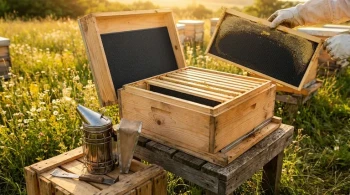
Plastic Foundations in Beekeeping: Balancing Efficiency with Long-Term Sustainability
Explore plastic beekeeping foundations: 40% cost savings, 7-10 year durability, and improved hive efficiency while maintaining colony health.
Read more
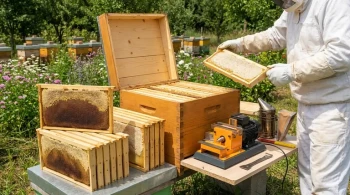
How to Choose Beehive Frame Sizes for Optimal Honey Production and Hive Health
Learn how to choose the right beehive frame sizes for optimal honey production and hive health. Compare deep, medium, and shallow frames.
Read more
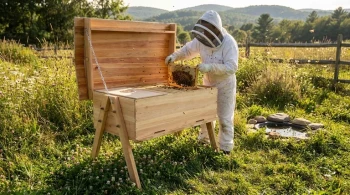
Why Horizontal Top-Bar Hives Outperform Traditional Methods for Sustainable Beekeeping
Discover why Horizontal Top-Bar Hives (HTBHs) simplify beekeeping with ergonomic design, natural comb building, and cost savings over traditional hives.
Read more
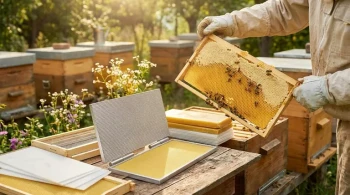
How to Choose the Right Beehive Foundation for Healthier Bees and Better Honey
Learn how to choose the best beehive foundation for healthier bees and better honey production. Compare materials, installation tips, and real-world case studies.
Read more
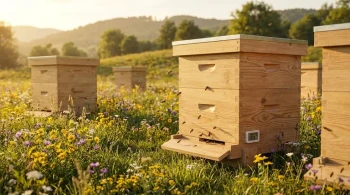
How Wooden Beehives Naturally Regulate Temperature for Healthier Honeybee Colonies
Discover how wooden beehives naturally regulate temperature for healthier honeybee colonies, improving survival rates and honey production.
Read more
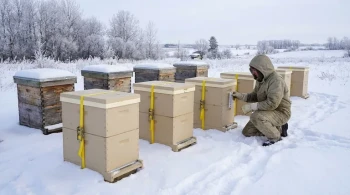
How Styrofoam Beehives Transform Overwintering Success: Science & Practical Insights
Discover how Styrofoam beehives improve winter survival rates with superior insulation, reducing honey consumption and condensation risks.
Read more
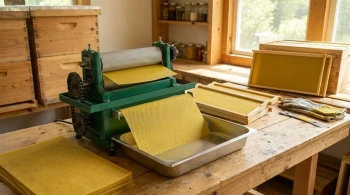
How to Choose the Right Beehive Foundation for Your Beekeeping Goals
Learn how to choose the best beehive foundation for honey yield, sustainability, or cost-efficiency. Compare beeswax, plastic, and hybrid options.
Read more
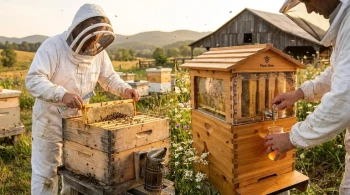
Flow Hive vs. Langstroth: Choosing the Right Hive for Your Beekeeping Goals
Compare Flow Hive vs. Langstroth beehives: efficiency, cost, and maintenance differences to choose the best system for your beekeeping goals.
Read more
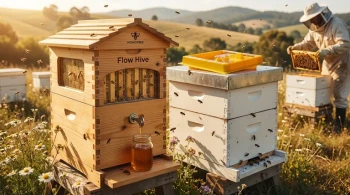
Flow vs. Langstroth Hives: Balancing Bee Welfare, Cost, and Productivity
Compare Flow vs. Langstroth hives for bee welfare, cost, and productivity. Choose the best beekeeping system for your needs.
Read more
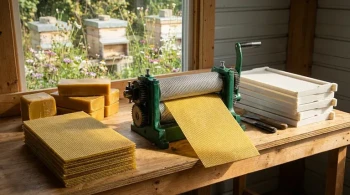
Beeswax vs. Plastic Foundations: Choosing the Sustainable Option for Thriving Apiaries
Compare beeswax vs. plastic hive foundations for colony health, sustainability, and cost efficiency in beekeeping. Make the right choice for your apiary.
Read more
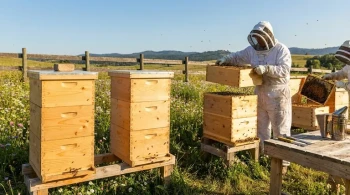
How to Choose Langstroth Hive Box Sizes for Ergonomics, Efficiency, and Bee Health
Learn how to choose Langstroth hive box sizes for ergonomics, efficiency, and bee health. Compare deep, medium, and shallow boxes for optimal beekeeping.
Read more
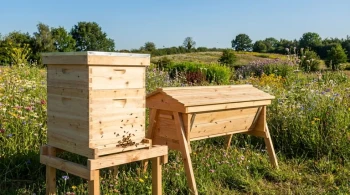
How to Choose Between Langstroth and Top Bar Hives for Your Beekeeping Goals
Compare Langstroth vs. Top Bar beehives for honey production, sustainability & ease of use. Choose the best hive for your beekeeping goals.
Read more
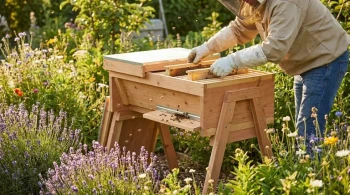
How Top Bar Hives Naturally Boost Bee Health and Simplify Beekeeping
Top bar hives promote natural bee health with comb freedom, thermal efficiency & sustainable harvesting. Ideal for low-maintenance backyard beekeeping.
Read more
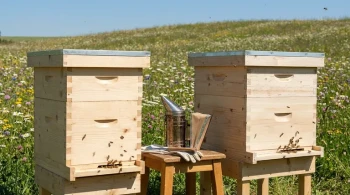
How to Choose Between 8-Frame and 10-Frame Langstroth Boxes for Optimal Beekeeping
Compare 8-frame vs. 10-frame Langstroth boxes for beekeeping: weight, yield, and urban vs. commercial needs. Optimize your hive setup.
Read more
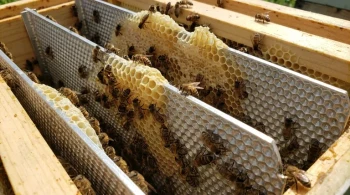
How Precision-Textured Aluminium Castings Boost Hive Productivity by Mimicking Nature
Precision-textured aluminium castings mimic bee cell geometry, boosting hive productivity by 15-25% with durable, energy-efficient foundations.
Read more
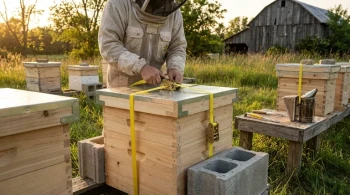
How to Strengthen Langstroth Hive Roofs Against Storms Without Compromising Functionality
Learn how to reinforce Langstroth hive roofs for storm protection while maintaining ventilation and moisture control for colony health.
Read more
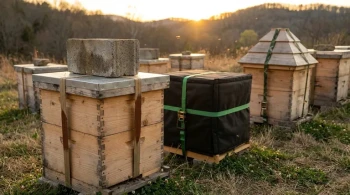
How to Secure Beehive Covers: Weatherproof Strategies for Every Hive Type
Learn weatherproof strategies to secure beehive covers for all hive types, ensuring colony protection from predators and harsh elements.
Read more
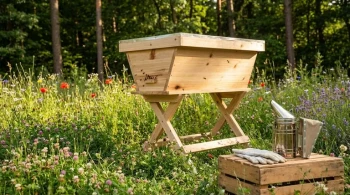
How Top Bar Hives Simplify Natural Beekeeping for Hobbyists
Top bar hives simplify natural beekeeping for hobbyists with cost-efficiency, healthier colonies, and low-maintenance care.
Read more
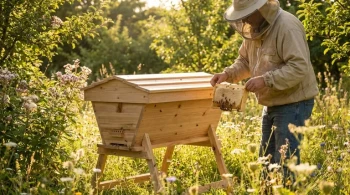
How Top Bar Beehives Naturally Reduce Pest Risks and Simplify Beekeeping
Discover how Top Bar Hives naturally reduce pests, simplify beekeeping, and promote hive health with sustainable, low-maintenance designs.
Read more
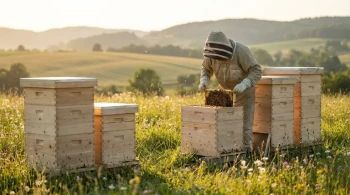
How Langstroth Hives Solve Universal Beekeeping Challenges Through Smart Design
Discover how Langstroth hives' smart design solves beekeeping challenges with standardized, adaptable components for urban and commercial beekeepers.
Read more