Beekeeping requires specialized tools to ensure safety, efficiency, and hive management. Our product category includes essential tools such as the One Hand Yellow Queen Marking Catcher Tube Cage, designed for safe queen bee handling, and Goat Skin Leather Beekeeping Gloves, offering maximum sting protection. For hive maintenance, we offer Stainless Steel Hive Tools and Beehive Scrapers, crafted for durability and ease of use. Protective gear like the 3 Layer Mesh Vented Beekeeping Suit and Heavy Duty Cowboy Beekeeper Hat ensure safety during inspections. Whether you're a professional or a hobbyist, our tools are designed to meet your beekeeping needs.
Toggle Categories
Get Instant Support
Choose your preferred way to connect with our team
-
Get Free Quote Fill out form for detailed pricing
-
Send Email Detailed inquiry support
-
WhatsApp Quick mobile chat
Response Time
Within 8 hours on working days, 24 hours on holidays
beekeepers tool

Professional Stainless Steel Pry-Bar Hive Tool
Item Number: HT-2

Semi-Auto Bee Frame Assembly and Stapling Machine for Bee Frame
Item Number: BFSM-1

Frame Punching Hole Puncher Machine for Bee Frame Producing Line
Item Number: BFHP-1
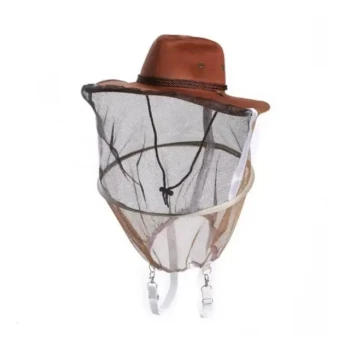

HONESTBEE Square Top Hive Bee Feeder Top Bee Feeder
Item Number: BF-19

Professional Queen Cage with Sliding Gate and Feeder Plug
Item Number: QC-5


White Cotton Beekeeping Jacket and Veil for Bee Keepers
Item Number: BJ-5
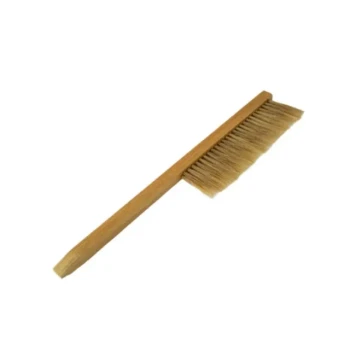
Classic Wooden Bee Brush with Double-Row Boar Bristles
Item Number: BB-6
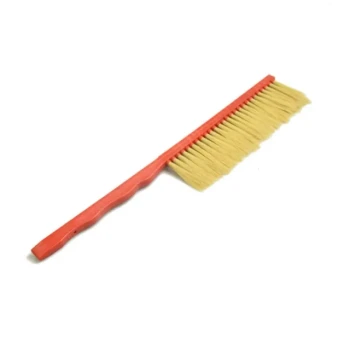
Plastic Handle Single Row Artificial Fiber Bee Brush
Item Number: BB-1

Reusable Clear Small Hive Beetle Traps for Beehives Beetle Trapping Tools
Item Number: HBT-1

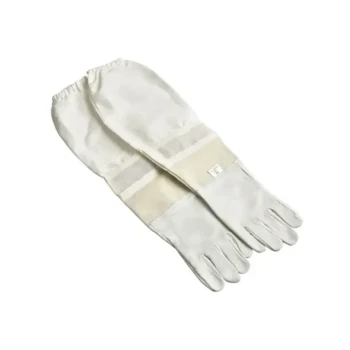
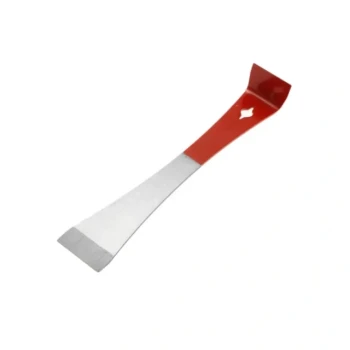
Professional Steel Pry-Bar Hive Tool with Painted Grip
Item Number: HT-6

JZBZ Langstroth Queen Rearing Frame for Beekeeping
Item Number: QRK-3
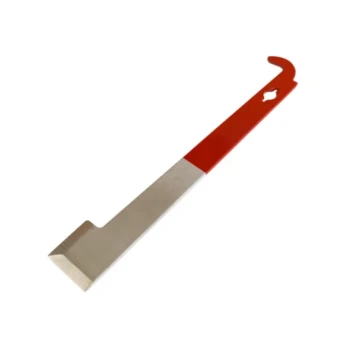
Professional Stainless Steel J-Hook Hive Tool
Item Number: HT-8

Beekeeping Jacket with Hood and Veil for Beekeepers
Item Number: BJ-2
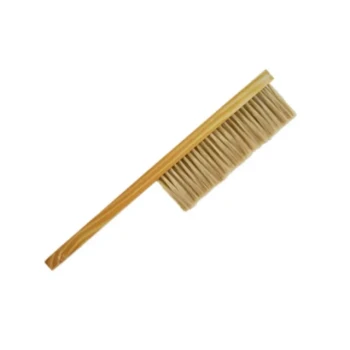
Double Row Artificial Fiber Bee Brush for Beekeeping
Item Number: BB-4
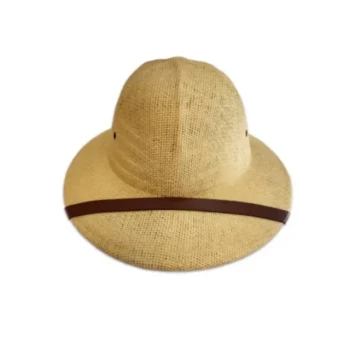
Rigid Pith Style Beekeeper Hat for Square Folding Veils
Item Number: BH-3

Professional Multi-Function Stainless Steel Hive Tool
Item Number: HT-9

Stainless Steel Beekeeping Honey Extractor Lid
Item Number: HE-LS

Automatic Finger Joints Joint Making Machine for Bee Box and Hive Making
Item Number: BHJM-1

Frame Eyelets Assembly Machine Bee Frame Eyelets Fitting Machine Eyelets Machine
Item Number: BFEM-1

Three-Layer Ventilated Beekeeper Suit with Structured Fencing Veil
Item Number: BC-4

Goat Skin Leather Bee Sting Proof Beekeeping Gloves with Canvas Sleeve
Item Number: BG-2
Discover the Best Beekeepers Tools for Safety and Efficiency
Beekeeping is a rewarding practice that requires the right tools to ensure safety, efficiency, and successful hive management. Our comprehensive range of beekeepers tools is designed to meet the needs of both professionals and hobbyists. Here’s a detailed look at what our product category offers:
Essential Tools for Hive Management
-
Queen Marking Tools: The One Hand Yellow Queen Marking Catcher Tube Cage is a must-have for safe and efficient queen bee handling. Its one-handed design and durable plastic construction ensure minimal stress on the queen while allowing beekeepers to mark her with ease.
-
Hive Maintenance Tools: Our Stainless Steel Hive Tools and Beehive Scrapers are crafted from high-quality stainless steel, making them rust-resistant and durable. These tools are perfect for frame cleaning, hive inspections, and honey extraction. The J Hook Hive Tool and Stainless Steel Beehive Scraper are versatile options for lifting frames and scraping wax.
-
Bee Brushes: For gentle bee removal during hive inspections, our Double Row Artificial Fiber Bee Brush and Beekeeping Brush with Pig Bristles are ideal. These brushes feature ergonomic handles and soft bristles to ensure safe and efficient hive maintenance.
Protective Gear for Beekeepers
-
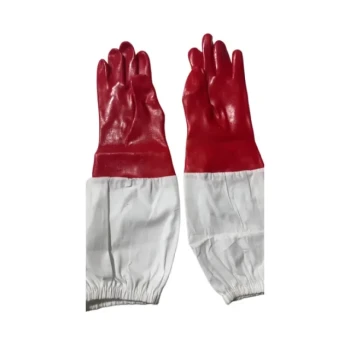
Gloves: Protect your hands with our Goat Skin Leather Beekeeping Gloves and Goatskin Leather Beekeeper Gloves with Vent Long Sleeve. Made from premium goatskin leather, these gloves offer maximum sting protection, comfort, and flexibility. The extended canvas sleeves and elastic bands ensure a secure fit.
-
Suits and Jackets: Stay fully protected with our 3 Layer Mesh Vented Beekeeping Suit and Beekeeping Jacket with Hood and Veil. These suits are designed for maximum airflow, ensuring you stay cool during hive inspections. The White Cotton Beekeeping Jacket is lightweight and offers full protection with its built-in hat and veil.
-
Hats and Veils: Our Heavy Duty Cowboy Beekeeper Hat and Ventilated Adult Beekeeping Helmet provide excellent visibility and protection. These hats are durable, breathable, and adjustable, making them perfect for outdoor beekeeping activities.
Why Choose Our Beekeepers Tools?
Our products are designed with the needs of beekeepers in mind. Here are some key advantages:
- Durability: Made from high-quality materials like stainless steel and goatskin leather, our tools are built to last.
- Safety: Protective gear ensures maximum safety during hive inspections and maintenance.
- Efficiency: Ergonomically designed tools make hive management tasks easier and more efficient.
- Customization: We offer customizable options to meet your specific beekeeping needs.
Ready to Elevate Your Beekeeping Experience?
Whether you're a seasoned beekeeper or just starting out, our tools and protective gear are here to support your journey. Explore our product category to find the perfect tools for your beekeeping needs. Have questions or need personalized recommendations? Contact us today! Our team of experts is ready to assist you in choosing the best products for your beekeeping practice.
FAQ
What Are The Main Applications Of Beekeepers Tools?
Beekeepers tools are essential for various tasks such as hive inspections, honey extraction, and frame cleaning. They include items like veils and hats for facial protection, hive tools for opening sealed hives, and frame rests for convenience during inspections. Additionally, tools like the BeeConnected app help manage pollination agreements and related activities.
What Types Of Tools Are Commonly Used By Beekeepers?
Common tools used by beekeepers include queen marking tubes and catchers for safe queen bee handling, goatskin leather gloves for sting protection, stainless steel hive tools for hive maintenance, and bee brushes for gentle bee removal. Other essential tools include beekeeping suits, hats with veils, and hive scrapers for efficient hive management.
What Are The Advantages Of Using Beekeepers Tools?
Using beekeepers tools offers numerous benefits, including enhanced safety during hive inspections, efficient hive management, and protection against bee stings. These tools also facilitate tasks like honey extraction and frame cleaning, making beekeeping more productive and enjoyable. Additionally, beekeeping contributes to biodiversity, food production, and global ecosystems, while providing economic value and opportunities for family bonding.
What Features Should Good Beekeeping Gloves Have?
Good beekeeping gloves should be made of durable materials like sheepskin leather to protect against bee stings and heat. They should be nimble enough to work between frames, extend up to the elbow, and have a cinched end to keep bees out. This ensures both safety and comfort during hive inspections and other beekeeping activities.
Why Is Beekeeping Considered A Rewarding Practice?
Beekeeping is considered rewarding because it benefits biodiversity, food production, and global ecosystems. It offers economic value through pollination and job creation, supports local gardens, increases food for wildlife, and produces natural products like honey and beeswax. Additionally, beekeeping is an engaging hobby that can be profitable, reduces stress, and provides opportunities for family bonding and making new friends.
REQUEST A QUOTE
Our professional team will reply to you within one business day. Please feel free to contact us!
Related Articles
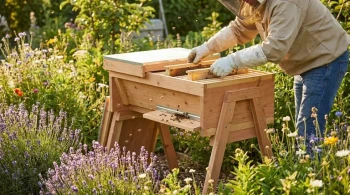
How Top Bar Hives Naturally Boost Bee Health and Simplify Beekeeping
Top bar hives promote natural bee health with comb freedom, thermal efficiency & sustainable harvesting. Ideal for low-maintenance backyard beekeeping.
Read more
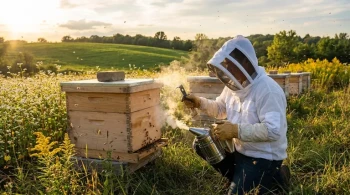
How to Choose Beekeeping Tools: A Practical Guide for Every Budget and Climate
Learn how to choose the best beekeeping tools for your budget and climate, from protective gear to hive management essentials.
Read more
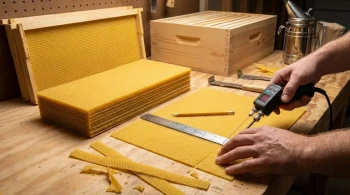
How to Cut Beeswax Foundations for Perfect Hive Compatibility Every Time
Learn professional techniques for cutting beeswax foundations to ensure hive compatibility, prevent warping, and boost colony productivity.
Read more
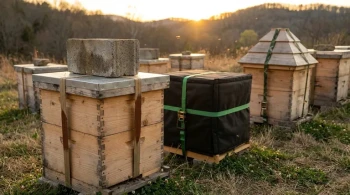
How to Secure Beehive Covers: Weatherproof Strategies for Every Hive Type
Learn weatherproof strategies to secure beehive covers for all hive types, ensuring colony protection from predators and harsh elements.
Read more
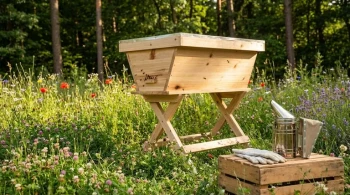
How Top Bar Hives Simplify Natural Beekeeping for Hobbyists
Top bar hives simplify natural beekeeping for hobbyists with cost-efficiency, healthier colonies, and low-maintenance care.
Read more
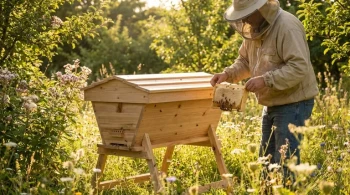
How Top Bar Beehives Naturally Reduce Pest Risks and Simplify Beekeeping
Discover how Top Bar Hives naturally reduce pests, simplify beekeeping, and promote hive health with sustainable, low-maintenance designs.
Read more
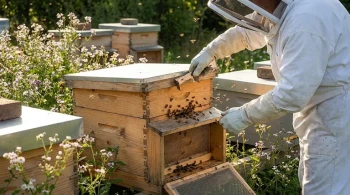
How to Optimize Beehive Ventilation: Prevent Disease and Boost Colony Health
Learn science-backed beehive ventilation strategies to prevent disease, boost colony health, and optimize honey production in all seasons.
Read more
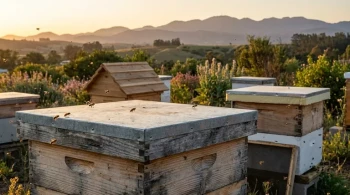
How Beehive Top Cover Design and Materials Protect Your Colony's Health
Learn how beehive top cover design and materials protect your colony from pests, weather, and temperature swings for optimal hive health.
Read more
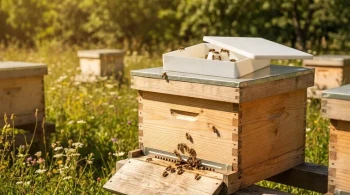
How to Choose the Right Bee Feeder for Your Hive’s Health and Efficiency
Learn how to choose the right bee feeder for hive health, efficiency, and pest control. Compare types, seasonal tips, and cost-effective solutions.
Read more
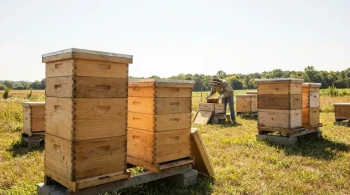
Strategic Super Sizing: How Beekeepers Optimize Hive Management
Learn how beekeepers optimize hive productivity with strategic super sizing—deep, medium, and shallow supers for brood, honey storage, and ergonomics.
Read more
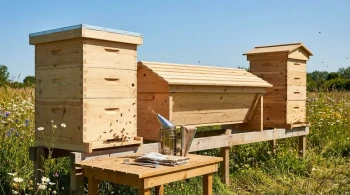
How to Choose the Right Beehive: A Practical Guide for Every Beekeeper
Learn how to choose the right beehive—Langstroth, Top Bar, or Warre—based on your environment, goals, and budget for thriving beekeeping.
Read more
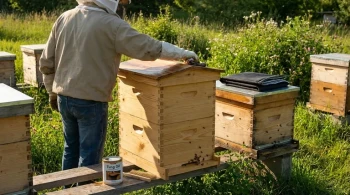
How to Protect Hive Roofs Sustainably: Tung Oil Techniques and Maintenance Strategies
Learn sustainable hive roof protection using tung oil—non-toxic, durable, and bee-safe. Tips for installation, maintenance, and warping prevention.
Read more
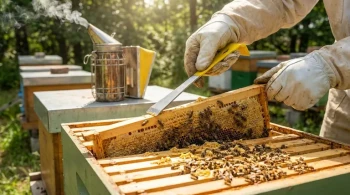
The Beekeeper’s Guide to Hive Tools: How to Choose and Use Them for Efficient Apiary Management
Learn how to choose and use hive tools for efficient beekeeping. Discover material, design, and maintenance tips for smooth apiary management.
Read more
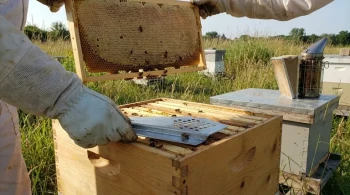
How to Clear Honey Supers Humanely: Reliable Methods & Troubleshooting
Learn humane methods to clear honey supers without stressing bees, including bee escapes, fume boards, and troubleshooting tips for stubborn colonies.
Read more
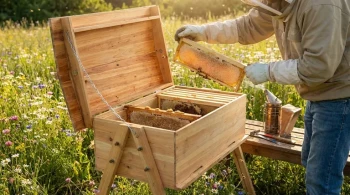
How to Optimize Honey Storage in Top Bar Hives for Healthier Colonies
Learn how to optimize honey storage in top bar hives for healthier bee colonies with strategic comb placement and seasonal adjustments.
Read more
How to Clear Bees from Frames Without Compromising Honey Quality or Colony Health
Learn ethical methods to clear bees from frames without harming honey quality or colony health. Essential for commercial beekeepers.
Read more
How to Use Hive Tools Without Damaging Your Apiary: A Beekeeper’s Guide
Learn how to use hive tools safely to protect your apiary. Avoid frame damage, reduce bee stress, and improve efficiency with expert tips.
Read more
How to Extract Honey Safely Without Damaging Equipment or Hives
Professional honey extraction techniques to maximize yield while protecting combs and hive health. Learn damage-free harvesting and sustainable hive management.
Read more
Plastic vs. Wood Beehives: How to Choose for Sustainability, Performance, and Budget
Compare plastic vs. wood beehives for sustainability, performance, and cost. Choose the best hive material for your beekeeping needs.
Read more
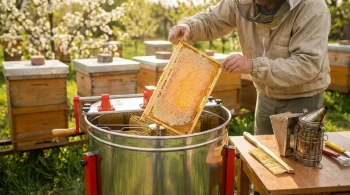
How to Harvest Honey Ethically: Bee-Friendly Techniques for Healthy Colonies
Learn ethical honey harvesting techniques to protect bee colonies while maximizing yield. Discover comb readiness tests, bee-friendly removal methods, and post-harvest care.
Read more
Hot Tags
hive tool beekeeping
beekeeping knife
beekeepers tool
bee keeping tools
bee hive supply
automatic stapler machine
bee frame making machine
frame machine
stapling machine
hole puncher
beekeeping veil
beekeeper suit
bee keeper suit
bee keeper hat
beekeeping outfit
beekeeping gloves
bee gloves
queen cage
queen marking tube
queen marking pens
bee jacket with veil
beekeeping jacket
bee brush
queen rearing kits
honey uncapping tool