Beekeeper suits are essential for protecting against bee stings during hive inspections, honey harvesting, and brood control. Our collection includes a variety of suits tailored to different needs and climates. From the 3 Layer Mesh Vented Sting Proof Beekeeping Suit that offers maximum airflow and protection, to the Heavy Duty Cowboy Beekeeper Hat with Visibility Veil for stylish yet durable protection, we have something for everyone. We also offer White Cotton Beekeeping Jackets, Economy Polyester Beekeeping Jackets, and specialized suits for kids, ensuring safety and comfort for beekeepers of all ages.
Toggle Categories
Get Instant Support
Choose your preferred way to connect with our team
-
Get Free Quote Fill out form for detailed pricing
-
Send Email Detailed inquiry support
-
WhatsApp Quick mobile chat
Response Time
Within 8 hours on working days, 24 hours on holidays
beekeeper suit

Three-Layer Ventilated Beekeeper Suit with Structured Fencing Veil
Item Number: BC-4


Beekeeper Cowboy Hat and Veil for Beekeeping
Item Number: BH-1

White Cotton Beekeeping Jacket and Veil for Bee Keepers
Item Number: BJ-5

Economy Polyester Beekeeping Jacket with Veil and Hat
Item Number: BJ-5A

Vented Beekeeping Jacket with Hood and Veil for Beekeepers
Item Number: BJ-4
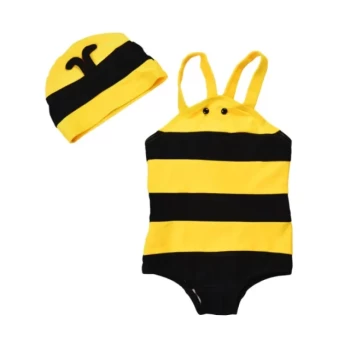
Adorable Baby Toddler Bee Swimsuit and Cap Set
Item Number: HBC-13


Professional Insulated Winter Hive Wrap for Beekeeping
Item Number: BZY-1
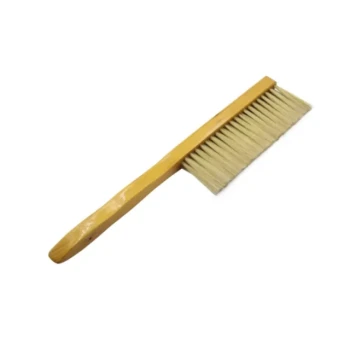
Wooden Bee Brush with Triple Row Artificial Fiber for Beekeeping
Item Number: BB-7

HONESTBEE Professional Long Handled Hive Tool with Precision Cutting Blade
Item Number: HT-16

Professional Dual Action Queen Excluder Scraper for Beekeeping
Item Number: QES-1
Why Choose Our Beekeeper Suits?
Our beekeeper suits are designed with the utmost attention to detail, ensuring you get the best protection and comfort while working with bees. Here’s why our suits stand out:
Features and Benefits
- Full Body Protection: Our suits cover all parts of the body except the head, hands, and feet, providing comprehensive protection against bee stings.
- Integrated Veil: Each suit comes with an attached veil to prevent accidental exposure, ensuring your face and neck are always protected.
- Elasticated Fit: Elasticated ankles, wrists, and waist ensure a snug fit, accommodating a wide range of body sizes and providing added comfort.
- Durable Materials: Made from high-quality materials like cotton and polyester, our suits are built to last, even during heavy-duty use.
- Machine Washable: For convenience, our suits are easy to clean and maintain, ensuring they remain in top condition for years.
Specialized Designs
- Vented Suits: Our 3 Layer Mesh Vented Sting Proof Beekeeping Suit and Vented Beekeeping Jacket are perfect for hot climates, offering maximum airflow while keeping you protected.
- Stylish Options: The Heavy Duty Cowboy Beekeeper Hat with Visibility Veil combines durability with style, making it a favorite among professional beekeepers.
- Kids’ Suits: We offer Professional Beekeeping Suits for Kids, ensuring young beekeepers are safe and comfortable while learning the craft.
Peace of Mind
Beekeeping can be a daunting task, especially for beginners. Our suits provide peace of mind by significantly reducing the risk of bee stings, allowing you to focus on your work without distractions. Whether you’re handling a small hive or managing a large colony, our suits are designed to keep you safe and efficient.
Customizable Options
We understand that every beekeeper has unique needs. That’s why we offer customizable options, including different sizes and materials, to ensure you get the perfect fit and protection.
Join Our Community
Ready to take your beekeeping to the next level? Explore our full range of beekeeper suits and find the perfect one for your needs. Have questions or need assistance? Contact us today to learn more about our products and how we can help you stay safe and comfortable while working with bees.
Protect yourself with the best in the industry. Choose our beekeeper suits for unmatched safety, comfort, and durability.
FAQ
What Is The Purpose Of A Beekeeper Suit?
A beekeeper suit is designed to protect the wearer from bee stings during activities such as honey harvesting and brood control. It covers most parts of the body except the head, hands, and feet, providing full protection and peace of mind, especially for beginners.
What Are The Main Features Of A Beekeeper Suit?
A good beekeeper suit includes features such as thumb ties to help insert into gloves, a strong front zipper, an integrated veil, and elasticated ankles to ensure a snug fit around shoes or boots. It is also machine washable for convenience and has elasticated wrists and waist to accommodate a range of body sizes.
What Are The Advantages Of Wearing A Beekeeper Suit?
The advantages of wearing a beekeeper suit include full protection against bee stings, which allows for more relaxed and efficient hive inspections. While it doesn't offer 100% protection, a high-quality suit significantly reduces the risk of stings. It also provides peace of mind, minimizes distractions, and is suitable for heavy-duty use, such as long beekeeping sessions or handling larger colonies.
Are There Different Types Of Beekeeper Suits Available?
Yes, there are various types of beekeeper suits available, including ventilated suits for hot climates, heavy-duty suits for professional use, and lightweight suits for casual beekeepers. There are also specialized suits for children, ensuring young beekeepers are fully protected.
Can Beekeeper Suits Be Washed?
Yes, most beekeeper suits are machine washable, making them easy to clean and maintain after use in the field.
Is A Beekeeper Suit Suitable For Beginners?
Absolutely, a beekeeper suit is highly recommended for beginners as it provides essential protection against bee stings, allowing new beekeepers to focus on learning and practicing beekeeping without the constant worry of getting stung.
REQUEST A QUOTE
Our professional team will reply to you within one business day. Please feel free to contact us!
Related Articles
Flow Hive vs. Langstroth: Choosing the Right Hive for Your Beekeeping Goals
Compare Flow Hive vs. Langstroth beehives: efficiency, cost, and maintenance differences to choose the best system for your beekeeping goals.
Read more
Flow vs. Langstroth Hives: Balancing Bee Welfare, Cost, and Productivity
Compare Flow vs. Langstroth hives for bee welfare, cost, and productivity. Choose the best beekeeping system for your needs.
Read more
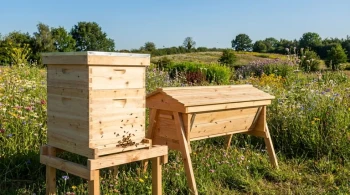
How to Choose Between Langstroth and Top Bar Hives for Your Beekeeping Goals
Compare Langstroth vs. Top Bar beehives for honey production, sustainability & ease of use. Choose the best hive for your beekeeping goals.
Read more
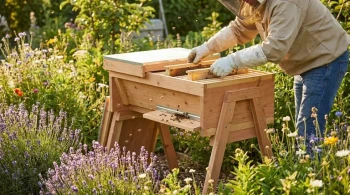
How Top Bar Hives Naturally Boost Bee Health and Simplify Beekeeping
Top bar hives promote natural bee health with comb freedom, thermal efficiency & sustainable harvesting. Ideal for low-maintenance backyard beekeeping.
Read more
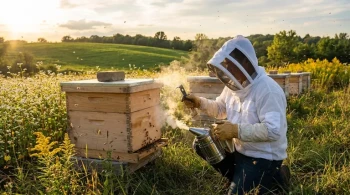
How to Choose Beekeeping Tools: A Practical Guide for Every Budget and Climate
Learn how to choose the best beekeeping tools for your budget and climate, from protective gear to hive management essentials.
Read more
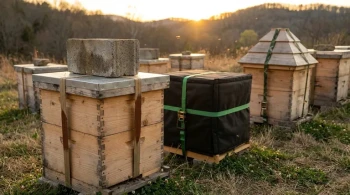
How to Secure Beehive Covers: Weatherproof Strategies for Every Hive Type
Learn weatherproof strategies to secure beehive covers for all hive types, ensuring colony protection from predators and harsh elements.
Read more
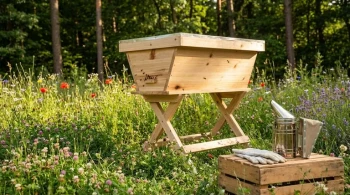
How Top Bar Hives Simplify Natural Beekeeping for Hobbyists
Top bar hives simplify natural beekeeping for hobbyists with cost-efficiency, healthier colonies, and low-maintenance care.
Read more
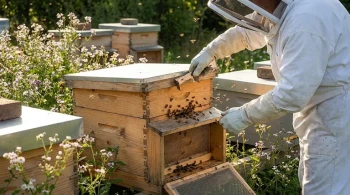
How to Optimize Beehive Ventilation: Prevent Disease and Boost Colony Health
Learn science-backed beehive ventilation strategies to prevent disease, boost colony health, and optimize honey production in all seasons.
Read more
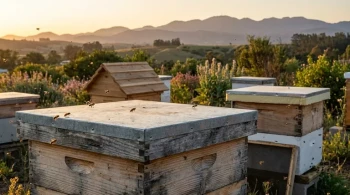
How Beehive Top Cover Design and Materials Protect Your Colony's Health
Learn how beehive top cover design and materials protect your colony from pests, weather, and temperature swings for optimal hive health.
Read more
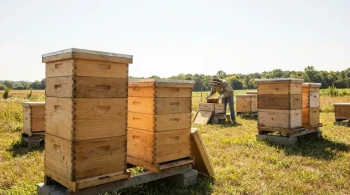
Strategic Super Sizing: How Beekeepers Optimize Hive Management
Learn how beekeepers optimize hive productivity with strategic super sizing—deep, medium, and shallow supers for brood, honey storage, and ergonomics.
Read more
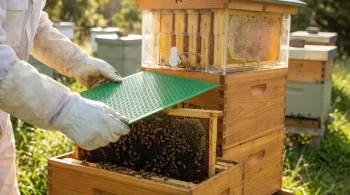
Strategic Queen Excluder Use in Flow Hives: Preventing Brood Contamination Without Triggering Swarms
Learn how to strategically use queen excluders in Flow Hives to prevent brood contamination while minimizing swarming risks for optimal honey production.
Read more
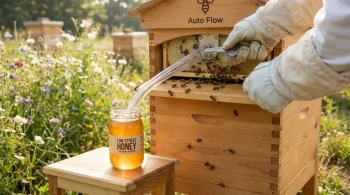
How Auto Flow Beehives Protect Bees While Doubling Harvest Efficiency
Auto Flow Beehives reduce bee stress by 80% and double honey yields with non-invasive harvesting. Ideal for sustainable apiculture.
Read more
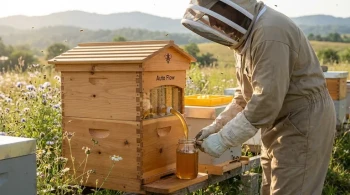
How Auto Flow Beehives Transform Honey Harvesting Through Stress-Free Design
Auto Flow Beehives revolutionize honey harvesting with stress-free design, boosting yields & hive health. Discover the future of beekeeping.
Read more
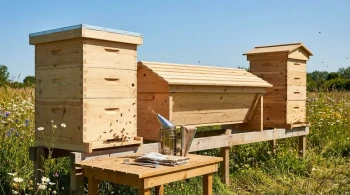
How to Choose the Right Beehive: A Practical Guide for Every Beekeeper
Learn how to choose the right beehive—Langstroth, Top Bar, or Warre—based on your environment, goals, and budget for thriving beekeeping.
Read more
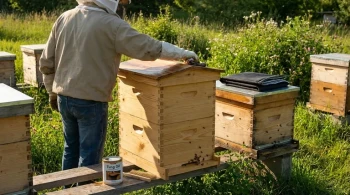
How to Protect Hive Roofs Sustainably: Tung Oil Techniques and Maintenance Strategies
Learn sustainable hive roof protection using tung oil—non-toxic, durable, and bee-safe. Tips for installation, maintenance, and warping prevention.
Read more
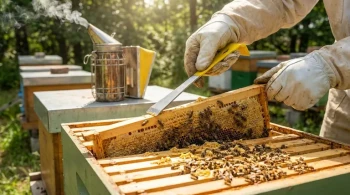
The Beekeeper’s Guide to Hive Tools: How to Choose and Use Them for Efficient Apiary Management
Learn how to choose and use hive tools for efficient beekeeping. Discover material, design, and maintenance tips for smooth apiary management.
Read more
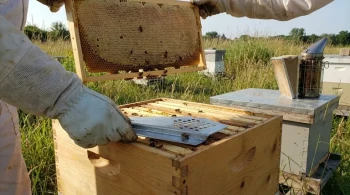
How to Clear Honey Supers Humanely: Reliable Methods & Troubleshooting
Learn humane methods to clear honey supers without stressing bees, including bee escapes, fume boards, and troubleshooting tips for stubborn colonies.
Read more
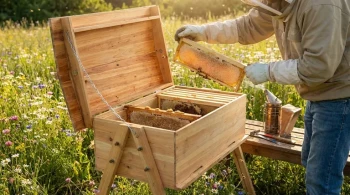
How to Optimize Honey Storage in Top Bar Hives for Healthier Colonies
Learn how to optimize honey storage in top bar hives for healthier bee colonies with strategic comb placement and seasonal adjustments.
Read more
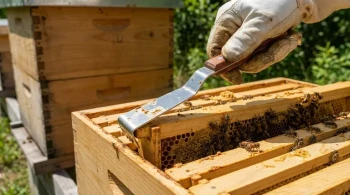
How to Use Hive Tools Without Damaging Your Apiary: A Beekeeper’s Guide
Learn how to use hive tools safely to protect your apiary. Avoid frame damage, reduce bee stress, and improve efficiency with expert tips.
Read more
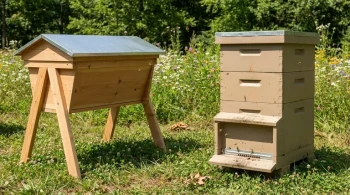
Plastic vs. Wood Beehives: How to Choose for Sustainability, Performance, and Budget
Compare plastic vs. wood beehives for sustainability, performance, and cost. Choose the best hive material for your beekeeping needs.
Read more