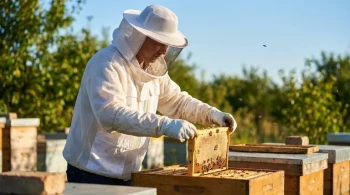
Beekeeping gloves are essential for protecting your hands and forearms while handling bees, frames, and hive components. Our range includes high-quality goatskin leather gloves with extended sleeves and elastic bands for a secure fit. Additionally, we offer durable canvas sleeves and breathable mesh designs to ensure maximum protection and comfort. Whether you're a professional beekeeper or a hobbyist, our gloves provide the dexterity and sting protection you need for safe and efficient beekeeping.
Toggle Categories
Get Instant Support
Choose your preferred way to connect with our team
-
Get Free Quote Fill out form for detailed pricing
-
Send Email Detailed inquiry support
-
WhatsApp Quick mobile chat
Response Time
Within 8 hours on working days, 24 hours on holidays
beekeeping gloves

Premium Cotton Beekeeper Suit with Reinforced Fencing Veil
Item Number: BC-2

Three-Layer Ventilated Beekeeper Suit with Structured Fencing Veil
Item Number: BC-4

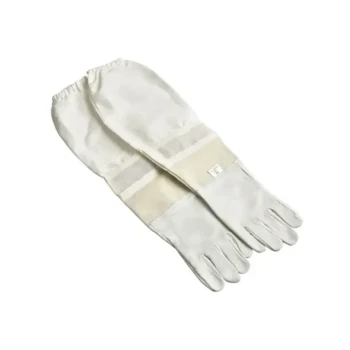
Goat Skin Leather Bee Sting Proof Beekeeping Gloves with Canvas Sleeve
Item Number: BG-2

Why Choose Our Beekeeping Gloves?
Our beekeeping gloves are designed with the utmost care to ensure you have the best protection and comfort while working with bees. Here’s what makes our gloves stand out:
Superior Materials
We use premium goatskin leather and high-quality nitrile for our gloves, offering excellent sting protection and durability. Goatskin leather is known for its flexibility and heat resistance, making it ideal for handling frames and hive components. Nitrile gloves, on the other hand, provide a snug fit and excellent dexterity, allowing you to work with precision.
Enhanced Protection
Our gloves come with extended sleeves that cover your forearms, providing comprehensive protection against bee stings. The elastic ends ensure a secure fit, preventing bees from getting inside the gloves. This design is crucial for maintaining safety and comfort during long beekeeping sessions.
Comfort and Fit
We understand that comfort is essential when working with bees. Our gloves are designed to be nimble and flexible, allowing you to move your fingers freely and work between frames with ease. The breathable mesh and ventilated designs keep your hands cool, even during hot weather.
Durability
Our gloves are built to last, with reinforced stitching and high-quality materials that withstand the rigors of beekeeping. Whether you're handling heavy hive components or working in challenging conditions, our gloves provide reliable protection and long-lasting performance.
Customizable Options
We offer a range of sizes and styles to suit your specific needs. Whether you prefer gloves with canvas sleeves or those with extended leather cuffs, we have options that cater to different preferences and requirements. Our customizable services ensure you get the perfect fit for your beekeeping tasks.
Why Beekeeping Gloves Are Essential
Beekeeping gloves are a crucial part of your protective gear, offering several advantages:
- Protection from Stings: Our gloves shield your hands and forearms from bee stings, reducing the risk of injury and allergic reactions.
- Improved Dexterity: The flexible materials allow you to handle frames, tools, and bees with precision and ease.
- Increased Comfort: The ergonomic design and breathable materials ensure you can work for extended periods without discomfort or irritation.
- Confidence in Handling Bees: With our gloves, you can approach your beekeeping tasks with confidence, knowing you have the best protection available.
Maintenance Tips
To ensure the longevity of your beekeeping gloves, follow these maintenance tips:
- Regular Cleaning: Clean your gloves periodically to remove dirt, wax, and propolis. Use mild soap and water for leather gloves, and ensure they are completely dry before storage.
- Proper Storage: Store your gloves flat in a cool, dry place to maintain their shape and condition. Avoid exposing them to direct sunlight or extreme temperatures.
- Inspection: Regularly inspect your gloves for any signs of wear or damage. Replace them if you notice any holes or weakened areas to ensure continued protection.
Get in Touch
We are committed to providing the best beekeeping gloves that meet your needs. If you have any questions or need assistance in choosing the right gloves, please contact us. Our team of experts is here to help you find the perfect solution for your beekeeping tasks.
Explore our range of beekeeping gloves today and experience the difference in protection, comfort, and durability. Your safety and satisfaction are our top priorities.
FAQ
What Are Beekeeping Gloves Used For?
Beekeeping gloves are used to protect the hands and forearms from bee stings while handling frames, bees, or hive components. They provide safety and comfort during beekeeping activities.
What Materials Are Beekeeping Gloves Made Of?
Beekeeping gloves are typically made of materials like leather, goatskin, and nitrile. These materials offer different levels of protection, dexterity, and comfort.
What Are The Features Of Good Beekeeping Gloves?
Good beekeeping gloves should offer sting protection, be nimble enough to work between frames, and ideally extend up to the elbow with a cinched end to keep bees out. They should also provide a secure fit and be made of durable materials like sheepskin leather.
What Are The Advantages Of Using Beekeeping Gloves?
The advantages of using beekeeping gloves include protection from bee stings, improved dexterity, and increased comfort. They allow beekeepers to handle bees confidently, manipulate frames and tools with ease, and work for extended periods without discomfort.
How Should Beekeeping Gloves Be Maintained?
Beekeeping gloves should be cleaned periodically. If they are reusable, they should be allowed to dry completely before being stored flat to maintain their condition and extend their lifespan.
REQUEST A QUOTE
Our professional team will reply to you within one business day. Please feel free to contact us!
Related Articles
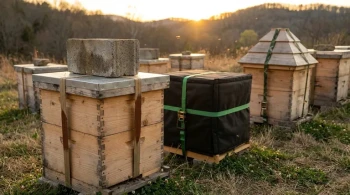
How to Secure Beehive Covers: Weatherproof Strategies for Every Hive Type
Learn weatherproof strategies to secure beehive covers for all hive types, ensuring colony protection from predators and harsh elements.
Read more
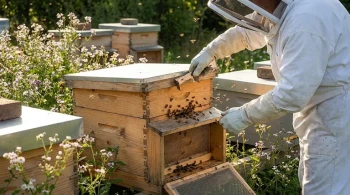
How to Optimize Beehive Ventilation: Prevent Disease and Boost Colony Health
Learn science-backed beehive ventilation strategies to prevent disease, boost colony health, and optimize honey production in all seasons.
Read more
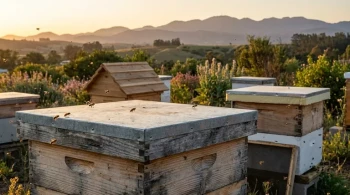
How Beehive Top Cover Design and Materials Protect Your Colony's Health
Learn how beehive top cover design and materials protect your colony from pests, weather, and temperature swings for optimal hive health.
Read more
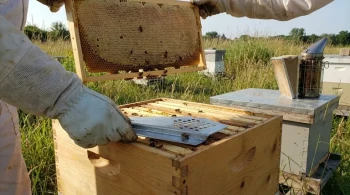
How to Clear Honey Supers Humanely: Reliable Methods & Troubleshooting
Learn humane methods to clear honey supers without stressing bees, including bee escapes, fume boards, and troubleshooting tips for stubborn colonies.
Read more
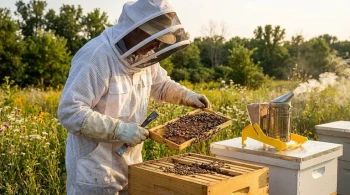
How to Choose and Maintain Beekeeping Protective Gear Like a Pro
Learn how to choose and maintain beekeeping protective gear like a pro—bee suits, gloves, veils, and more for safety and comfort.
Read more
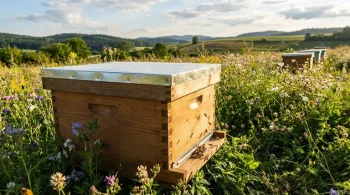
How Outer Telescoping Covers Protect Beehives: Materials and Design Explained
Learn how outer telescoping covers protect beehives with durable materials and weatherproof design for longer hive lifespan.
Read more
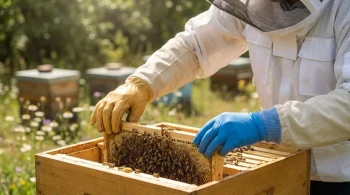
How to Choose Beekeeping Gloves: Material, Fit, and Care Explained
Learn how to choose the best beekeeping gloves for protection, dexterity, and durability. Compare leather vs. nitrile materials and maintenance tips.
Read more
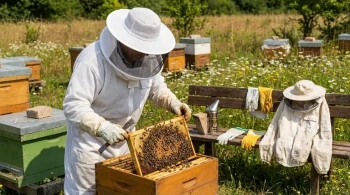
How to Choose Beekeeping Protective Clothing That Fits Your Needs and Environment
Learn how to choose the best beekeeping protective clothing for safety, comfort, and climate—whether you're a beginner or expert beekeeper.
Read more
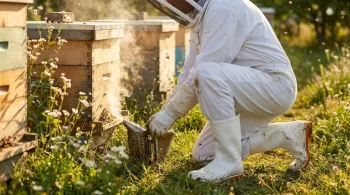
How to Choose Beekeeping Boots: Safety, Durability, and Comfort Criteria Explained
Learn how to choose the best beekeeping boots for safety, durability, and comfort. Compare materials like rubber, leather, and synthetics.
Read more
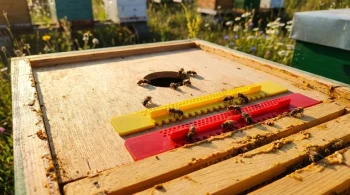
How Center Hole Ventilation Transforms Hive Health: A Beekeeper’s Guide
Discover how center hole ventilation in beehives improves colony health, thermoregulation, and honey yields. Essential guide for beekeepers.
Read more
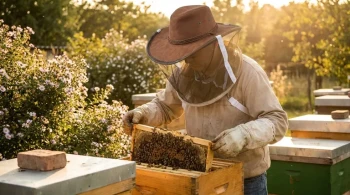
How to Choose the Best Beekeeping Headgear for Safety and Comfort
Learn how to choose durable, comfortable beekeeping headgear for safety in any climate. Compare materials, designs, and maintenance tips.
Read more
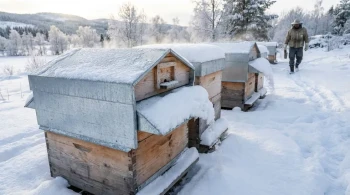
How Telescoping Beehive Covers Outperform in Cold Climates: A Cost-Benefit Analysis
Telescoping beehive covers enhance winter survival with superior snow/rain protection and durability, ideal for cold climates. Long-term cost-effective solution.
Read more
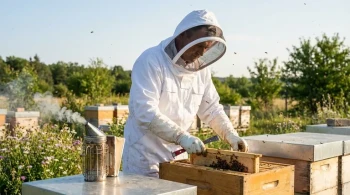
How to Choose and Maintain a Bee Suit That Actually Prevents Stings
Learn how to choose and maintain a bee suit that effectively prevents stings with fabric tech, design tips, and beekeeper-approved care.
Read more
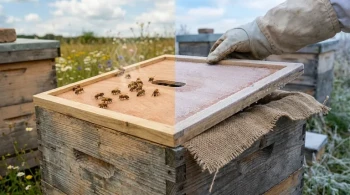
How Inner Covers Optimize Hive Health Through Every Season
Discover how inner covers regulate hive temperature, humidity, and pest resistance year-round for healthier bee colonies and optimized apiary management.
Read more
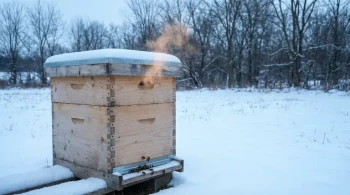
The Paradox of Warmth: Why a Beehive Must Breathe to Survive Winter
An insulated hive traps moisture, a silent killer. Proper ventilation is not about temperature, but managing condensation for colony survival.
Read more
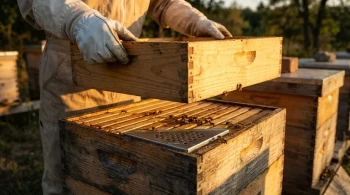
The Unseen Architecture: Why Bee Escapes Work on Physics, But Fail on Psychology
A bee escape's success hinges on understanding bee psychology—their instincts for warmth, navigation, and unbreakable brood care. Here's how to master it.
Read more
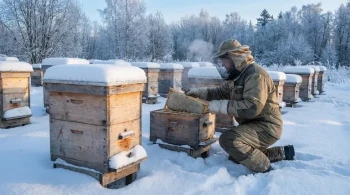
The Winter Engine: How One Generation of Bees Decides Your Apiary's Fate
Winter bees are a distinct biological generation built for survival. Their health, determined by late-season management, is the key to colony success.
Read more
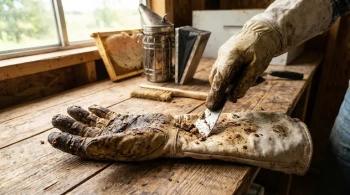
The Unseen Vector: Why Your Beekeeping Gloves Are a Critical Control Point
Dirty beekeeping gloves are a hidden risk for disease transfer. Learn the right cleaning method to protect your hives, your safety, and your investment.
Read more
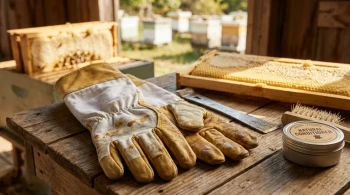
Beyond Clean: The Invisible Language of Beekeeping Gloves
Learn why household cleaners damage beekeeping gloves and agitate bees. Master the right maintenance protocol to protect your gear and the hive.
Read more
The Physics of Protection: Why Ventilated Bee Suits Aren't Just About Comfort
Discover how 3-layer mesh beekeeping gear uses an air gap, not thickness, for superior sting protection and enhanced cognitive performance.
Read more