High-performance UV-Vis spectrophotometers assess honey freshness and value by measuring light absorbance at specific wavelengths to quantify key chemical markers like Hydroxymethylfurfural (HMF), diastase enzyme activity, and color intensity. These measurements provide an objective "chemical fingerprint" that reveals if honey has been over-processed, aged, or degraded, ensuring it meets strict international trade standards.
Core Takeaway: By converting complex chemical properties into precise numerical data, UV-Vis spectrophotometry allows distributors to scientifically verify honey quality, justify premium pricing, and eliminate the risks associated with subjective visual inspections.
Quantifying Freshness and Thermal History
The Critical Role of HMF and Diastase
High-performance spectrophotometers measure absorbance at 284nm to determine Hydroxymethylfurfural (HMF) levels. HMF is a compound that increases when honey is heated or stored incorrectly, serving as the primary indicator of age and heat damage.
Monitoring Enzyme Bioactivity
Instruments also track diastase activity, an enzyme sensitive to heat. For honey to be considered "fresh" and commercially viable for export, it generally must maintain a diastase value of at least 8 units per gram, a threshold easily verified through colorimetric reaction analysis.
Ensuring International Regulatory Compliance
Global trade regulations for honey are stringent regarding heat-induced degradation. Utilizing high-precision testing allows wholesalers to provide quantified proof of compliance, protecting the supply chain from rejected shipments and regulatory fines.
Maximizing Commercial Value through Bioactive Profiling
Analyzing Phenolics and Antioxidant Capacity
Modern spectrophotometers measure light absorbance at 765nm to calculate total phenolic content and flavonoid levels. These bioactive molecules are directly linked to the honey’s nutritional value and its "superfood" status in the premium market.
Scientific Evidence for Functional Food Claims
For distributors targeting the health-conscious or pharmaceutical sectors, UV-Vis data provides the scientific evidence needed to support efficacy claims. Quantifying antioxidant capacity allows for the differentiation of standard table honey from high-value functional products.
Strategic Product Differentiation
By profiling the specific phytochemical makeup of various batches, resellers can curate a comprehensive product portfolio. This expertise allows you to categorize honey based on its unique nutritional density, maximizing the profit potential of specialized floral sources.
Objective Color Grading and Standardization
Eliminating Subjective Visual Bias
Visual assessment of honey color is prone to human error and inconsistent lighting. UV-Vis spectrophotometers provide an objective measurement using the Pfund scale or CIELAB color space, classifying honey into precise grades like Extra Light Amber or Light Amber.
Correlation Between Color and Mineral Content
Data shows that darker honey often contains higher concentrations of minerals and carotenoids. By providing objective color data (measured at wavelengths like 660nm), distributors can give buyers a reliable proxy for the honey's flavor intensity and mineral richness.
Building Brand Trust through Consistency
Consistent color grading is essential for large-scale retail bottling where consumers expect uniformity. High-performance instruments ensure that every batch meets a digital visual profile, maintaining brand integrity across multiple shipments and regions.
Understanding the Trade-offs and Technical Requirements
Equipment Precision vs. Operational Cost
While high-performance UV-Vis spectrophotometers offer unmatched accuracy, they require a higher initial investment and professional calibration. Distributors must weigh the cost of high-end equipment against the financial risk of inaccurate quality claims.
Sample Preparation and Throughput
Accurate testing requires meticulous sample preparation, including dilution and chemical reagents. This process can be more time-consuming than simple handheld refractometry, requiring a balance between depth of analysis and the need for rapid order fulfillment.
Data Interpretation Complexity
The raw absorbance data generated by these machines requires expert interpretation to be useful for commercial decision-making. Relying on advanced technology necessitates having a partner or internal team with deep industry expertise to translate spectra into market value.
How to Apply These Insights to Your Sourcing Strategy
Distributors and wholesalers can leverage spectrophotometric data to optimize their inventory and procurement processes. Choosing the right level of analysis depends on your specific market goals and customer requirements.
- If your primary focus is Global Export Compliance: Prioritize HMF and diastase testing to ensure all batches meet the legal freshness thresholds of your target destination.
- If your primary focus is Premium Niche Marketing: Invest in full-spectrum phenolic and antioxidant profiling to justify higher price points for "medical-grade" or functional honey products.
- If your primary focus is Efficient Bulk Trading: Utilize objective Pfund scale color grading to standardize your portfolio and ensure rapid, dispute-free order fulfillment for large-scale buyers.
Empowered with precise analytical data, you can transform honey from a simple commodity into a high-value, scientifically verified asset.
Summary Table:
| Key Metric | Testing Method | Market Indicator | Commercial Advantage |
|---|---|---|---|
| HMF Levels | Absorbance at 284nm | Freshness & Heat History | Ensures International Export Compliance |
| Diastase Activity | Colorimetric Analysis | Enzyme Bioactivity | Verifies Raw & Natural Product Claims |
| Phenolic Content | Absorbance at 765nm | Antioxidant Capacity | Supports Premium "Superfood" Pricing |
| Color Grading | Pfund Scale (660nm) | Visual Uniformity | Enhances Brand Trust & Flavor Profiling |
Scale Your Honey Business with HONESTBEE’s Industry Expertise
For distributors and B2B resellers, precision in quality is the key to high profit margins and supply chain reliability. HONESTBEE supports your growth by providing a one-stop sourcing platform for the entire honey industry lifecycle. From specialized honey-filling machines and hive-making hardware to a comprehensive range of beekeeping tools and consumables, we ensure your operations are efficient and compliant.
Why Partner with HONESTBEE?
- Comprehensive Portfolio: Access everything from heavy machinery to honey-themed cultural merchandise.
- Rapid Fulfillment: Ultra-fast delivery and efficient order processing to meet market demands.
- Technical Expertise: Deep industry knowledge to help you navigate quality standards and product differentiation.
- OEM/ODM Support: Tailored solutions designed to strengthen your brand’s market position.
Ready to enhance your inventory with professional-grade equipment? Contact HONESTBEE Today to discuss your wholesale needs and experience exceptional customer service.
References
- M. Homrani, M. Carmen Seijo. Botanical Origin, Pollen Profile, and Physicochemical Properties of Algerian Honey from Different Bioclimatic Areas. DOI: 10.3390/foods9070938
This article is also based on technical information from HonestBee Knowledge Base .
Related Products
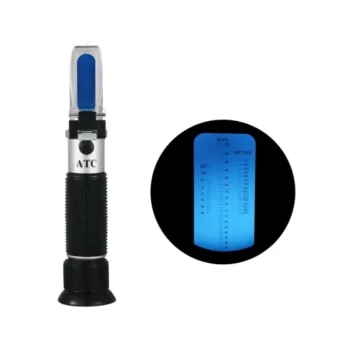
- Precision Honey Refractometer Instrument for Quality Assessment
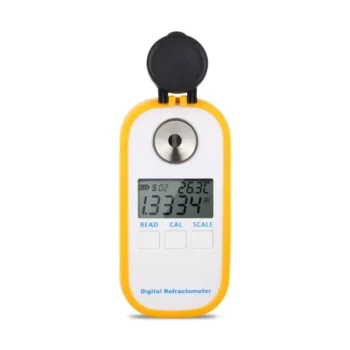
- Digital Honey Refractometer for Precision Measurement of Optimal Honey Quality
People Also Ask
- How do professional scientific instruments contribute to honey quality testing? Ensure Purity and Market Compliance
- How should a honey refractometer be calibrated for accuracy? Master Precision in Honey Moisture Analysis
- How should a honey refractometer be stored? Ensure Long-Term Accuracy and Protect Your Investment
- How is honey applied to the refractometer? Ensure Accurate Moisture Content Measurement
- What is the role of a honey refractometer in harvesting? Prevent Fermentation & Ensure Quality