To remove propolis effectively, you must target its resinous properties using temperature or solvents. You can place the gloves in a freezer to make the propolis brittle enough to scrape off with a blunt tool, or apply rubbing alcohol or vegetable oil to dissolve the sticky residue before washing with mild detergent.
Propolis is a complex resin that hardens when cold and dissolves in specific solvents. The most effective removal strategy involves altering the physical state of the propolis to detach it from the glove material without compromising the glove's integrity.
The Temperature Method: Freezing
Embracing the Cold
Propolis is naturally sticky at room temperature but becomes hard and glass-like when frozen. To leverage this, place your beekeeping gloves in a freezer for several hours or overnight.
Physical Removal
Once the gloves are frozen, the propolis will be brittle. Flex the material gently to crack the resin, then use a blunt knife or similar tool to scrape the chunks off the surface.
The Chemical Method: Solvents and Oils
Dissolving with Alcohol
Rubbing alcohol acts as a solvent that breaks down the chemical bonds of the resin. Apply it directly to the affected areas to dissolve the propolis, making it easier to wipe away.
Loosening with Oil
If you prefer a non-solvent approach, vegetable oil is highly effective. The oil permeates the sticky residue, breaking its grip on the fabric or leather.
The Cleanup Phase
Both the alcohol and oil methods require a finishing step. After the propolis is loosened or dissolved, wash the gloves thoroughly with mild detergent and water to remove any remaining fluids or debris.
Understanding the Trade-offs
Mechanical vs. Chemical Risks
Freezing is the safest method for the material structure of the glove, as it involves no harsh chemicals. However, scraping requires care; using a sharp tool or too much force can puncture the glove material.
Residue Management
While vegetable oil is gentle, it leaves a greasy film that must be washed out completely to prevent staining or attracting dirt. Rubbing alcohol evaporates quickly but can be drying, which may affect the pliability of certain glove materials over time.
Making the Right Choice for Your Goal
Select the method that best balances the amount of buildup with the need to preserve your equipment.
- If your primary focus is removing heavy, thick chunks: Prioritize the freezing method to snap off large pieces of propolis without smearing them.
- If your primary focus is cleaning sticky smears or thin layers: Use rubbing alcohol or vegetable oil to dissolve the residue that cannot be easily scraped.
Regular maintenance of your gear ensures better dexterity and hygiene in the apiary.
Summary Table:
| Method | Action | Best For | Risk Level |
|---|---|---|---|
| Freezing | Freeze & scrape | Heavy, thick buildup | Low (Avoid sharp tools) |
| Alcohol | Dissolve & wipe | Thin smears & residue | Medium (May dry material) |
| Vegetable Oil | Loosen & wash | Gentle cleaning | Low (Requires degreasing) |
Elevate Your Apiary Operations with HONESTBEE
Maintaining your gear is just the beginning of a successful beekeeping enterprise. At HONESTBEE, we specialize in empowering commercial apiaries and distributors with high-performance solutions. Whether you need professional-grade beekeeping tools, advanced hive-making machinery, or automated honey-filling systems, our comprehensive wholesale portfolio has you covered. From essential consumables to unique honey-themed merchandise, we provide the hardware and support necessary to scale your business.
Ready to upgrade your equipment? Contact us today to discover how our specialized machinery and wholesale supplies can streamline your production and boost your efficiency!
Related Products
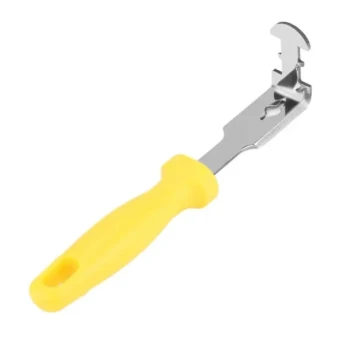
- Heavy Duty Stainless Steel Frame Cleaner with Plastic Handle
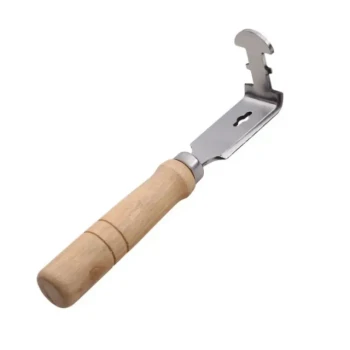
- Professional Stainless Steel Frame Cleaner with Ergonomic Wood Handle
- 8 Frame and 10 Frame Propolis Trap Collector Screen for Propolis Collection
People Also Ask
- What tools are used for cleaning frames? A Beekeeper's Simple 4-Tool Guide
- What are the physical characteristics of the frame cleaning tool? Durable Wood Design for Effective Hive Maintenance
- What is the purpose of the frame cleaning tool? A Precision Tool for Efficient Frame Maintenance
- In what specific situation is the frame cleaning tool particularly useful? Master Cut Comb Maintenance
- What is the function of the frame cleaning tool in beekeeping? Streamline Your Apiary Hygiene and Maintenance