Maintaining the nutritional integrity of fresh pollen is the cornerstone of successful bumblebee breeding. Storage at -18 °C preserves these vital resources by effectively arresting enzyme activity and microbial proliferation, preventing the degradation of essential proteins, lipids, and vitamins. This scientific approach ensures that the pollen remains a stable, high-quality food source for Bombus terrestris colonies throughout their entire development cycle.
Low-temperature storage at -18 °C acts as a biological "pause button," preserving the complex nutritional profile and physical structure of fresh pollen. For B2B distributors and wholesalers, this technical stability is the foundation of a reliable, high-performance supply chain that guarantees product efficacy.
Arresting Biochemical Degradation
Inhibiting Enzyme Activity
Fresh pollen possesses high biological activity that naturally leads to self-degradation over time. At -18 °C, the kinetic energy within the pollen is reduced, successfully neutralizing the enzymes that would otherwise break down delicate nutritional compounds.
Preventing Microbial Spoilage and Mold
Pollen’s high protein and lipid content makes it an ideal substrate for microbial growth and mold. Maintaining a sub-zero environment eliminates the risk of spoilage, ensuring the product remains safe for sensitive bumblebee larvae.
Protecting the Lipid and Protein Profile
Proteins and lipids are the primary building blocks for colony growth. Low-temperature storage prevents biochemical degradation, ensuring these macronutrients remain bioavailable and nutritionally "fresh" from the moment of collection to the moment of feeding.
Ensuring Nutritional Consistency for Breeding
Maintaining Feed Quality Across the Life Cycle
Bumblebee colonies require a consistent nutrient supply to thrive. By stabilizing the active ingredients at -18 °C, breeders can provide a uniform feed quality that supports the colony from the initial queen stages through to full worker production.
Preserving Morphological Integrity
Beyond chemistry, the physical structure of the pollen grain matters. Freezing maintains the morphological characteristics of the grains, which is critical for professionals who perform palynological analysis and quality assessments to verify pollen purity.
Eliminating Moisture Absorption
Fresh pollen is highly hygroscopic, meaning it easily absorbs moisture from the air. A controlled, low-temperature environment prevents moisture-related clumping and degradation, preserving the pourable, workable texture required for efficient hive management.
Understanding the Trade-offs and Pitfalls
The Risk of Cold Chain Breaks
The primary weakness of -18 °C storage is the requirement for an unbroken cold chain. Even brief fluctuations in temperature can trigger enzyme reactivation, leading to a rapid decline in vitamin potency and nutritional value.
Packaging and Oxidation Risks
Low temperatures alone cannot prevent all forms of decay if the packaging is inadequate. Without airtight sealing, pollen can suffer from oxidation or freezer burn, which compromises the lipid profile and reduces the palatability of the feed for the bees.
Logistics and Operational Costs
Maintaining a strict -18 °C environment requires specialized equipment and increases operational overhead. However, these costs are offset by the significant reduction in product waste and the higher market value of a nutritionally guaranteed product.
Strategic Integration for Your Distribution Business
Deep Professional Industry Expertise
Success in the bumblebee market requires more than just a product; it requires a partner who understands cold chain logistics. Our deep expertise ensures that every batch of pollen meets the rigorous standards required by professional breeders.
Efficiency in Order Fulfillment
In the B2B sector, speed is a form of quality control. We offer ultra-fast delivery and efficient order fulfillment to minimize the time product spends in transit, ensuring the -18 °C integrity is maintained from our facility to your warehouse.
Making the Right Choice for Your Goal
- If your primary focus is product efficacy for breeders: Prioritize suppliers who utilize -18 °C storage to guarantee that the full spectrum of proteins and lipids remains intact for colony development.
- If your primary focus is supply chain reliability: Look for partners with a full-spectrum product portfolio and proven rapid response times to handle high-volume, temperature-sensitive orders.
- If your primary focus is quality assurance: Ensure your sourcing partner provides pollen that has been stored to preserve morphological characteristics, allowing for accurate palynological verification.
By mastering the science of low-temperature preservation, you provide your clients with the nutritional foundation necessary for robust and productive bumblebee colonies.
Summary Table:
| Preservation Factor | Effect at -18°C | Benefit to Breeding |
|---|---|---|
| Enzyme Activity | Arrested / Neutralized | Prevents nutritional self-degradation |
| Microbial Growth | Inhibited | Eliminates mold risk for sensitive larvae |
| Lipids & Proteins | Biochemically Stabilized | Ensures bioavailability of growth building blocks |
| Morphology | Structure Maintained | Allows for accurate purity and quality verification |
| Moisture | Absorption Controlled | Prevents clumping for efficient hive management |
Scale Your Breeding Success with HONESTBEE
As a leading global partner for commercial apiaries and B2B distributors, HONESTBEE provides the full spectrum of professional beekeeping solutions. From high-integrity consumables to specialized honey-filling and hive-making machinery, we ensure your supply chain remains robust and reliable.
Why partner with HONESTBEE?
- Comprehensive Wholesale Offering: One-stop sourcing for all beekeeping tools and equipment.
- Deep Industry Expertise: Specialized support for complex cold-chain and nutritional requirements.
- Efficiency & Speed: Ultra-fast delivery and rapid response times to keep your operations running.
- Premium Trading Services: Dedicated support for wholesalers and resellers, including OEM/ODM capabilities.
Ready to enhance your product portfolio with industry-leading equipment and supplies? Contact us today to discuss your wholesale needs!
References
- A Akyol, Samet Hasan Abacı. Comparison of colony initiation success of queen bees (Bombus terrestris L.) fed diets with different pollen sources. DOI: 10.12681/jhvms.38558
This article is also based on technical information from HonestBee Knowledge Base .
Related Products
- Stainless Steel Pollen Shovel with Wooden Handle
- Removable Plastic Pollen Trap With Ventilated Tray for Bees Pollen Collector
- Heavy-Duty Ergonomic Grip Galvanized Pollen Shovel
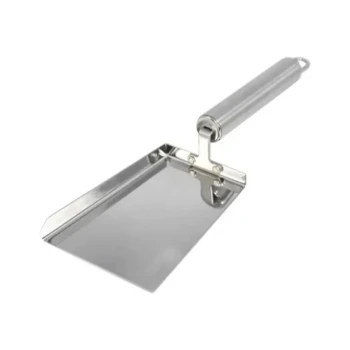
- Heavy-Duty Ergonomic Stainless Steel Pollen Shovel
- Plastic Bee Pollen Trap Strips Comb Catcher Collector
People Also Ask
- How do bee pollen collection tools affect the quality of bee pollen used in functional dairy ice cream production?
- Why should commercial apiaries focus on the collection of diversified bee products? Maximize Your Hive’s Profit Potential
- How does a specialized pollen collector facilitate the harvesting of diverse bee products? Automate High-Value Yields
- What is the impact of pollen collectors and associated equipment on the cost structure of pollen production? Maximize ROI
- What is the technical significance of using specialized cutting tools for propolis? Master Precision Pollen Harvesting