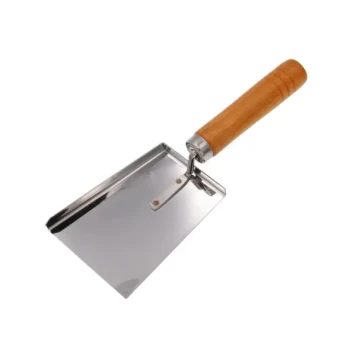
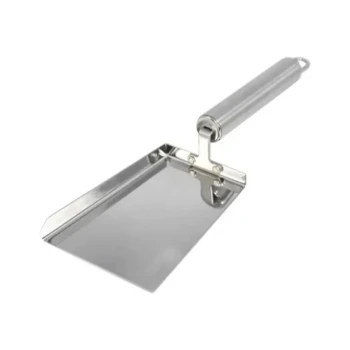
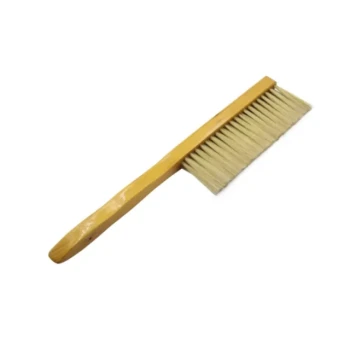
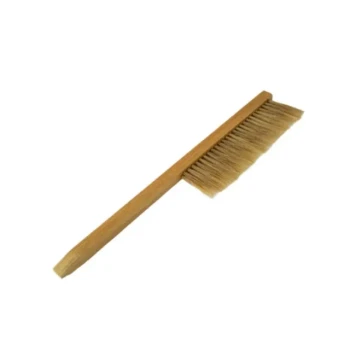
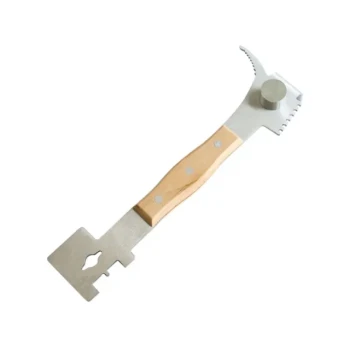
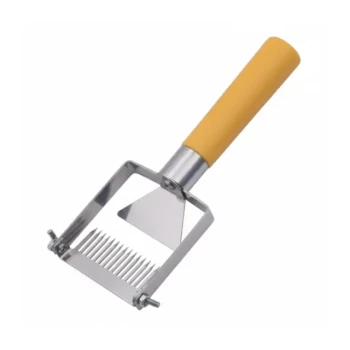
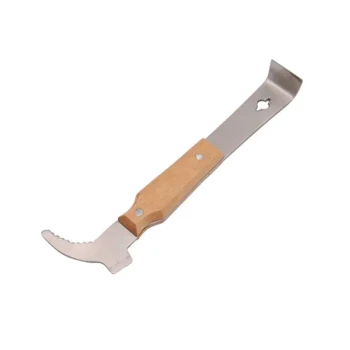
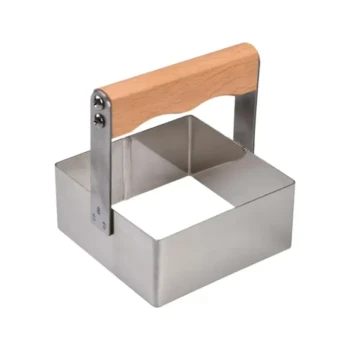
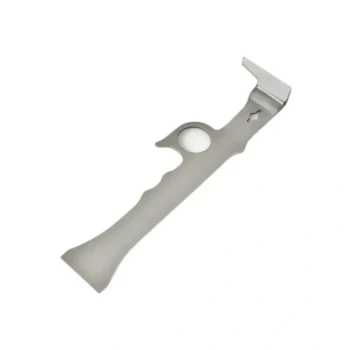
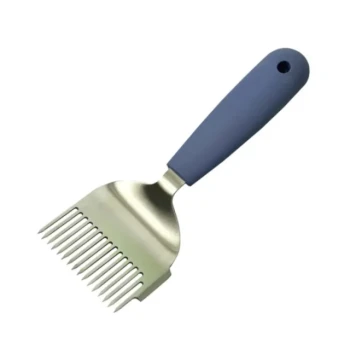
Precision extraction is the defining technical advantage of using specialized cutting tools in this context. Because stingless bees store pollen in pots made of cerumen (a mixture of wax and propolis) rather than open hexagonal cells, specialized cutting tools are necessary to surgically peel the propolis-rich walls away from the hive structure. This ensures the pollen balls remain physically intact while effectively isolating the propolis for separate processing.
Core Insight The technical value of these tools lies in their ability to disassemble the hive's storage architecture without cross-contaminating the products. By treating the separation process as a precise dissection rather than a bulk scraping, you preserve the structural integrity of the pollen for biological analysis while recovering high-purity propolis as a secondary commercial product.
The Anatomy of Storage and Extraction
To understand the significance of the tool, one must understand the unique storage method of the bees in question. Unlike standard honey bees that use open combs, stingless bees encapsulate pollen.
Dealing with Cerumen Pots
Stingless bees construct storage pots made of cerumen, a durable mixture of beeswax and propolis.
The pollen is sealed inside these pots. Standard harvesting methods cannot access this pollen without breaching the tough, resinous exterior.
The Role of Specialized Cutting
Specialized cutting tools are designed to navigate the irregular geometry of these pots.
They allow the operator to peel the cerumen layer away from the hive walls with high precision. This is a mechanical separation process that relies on sharpness and maneuverability to detach the pot without crushing it.
Ensuring Product Purity and Integrity
The primary technical goal of this separation method is to maintain the distinct chemical and physical profiles of two valuable materials.
Preserving Pollen Balls
The physical form of the pollen is critical.
When the protective propolis layer is peeled away correctly, the pollen balls remain intact. This prevents the pollen from becoming mashed or compressed, which increases surface area and accelerates oxidation or degradation.
Minimizing Cross-Contamination
Purity is paramount for downstream processing.
By surgically separating the layers, the tools prevent the resinous propolis from mixing into the pollen. This ensures the harvested pollen maintains a "clean" profile, free from the strong flavors or sticky texture of the propolis casing.
Dual-Stream Resource Recovery
Using the correct tools transforms a potential waste product into a viable commodity.
Efficient Propolis Collection
The material removed during this process is not refuse; it is high-value propolis.
Specialized tools facilitate the recovery of this material as a separate product stream. Rather than destroying the propolis to get to the pollen, the tools harvest it.
Downstream Processing Advantages
Clean separation at the source simplifies the refinement stage.
Propolis recovered this way requires less filtration to remove pollen granules, and the pollen requires less cleaning to remove sticky resin. This efficiency reduces the cost and complexity of preparing both products for the market.
Understanding the Trade-offs
While specialized cutting tools offer high precision, they introduce specific operational challenges that must be managed.
Labor Intensity vs. Automation
This is a manual, skill-intensive process.
Unlike the passive collection mats or entrance traps used for other bee species, this method requires active human intervention. It yields higher quality but scales more slowly than automated methods.
The Risk of Structural Damage
Precision is required to avoid damaging the hive.
If the cutting tools are used improperly, there is a risk of cutting too deep and damaging the underlying hive structure. Furthermore, rough handling can introduce impurities like wood chips or dead bee parts, negating the purity benefits of the specialized tool.
Making the Right Choice for Your Goal
Whether you prioritize scientific accuracy or commercial efficiency, the use of these tools dictates your outcome.
- If your primary focus is Pharmaceutical/Research Grade Purity: Use these tools to ensure the pollen balls are harvested without physical deformation or chemical contamination from the propolis casing.
- If your primary focus is Economic Diversification: Leverage these tools to create two distinct, high-quality product lines (pollen and propolis) from a single harvesting workflow, maximizing revenue per colony.
The precision of your extraction tool directly determines the purity and marketability of your final yield.
Summary Table:
| Feature | Specialized Cutting Tools | Standard Scraping Methods |
|---|---|---|
| Pollen Integrity | Preserves intact pollen balls; prevents oxidation | High risk of crushing and rapid degradation |
| Product Purity | Surgical separation; zero cross-contamination | High contamination between pollen and resin |
| Resource Yield | Dual recovery of high-purity pollen & propolis | Propolis is often wasted or heavily contaminated |
| Processing Effort | Reduces downstream filtration and cleaning | Increases complexity of refining and purification |
| Outcome | Pharmaceutical/Research grade quality | General commercial/Lower-tier quality |
Maximize Your Colony's Value with HONESTBEE
At HONESTBEE, we understand that for commercial apiaries and global distributors, precision is the key to profitability. Whether you are focused on pharmaceutical-grade pollen or high-value propolis recovery, our comprehensive range of specialized beekeeping tools and machinery is designed to optimize your yield.
From advanced hive-making equipment to specialized extraction tools, HONESTBEE supplies everything the modern bee industry needs to scale efficiently. Partner with us to access professional-grade hardware and essential consumables tailored for large-scale operations.
Ready to elevate your production standards? Contact our wholesale experts today to discover how our equipment can transform your harvesting workflow.
References
- Ali Agus, I Gede Suparta Budisatria. Effect of Different Beehives Size and Daily Activity of Stingless Bee Tetragonula Laeviceps on Bee-Pollen Production. DOI: 10.21059/buletinpeternak.v43i4.47865
This article is also based on technical information from HonestBee Knowledge Base .
Related Products
- Stainless Steel Pollen Shovel with Wooden Handle
- Heavy-Duty Ergonomic Stainless Steel Pollen Shovel
- Heavy-Duty Ergonomic Grip Galvanized Pollen Shovel
- HONESTBEE Professional Long Handled Hive Tool with Precision Cutting Blade
- Plastic Bee Pollen Trap Strips Comb Catcher Collector
People Also Ask
- How do bee pollen collection tools affect the quality of bee pollen used in functional dairy ice cream production?
- Why should commercial apiaries focus on the collection of diversified bee products? Maximize Your Hive’s Profit Potential
- How does a specialized pollen collector facilitate the harvesting of diverse bee products? Automate High-Value Yields
- What is the impact of pollen collectors and associated equipment on the cost structure of pollen production? Maximize ROI
- What role do professional beekeepers and specialized equipment play in bee pollen? Key to Scale & Purity